Munna Bhai Tamil Remake Story Revives Kamal Haasan Debate
An actor's recollection that a key scene was dropped from the Tamil remake of Munna Bhai has reignited discussion about Kamal Haasan's creative authorship and how Indian remakes reshape beloved originals.
The NE Times Entertainment Desk
Commentary & Analysis ·
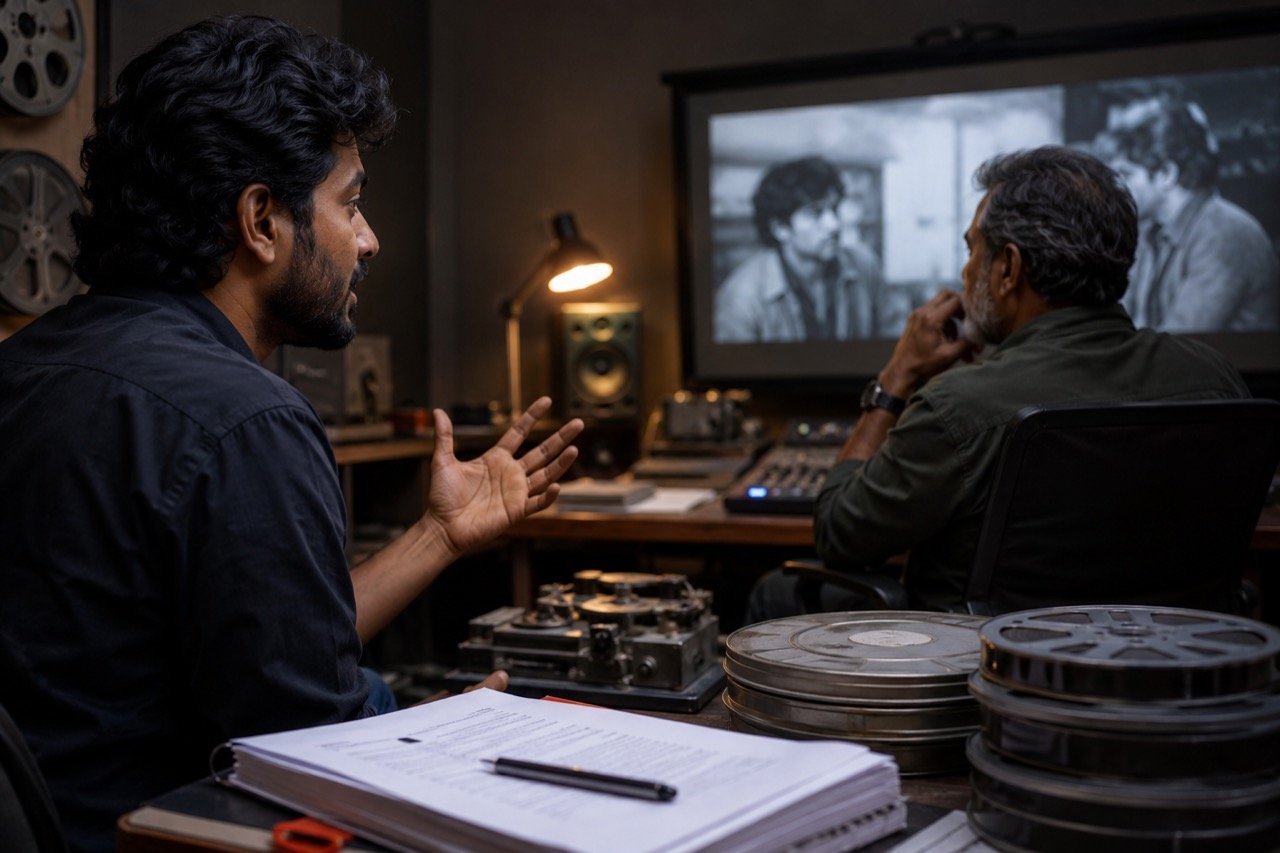
A fresh interview anecdote about the Tamil remake of Munna Bhai has pulled Kamal Haasan's creative instincts back into the spotlight, after an actor recalled that a crucial scene from the Hindi original was removed during the adaptation.
The recollection has struck a chord because remakes are judged not just on box-office returns but on the choices they make while translating tone. The Hindi Munna Bhai films thrived on warmth, satire and emotional release — so when a remake drops a scene, audiences inevitably ask whether the local version gained a sharper identity or lost part of what made the original work.
The question of authorship
At the heart of the debate is authorship. A star-filmmaker with as strong a creative personality as Kamal Haasan can reshape material decisively. That confidence can yield a bolder film, but it can equally invite criticism when collaborators — or viewers years later — feel an emotional beat was sacrificed along the way.
The episode also shows how older remakes stay alive through interviews. A single recollection can send audiences back to re-examine adaptation choices made long ago, particularly in Indian cinema, where stories routinely travel across languages and are altered for star image, regional humour, political nuance and audience expectation.
The fair reading is a neutral one: the anecdote does not settle whether the change was right or wrong. It simply opens a window into how major remakes are actually made — as a negotiation between source material, language, star persona and a director's conviction about what will land on screen.
The NE Times View
Debates like this are healthy for Indian cinema. Too often, remakes are treated as either faithful tributes or cynical cash-ins, when the truth sits in between: every adaptation is a series of judgement calls made under commercial and cultural pressure. Kamal Haasan's willingness to cut rather than copy is exactly what distinguishes an auteur from a translator, even when the results divide opinion. For audiences, the takeaway is to judge each remake on its own terms — and to appreciate that the scenes left out often tell us as much about a filmmaker as the ones left in.
This article is original commentary and analysis by The NE Times. Background facts were referenced from NDTV Entertainment and The Indian Express Entertainment.
You may also like to read
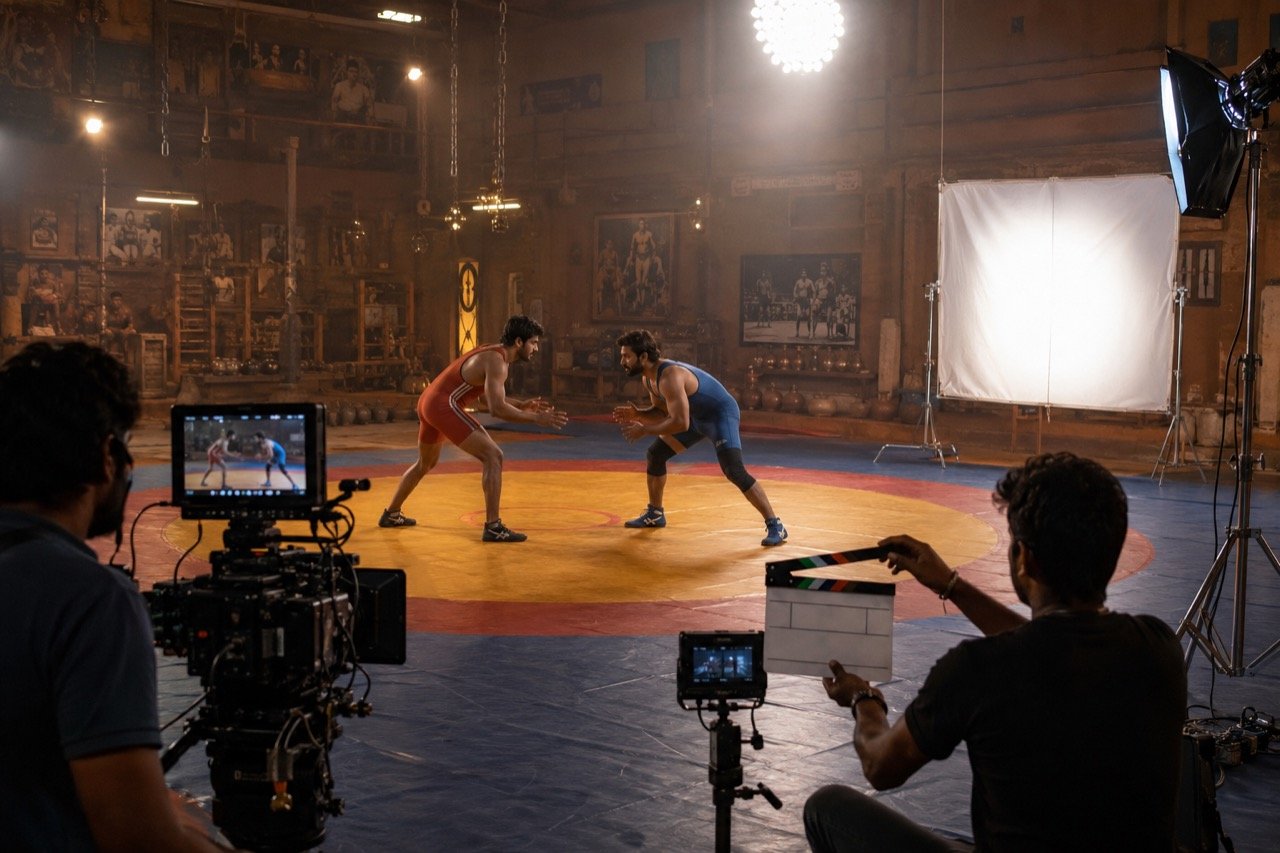
Gatta Kusthi 2 Reviews Turn Spotlight on Sequel Fatigue
Early criticism of the Vishnu Vishal and Aishwarya Lekshmi sequel argues that familiar faces and a lively premise cannot mask stretched writing, making the Tamil film a test case for franchise continuation in Indian cinema.
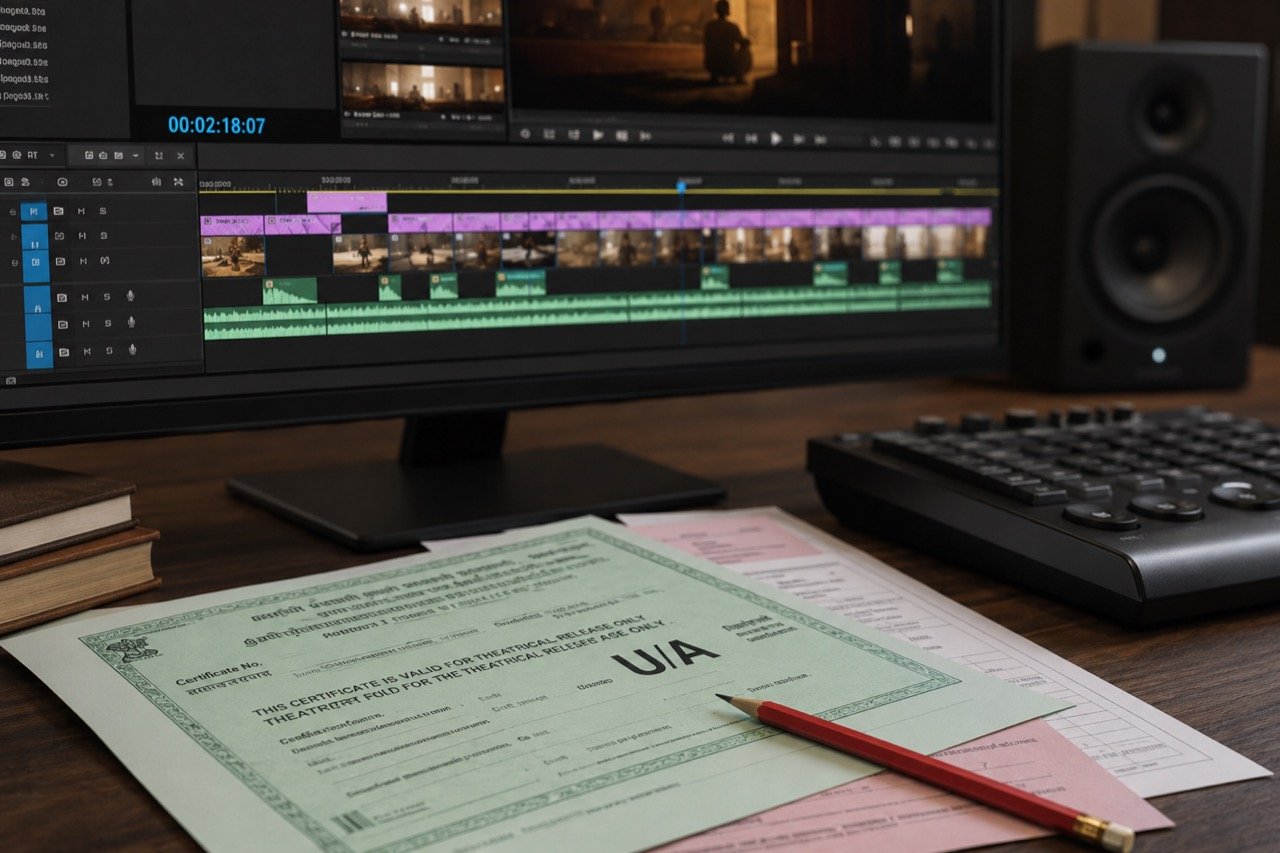
Jana Nayagan CBFC Update Revives Tamil Release Countdown
A fresh CBFC communication asking for changes to Jana Nayagan has pushed the Vijay starrer back into release-watch mode, as fans track the final certification steps standing between the Tamil blockbuster and theatres.
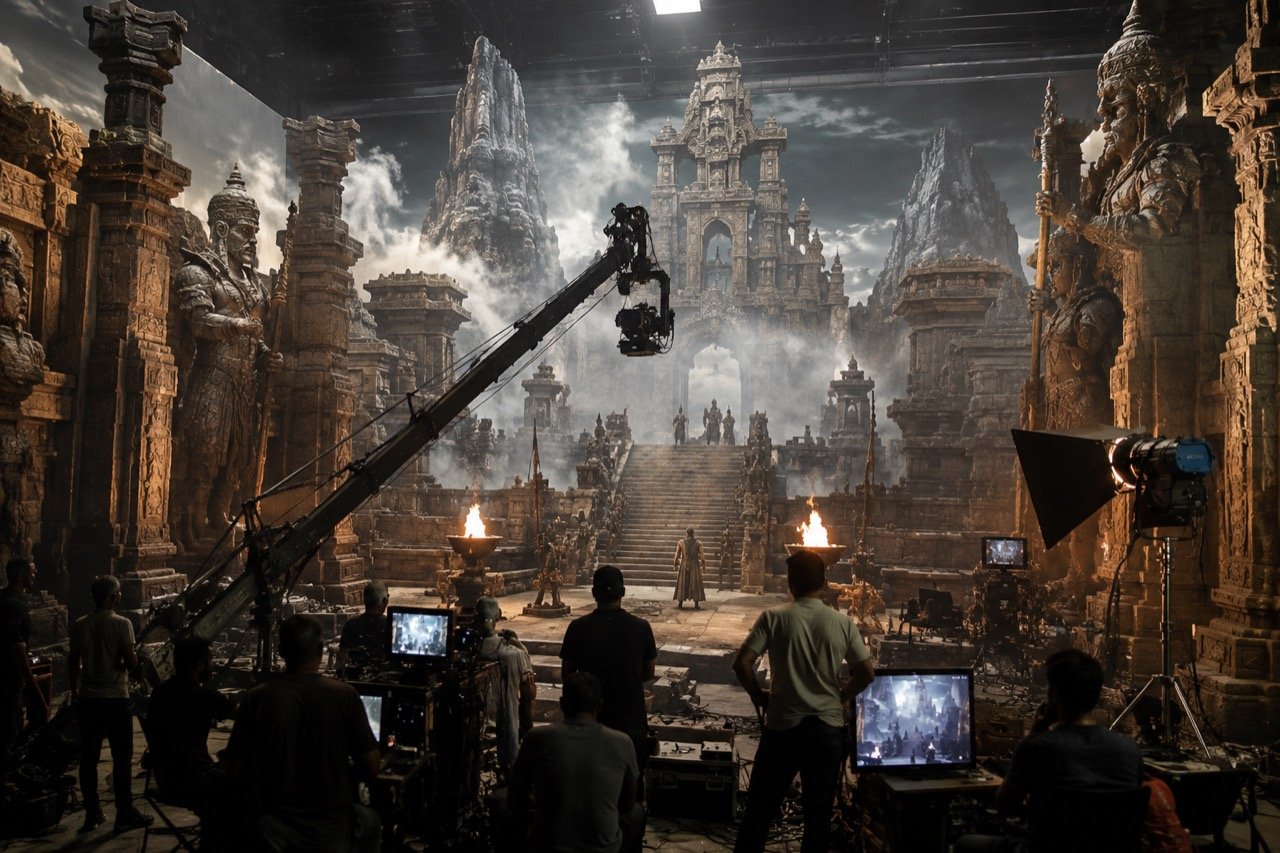
Nagabandham Reviews Reignite the Spectacle-vs-Story Debate
Early review coverage frames Nagabandham as a visually ambitious mythological fantasy still searching for a narrative spine, sharpening a familiar debate over whether scale alone can carry effects-heavy Indian cinema.
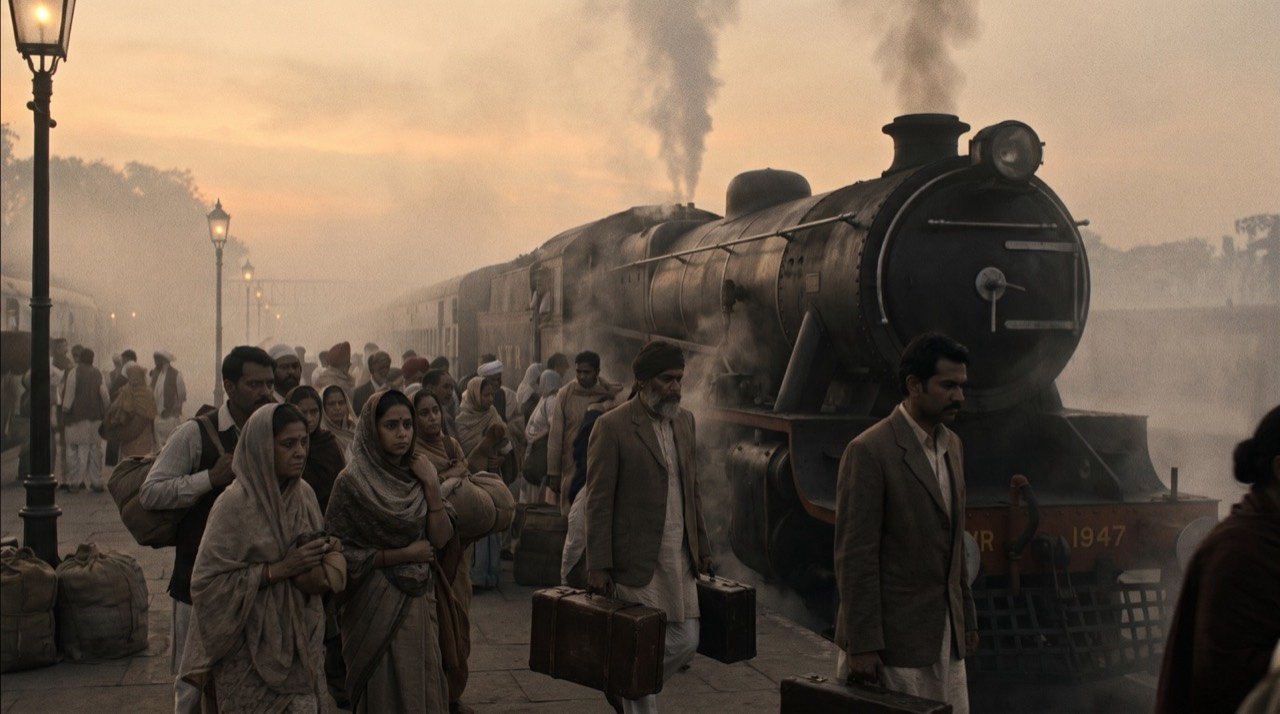
Thalaivar 173: Rajinikanth and Kamal Haasan Set to Reunite After Decades for a Pongal Spectacle
The two pillars of Tamil cinema are coming together on screen for the first time in over four decades, with Kamal Haasan producing under Raaj Kamal Films International and Rajinikanth confirming his shoot will begin once Jailer 2 is done.
More from this section
More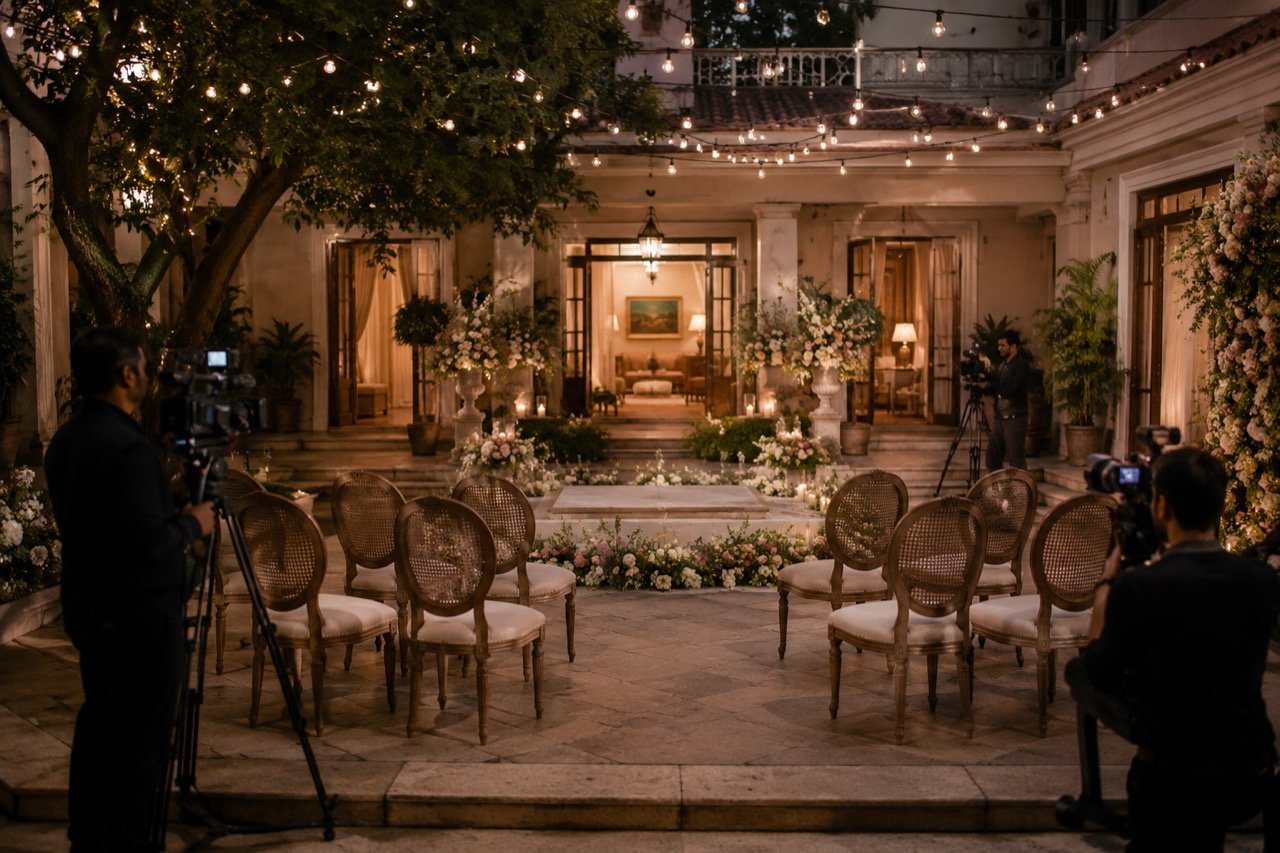
Aamir Khan's quiet July 5 wedding becomes Bollywood's big story
Reports that Aamir Khan has confirmed an intimate July 5 ceremony with Gauri Spratt have captivated Bollywood watchers precisely because the star is choosing privacy over spectacle.
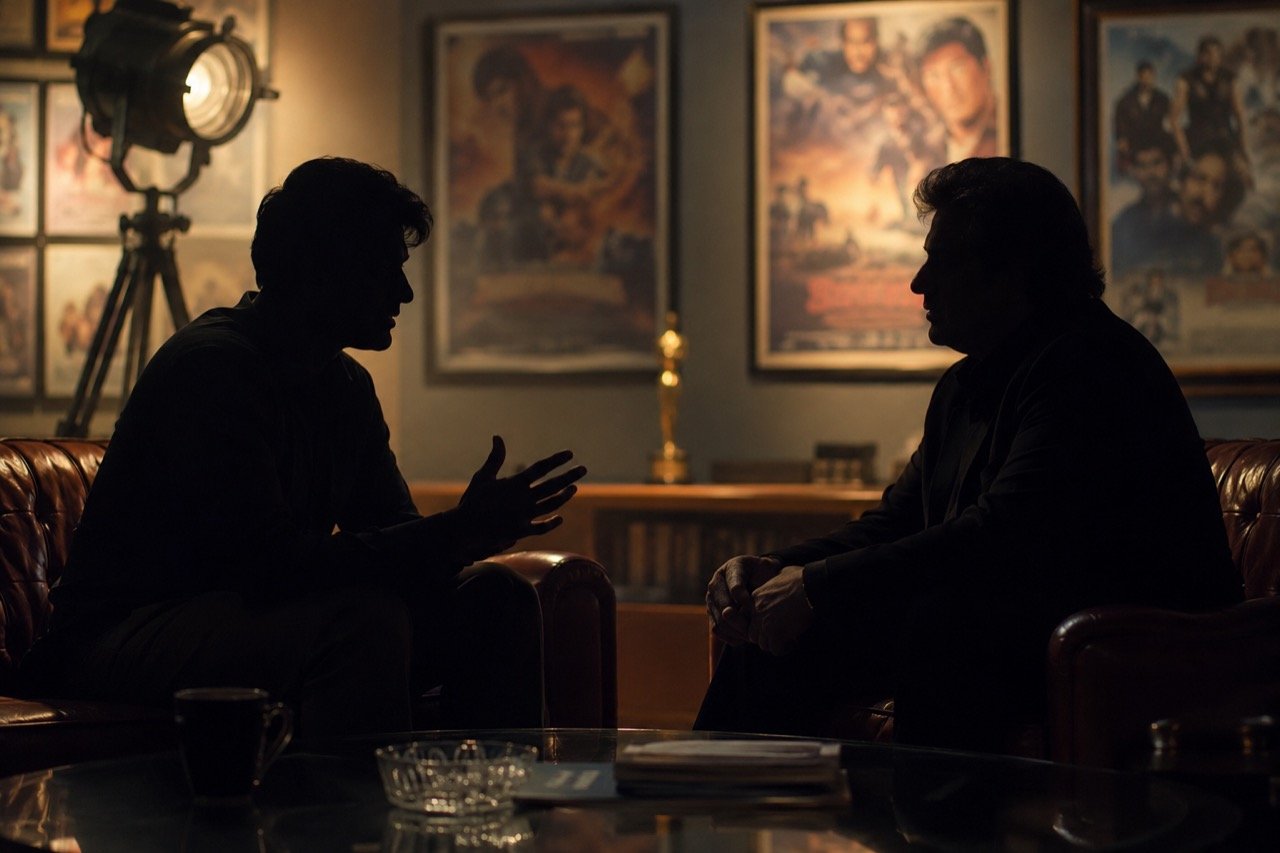
Akshaye Khanna's Nod to Sunny Deol Stirs 90s Bollywood Nostalgia
A warm remark from Akshaye Khanna about Sunny Deol has revived affection for Bollywood's 1990s generation, showing how memory and mutual respect still power Hindi cinema's news cycle between big releases.
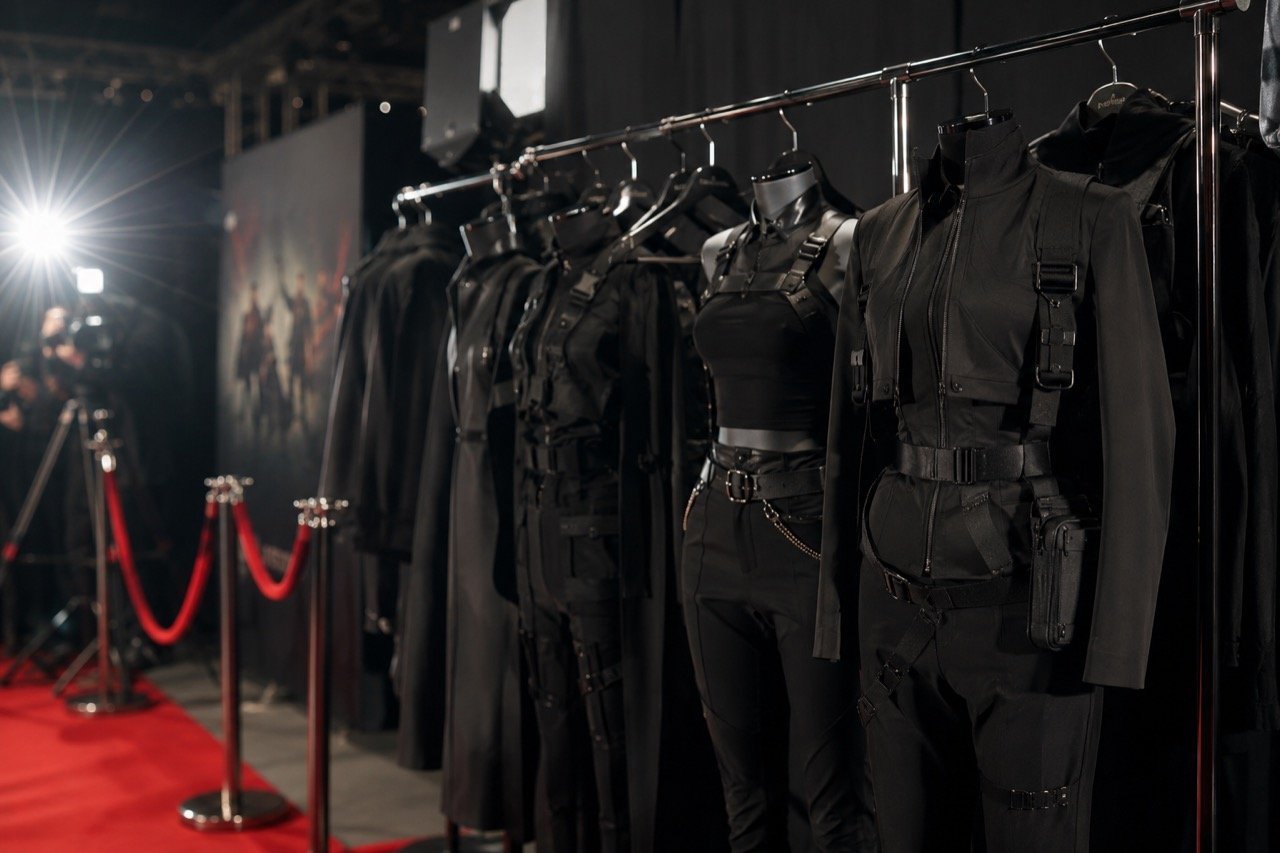
Alia Bhatt's Alpha Wardrobe Makes Spy-Film Promotion a Style Story
From asymmetrical silhouettes to commando-inspired outfits, Alia Bhatt's promotional fashion for Alpha is doing narrative work — signalling toughness and control for Bollywood's female-led action entry.