Mumbai-Ahmedabad Bullet Train: India's Largest TBM Starts Digging
India's largest rail tunnel boring machine has begun excavation on the Mumbai-Ahmedabad bullet train corridor, moving the country's flagship high-speed rail project into a visible and technically demanding underground phase.
The NE Times National Desk
Commentary & Analysis ·
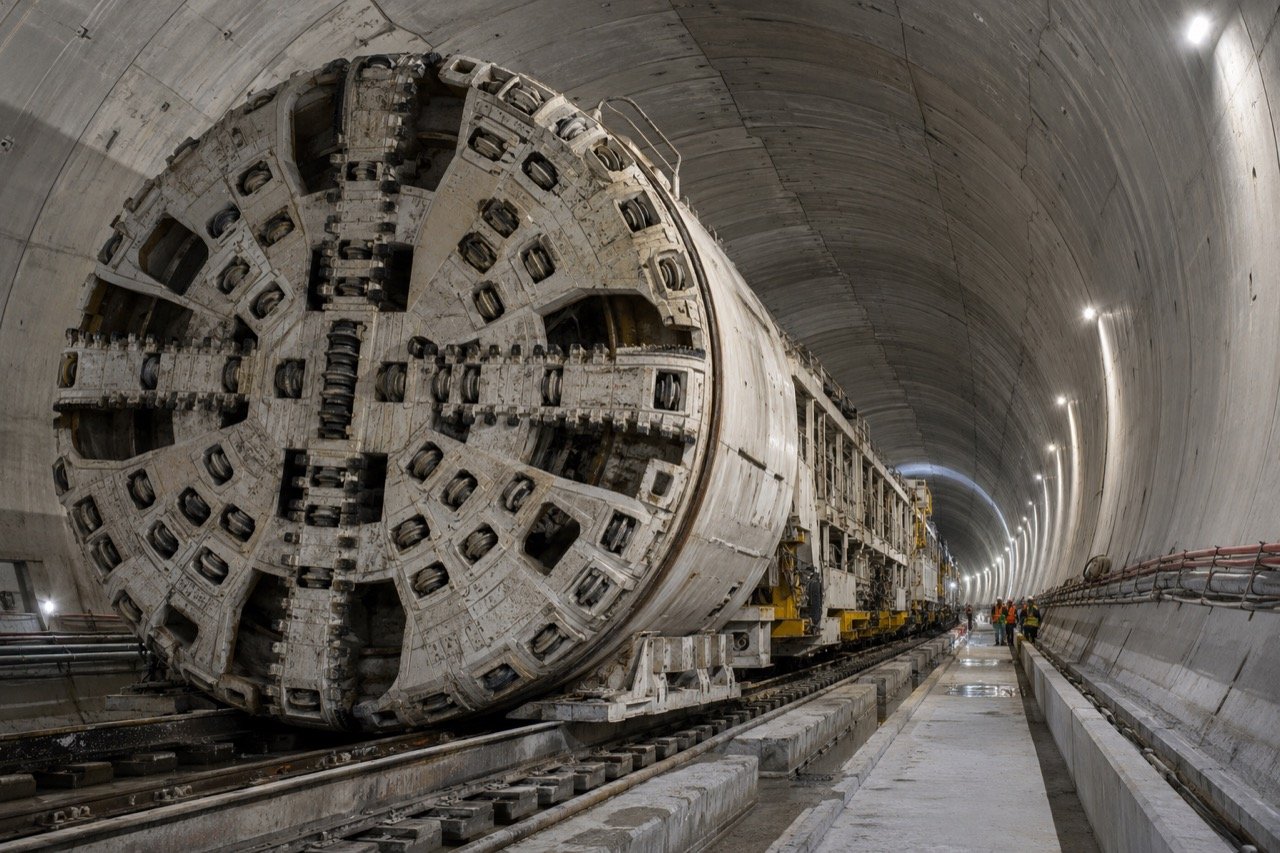
The Mumbai-Ahmedabad bullet train project has crossed a significant construction threshold, with India's largest rail tunnel boring machine beginning excavation, according to a July 5 report. The milestone shifts attention from timelines and cost debates to visible engineering progress on the ground.
Why the TBM launch matters
Tunnel boring machines are the workhorses of modern rail construction, allowing controlled excavation through complex ground conditions while keeping the future track alignment precise. Deploying the country's largest such machine signals that one of the corridor's most demanding underground packages is now active, rather than waiting on paper.
From promise to visible work
Large infrastructure projects earn public confidence when work becomes tangible. A TBM launch does not complete a bullet train, but it shows how the system is actually assembled: stations, viaducts, tunnels, depots, signalling and rolling stock must all advance in parallel before the first passenger boards. Each completed package narrows the gap between announcement and operation.
The corridor is India's flagship high-speed rail venture and is widely treated as a test of the country's execution capacity. The confirmed news is the excavation milestone itself; judgements about the project running ahead of or behind schedule should rest on official timelines rather than single construction events.
The NE Times View
High-speed rail is built in technical increments long before it is experienced at 320 kilometres per hour, and this TBM launch is exactly the kind of unglamorous step that decides whether the project succeeds. The machine's scale also says something larger: India is now routinely deploying specialised heavy engineering that was once imported expertise. The real test, in our assessment, is whether this execution momentum holds through the corridor's hardest stretches, because future high-speed corridors across India will be sanctioned or shelved based on how convincingly Mumbai-Ahmedabad is delivered. Milestones like this one make the case for cautious optimism.
This article is original commentary and analysis by The NE Times. Background facts were referenced from Indian Express.
You may also like to read
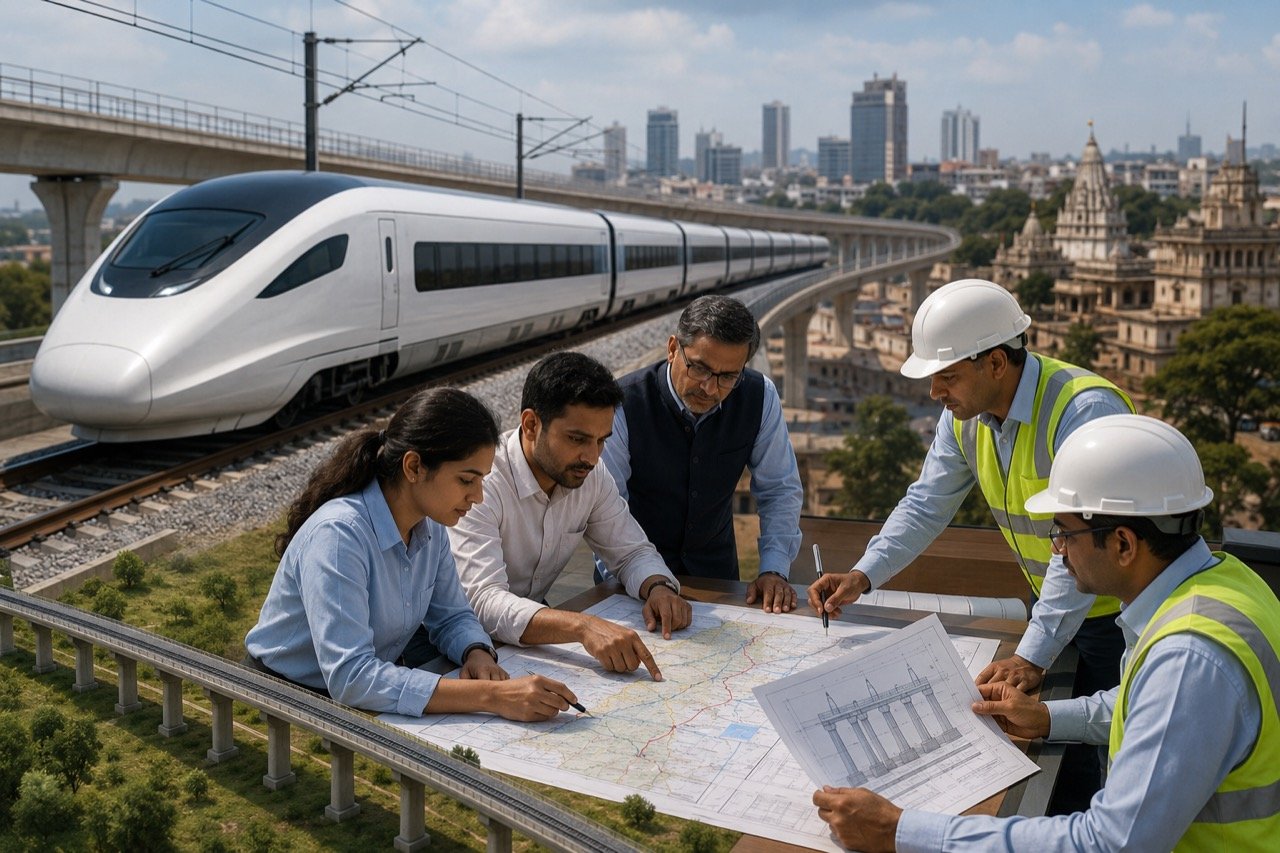
Bullet Train Push: NHSRCL Invites Design Bids for Two New Corridors
NHSRCL has invited design consultancy bids for the proposed Bengaluru-Chennai and Delhi-Varanasi high-speed rail corridors, signalling that India's next bullet train routes are moving from announcement to technical planning.
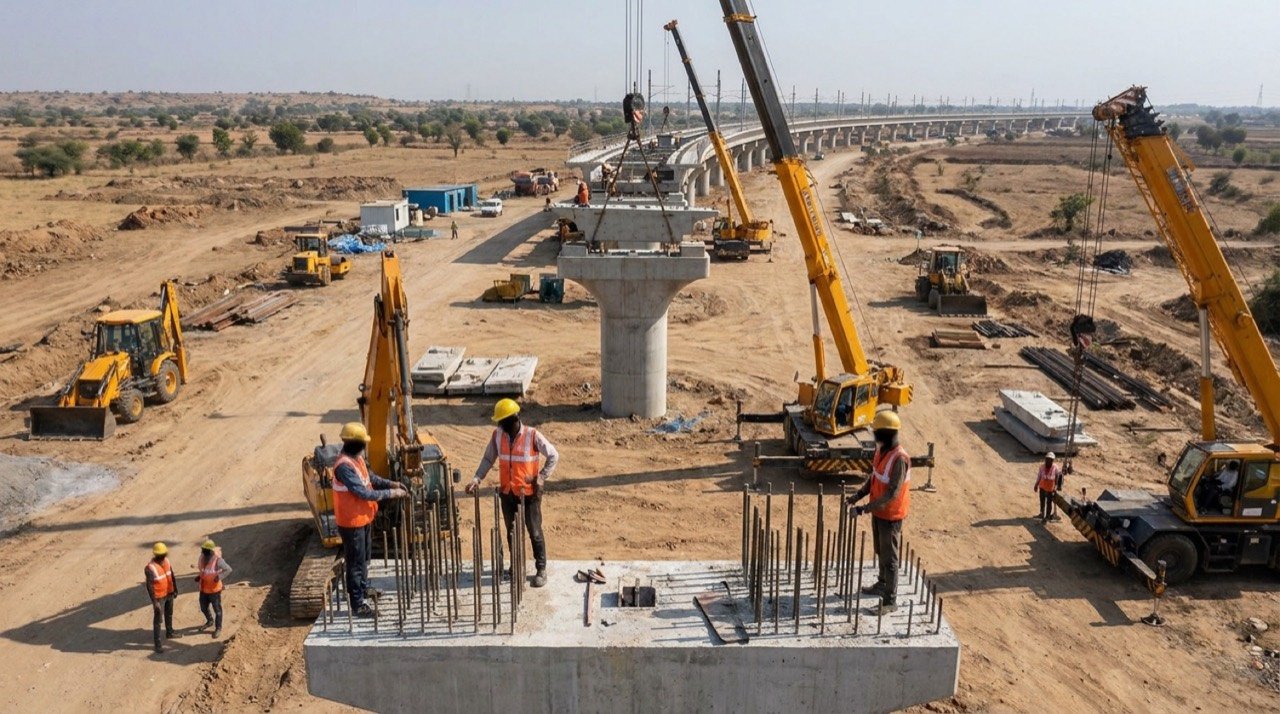
Mumbai-Ahmedabad Bullet Train Project Opens Over 200 Jobs
The Mumbai-Ahmedabad bullet train project has opened applications for more than 200 posts, offering engineers, technicians and operations specialists a new hiring window in India's flagship high-speed rail programme.

Ahmedabad Bullet Train Station Gets Kite-Inspired Multimodal Hub Plan
Ahmedabad's bullet train station is set to be developed as a multimodal transport hub with a kite-inspired design, giving India's high-speed rail project a distinctive urban landmark rooted in local identity.
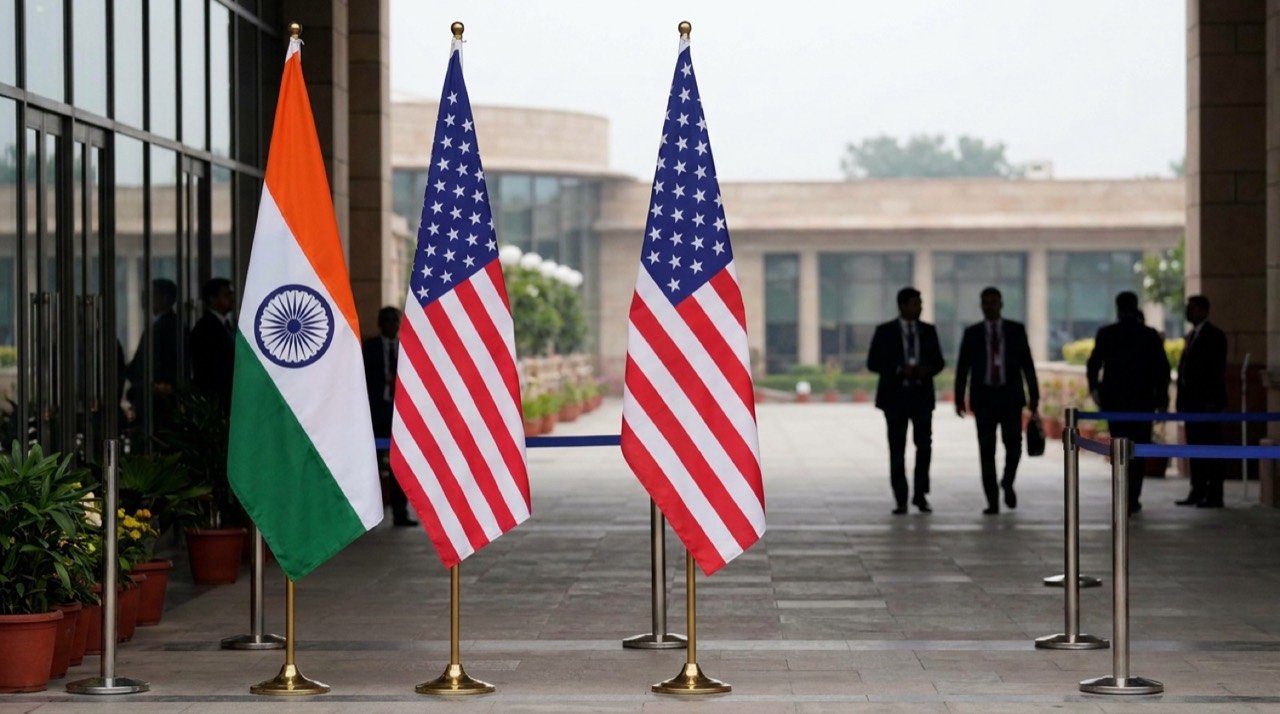
India and US Resume High-Level Trade Talks in Delhi to Finalise First Phase of Pact
Commerce Minister Piyush Goyal says his US counterpart is in Delhi for ministerial talks, with reports naming USTR Jamieson Greer for two days of negotiations on tariffs and market access.
More from this section
More
AICTE Industry Fellowship 2026: Rs 1.5 Lakh Scheme Closes July 5
The AICTE Industry Fellowship Programme 2026, which places technical-education faculty inside leading companies on a Rs 1.5 lakh monthly stipend, reached its application deadline on July 5.
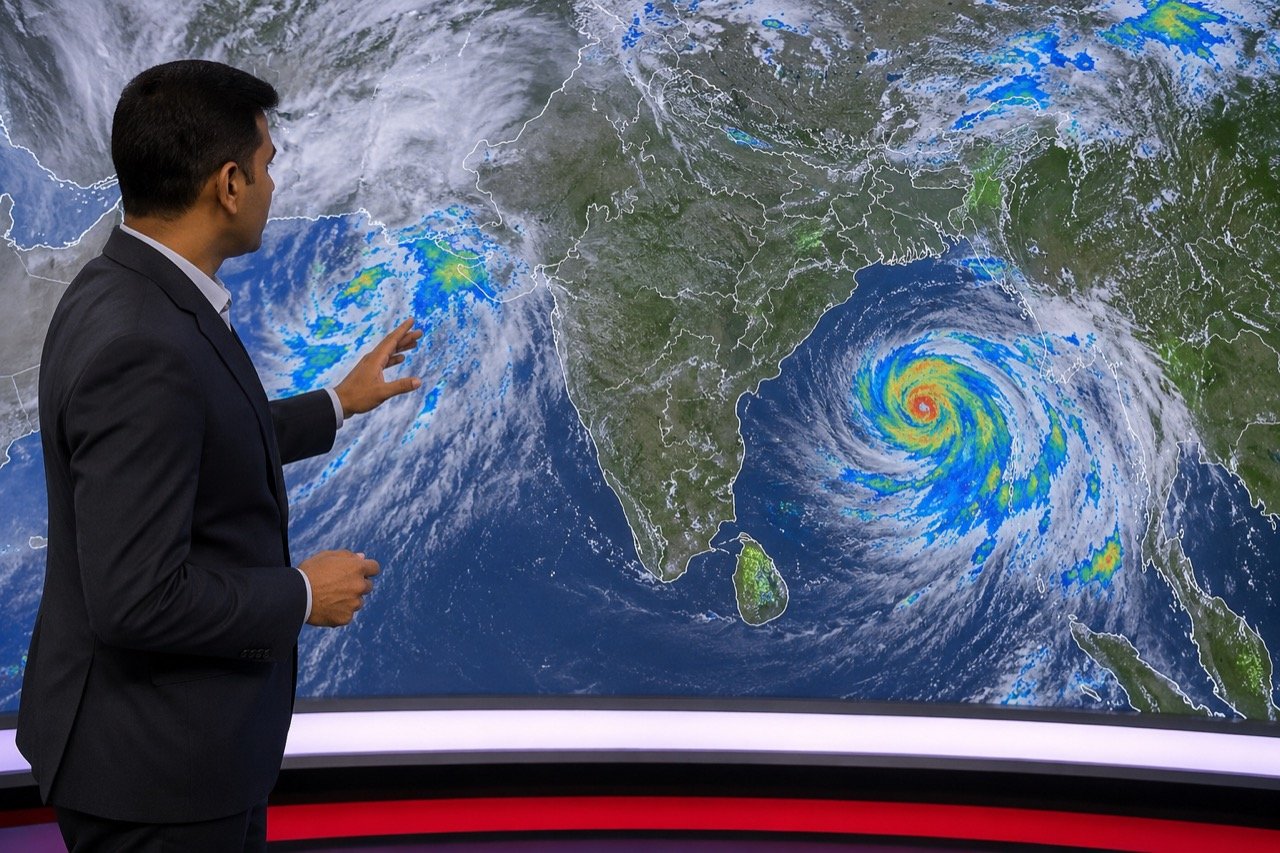
Bay of Bengal Low Pressure System Revives Monsoon Over Western India
A low-pressure system over the Bay of Bengal has pushed the monsoon back into an active phase, bringing steady heavy rain to Kerala, coastal Karnataka and Maharashtra, and putting Mumbai and Pune on preparedness watch.
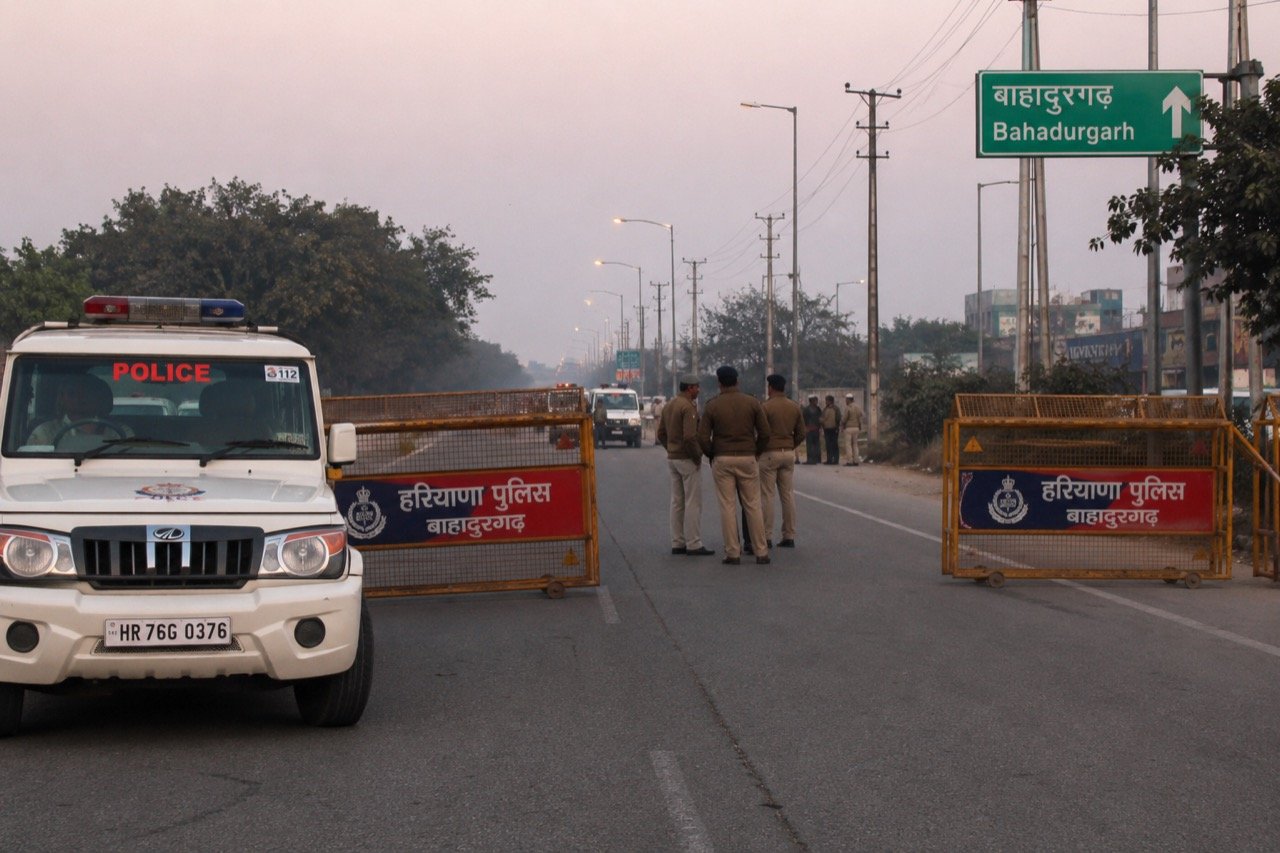
Bishnoi Gang Suspects Injured in Haryana Encounter as Police Tighten Net
A joint Haryana-Delhi Police operation in Bahadurgarh left two suspected Lawrence Bishnoi gang members injured, spotlighting the multi-state coordination now central to India's fight against organised crime networks.