TMC Bengal Chief Quits Within a Month, Putting Party Under Scrutiny
A close aide of Mamata Banerjee has reportedly stepped down as the Trinamool Congress's Bengal unit chief barely weeks after taking charge, reviving questions about organisational stability inside West Bengal's ruling party.
The NE Times Politics Desk
Commentary & Analysis ·
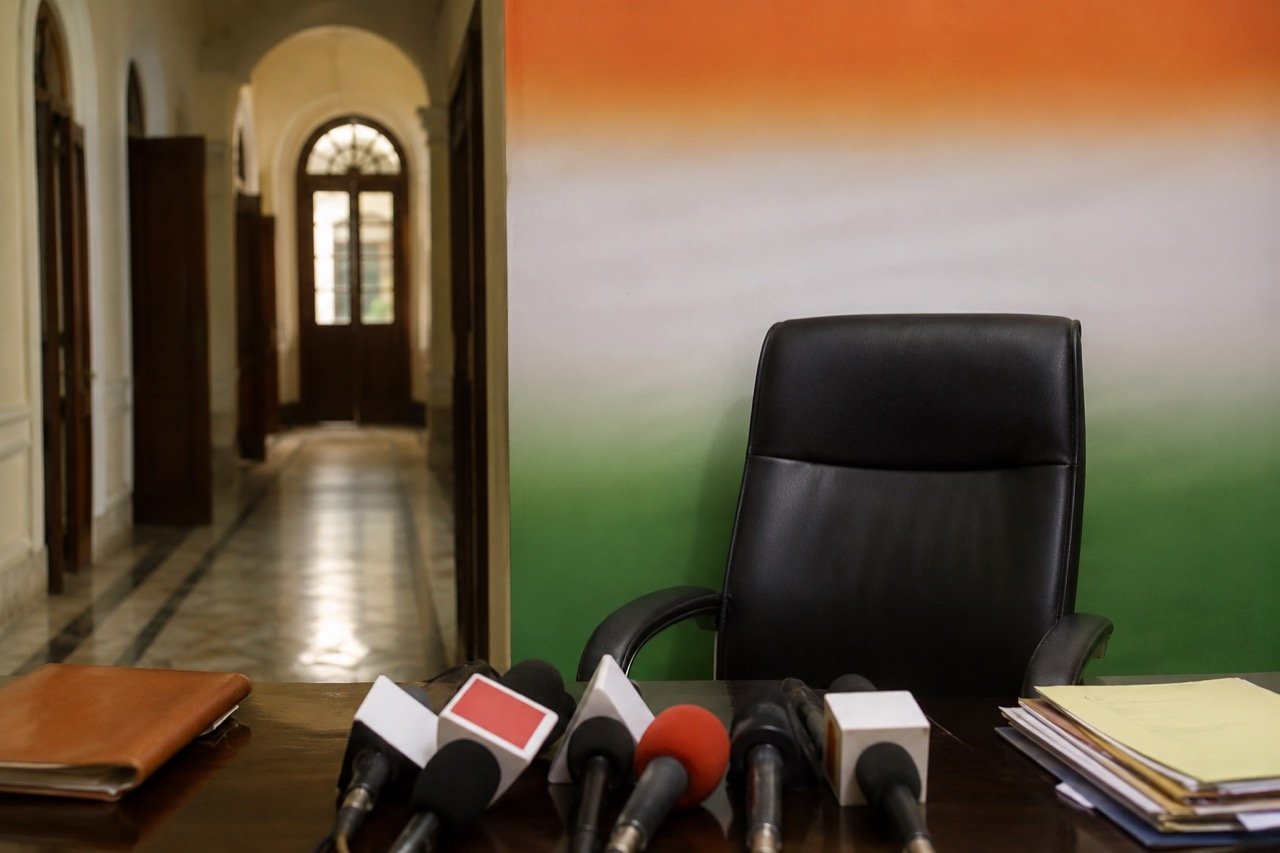
A close aide of West Bengal Chief Minister Mamata Banerjee has reportedly resigned as the Trinamool Congress's state unit chief less than a month after being appointed, a departure swift enough to put the party's internal organisation back under the spotlight.
Why a state post matters
In Bengal's intensely organised political culture, the state party president is far more than a ceremonial title. The office coordinates candidate selection, disciplines district units, shapes campaign messaging and manages the crucial channel between the government's leadership and the party's grassroots machinery. A vacancy — or rapid churn — at that level ripples through all of it.
Exit without explanation
No confirmed reason for the resignation has been made public. An exit within weeks of appointment inevitably invites theories: an unsustainable workload, factional friction, strategic disagreement or purely personal grounds. Each is plausible; none is established. Opposition parties will frame the departure as proof of instability, while the TMC is likely to present it as routine or personal.
The more telling signals will come next — the party's official explanation, how quickly a successor is named, and whether the replacement represents continuity or a factional rebalancing ahead of the state's next electoral cycle.
The NE Times View
For a party that has dominated Bengal for over a decade, the TMC has a persistent soft spot: its organisation still runs overwhelmingly on the authority of one leader. When a hand-picked state chief exits within a month, the question is less about the individual and more about whether any appointee can exercise real authority in a structure where power flows from the top. If the TMC wants its machine to outlast personality, it needs institutional depth — and episodes like this suggest that depth is still a work in progress. Watch the replacement choice; it will say more than any resignation letter.
This article is original commentary and analysis by The NE Times. Background facts were referenced from Hindustan Times.
You may also like to read
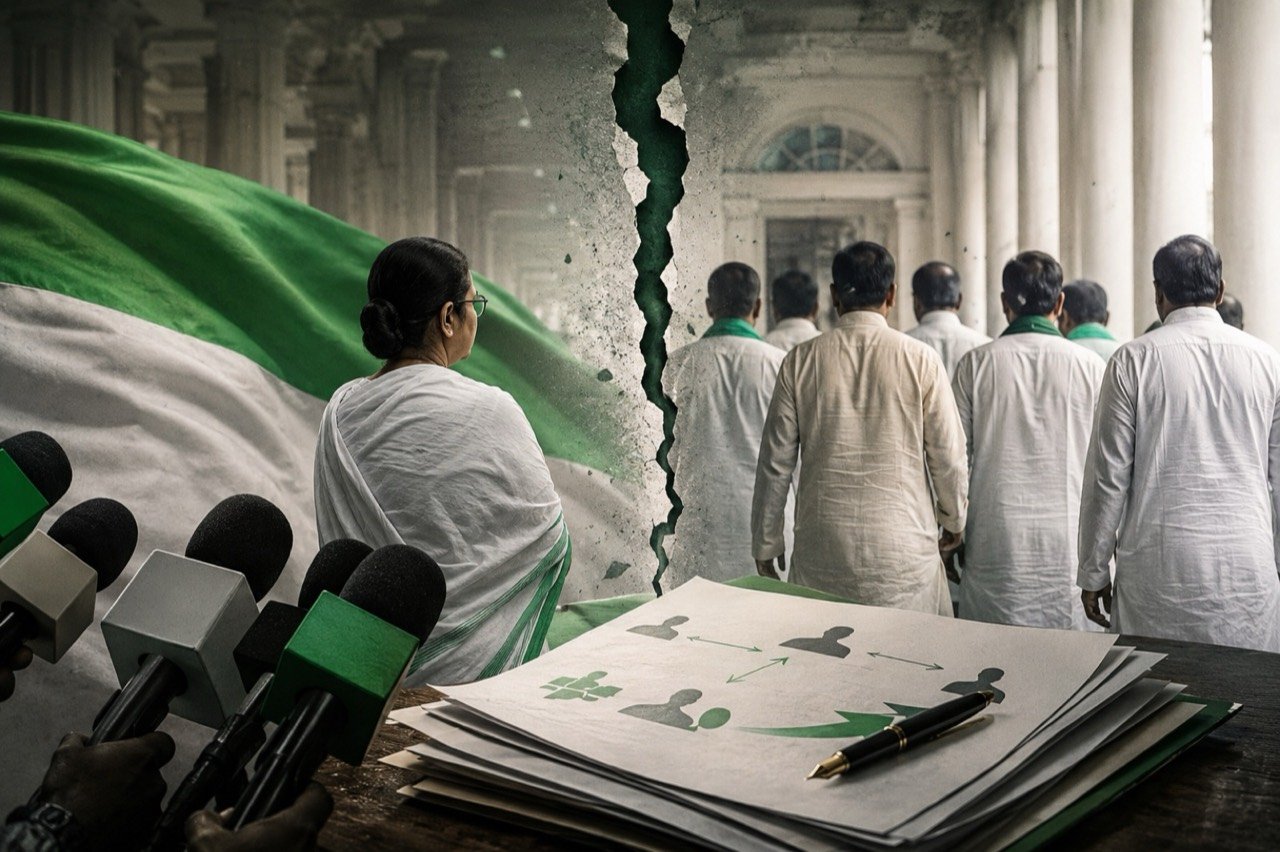
Rebel TMC MLAs Name Arup Roy Chairperson, Deepening Mamata Banerjee's Crisis
A breakaway group of Trinamool Congress legislators has declared Arup Roy chairperson of what it calls the 'real TMC', mounting an open challenge to Mamata Banerjee's leadership in West Bengal.
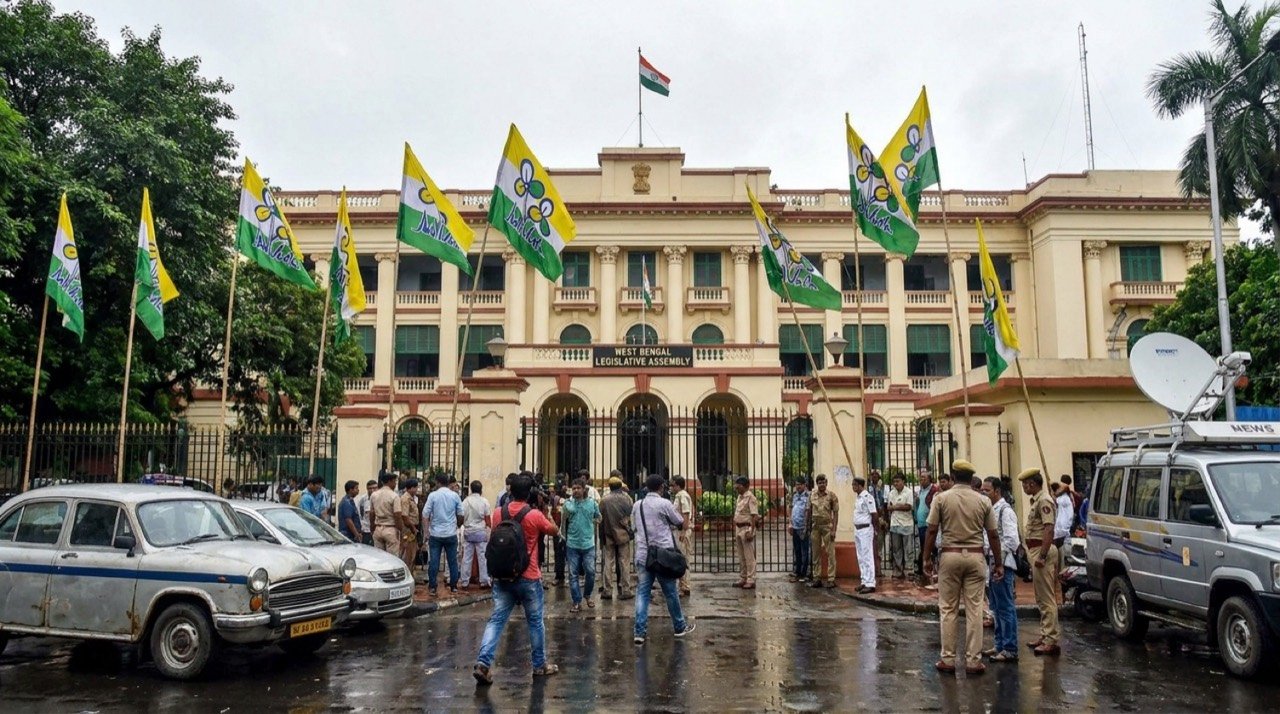
TMC Expels Senior Leaders as West Bengal Party Crisis Deepens
The Trinamool Congress crisis escalated as the party expelled eight senior leaders, including Firhad Hakim, over alleged anti-party activity, after a rebel faction claimed to remove Mamata Banerjee.
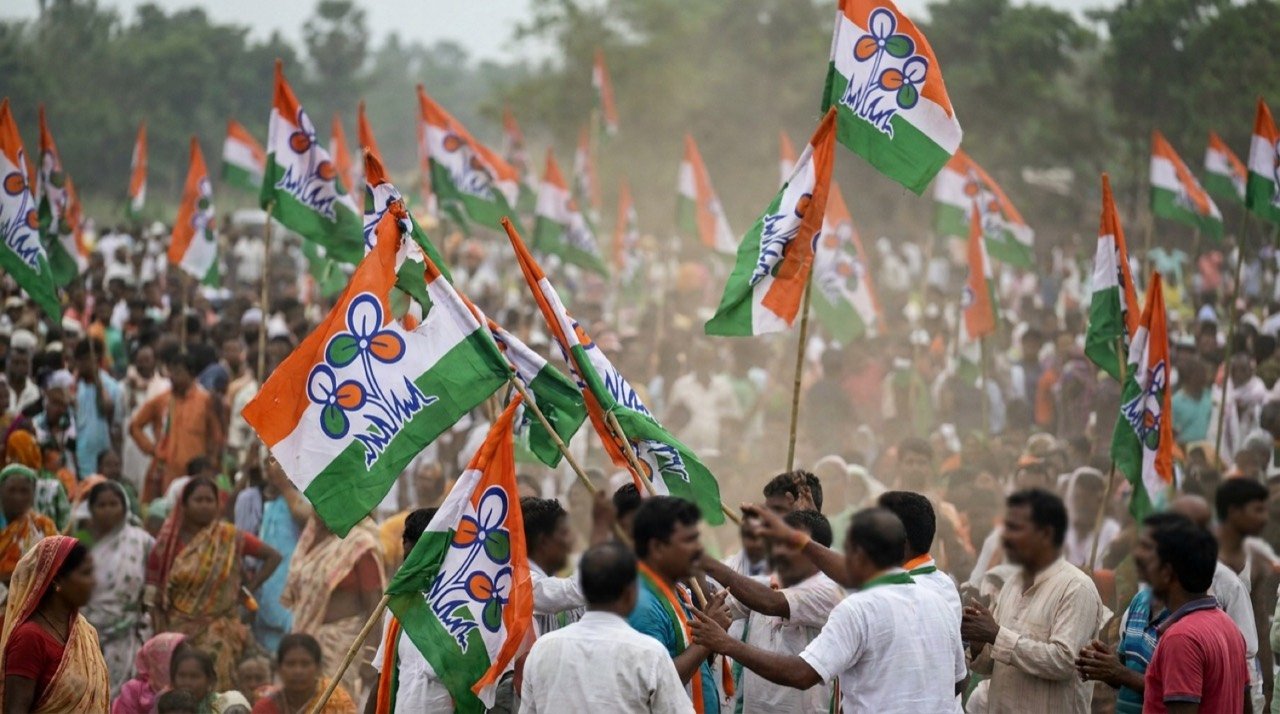
TMC Rebellion and Expulsions Deepen Trinamool's Bengal Discipline Crisis
Open defiance by councillors and workers, followed by expulsions touching figures like Firhad Hakim and Arup Roy, has turned a local Trinamool dispute into a wider test of party discipline in West Bengal.
Rebel TMC Bloc Challenges Mamata Banerjee Over Party Control
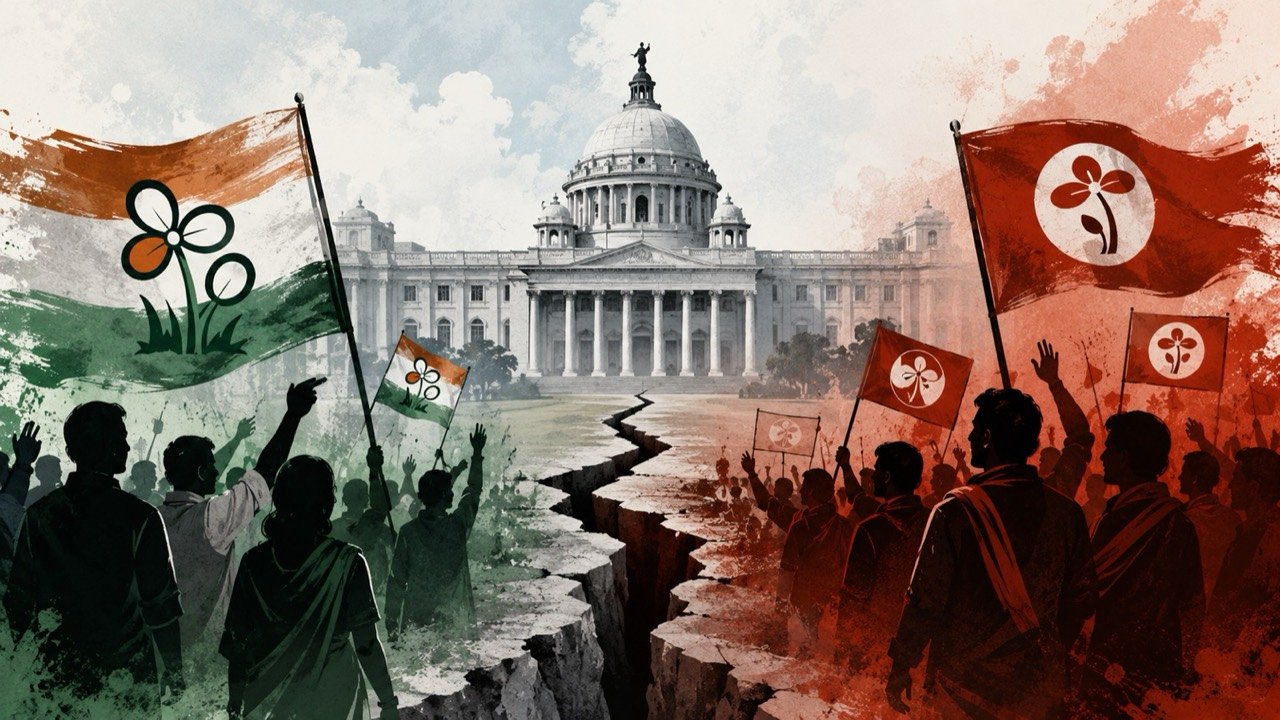
A rebel Trinamool Congress faction claims it has removed Mamata Banerjee as chairperson and named Arup Roy in her place, setting up a likely fight over the party name and symbol at the Election Commission.
More from this section
More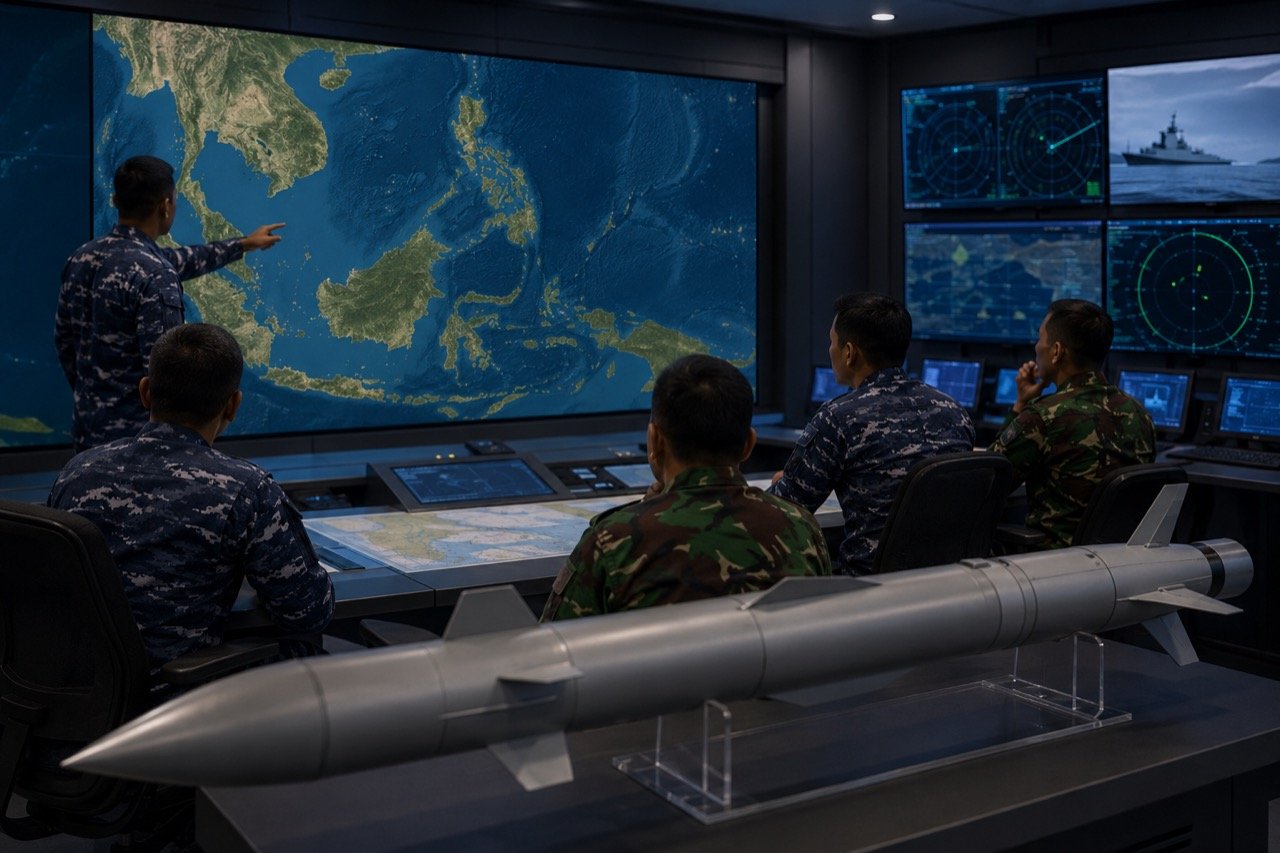
BrahMos Talks With Indonesia Sharpen India's Defence Export Push
A possible BrahMos missile agreement with Jakarta, in focus ahead of Prime Minister Modi's Indonesia engagement, underlines India's ambition to become a serious defence exporter across Southeast Asia.
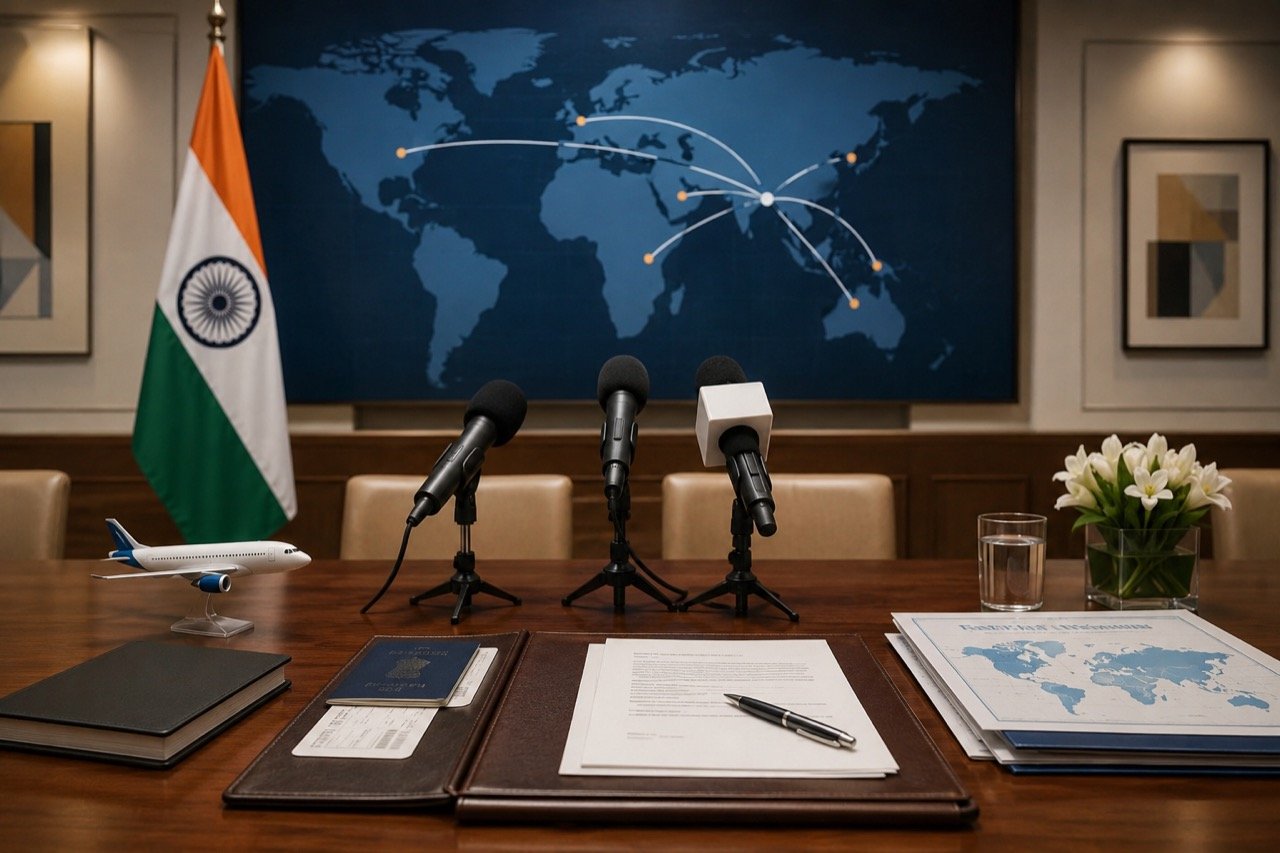
Jaishankar's Six-Nation Tour Kicks Off India's UNSC Seat Campaign
External Affairs Minister S. Jaishankar's July 5-15 tour of Qatar, Bahrain, Kuwait, Oman, the United States and Belgium doubles as bilateral outreach and the opening move of India's UN Security Council campaign.
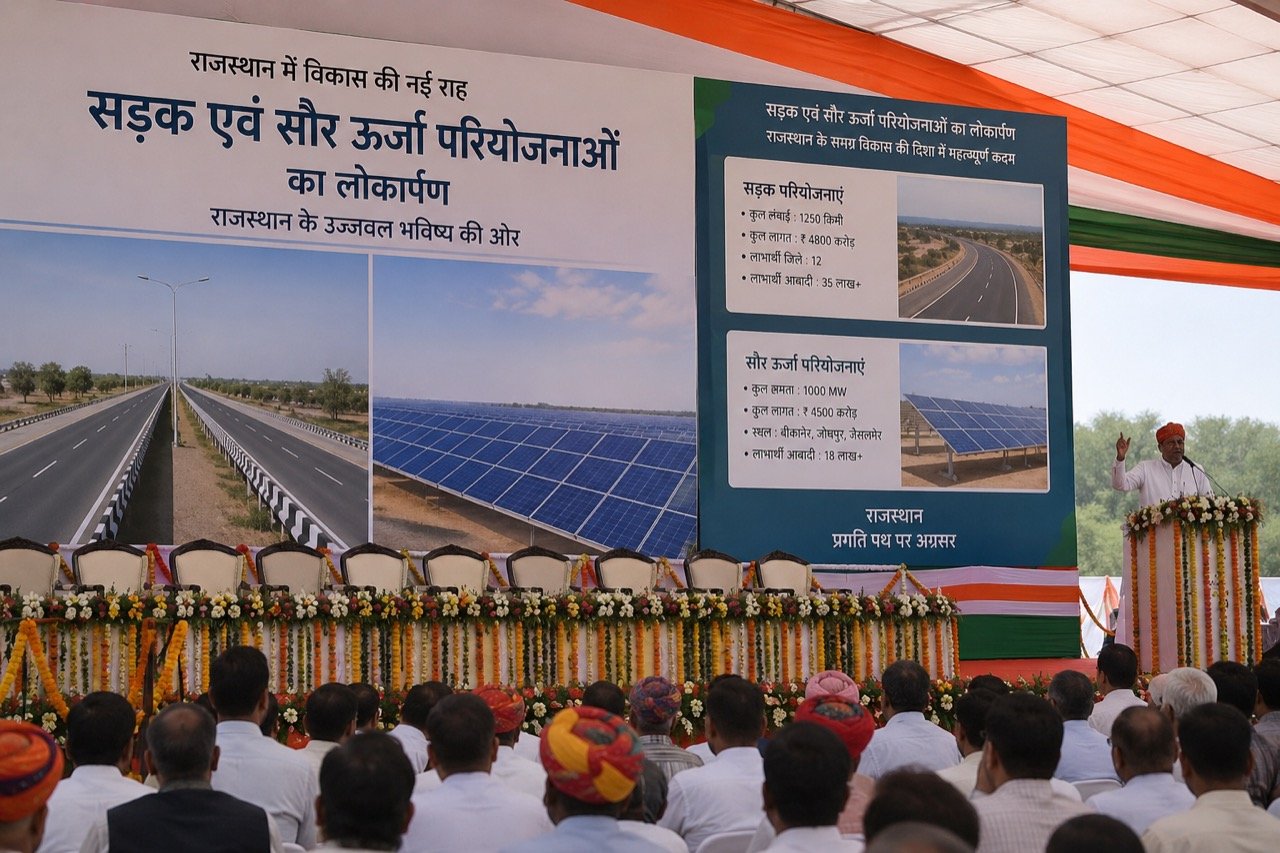
Modi's Balotra Push: Rs 1.06 Lakh Crore Projects and Energy Message
Prime Minister Narendra Modi's visit to Balotra in Rajasthan paired development projects worth around Rs 1.06 lakh crore with remarks crediting India's diplomacy for steering the country through West Asia-linked energy pressures.