Maharashtra Weighs MCOCA Charges In TET Paper Leak Crackdown
Maharashtra may invoke the stringent organised crime law MCOCA against those accused in the TET exam paper leak, while a chief secretary-led panel examines whether state exams should move online.
The NE Times National Desk
Commentary & Analysis ·
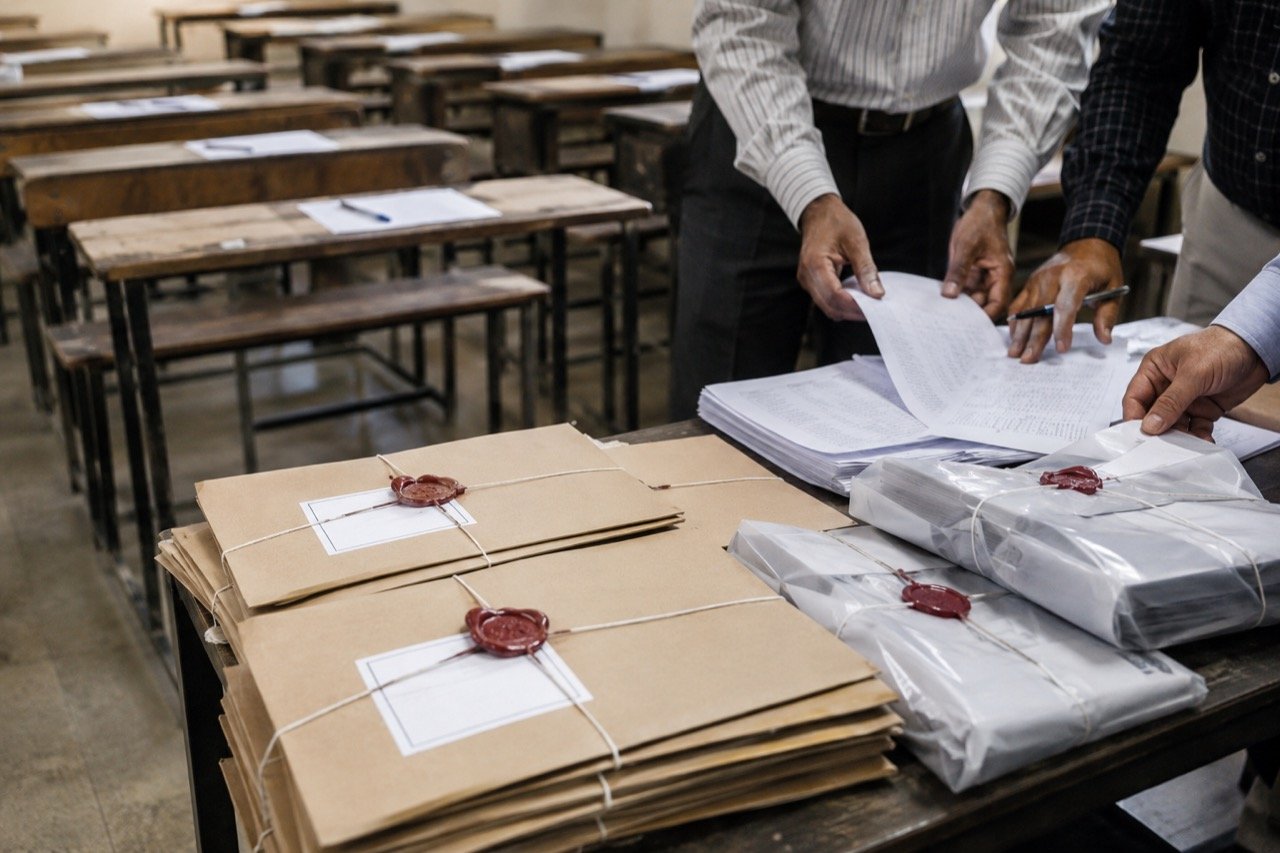
The Maharashtra government may invoke the Maharashtra Control of Organised Crime Act against those accused in the TET exam paper leak case, according to latest reports. Alongside the possible legal escalation, a panel headed by the chief secretary is expected to examine whether state examinations should be conducted online.
The stakes extend well beyond one compromised test. Recruitment and eligibility exams are public-trust systems: a leak harms candidates who prepared honestly, delays departments waiting to fill posts and corrodes confidence in the state's entire examination machinery.
Why MCOCA raises the bar
MCOCA is a law built for organised criminal networks, so even considering it signals that authorities may see the leak as more than isolated cheating, possibly a coordinated racket. Any move in that direction will need to be backed by solid evidence and will face close legal scrutiny. A neutral reading is that the government is exploring its strictest tools while the investigation continues.
Online exams are no silver bullet
The parallel review of online examinations is equally consequential. Digital exams can cut some leak risks, but they introduce new ones: cybersecurity threats, server reliability, unequal access for rural candidates and questions of vendor accountability. Reform will need careful design rather than a rushed technological fix. For candidates, the immediate need is clarity on the investigation, future exam schedules and the safeguards that will protect their effort.
The NE Times View
Invoking MCOCA against exam cheats would be a striking escalation, and the impulse is understandable: paper leaks in India have become a lucrative, repeat-offence industry precisely because the consequences have been trivial. But tough laws applied loosely can backfire; if MCOCA charges fail judicial scrutiny, the accused walk and the deterrent evaporates. The harder, less headline-friendly work is fixing the leak-prone supply chain of printing presses, transport and exam centres, and holding officials accountable, not just middlemen. Maharashtra's real test is whether it can pair credible prosecution with systemic reform. Candidates who study honestly deserve a system that does not force them to gamble their futures on the integrity of strangers.
This article is original commentary and analysis by The NE Times. Background facts were referenced from The Indian Express.
You may also like to read
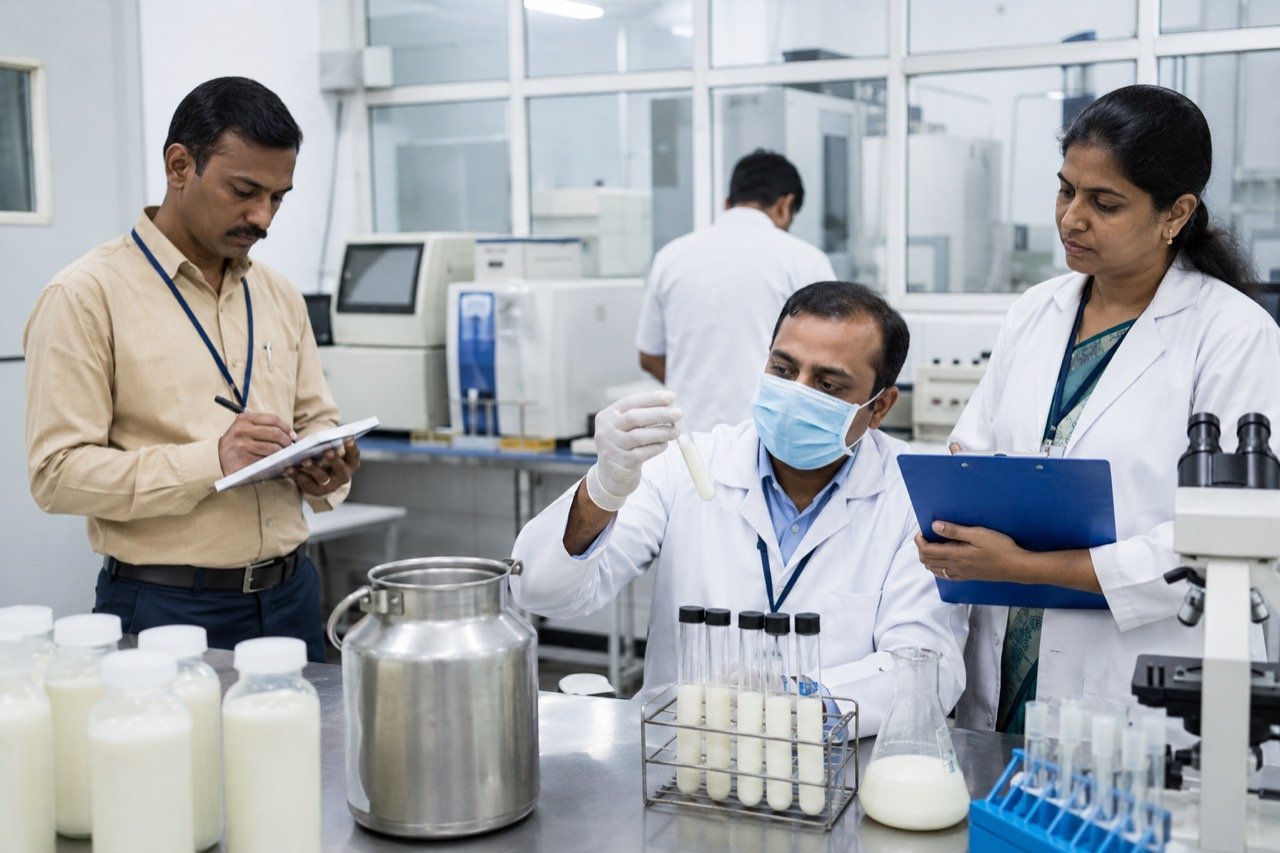
Maharashtra Milk Crackdown Puts Food Safety Back on the Agenda
Enforcement drives against milk adulteration in Maharashtra have revived public debate on food quality, spotlighting the need for regular testing, supply-chain vigilance and consumer awareness across India's most-consumed daily staple.
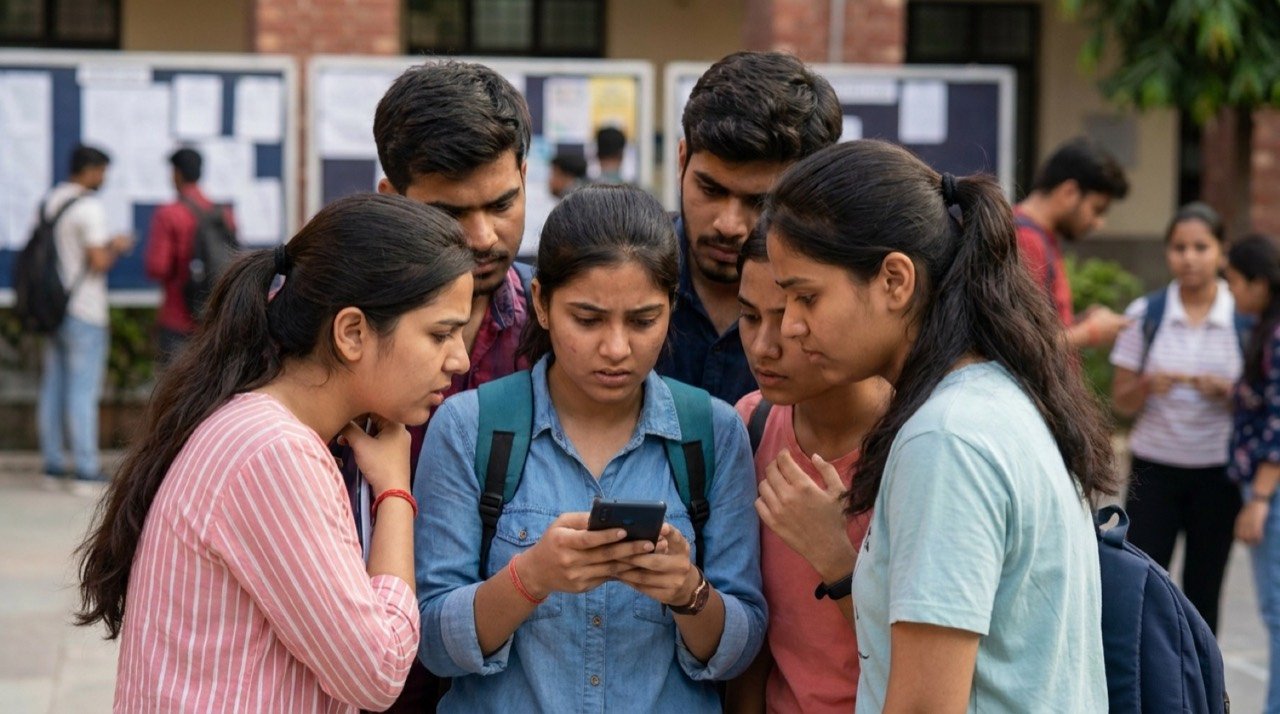
NEET-UG Fake Leak Video Sparks Probe as Exam Misinformation Comes Under Scrutiny
Police and exam authorities are hunting the creators of a fake NEET-UG paper-leak video that spread online around the retest, stoking panic among students and exposing how fast misinformation can erode trust.
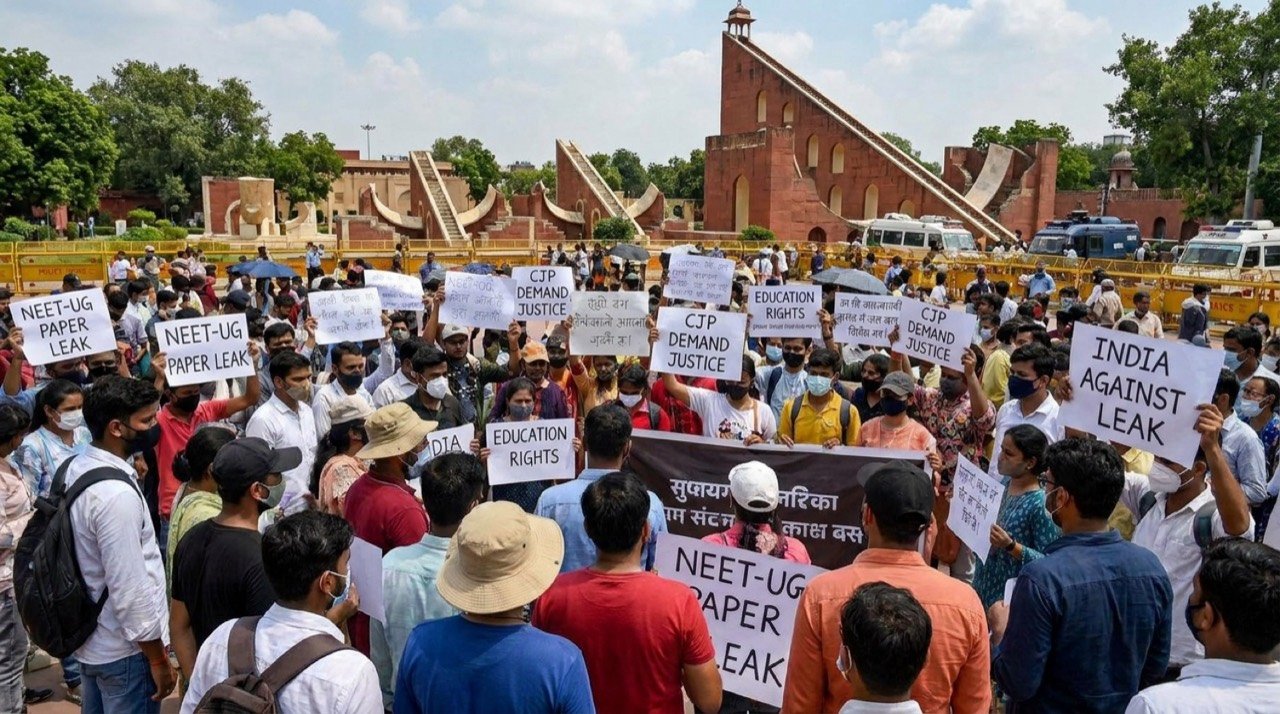
CJP's Diaper-Donation Protest at Jantar Mantar Keeps NEET Paper-Leak Issue in Focus
The Cockroach Janta Party launched a diaper-donation drive at Delhi's Jantar Mantar, using symbolic protest to press its demand for accountability over alleged NEET-UG paper-leak failures.
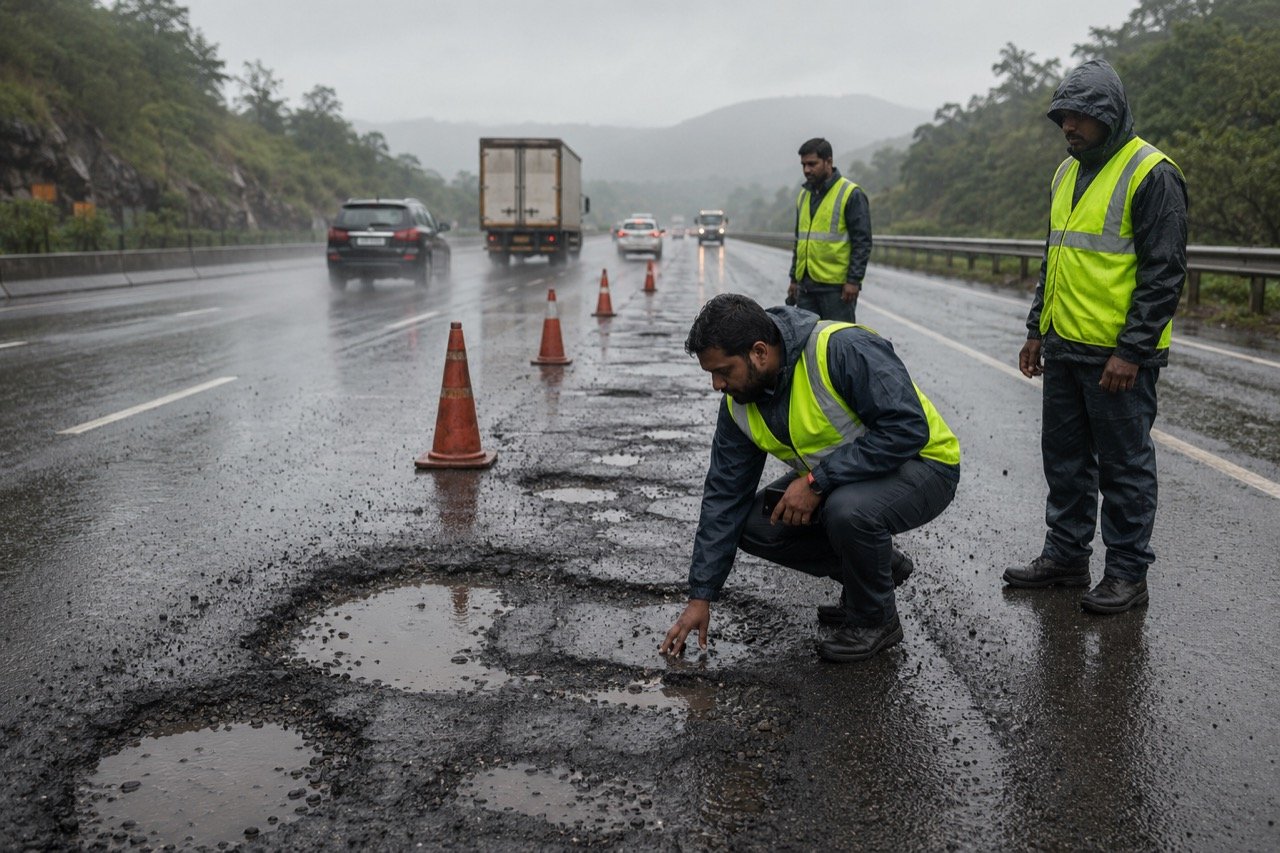
Expressway Pothole Row Puts Maharashtra Road Upkeep in Spotlight
Chief Minister Devendra Fadnavis' reported claim that the Pune-Mumbai Expressway has only two potholes has escalated a monsoon maintenance complaint into a statewide debate over highway accountability.
More from this section
More
Ahmedabad Bullet Train Station Gets Kite-Inspired Multimodal Hub Plan
Ahmedabad's bullet train station is set to be developed as a multimodal transport hub with a kite-inspired design, giving India's high-speed rail project a distinctive urban landmark rooted in local identity.
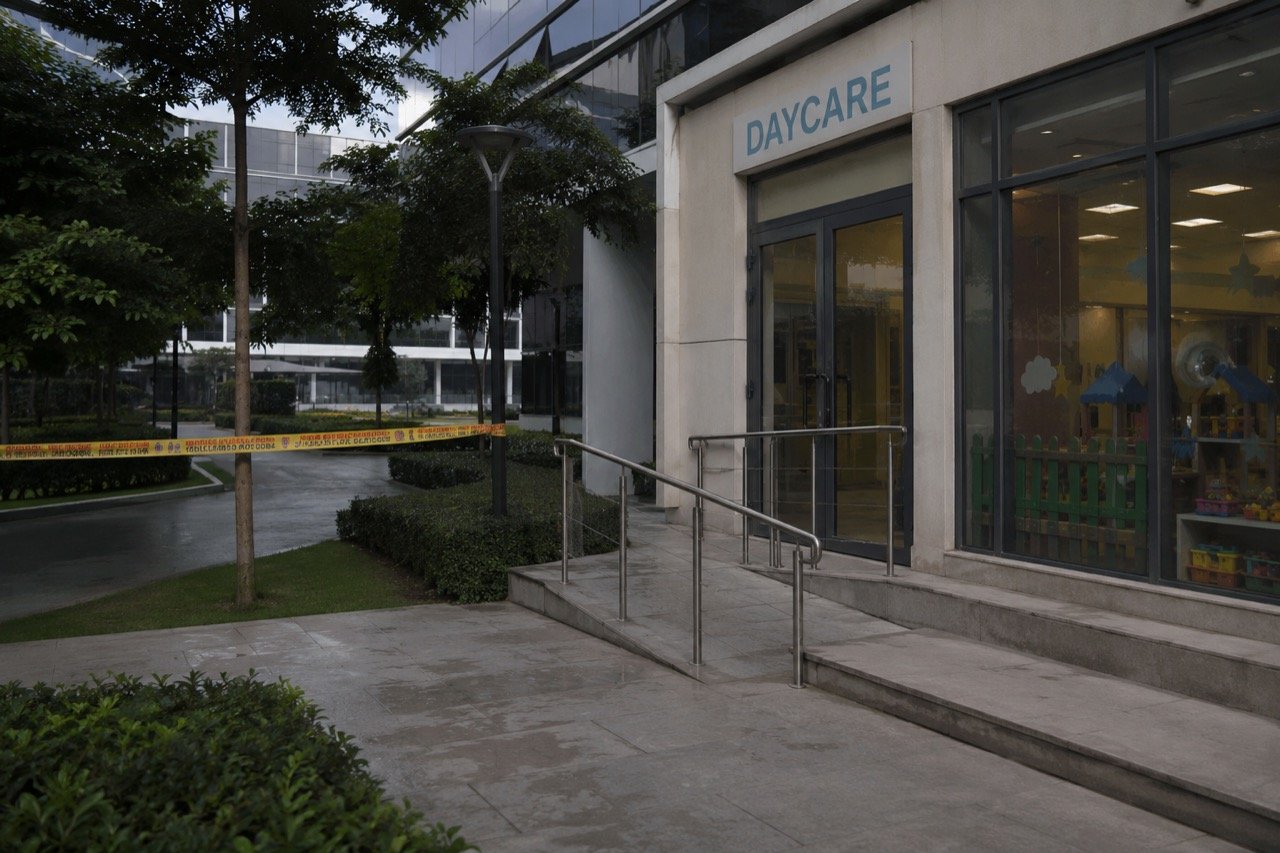
Arrest in Bengaluru Daycare Case Deepens Child Safety Questions
Bengaluru police have arrested a woman connected to the daycare case at a Capgemini campus facility, sharpening scrutiny of caregiver vetting, oversight and accountability at workplace-linked childcare centres.
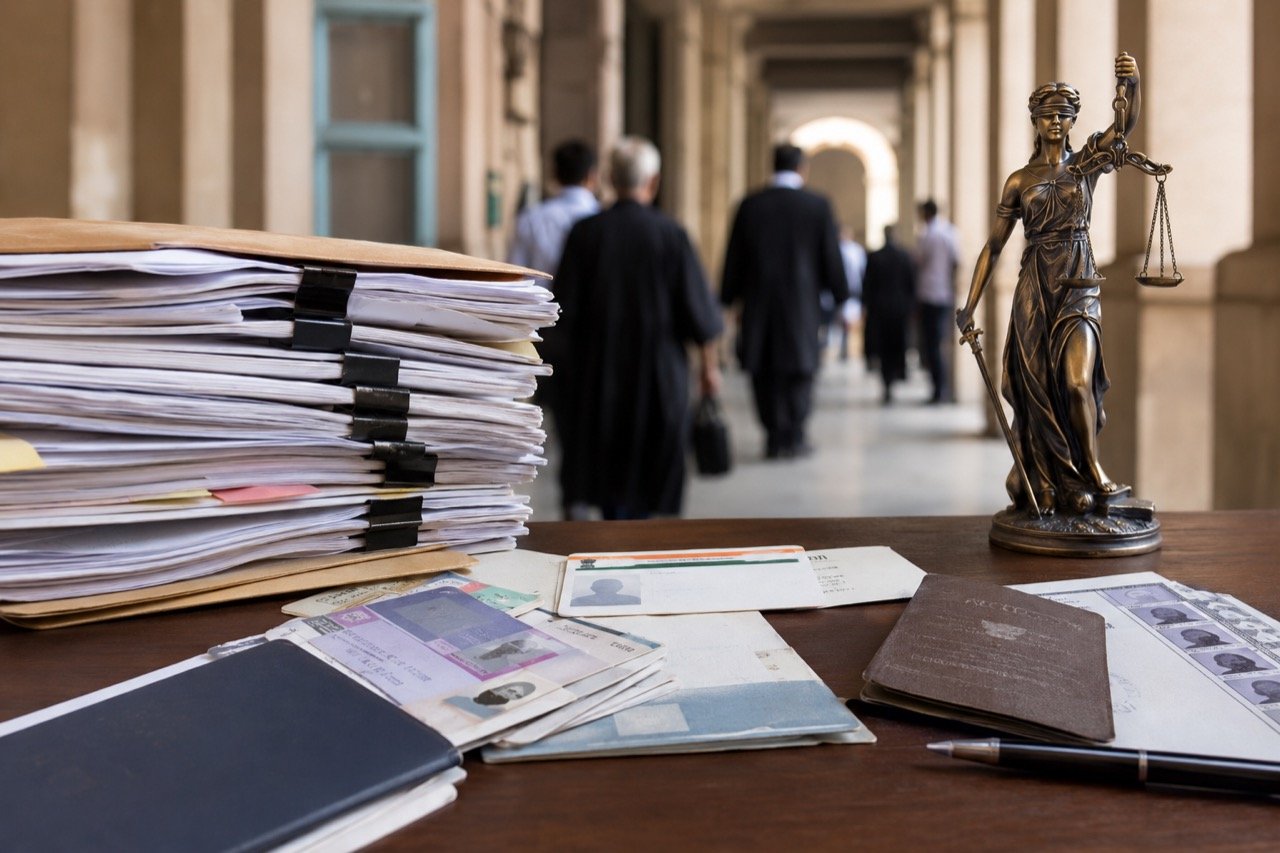
Assam Case Shows PAN and Voter Cards Are Not Citizenship Proof
A man declared a foreigner in Assam despite holding multiple identity documents has highlighted a crucial legal distinction: everyday IDs establish identity, not citizenship, when a person's legal status is challenged.