Maersk Orders 1,000 India-Made Containers From DCM Shriram
Maersk has unveiled its first India-made EXIM shipping container and placed an order for 1,000 more with DCM Shriram, a commercial vote of confidence in India's push to manufacture the hardware of global trade.
The NE Times Business Desk
Commentary & Analysis ·
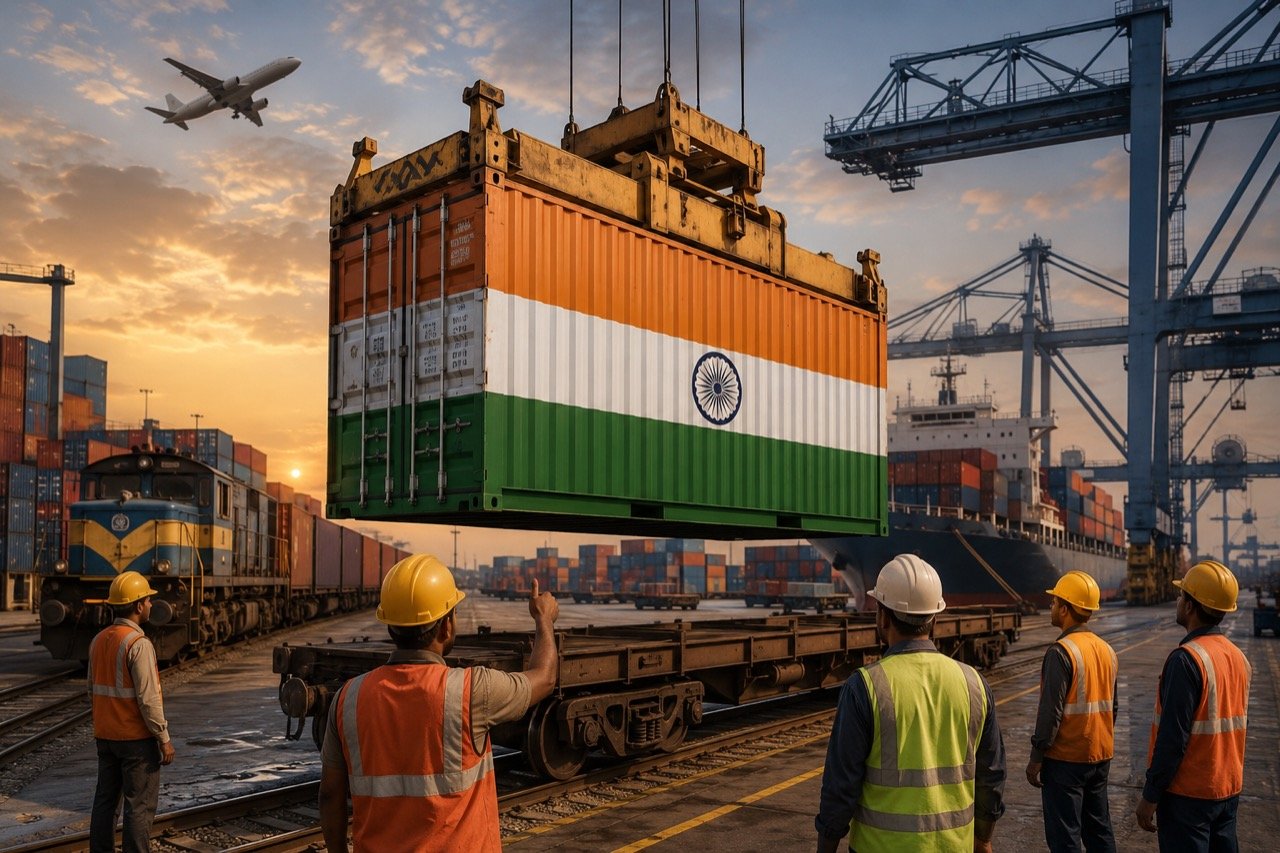
Global shipping giant Maersk has unveiled its first India-made EXIM shipping container and ordered 1,000 more from DCM Shriram, ET Supply Chain reported. The milestone, marked at Dadri, is being showcased as proof that India can build the physical infrastructure that carries global trade.
From prototype to commercial order
According to the report, the container cleared international structural and safety standards after prototype testing. That technical validation matters, but the bigger signal is commercial: a global carrier has moved beyond a trial to a firm order of 1,000 units, suggesting confidence that goes well past symbolism.
Why containers are strategic
Shipping containers are basic steel boxes, yet they sit at the heart of export-import logistics. Domestic manufacturing can reduce India's dependence on overseas supply — a market long dominated by China — improve container availability for exporters, and reinforce the country's wider manufacturing ambitions.
The development also connects to policy. Production-linked support and domestic capacity building can make container manufacturing commercially viable at scale. If the ecosystem grows, ports, rail freight operators, exporters and logistics firms all stand to benefit from cheaper, more reliable equipment.
The NE Times View
A single container is a small object with a large message. For years, India's logistics sector has run on boxes built elsewhere, leaving exporters exposed to global container shortages like the one seen during the pandemic. Maersk's order gives Indian manufacturing something subsidies alone cannot: a demanding global customer whose standards force quality up. The task now is scale — one order of 1,000 units must become an industry, not a headline. If DCM Shriram delivers on cost and consistency, others will follow, and India will own a little more of the plumbing of its own trade.
This article is original commentary and analysis by The NE Times. Background facts were referenced from ET Supply Chain.
You may also like to read
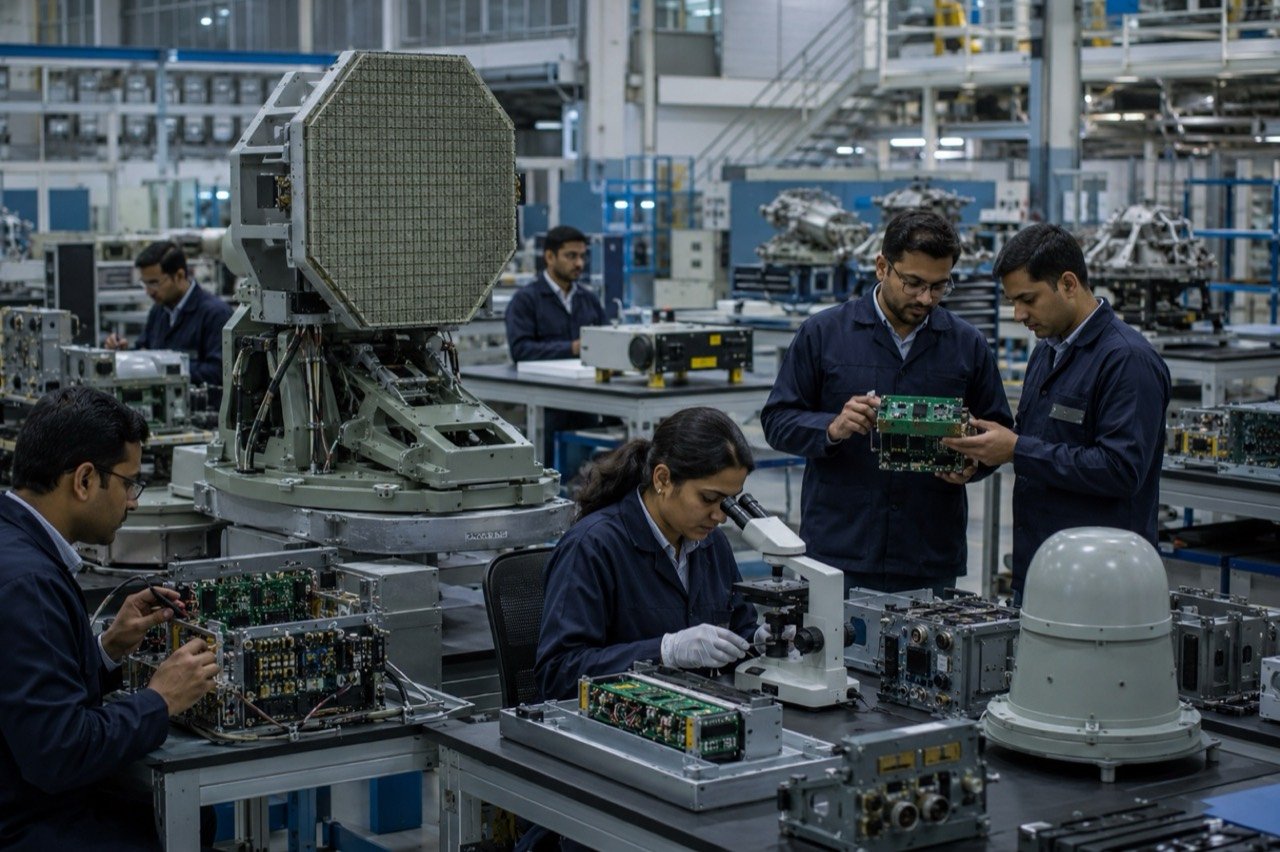
BEL Secures Rs 1,081 Crore in Fresh Defence Electronics Orders
Navratna PSU Bharat Electronics has booked Rs 1,081 crore in new orders since May, spanning radars, communication gear, CBRN protection and avionics, keeping its shares and order book firmly in focus.
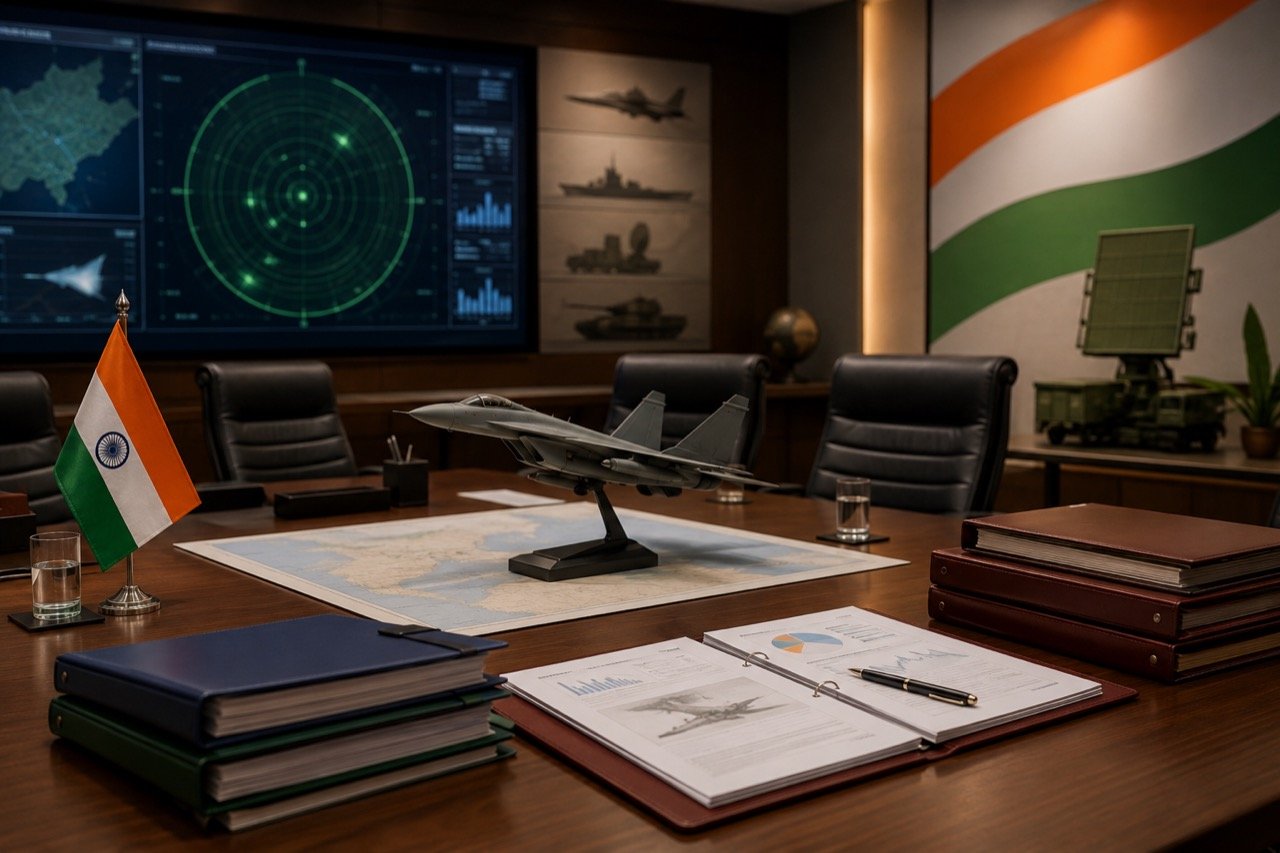
DAC Clears Rs 52,000 Crore Push for India's Defence Modernisation
The Defence Acquisition Council has approved procurement proposals worth over Rs 52,000 crore, signalling sustained investment in aircraft, radar and capability upgrades across India's armed forces.
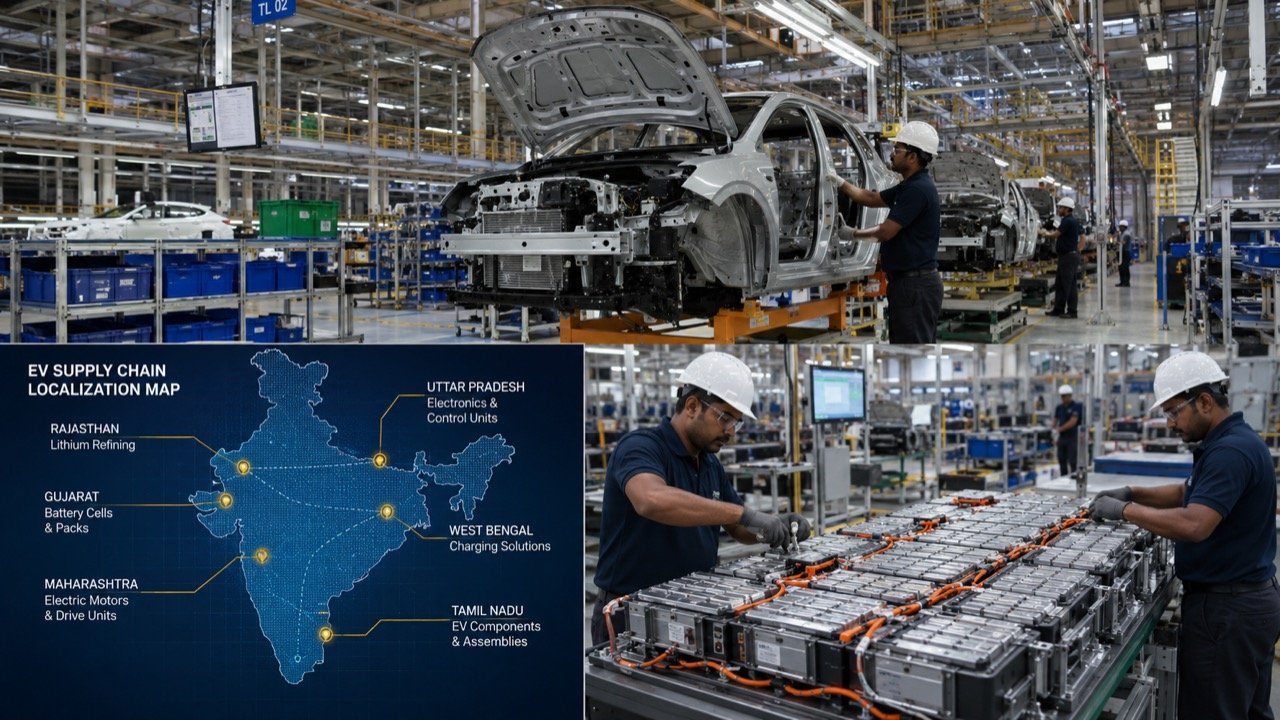
JSW MG Motor Targets 50% EV Parts Localisation in India
JSW MG Motor India's plan to source at least half of its electric-vehicle components domestically has turned a spotlight on the readiness of India's EV supply chain, from batteries to power electronics.

Sanand Semiconductor Plant: What CG Semi's Launch Means for India
Commercial production at CG Semi's chip assembly and test facility in Sanand, marked by remarks from Prime Minister Modi, has renewed focus on how far India's semiconductor manufacturing push has actually come.
More from this section
More
Adani Case: US DOJ Pushes for Permanent Dismissal of Charges
The US Department of Justice has urged a judge to permanently dismiss charges against Gautam Adani, calling the case legally flawed — a reversal with consequences for markets, diplomacy and cross-border enforcement.

Akasa Air Inducts 40th Aircraft in Indian Aviation Scale-Up
Akasa Air's 40th aircraft, ferried to Bengaluru via Seattle, Reykjavik and Cairo, marks a fleet milestone for the young carrier and a fresh signal that India's aviation market remains firmly in expansion mode.
BARC Ratings Suspension Leaves Indian TV Industry Flying Blind
BARC's pause on television ratings has put India's broadcast measurement system under fresh scrutiny, leaving broadcasters, advertisers and media planners without the weekly audience data that anchors the TV economy.