Kriti Sanon's Set Remarks Put Bollywood Gender Equity Back in Focus
Kriti Sanon's comments about female actors being taken for granted on film sets have revived a long-running conversation about pay parity, respect and decision-making power in mainstream Hindi cinema.
The NE Times Entertainment Desk
Commentary & Analysis ·
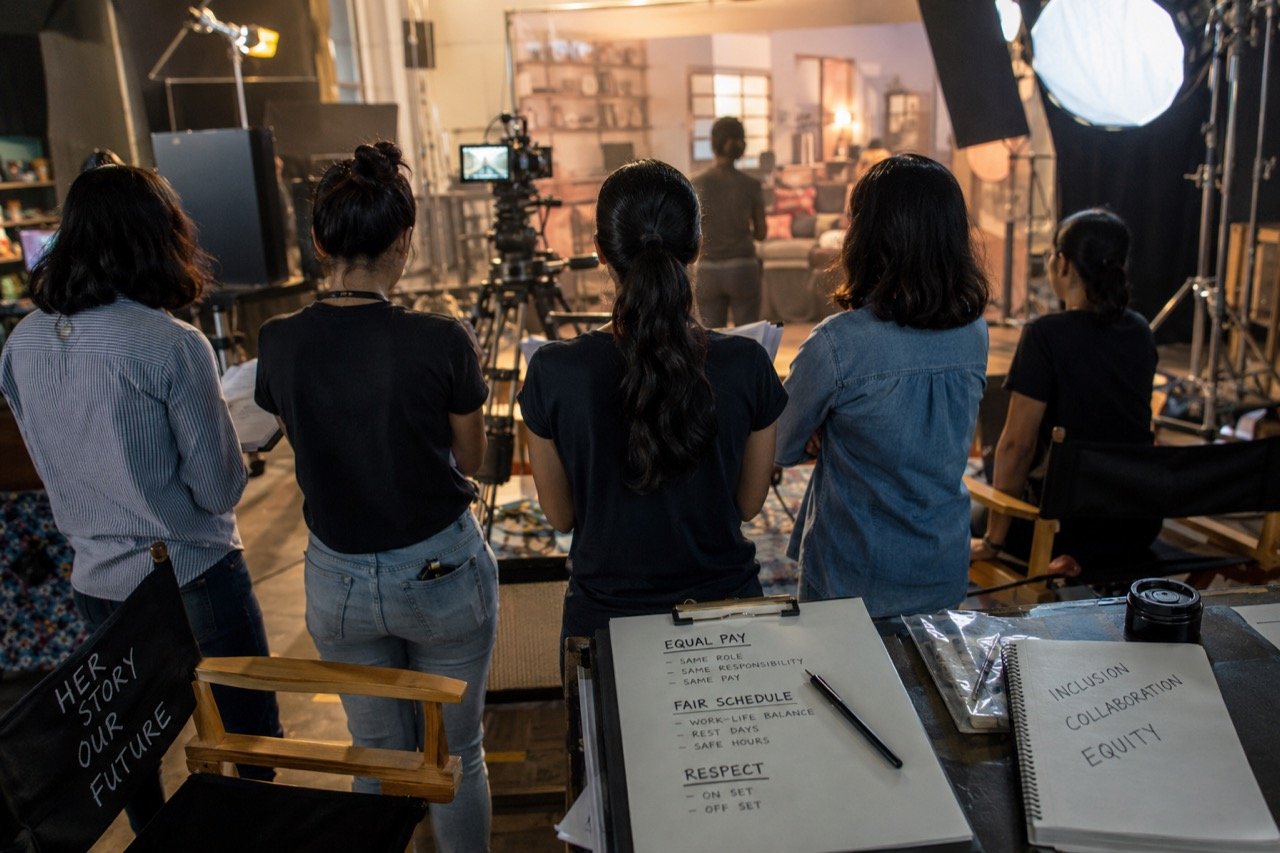
Kriti Sanon has reopened one of Bollywood's most persistent debates. Her remarks about discrimination and female actors being taken for granted on film sets, reported by Hindustan Times, struck an immediate chord — a sign of how strongly audiences now connect entertainment headlines with questions of workplace fairness.
A debate bigger than one actor
The issue extends well beyond a single star's experience. For years, Hindi cinema has wrestled with pay parity, the depth of roles written for women, call-sheet treatment, on-set safety, vanity resources, marketing credit and access to decision-making power. When a leading actor speaks about unequal treatment, it gives that slow-burning conversation a fresh, current hook.
It would be wrong to claim every production behaves the same way. The fairer reading is that Sanon's comments echo concerns many women in cinema have voiced in different forms over the past decade, from pay negotiations to how female-led projects are marketed and credited.
Visible progress, slower culture
The industry has changed in visible ways. Women-led films now open big, female producers command real slates, and actresses negotiate from stronger positions than a generation ago. But everyday set culture — who waits for whom, whose time is protected, whose input shapes the final cut — often changes more slowly than casting announcements suggest.
The NE Times View
In our assessment, the real test of remarks like Sanon's is what follows them. Bollywood has become fluent in the language of equity while its contracts, credit conventions and complaint systems lag behind the rhetoric. Concrete change would look like standardised pay disclosure, clearer credit norms and more women in greenlighting roles — not just more women on posters. For Indian audiences, who increasingly read film industry behaviour as a mirror of their own workplaces, this matters beyond cinema. Representation on screen and respect at work are linked, but they are not the same thing, and the industry should stop treating the first as proof of the second.
This article is original commentary and analysis by The NE Times. Background facts were referenced from Hindustan Times Bollywood.
You may also like to read
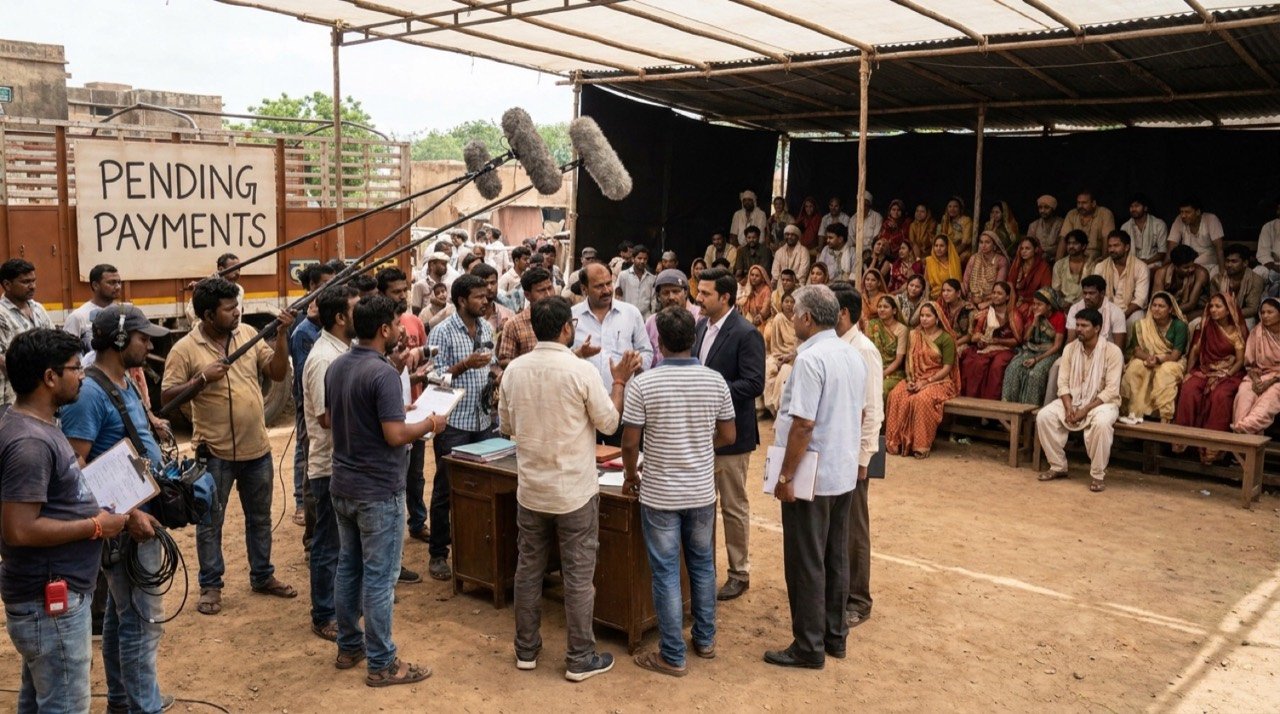
Bollywood's Pay Hierarchy: New Account Renews Focus on Delayed Wages for Crew and Junior Artistes
A fresh interview about Bollywood's on-set hierarchy has reignited debate over unequal facilities, separate food categories and payment cycles that can stretch to months for smaller workers.

'Cocktail 2' Sets June 19 Release As Trailer Splits Opinion
Homi Adajania's follow-up to the 2012 hit pairs Shahid Kapoor with Kriti Sanon and Rashmika Mandanna, and its trailer has divided viewers ahead of release.
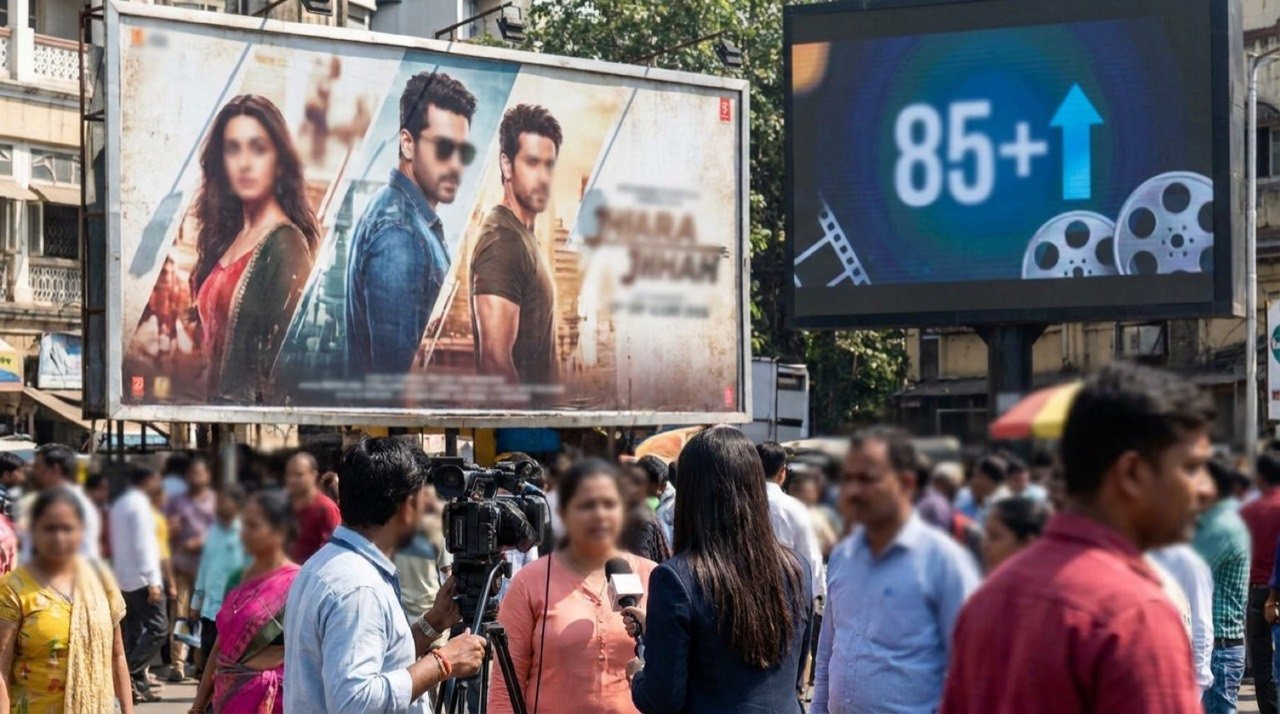
Cocktail 2 Crosses Rs 85 Crore Worldwide After First Monday Drop
The Shahid Kapoor, Kriti Sanon and Rashmika Mandanna starrer crossed about Rs 85 crore worldwide after its first Monday, with weekday stability now the decisive test of its run.

Cocktail 2 Nears Rs 100 Crore Worldwide as Day 4 Holds After Monday Dip
Cocktail 2, starring Shahid Kapoor, Kriti Sanon and Rashmika Mandanna, crossed about Rs 85 crore worldwide in four days and is closing on the Rs 100 crore mark despite a routine Monday slowdown.
More from this section
More
Aamir Khan's quiet July 5 wedding becomes Bollywood's big story
Reports that Aamir Khan has confirmed an intimate July 5 ceremony with Gauri Spratt have captivated Bollywood watchers precisely because the star is choosing privacy over spectacle.
Akshaye Khanna's Nod to Sunny Deol Stirs 90s Bollywood Nostalgia
A warm remark from Akshaye Khanna about Sunny Deol has revived affection for Bollywood's 1990s generation, showing how memory and mutual respect still power Hindi cinema's news cycle between big releases.
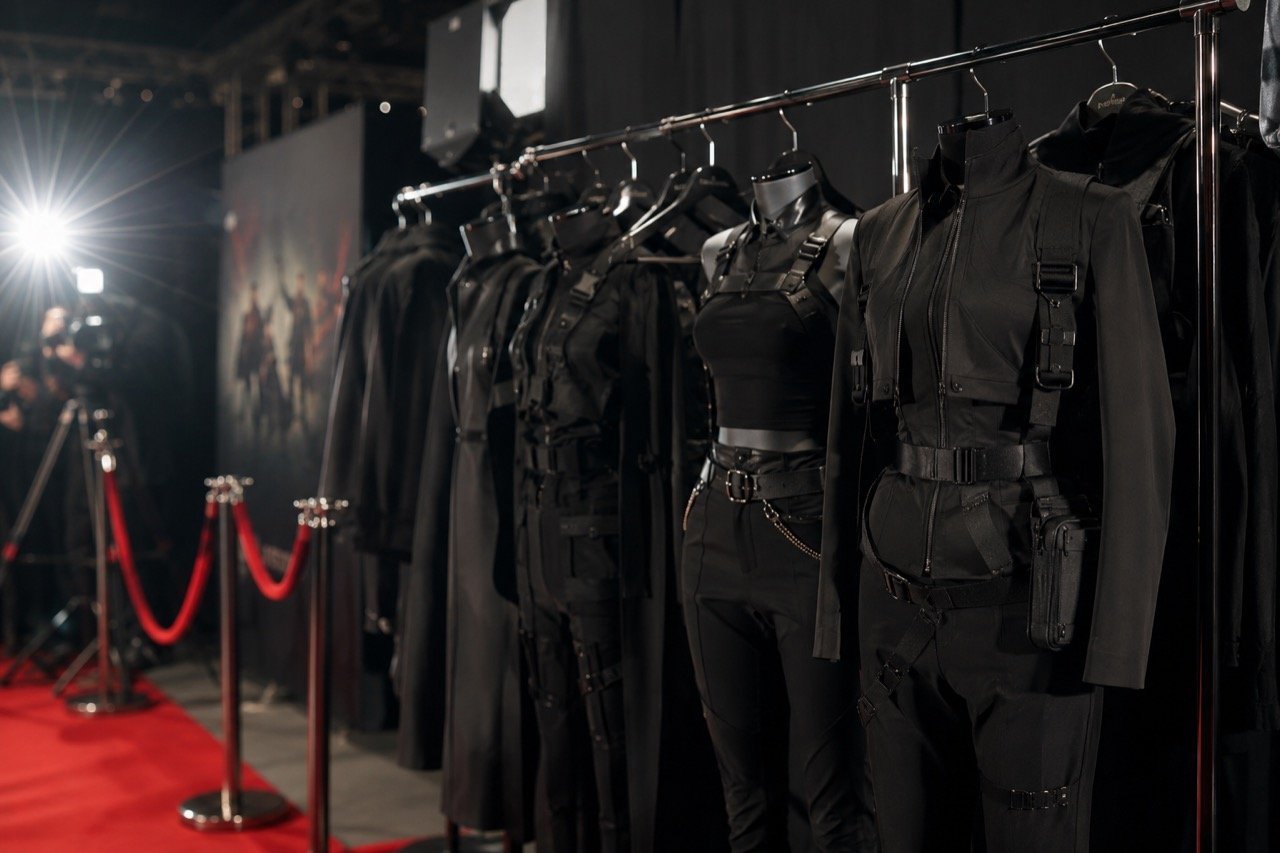
Alia Bhatt's Alpha Wardrobe Makes Spy-Film Promotion a Style Story
From asymmetrical silhouettes to commando-inspired outfits, Alia Bhatt's promotional fashion for Alpha is doing narrative work — signalling toughness and control for Bollywood's female-led action entry.