Kajal Aggarwal Joins Deepika in Push for Eight-Hour Film Shifts
Kajal Aggarwal has backed Deepika Padukone's demand for eight-hour shooting shifts, revealing similar clauses in her own contracts and reigniting the debate over working conditions across Indian film sets.
The NE Times Entertainment Desk
Commentary & Analysis ·

Kajal Aggarwal has given the Indian film industry's labour conversation a fresh public moment. According to Indian Express, the actor voiced support for Deepika Padukone's reported demand for eight-hour shooting shifts and disclosed that her own contracts carry similar clauses.
The intervention matters because it shifts the debate beyond celebrity preference into harder questions of work-life balance, safety and professional boundaries on film sets — territory the industry has historically been reluctant to formalise.
A culture of endless shooting days
Indian film production has long run on marathon schedules, shifting call times and punishing shoots. That culture weighs heaviest on performers juggling family responsibilities, health concerns or physically demanding roles. When established stars speak openly about contractual limits, the issue becomes harder to dismiss as individual inconvenience.
Producers may worry about budgets and delays, but the counter-argument is gaining ground: disciplined schedules reduce exhaustion, sharpen planning and make sets more professional. The question is whether star power can normalise humane hours as an industry standard rather than a personal perk.
Crucially, the debate extends far past actors. Crew members, technicians, dancers and assistants routinely endure the longest and least visible working days. A star-led conversation earns its keep only if it widens attention to everyone on set.
The NE Times View
This is one celebrity story that deserves to outlast the news cycle. India's entertainment industry is becoming more formal, platform-driven and globally scrutinised, yet its working conditions still belong to an older, more feudal era. Stars like Kajal Aggarwal and Deepika Padukone negotiating eight-hour clauses is a start, but real change arrives only when the spot boy and the junior technician get the same protection without needing bargaining power. If India wants its film business treated as a modern global industry, predictable working hours are not a luxury demand — they are the baseline of professionalism.
This article is original commentary and analysis by The NE Times. Background facts were referenced from Indian Express.
You may also like to read

Kajal Aggarwal Confirms Only Ramayana Part One Is Filmed So Far
Kajal Aggarwal's production update on the big-budget Ramayana project confirms that only Part One has been shot, giving audiences a rare firm fact amid constant speculation about India's most ambitious multi-part film.

'Raaka': Allu Arjun, Deepika Padukone and Atlee Unite for a Creature-Driven Fantasy Spectacle
Director Atlee's reunion with Deepika Padukone, this time alongside Allu Arjun, has been formally titled 'Raaka', with a dark, creature-inspired poster and a reported 100-day shoot signalling one of Indian cinema's most ambitious upcoming productions.
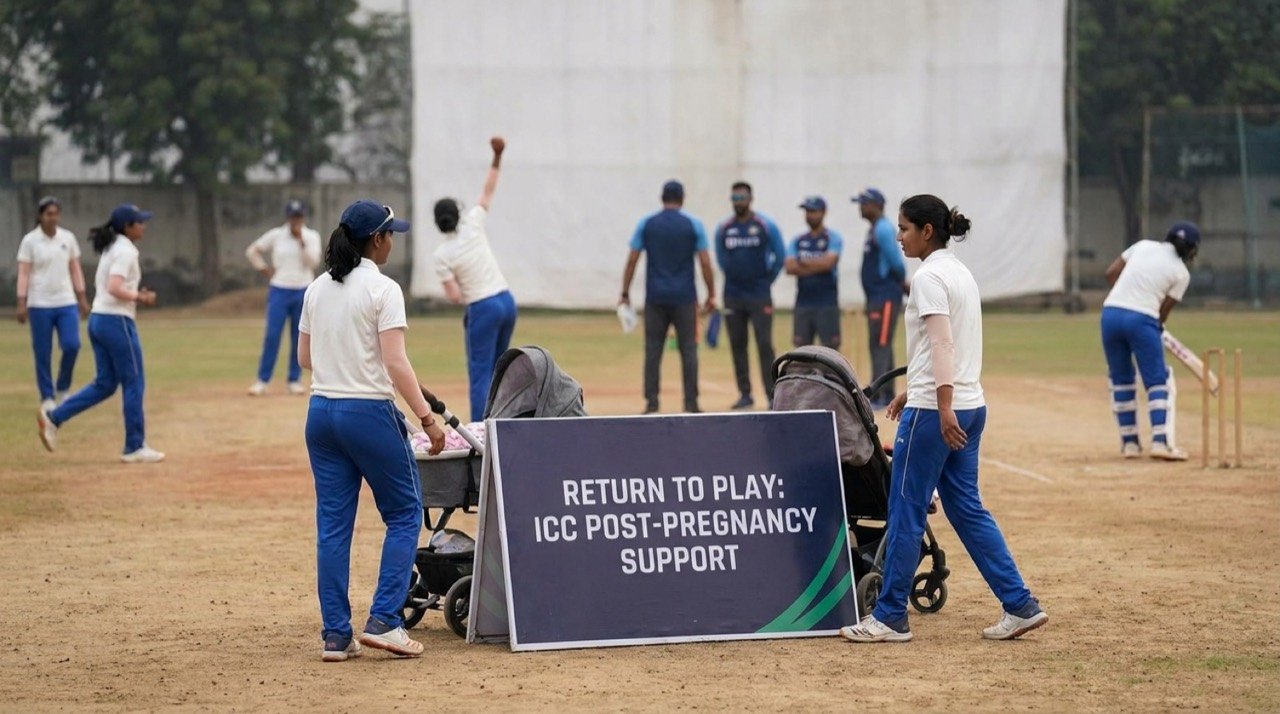
Deepika Padukone Backs ICC Maternity Return Policy for Women Cricketers
Actor Deepika Padukone has welcomed the ICC's new post-pregnancy return-to-play guidelines, calling them a landmark step for women in sport that pairs motherhood with elite competitive careers.
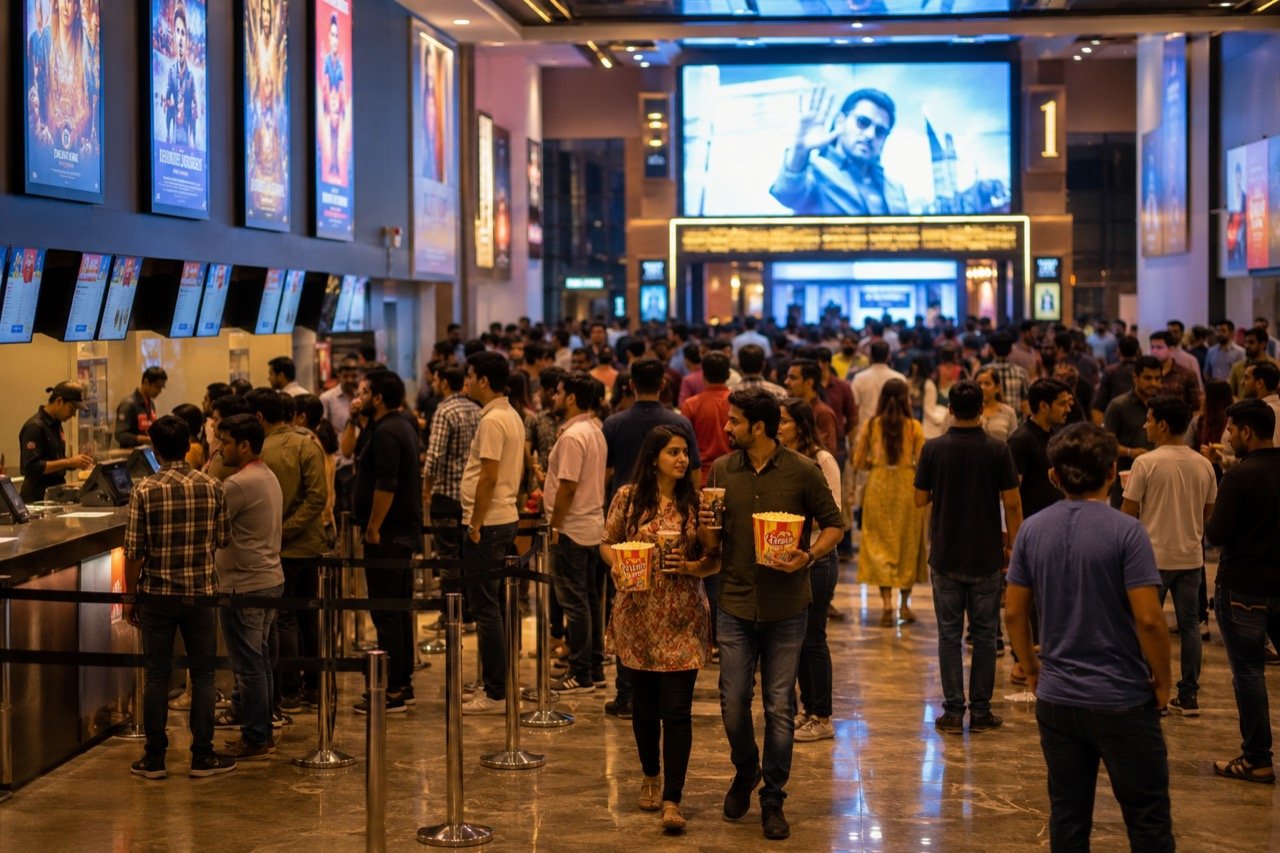
Bollywood's Box Office Bounce: First Half of 2026 Points to Recovery
A first-half review of Hindi cinema's 2026 box office shows record-breaking hits lifting industry confidence, though analysts caution that lasting recovery will depend on consistency beyond a handful of blockbusters.
More from this section
More
Aamir Khan's quiet July 5 wedding becomes Bollywood's big story
Reports that Aamir Khan has confirmed an intimate July 5 ceremony with Gauri Spratt have captivated Bollywood watchers precisely because the star is choosing privacy over spectacle.
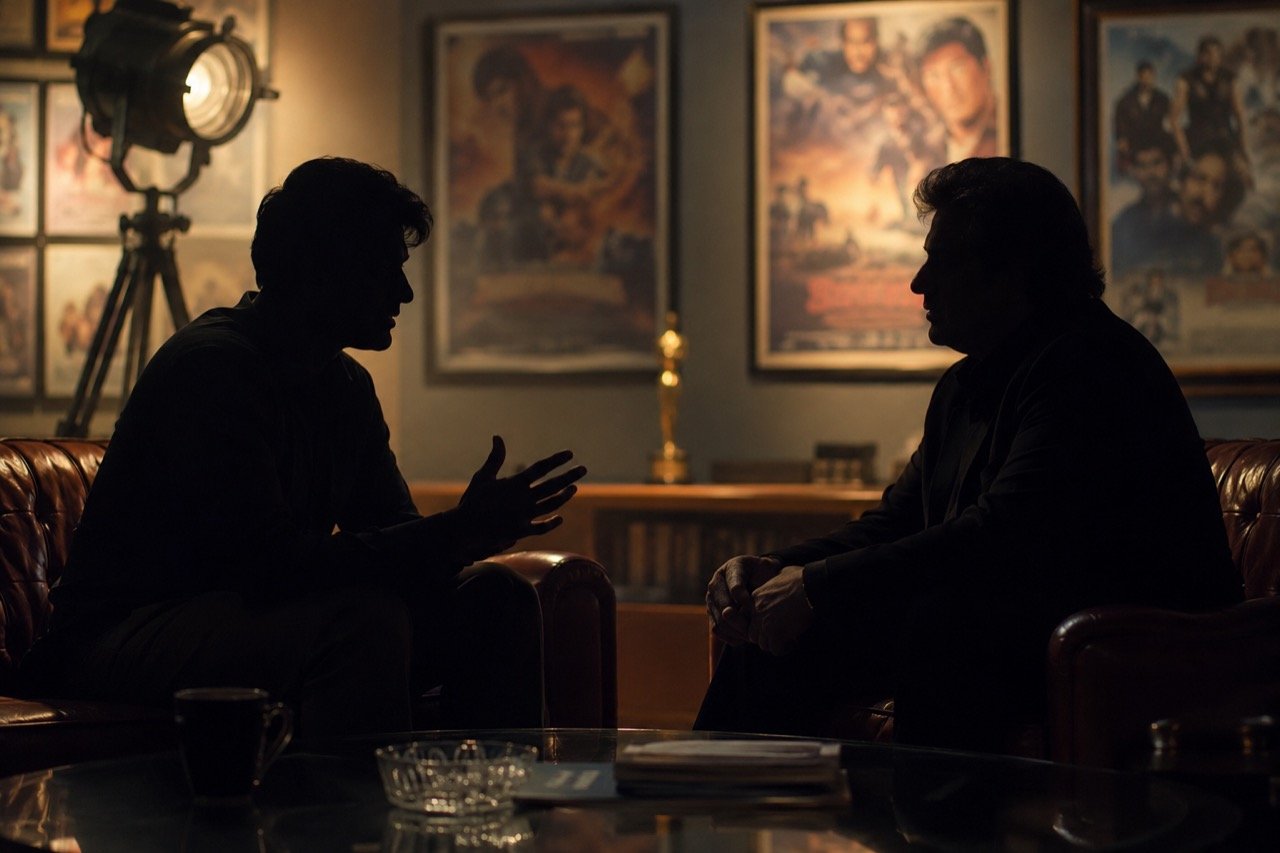
Akshaye Khanna's Nod to Sunny Deol Stirs 90s Bollywood Nostalgia
A warm remark from Akshaye Khanna about Sunny Deol has revived affection for Bollywood's 1990s generation, showing how memory and mutual respect still power Hindi cinema's news cycle between big releases.
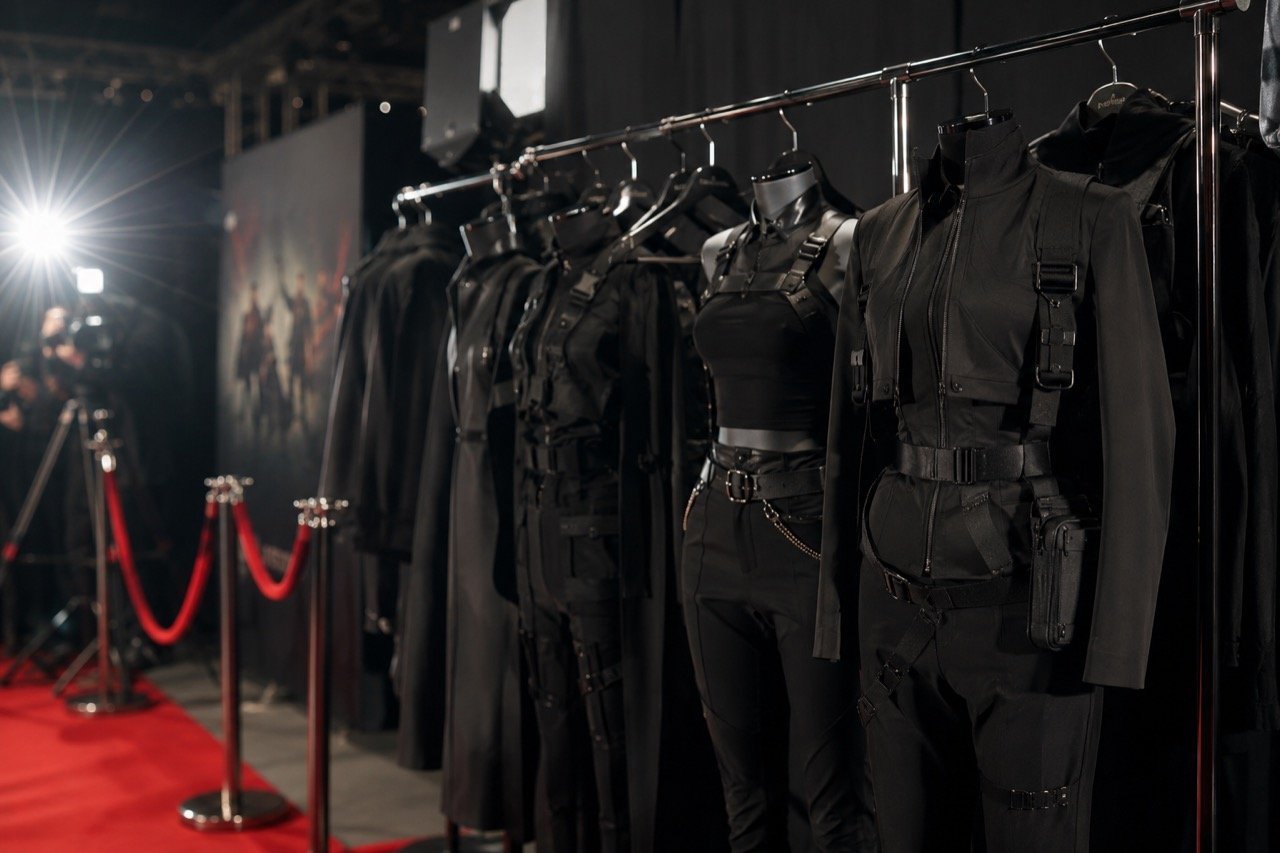
Alia Bhatt's Alpha Wardrobe Makes Spy-Film Promotion a Style Story
From asymmetrical silhouettes to commando-inspired outfits, Alia Bhatt's promotional fashion for Alpha is doing narrative work — signalling toughness and control for Bollywood's female-led action entry.