Jaishankar's Six-Nation Tour Kicks Off India's UNSC Seat Campaign
External Affairs Minister S. Jaishankar's July 5-15 tour of Qatar, Bahrain, Kuwait, Oman, the United States and Belgium doubles as bilateral outreach and the opening move of India's UN Security Council campaign.
The NE Times Politics Desk
Commentary & Analysis ·
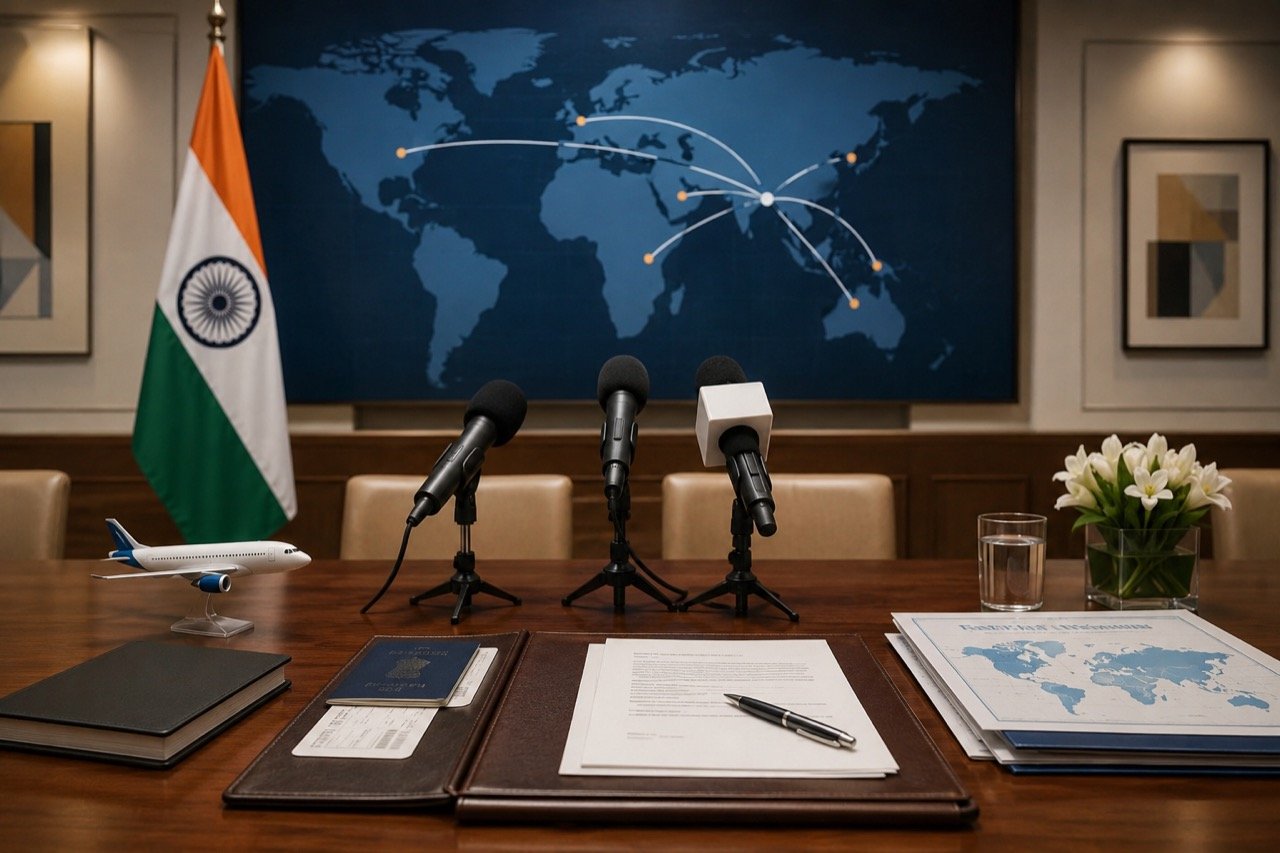
India's foreign policy calendar enters a busy stretch as External Affairs Minister S. Jaishankar begins a six-country tour covering Qatar, Bahrain, Kuwait, Oman, the United States and Belgium. The July 5-15 visit is expected to strengthen bilateral ties and formally launch India's campaign for a United Nations Security Council seat, the Times of India reported.
The itinerary is carefully constructed. The four Gulf stops touch countries vital to India's energy supplies, trade, remittances and the welfare of millions of Indian workers. The United States remains a key technology, defence and diaspora partner, while Belgium adds a European Union dimension at a moment when trade, supply chains and global governance reform are live themes.
The UNSC bid as the larger frame
India has long argued that both permanent and elected representation on the Security Council should reflect contemporary global realities rather than the world of 1945. Running a credible campaign demands more than public messaging: it requires repeated diplomatic engagement, issue-based coalitions and confidence-building with states that can support or influence India's bid.
None of this will yield quick results — Security Council reform is a slow, contested process. But tours of this kind keep the question alive internationally while deepening practical cooperation on trade, technology, security and labour mobility along the way.
The NE Times View
The sequencing of this tour tells its own story: India is stitching its Gulf lifelines, its American partnership and its European engagement into a single argument for institutional weight. That is smart campaigning, because UNSC reform will be decided as much in capitals like Doha and Brussels as in New York. Yet India should be clear-eyed — veto-holding powers have little incentive to dilute their privilege, and the campaign could run for years. The wiser measure of success is the practical cooperation harvested along the route: energy security, worker welfare agreements and technology ties that strengthen India whether or not the Council ever expands.
This article is original commentary and analysis by The NE Times. Background facts were referenced from Times of India.
You may also like to read
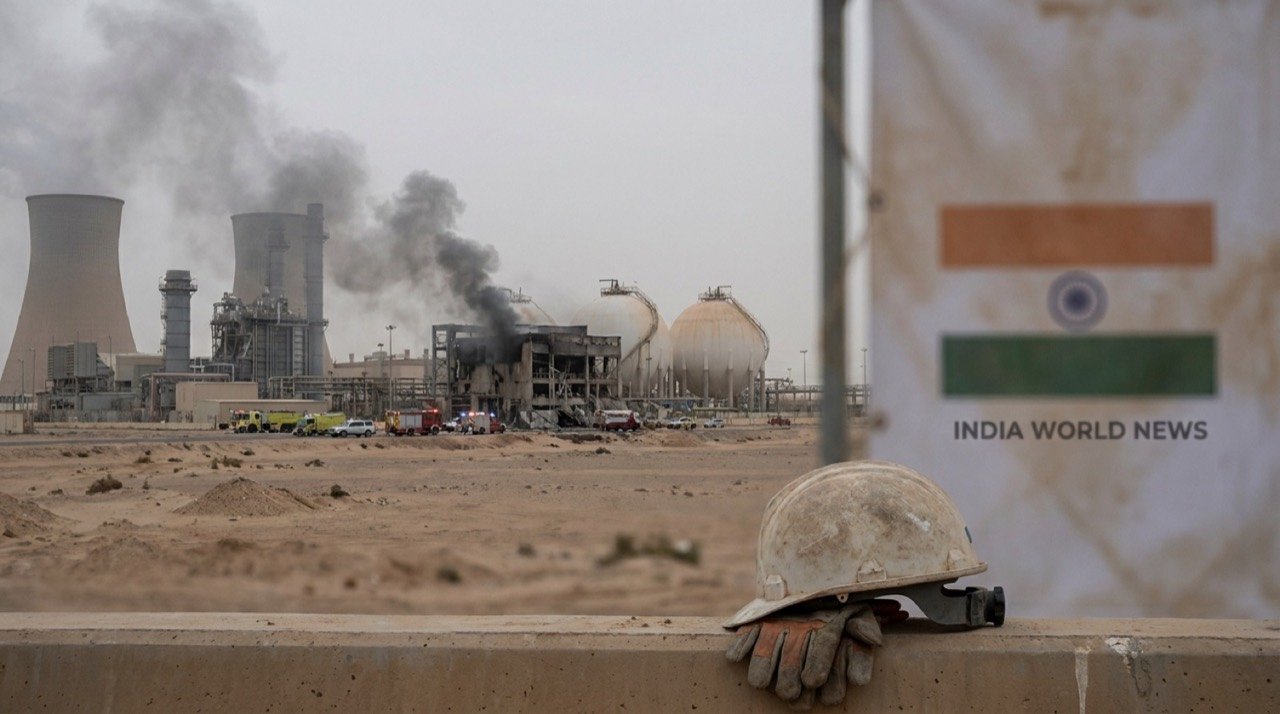
Qatar LNG Blast Kills 12 Indians; Embassy and Jaishankar Assure Support
An explosion at Qatar's Ras Laffan LNG complex has killed 13 people, including 12 Indian nationals, renewing scrutiny of the safety of India's vast Gulf migrant workforce.
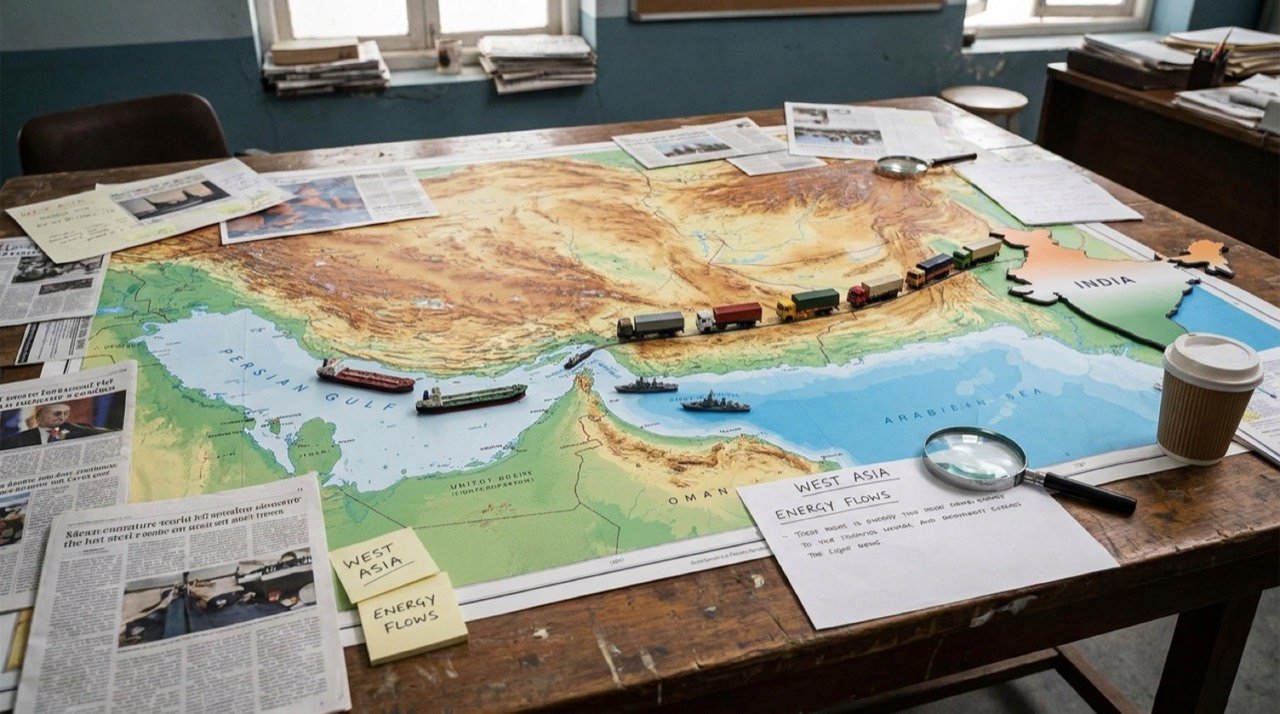
Doval Welcomes US-Iran Understanding at BRICS Security Meet, Citing Hormuz Calm
National Security Adviser Ajit Doval has welcomed a reported US-Iran understanding that eased fears around the Strait of Hormuz, framing India's stake in energy security, shipping and citizen safety in West Asia.

Modi Likely to Tour Indonesia, Australia and New Zealand in July
Prime Minister Narendra Modi is reported to be planning a three-nation Indo-Pacific tour from 6 to 11 July, spanning Indonesia, Australia and New Zealand, though the itinerary is not yet official.
Tata Motors Lifts Prices From July, Doubles Down On EV And Hydrogen
Tata Motors will raise passenger vehicle prices by up to 1.5 percent from July 1 to offset input-cost pressure, even as chairman N. Chandrasekaran reaffirms heavy investment in electric and hydrogen mobility.
More from this section
More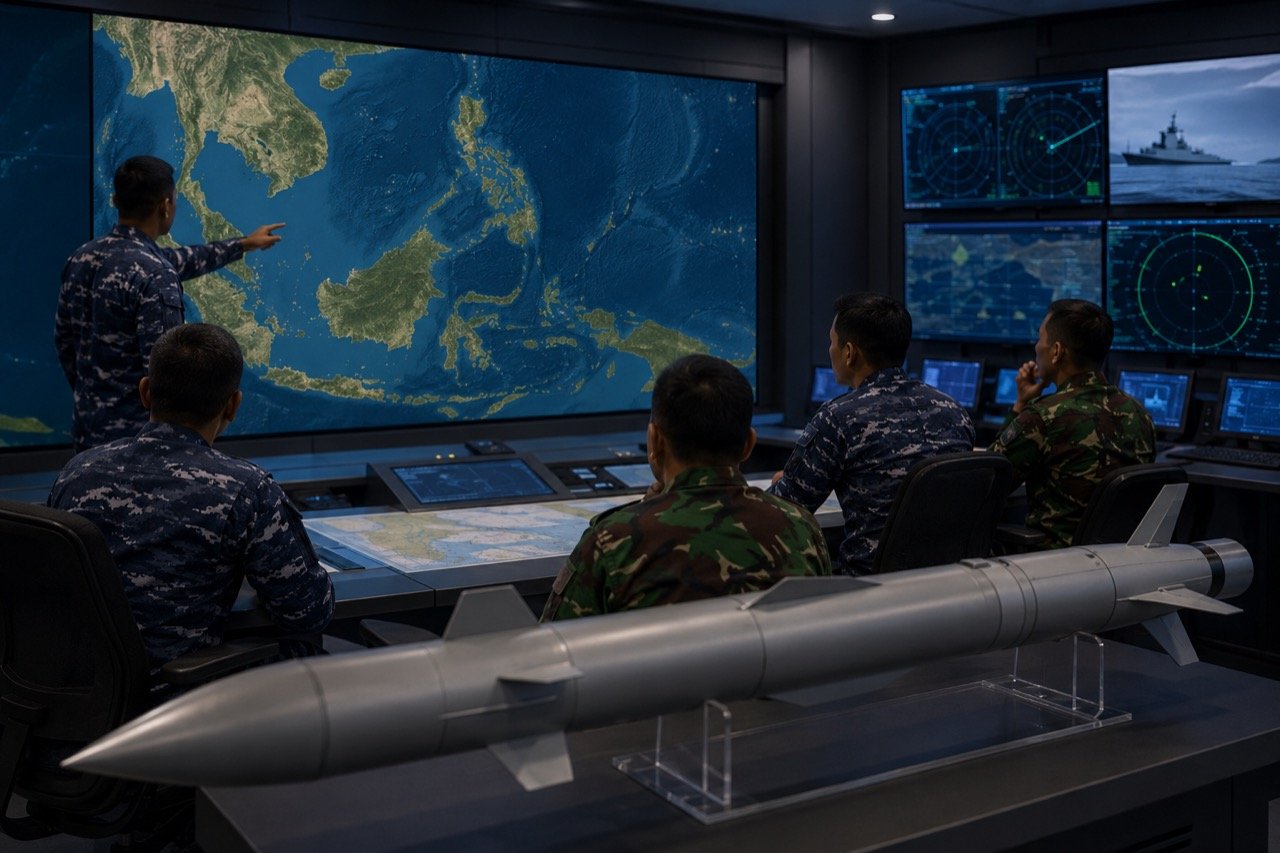
BrahMos Talks With Indonesia Sharpen India's Defence Export Push
A possible BrahMos missile agreement with Jakarta, in focus ahead of Prime Minister Modi's Indonesia engagement, underlines India's ambition to become a serious defence exporter across Southeast Asia.
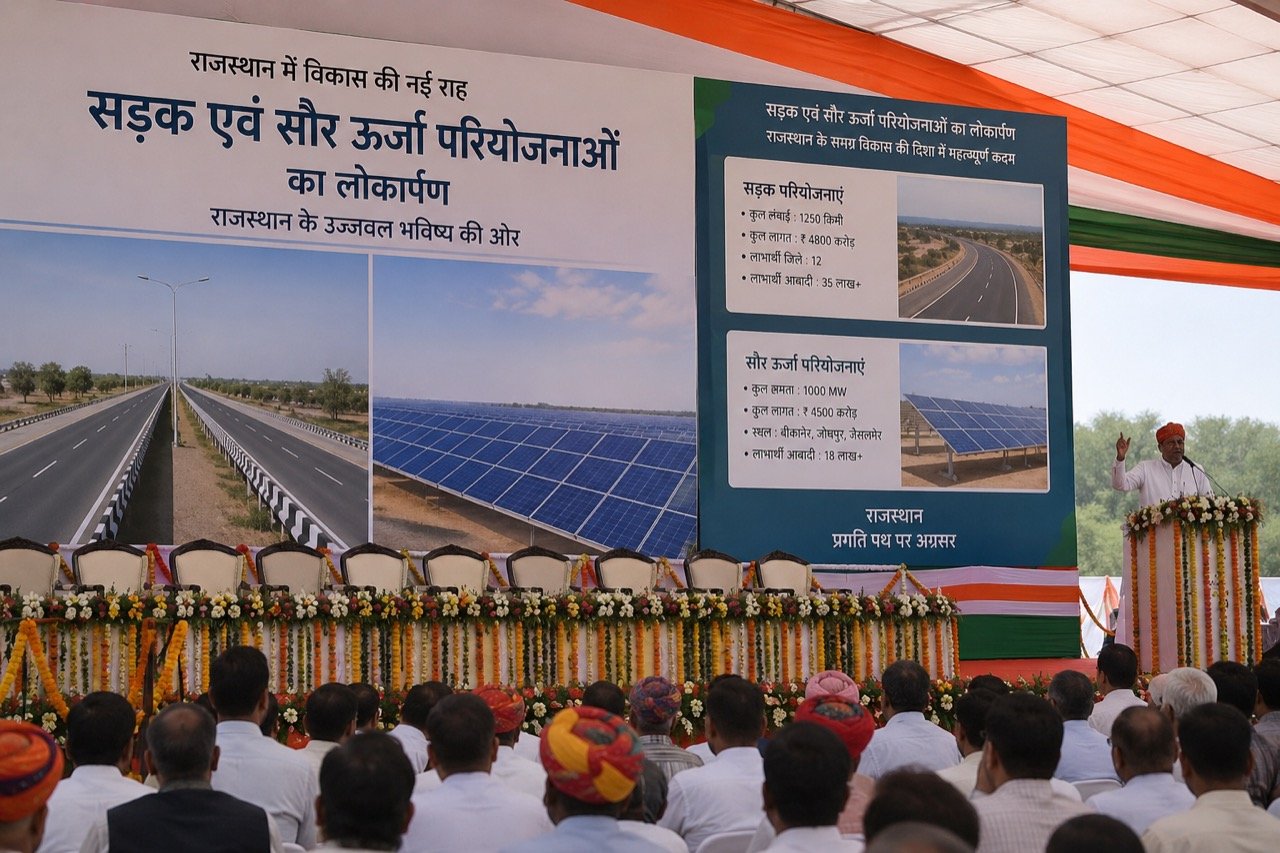
Modi's Balotra Push: Rs 1.06 Lakh Crore Projects and Energy Message
Prime Minister Narendra Modi's visit to Balotra in Rajasthan paired development projects worth around Rs 1.06 lakh crore with remarks crediting India's diplomacy for steering the country through West Asia-linked energy pressures.
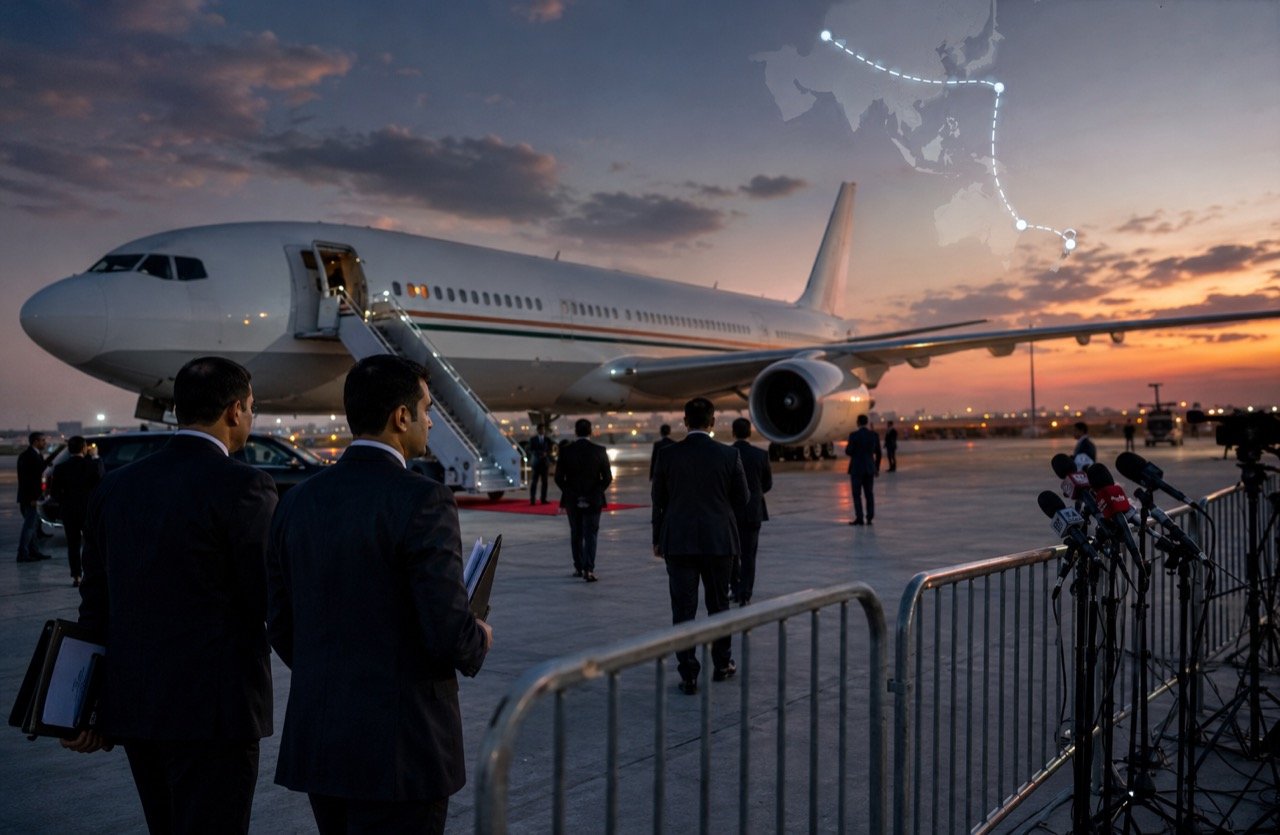
Modi's Indo-Pacific Swing: Three Nations, One Diaspora-Driven Strategy
Prime Minister Narendra Modi travels to Indonesia, Australia and New Zealand from July 6 to 11, weaving diaspora outreach, trade ambitions and Indo-Pacific strategy into a single six-day diplomatic push.