Indian Seafarer in Venezuela: Family Awaits Answers as Case Drags On
The case of an Indian seafarer reportedly still stranded in Venezuela is keeping the focus on maritime workers' vulnerability abroad, a family's anxious wait at home, and the consular machinery meant to help.
The NE Times National Desk
Commentary & Analysis ·
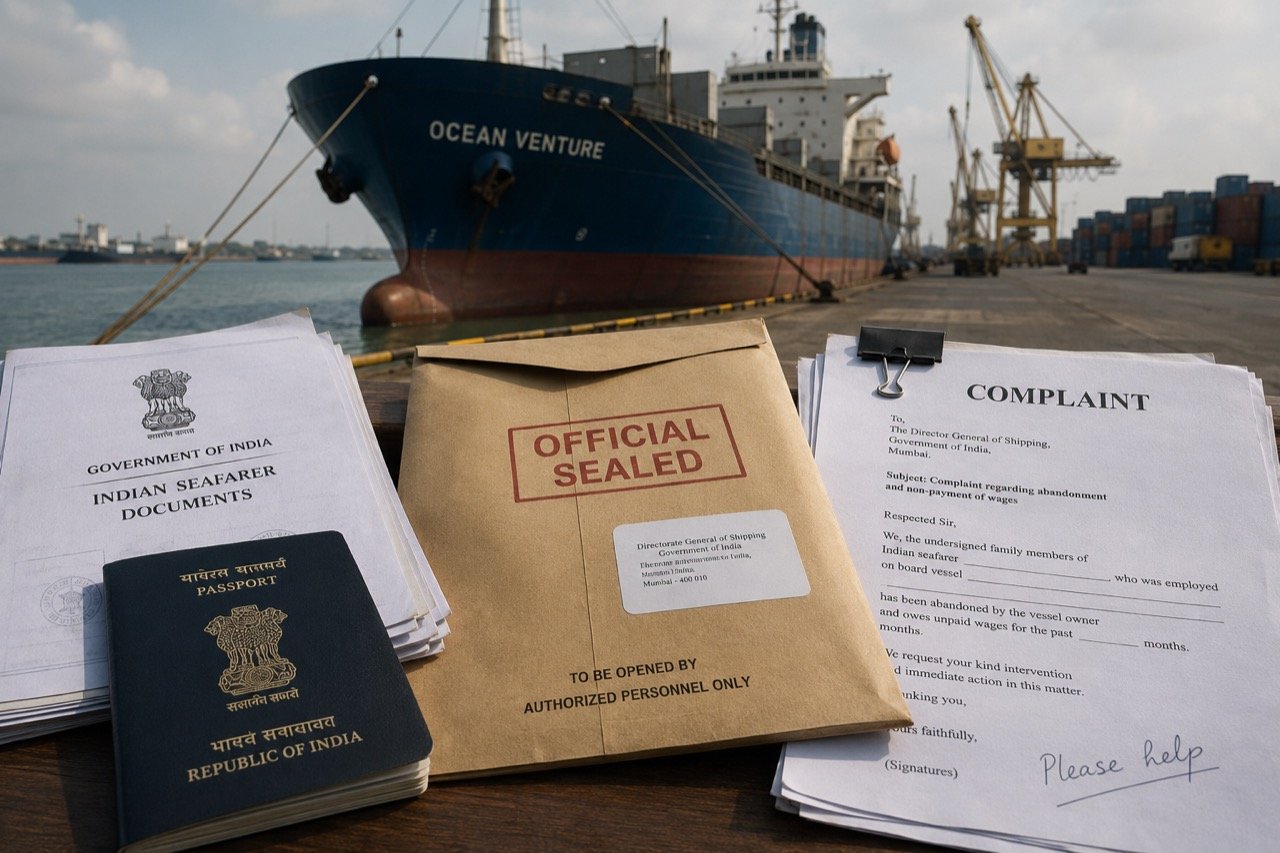
The reported case of an Indian seafarer who remains in Venezuela has become a quiet but persistent public-interest story, sitting at the intersection of migrant labour, maritime risk and consular responsibility. At its centre is a family in India appealing for verified information and a clear official response.
Why seafarers' cases turn urgent
Seafarers typically work far from public attention, on contracts that take them across multiple jurisdictions. When legal, immigration or employer disputes arise overseas, that distance becomes a serious handicap: families struggle to get timely updates, and the tangle of flag states, port states and employers can slow any resolution.
In this case, the supported facts are the family's concern and their appeal for clarity. Responsible coverage stops short of assigning blame or speculating about the seafarer's legal status until confirmed reporting or official statements provide those answers.
The consular channel
Indian missions abroad and maritime welfare channels are usually the decisive actors in such cases, helping families navigate paperwork, legal representation and communication with foreign authorities. The next meaningful development would be a consular statement, a release, a legal hearing or a response from the employer. Until then, the case remains a human and diplomatic watch item.
The NE Times View
India supplies one of the world's largest seafaring workforces, and every stranded sailor is a test of whether that contribution is matched by protection. Families should not have to run from office to office for basic information about a relative held up in a distant port. A predictable consular protocol — acknowledgement, regular updates and a named point of contact — would cost little and mean everything to households living through this uncertainty. New Delhi's handling of this case will be read by lakhs of seafaring families as a signal of how much their work at sea is valued at home.
This article is original commentary and analysis by The NE Times. Background facts were referenced from Indian Express, the Ministry of External Affairs and The Hindu.
You may also like to read
India Presses Venezuela to Probe Seafarer's Death, Organ Claims
New Delhi has asked Venezuelan authorities to investigate the death of an Indian seafarer amid disturbing claims of missing organs, putting consular protection for maritime workers abroad under sharp scrutiny.
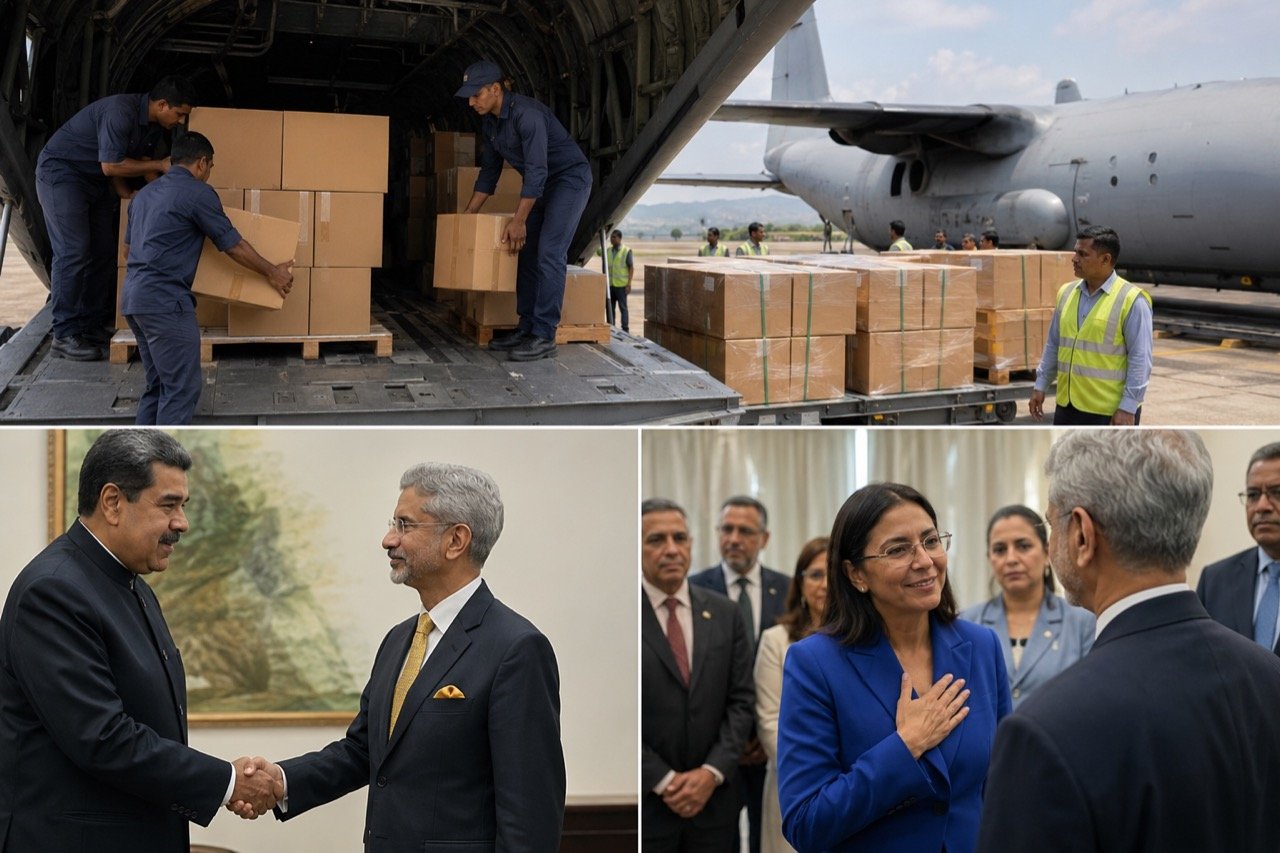
Venezuela Thanks Modi as Operation Amistad Showcases Relief Diplomacy
Venezuela's foreign minister publicly thanked Prime Minister Narendra Modi for India's Operation Amistad earthquake relief, highlighting how humanitarian assistance has become a working arm of Indian foreign policy.
Indus Waters Treaty to Stay in Abeyance, India Reiterates
The Ministry of External Affairs has restated that the Indus Waters Treaty will remain in abeyance until Pakistan credibly and irrevocably abjures support for cross-border terrorism, keeping a landmark water pact suspended.
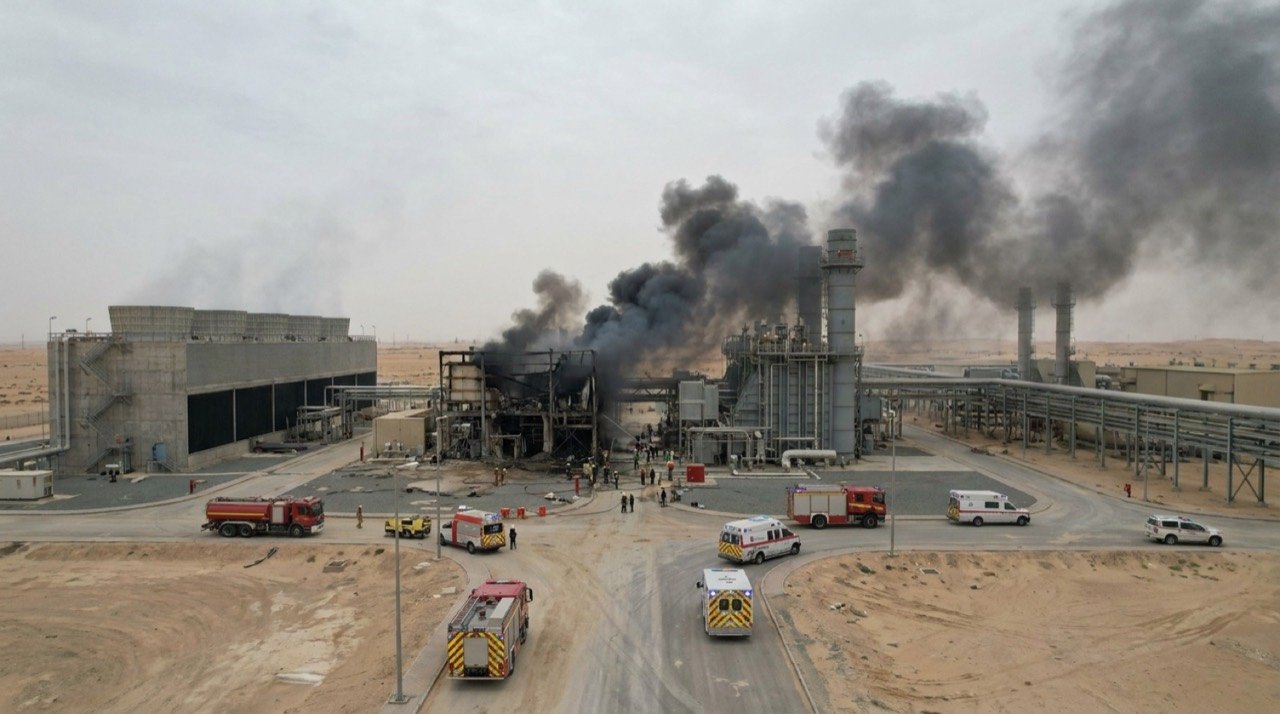
Qatar Gas Plant Explosion Kills 12 Indians; MEA Coordinates Assistance for Families
An explosion at a gas facility in Qatar's Ras Laffan industrial zone has killed 12 Indian nationals among 13 dead, with India's Ministry of External Affairs coordinating victim identification and the return of mortal remains.
More from this section
More
AICTE Industry Fellowship 2026: Rs 1.5 Lakh Scheme Closes July 5
The AICTE Industry Fellowship Programme 2026, which places technical-education faculty inside leading companies on a Rs 1.5 lakh monthly stipend, reached its application deadline on July 5.
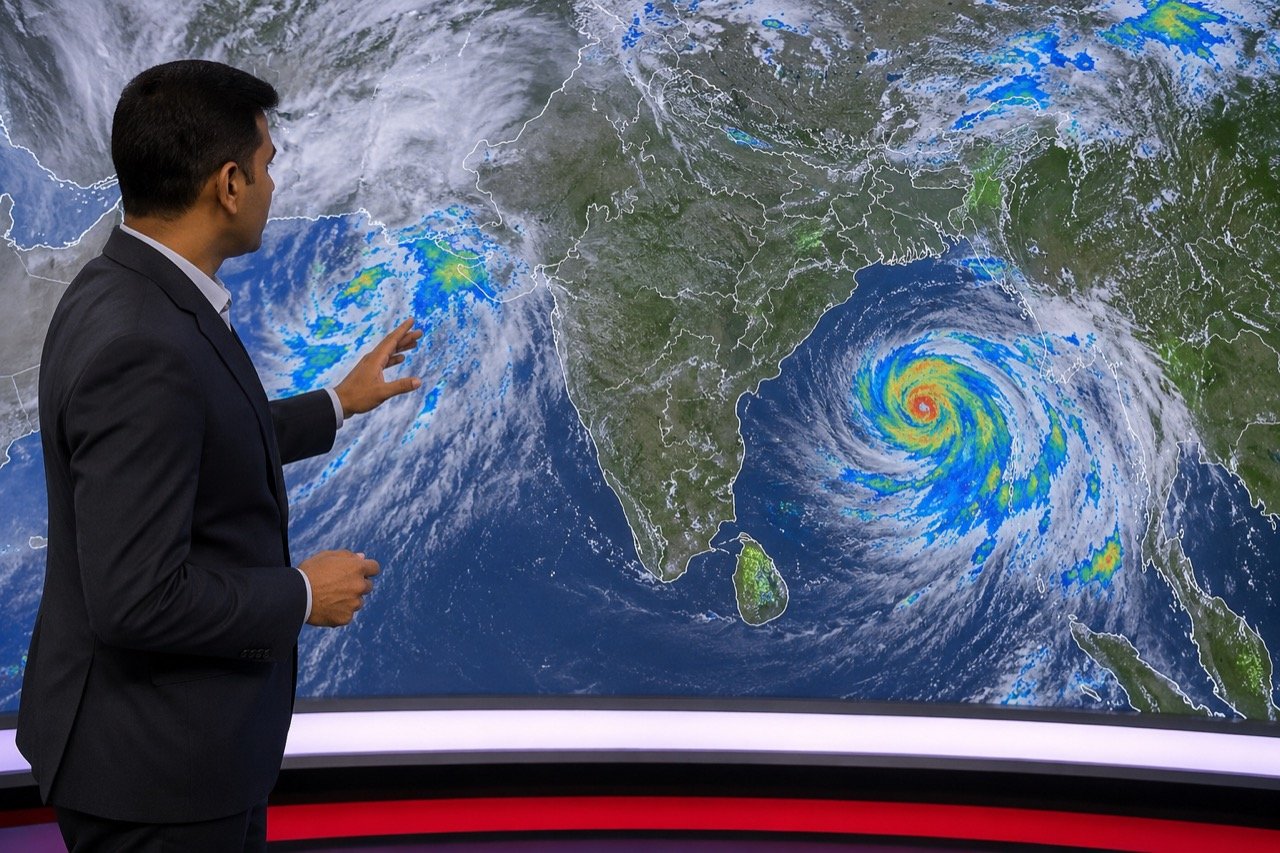
Bay of Bengal Low Pressure System Revives Monsoon Over Western India
A low-pressure system over the Bay of Bengal has pushed the monsoon back into an active phase, bringing steady heavy rain to Kerala, coastal Karnataka and Maharashtra, and putting Mumbai and Pune on preparedness watch.
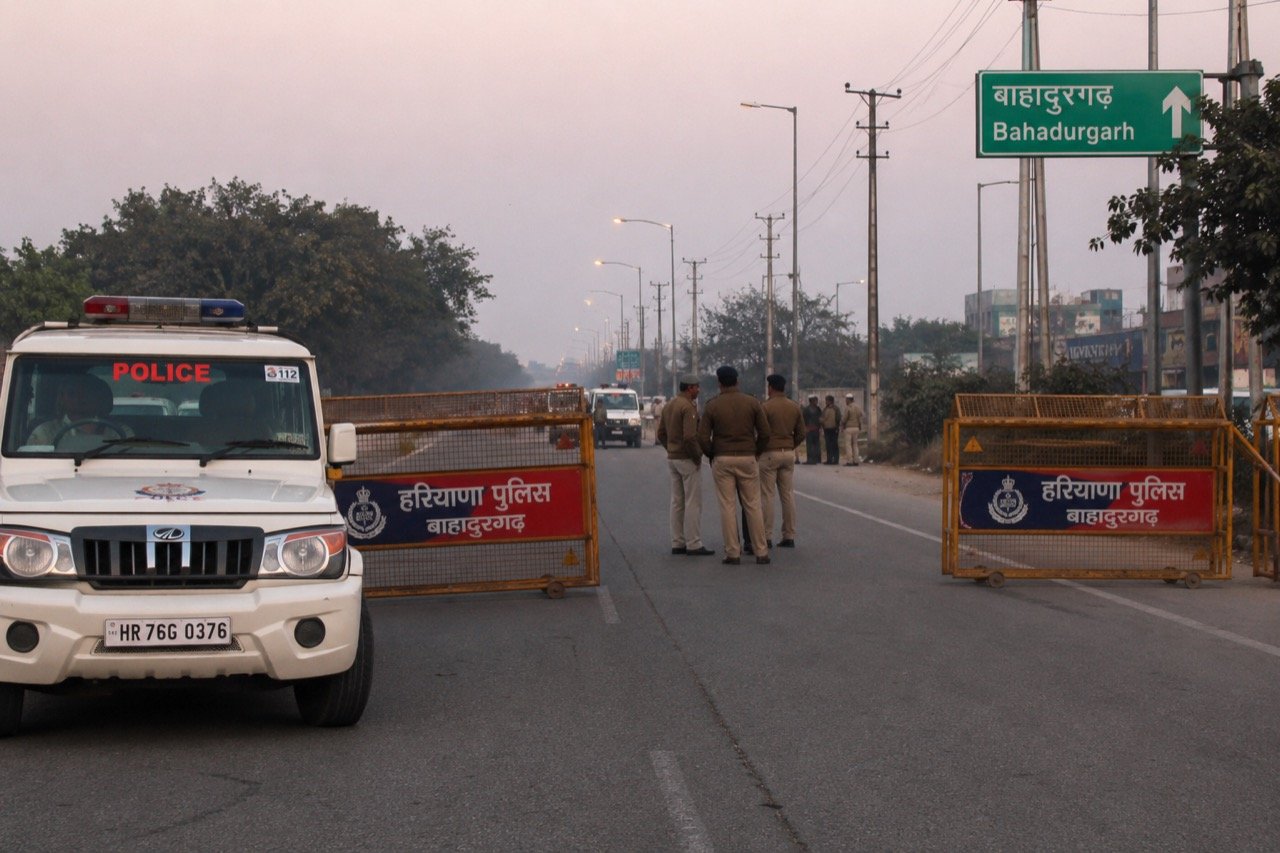
Bishnoi Gang Suspects Injured in Haryana Encounter as Police Tighten Net
A joint Haryana-Delhi Police operation in Bahadurgarh left two suspected Lawrence Bishnoi gang members injured, spotlighting the multi-state coordination now central to India's fight against organised crime networks.