Indian Firms Eye Asian AI Models as US Frontier Access Narrows
With access to some US frontier AI models growing harder, Indian companies are widening their supplier options toward Asian and Chinese alternatives, turning AI procurement into a strategic business decision.
The NE Times Technology Desk
Commentary & Analysis ·
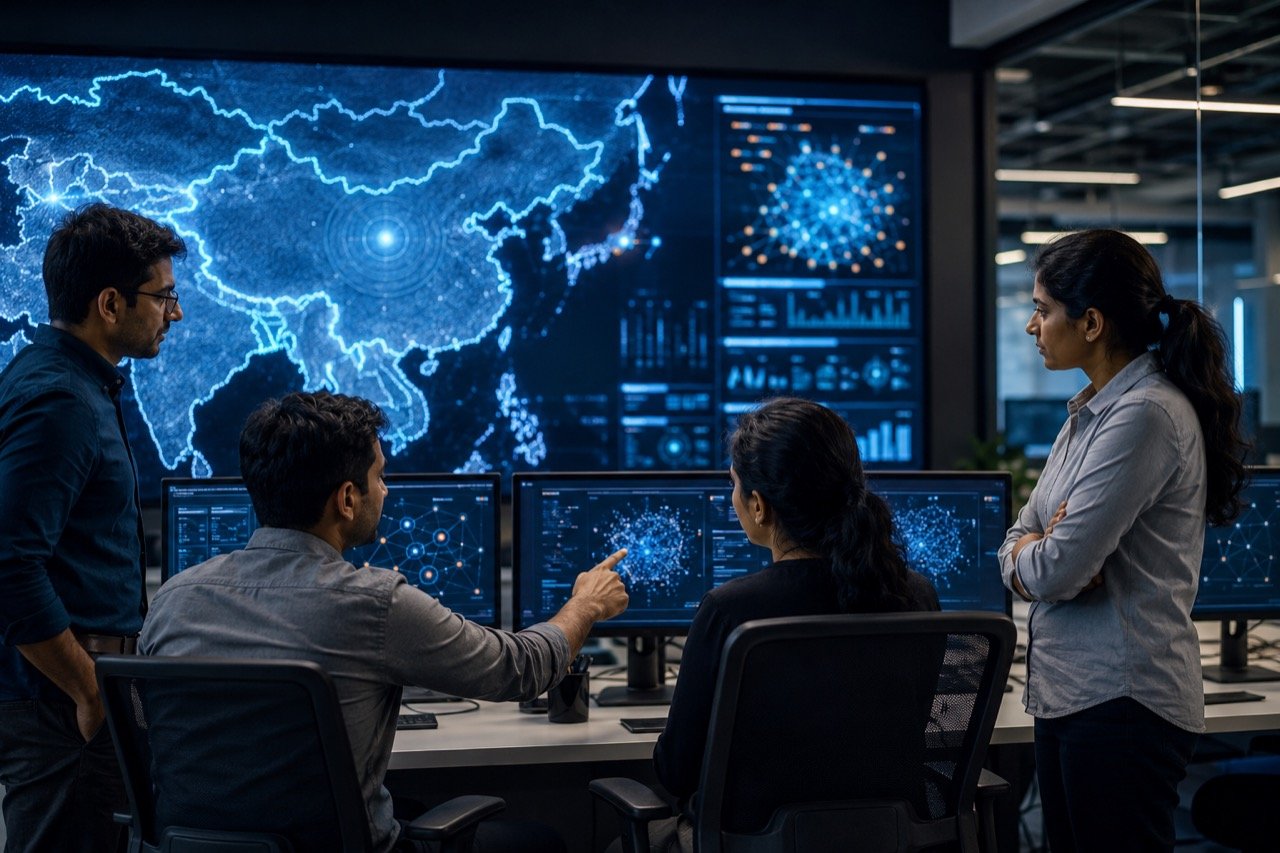
Indian companies are increasingly exploring Asian and Chinese AI alternatives as access to some US frontier models becomes harder, according to current technology coverage. The shift shows how geopolitics, export controls and enterprise demand are reshaping AI adoption decisions in India.
Continuity has become the priority
AI is no longer experimental for Indian firms. Models now power coding, customer support, analytics, productivity tools and internal automation. When access to preferred US systems becomes restricted, expensive or uncertain, businesses must secure continuity — and that opens the door to regional providers and open-source stacks.
This is not a simple supplier swap. Enterprise AI decisions turn on performance, cost, latency, data rules, security and vendor reliability. Chinese and other Asian models may win on price and availability, but companies must also weigh data governance and compliance risks before moving critical workloads.
The sovereign AI question sharpens
The trend feeds directly into India's sovereign AI debate. If dependence on foreign model providers creates strategic vulnerability, domestic model-building, public compute capacity and local AI platforms become more urgent. Yet businesses need tools that work today, not just future policy ambitions — a tension that will define India's AI procurement for years.
The NE Times View
India is learning in real time that AI supply chains are as geopolitical as oil or semiconductors. Diversifying toward Asian models is rational hedging, but swapping one dependency for another — particularly where data governance norms differ sharply — is not sovereignty. The durable answer is a layered strategy: negotiate reliable access to frontier models where possible, build serious domestic compute and model capability, and lean on open-source stacks that no single government can switch off. Indian CIOs should treat this moment as a stress test, and New Delhi should treat it as a deadline.
This article is original commentary and analysis by The NE Times. Background facts were referenced from Economic Times and Economic Times Tech.
You may also like to read
IndiaAI Mission Backs Eight New Foundational Models and Expands AI Data Lab Network
The government's IndiaAI Mission has greenlit eight new indigenous foundational model projects and rolled out 30 fresh AI Data Labs, deepening the push for sovereign, India-built artificial intelligence.
Digital India Turns 11: AI GPUs, Chips and the Harder Next Phase
Eleven years in, Digital India is being judged less by its early public-service wins and more by whether it can deliver semiconductors, AI compute and resilient payments infrastructure at scale.

OpenAI Makes GPT-5.5 the Heart of ChatGPT as Older Models Retire
OpenAI has rolled GPT-5.5 into ChatGPT as the new default and begun phasing out GPT-5.2, while pushing personalisation upgrades to free and lower-tier users in June.
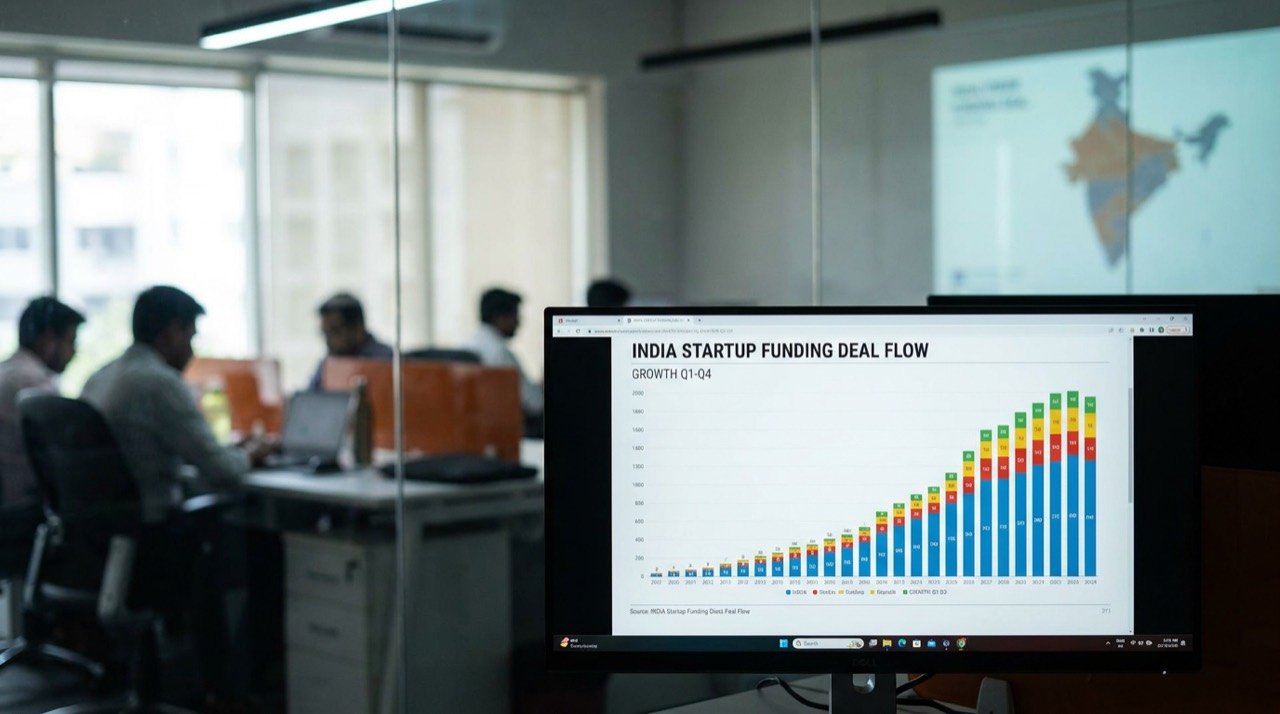
AI and Climate Deals Power a Busy Week for Indian Startup Funding
Indian startups raised roughly $400 million across about 20 rounds in a busy mid-June week, with sovereign AI, verifiable AI and climate technology emerging as the dominant investment themes.
More from this section
More
Centre Set to Summon Meta Over Instagram Ads Endangering Children
The government reportedly plans to summon Meta over Instagram advertisements alleged to promote child sexual abuse material, thrusting ad-review systems and platform accountability to the centre of India's tech-policy debate.

Centre Warns Telegram on Piracy in Platform Accountability Drive
The government has issued a stern warning to Telegram over pirated films, books and exam material circulating on the app, sharpening India's push to hold digital platforms accountable for unlawful content.
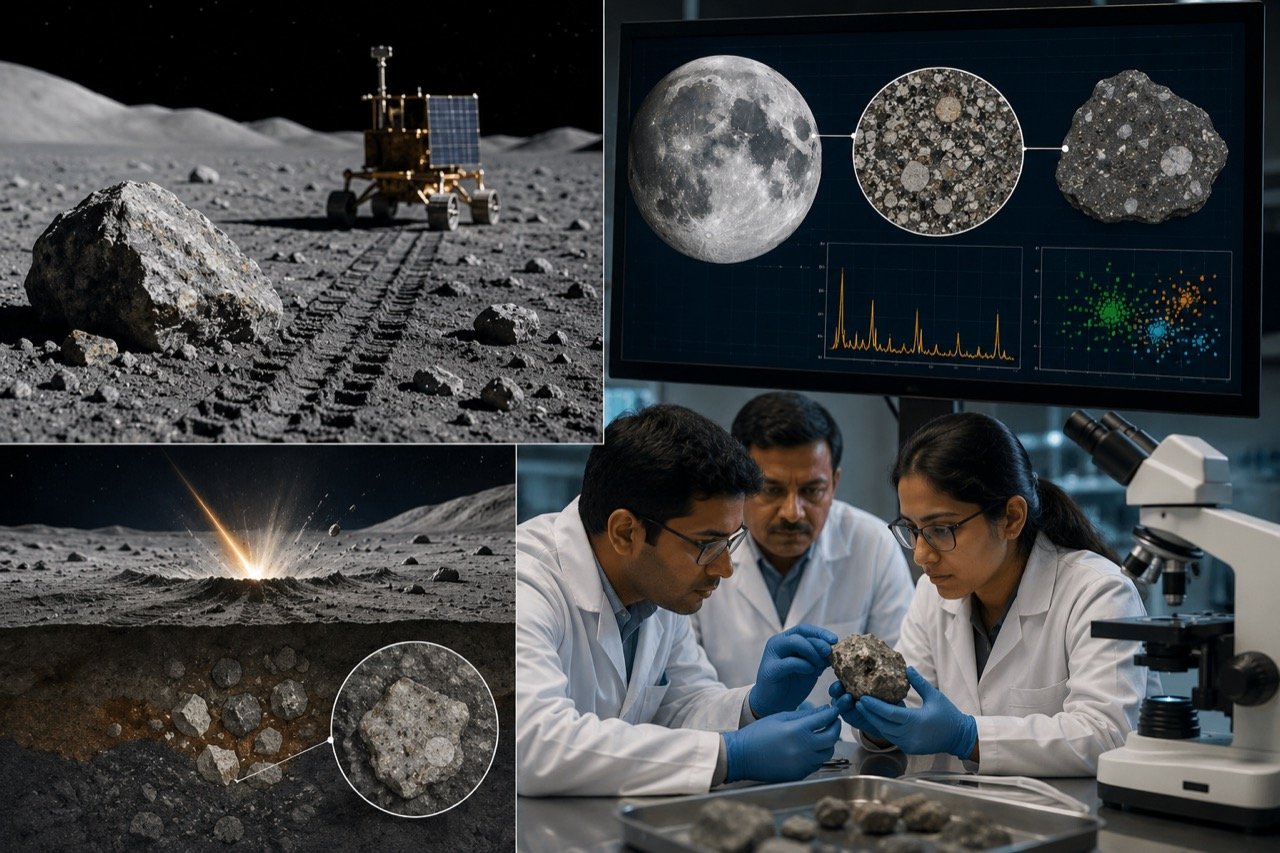
Chandrayaan-3 Data Tied to Earth's First Lunar Meteorite
New science coverage says findings from ISRO's Chandrayaan-3 mission reveal a link to Earth's first lunar meteorite, showing the landmark landing is still generating research long after touchdown.