IndiaAI Mission Pushes Toward 100,000 GPUs As Foundational Model Race Heats Up
With more than 34,000 GPUs already onboarded at subsidised rates and over 500 model proposals received, the government is scaling its compute backbone to anchor a homegrown AI ecosystem.
The NE Times Technology Desk
Commentary & Analysis ·
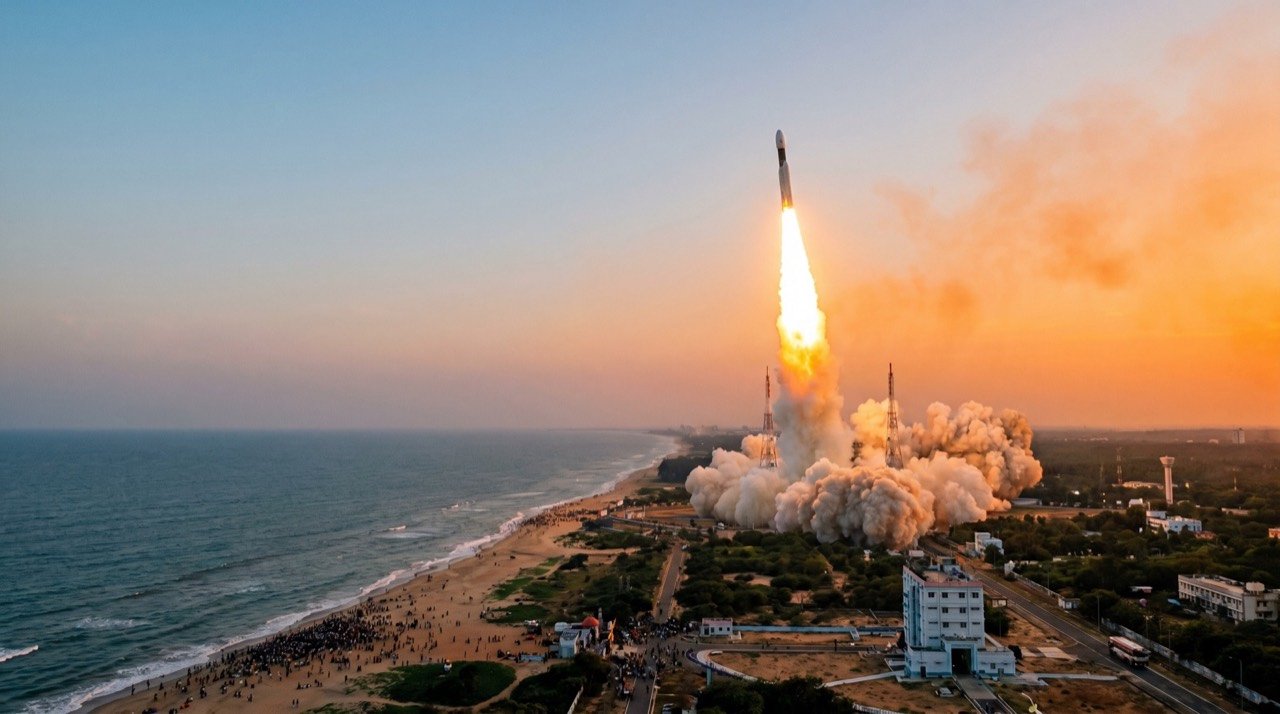
India's national push to build a sovereign artificial intelligence stack is gathering pace, with the IndiaAI Mission expanding both the compute it offers developers and the slate of homegrown models it is willing to back. The strategy rests on a simple proposition: lower the cost of access to high-end chips, and let a wide field of startups and researchers compete to build models tuned for Indian languages and use cases.
Building the compute backbone
The mission's compute pillar has onboarded more than 34,000 GPUs from a roster of empanelled service providers, made available to Indian startups, researchers and academia at heavily subsidised rates. Widely used high-end accelerators have been offered at a fraction of commercial prices, a deliberate attempt to remove the single biggest cost barrier facing local AI builders.
Officials have signalled an ambition to scale the pool toward 100,000 GPUs by the end of 2026, supported by sovereign cloud arrangements and chip-maker partnerships. The goal is to ensure that the shortage of compute, rather than ideas or talent, does not become the bottleneck for India's AI ambitions.
A crowded field of model proposals
The mission has received over 500 proposals to build foundational AI models, of which a meaningful share are aimed specifically at large language models. The breadth of submissions reflects a strategic bet on diversity, encouraging multiple teams to pursue different architectures and language priorities rather than concentrating support behind a single national champion.
- More than 34,000 GPUs onboarded from empanelled providers at subsidised rates
- Target of scaling the compute pool toward 100,000 GPUs by end of 2026
- Over 500 foundational model proposals received, including dozens targeting LLMs
- Emphasis on models tuned for Indian languages, dialects and cultural context
- Support extended to startups, researchers and academic institutions
What is next
Selected teams are now expected to move from proposals to working models, with the early cohort already producing open-weight systems trained on subsidised national compute. The next phase will test whether subsidised access translates into models that are competitive on quality, not just availability, and whether Indian enterprises and government departments adopt them in practice.
“Cheap compute is necessary but not sufficient; the real measure of success will be models that Indian businesses actually choose to run.”
— Bengaluru-based AI researcher
The mission also faces external constraints, including limits on access to the most advanced foreign models and chips, which sharpen the case for building domestic capacity. For now, the combination of subsidised hardware and a wide-open competition has injected fresh momentum into India's effort to be a maker, not just a consumer, of frontier AI.
The NE Times View
Thirty-four thousand subsidised GPUs and 500-plus proposals show the compute backbone is being built, which is the easier half of the problem. The NE Times View: hardware without data, talent and a clear use for sovereign models risks becoming an expensive symbol. The mission's success should be measured by working Indian-language applications people actually use, not by the GPU count alone.
This article is original commentary and analysis by The NE Times. Background facts were referenced from The Hindu and Inc42.
You may also like to read
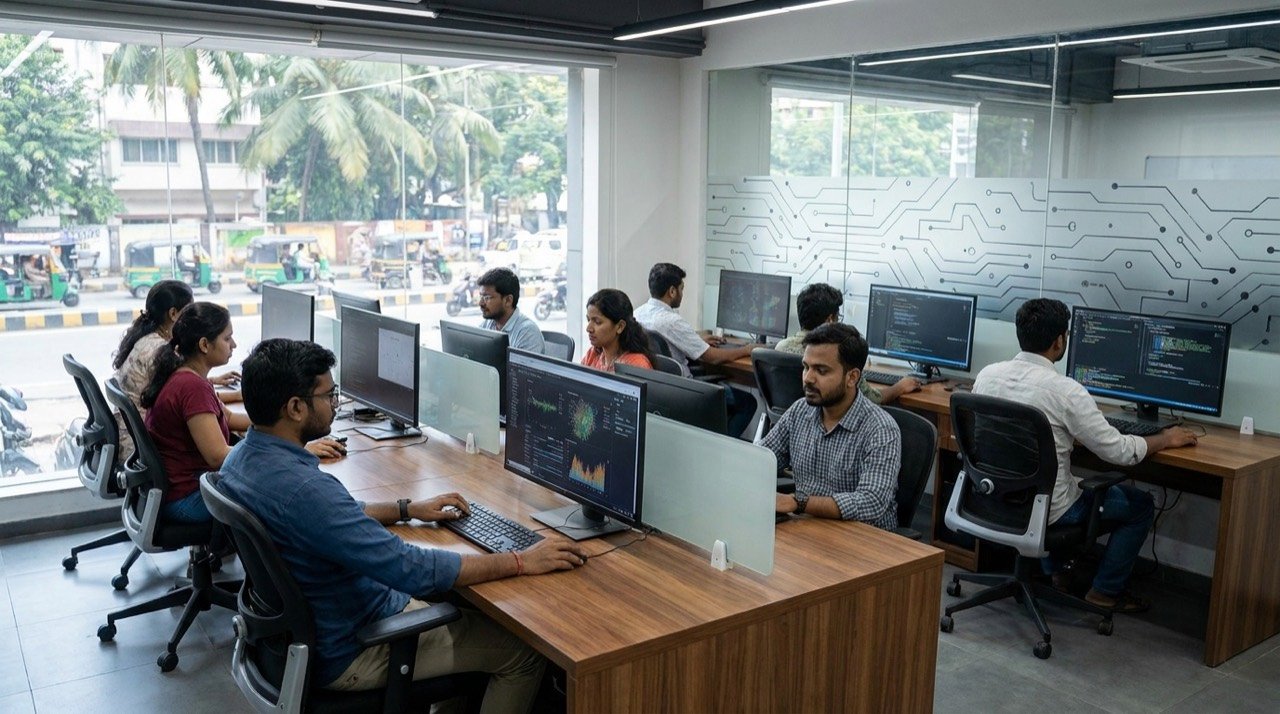
IndiaAI Mission Backs Eight New Foundational Models and Expands AI Data Lab Network
The government's IndiaAI Mission has greenlit eight new indigenous foundational model projects and rolled out 30 fresh AI Data Labs, deepening the push for sovereign, India-built artificial intelligence.
Tata Readies Sierra EV Launch As Electric SUV Race Heats Up
Tata Motors is set to unveil the Sierra EV on 30 June, reviving an iconic nameplate as an electric SUV at a moment when the company has just posted record monthly EV sales.
ISRO Pushes Toward First Uncrewed Gaganyaan Flight With Humanoid Vyommitra Aboard
ISRO has confirmed that flight integration for its first uncrewed Gaganyaan mission is underway, with the humanoid robot Vyommitra set to ride an LVM3 rocket ahead of a crewed launch in 2027.

Rs 35,440-Crore Push: Dhan Dhaanya Scheme and Pulses Mission Anchor New Farm Drive
The Centre's twin agriculture schemes, worth Rs 35,440 crore, target 100 districts for productivity and crop diversification while pursuing self-reliance in pulses across the country.
More from this section
More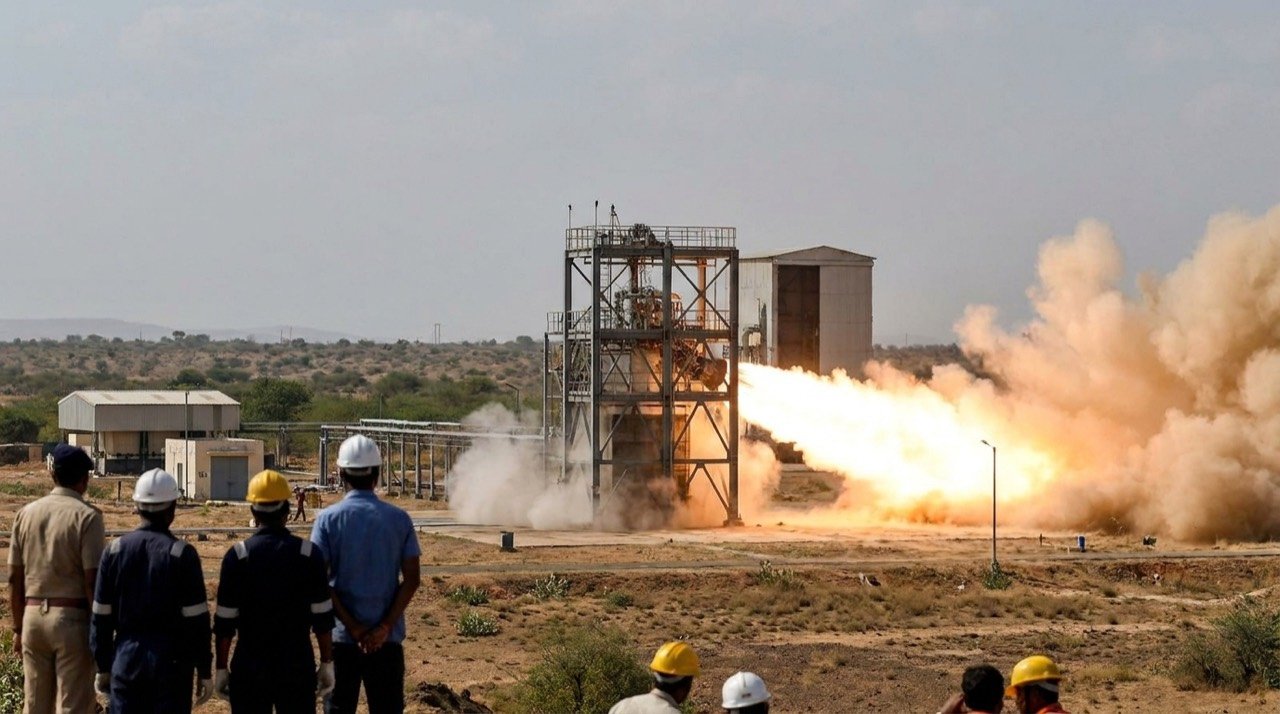
ISRO Fires Semi-Cryogenic Engine Power Head at 175 Tonnes in Landmark Hot Test
ISRO successfully ran its indigenous semi-cryogenic engine power head at 175 tonnes of thrust, clearing a key hurdle toward powering the LVM3 upgrade and the Next Generation Launch Vehicle.
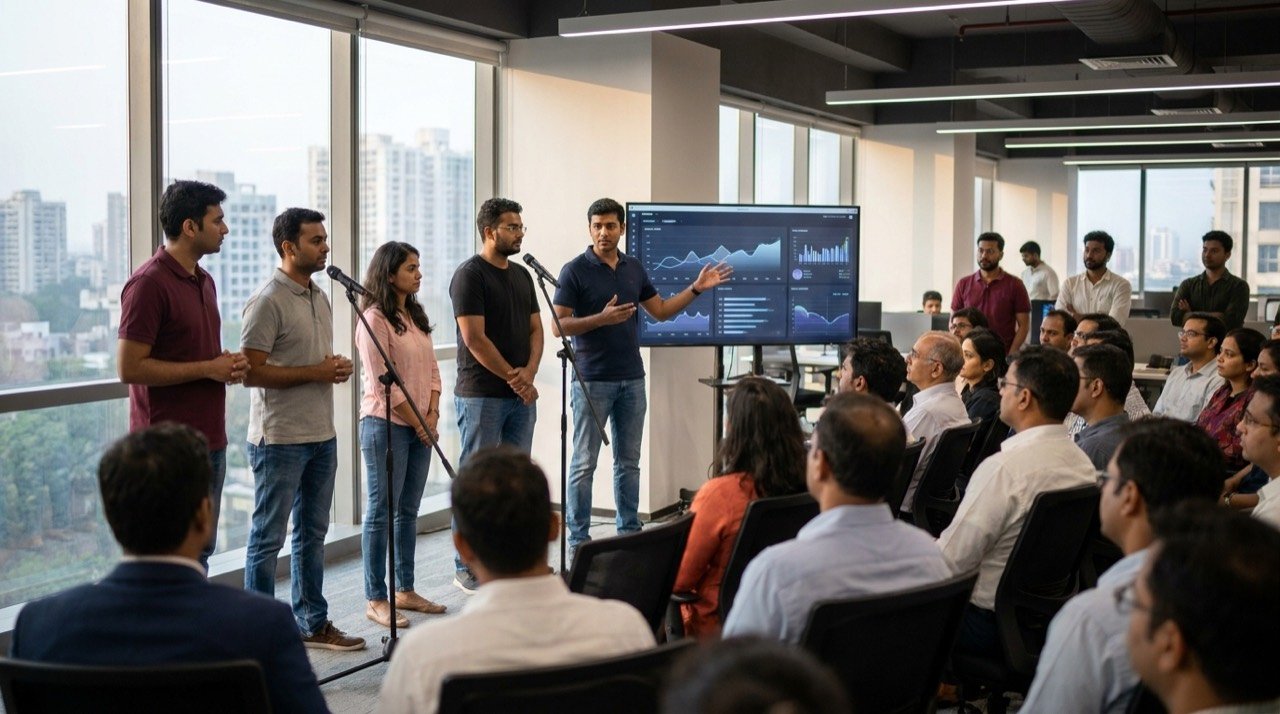
India Tech Funding Climbs to $7.2 Billion in H1 2026 Even as Deal Count Slumps
Indian tech startups raised $7.2 billion in the first half of 2026, up 12 per cent year-on-year, but the number of funding rounds fell sharply as capital concentrated in a handful of mega-deals.
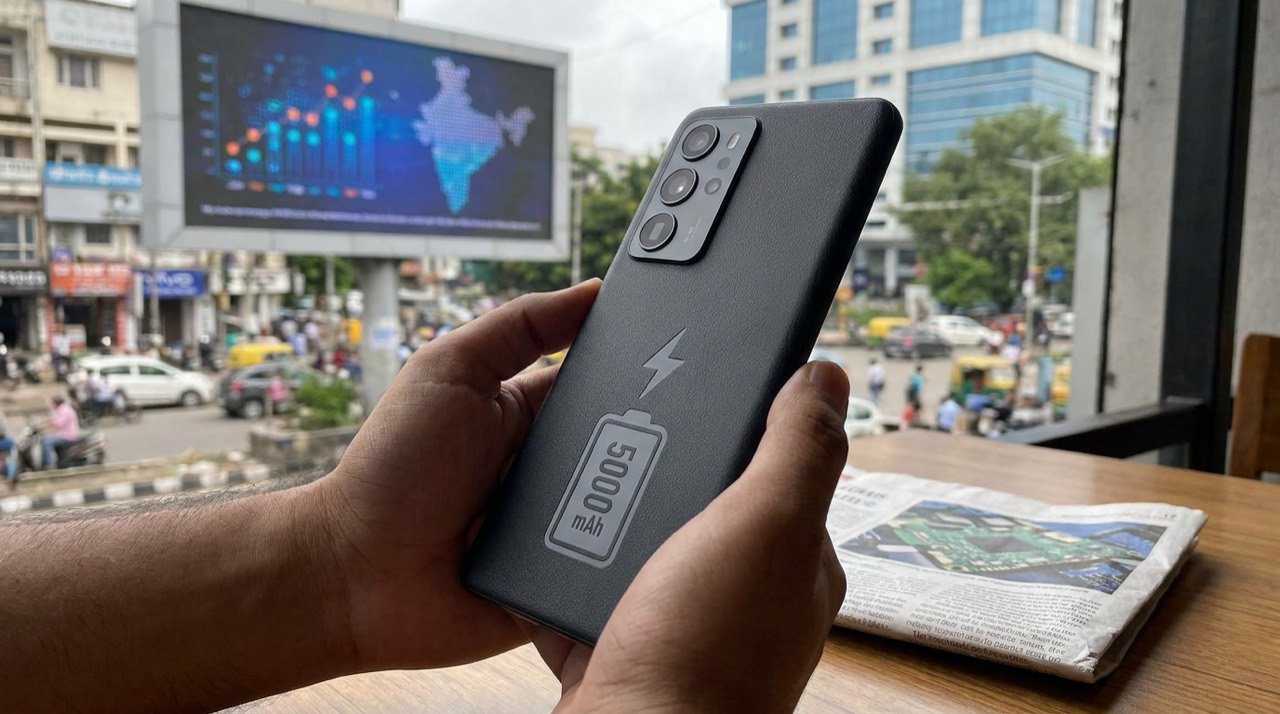
OnePlus N6 Headlines a Crowded End-June Gadget Calendar in India
The OnePlus N6, with its 8,000mAh battery and sub-Rs 25,000 price tag, leads a busy late-June run of smartphone launches in India spanning OnePlus, Oppo and Samsung.