India-US AI Chips Roundtable Puts Critical Minerals in the Spotlight
Discussions between India and the United States on AI, semiconductors and critical minerals underline how technology cooperation is fast becoming a supply-chain and resource-security story, not just a software one.
The NE Times Technology Desk
Commentary & Analysis ·
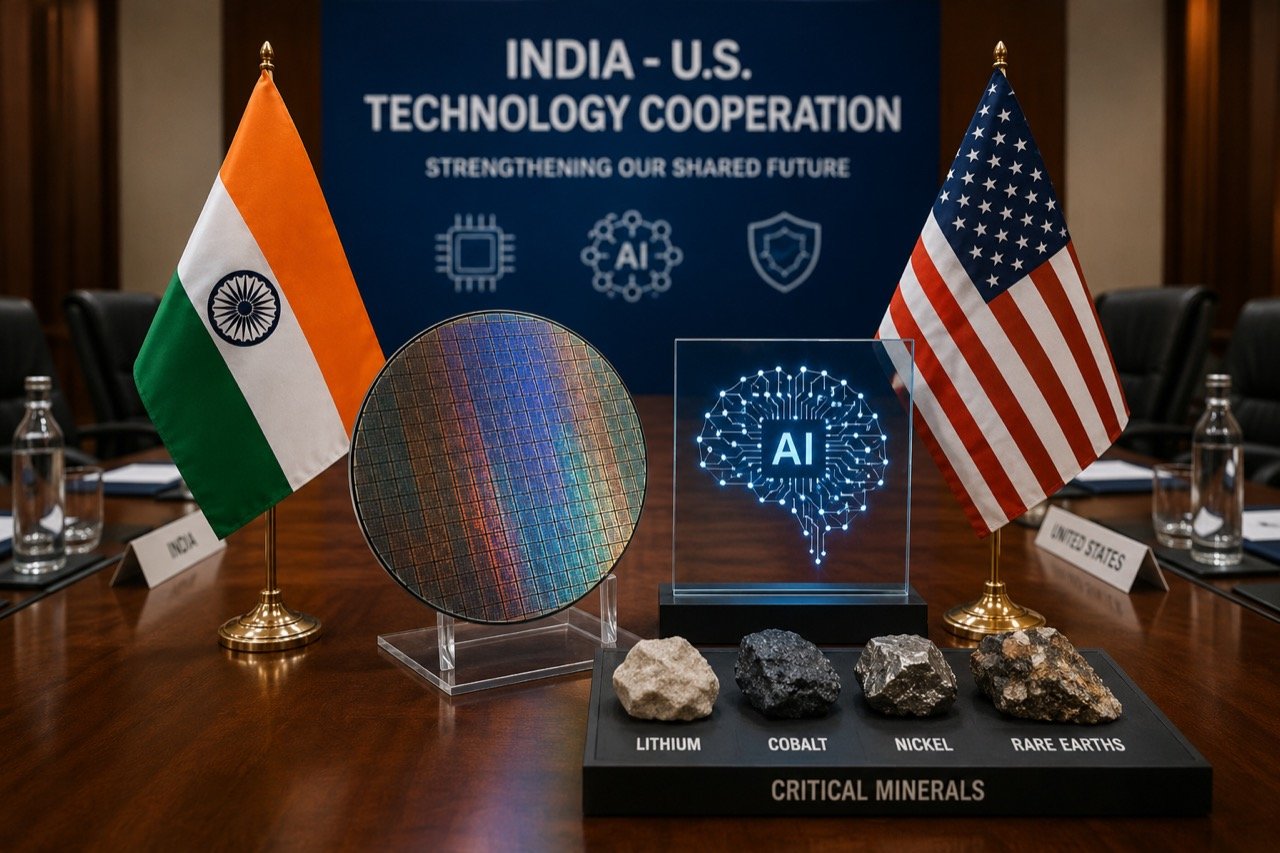
India-US technology cooperation is back in focus after fresh discussions bringing together artificial intelligence, semiconductors and critical minerals in a single conversation. The roundtable format itself tells a story: these themes are now treated as one interconnected agenda rather than three separate policy tracks.
The logic linking them is straightforward. AI systems run on advanced chips. Advanced chips depend on secure manufacturing capacity and reliable inputs. Critical minerals, in turn, feed batteries, electronics and a range of strategic technologies. Any country serious about building an AI and electronics ecosystem has to think about hardware, logistics and resource security — not just software talent.
What each side brings to the table
For India, closer cooperation with the United States can unlock investment, standards alignment, research partnerships and supply-chain diversification. For Washington, India offers scale, deep engineering talent and a strategic partner outside the narrow manufacturing geographies that currently dominate chipmaking.
The hard part is execution. Policy incentives, infrastructure, skilled labour, export controls and private investment all need to pull in the same direction — a coordination challenge that has tripped up ambitious technology partnerships before.
The new vocabulary of tech power
The roundtable matters because it reflects how the language of technology power has shifted. AI is no longer only about models and apps; it is about wafers, minerals, fabs, logistics and trusted partnerships. Supply chains have become strategy.
The NE Times View
India should treat this moment as leverage, not flattery. The country is being courted precisely because the world wants alternatives to concentrated chip and mineral supply chains, and that gives New Delhi room to negotiate technology transfer, not just assembly work. The real test will be domestic: land, power, water and skilled technicians decide where fabs get built, not communiqués. If India converts roundtable goodwill into even two or three anchor manufacturing projects with genuine know-how sharing, the strategic payoff for its AI ambitions would outlast any single diplomatic cycle.
This article is original commentary and analysis by The NE Times. Background facts were referenced from Economic Times Tech, the Ministry of Electronics and IT, and the US-India Strategic Partnership Forum.
You may also like to read
India-Japan Summit Widens Ties Across AI, Defence and Chips
At their annual summit in New Delhi, Prime Ministers Modi and Takaichi unveiled a roadmap deepening cooperation on maritime security, artificial intelligence, semiconductors, shipbuilding and critical technologies.

Modi Joins G7 Leaders in Evian as Critical Minerals and AI Top Agenda
India's prime minister attends his seventh consecutive G7 summit, with a much-watched Modi-Trump bilateral and supply-chain security dominating talks in the French Alps.
Digital India Turns 11: AI GPUs, Chips and the Harder Next Phase
Eleven years in, Digital India is being judged less by its early public-service wins and more by whether it can deliver semiconductors, AI compute and resilient payments infrastructure at scale.

Anthropic puts a Mythos-class model in public hands with Claude Fable 5
The company is releasing its most capable widely available model yet, paired with a locked-down sibling reserved for cybersecurity work, in a careful balancing act between power and safety.
More from this section
More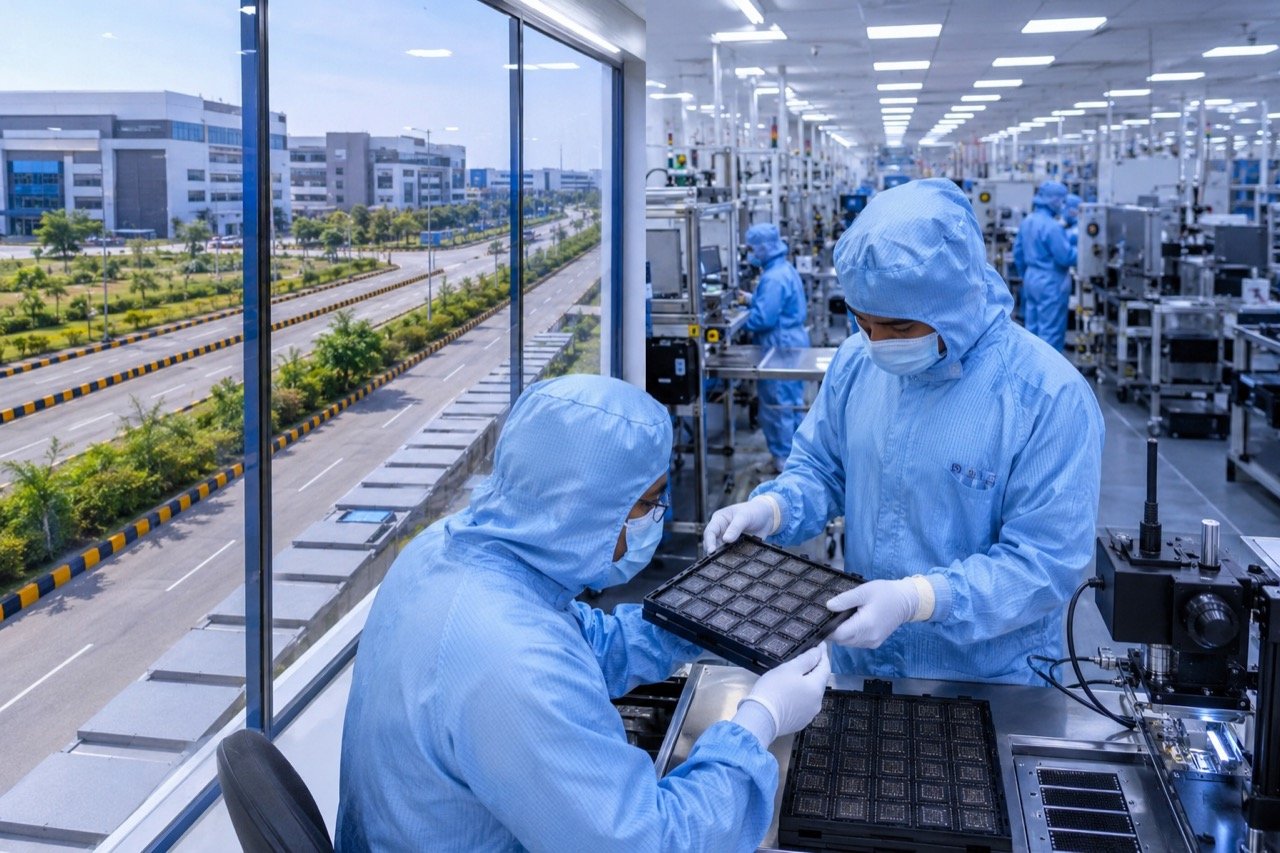
CG Semi Sanand Plant Opens, Boosting India's Semiconductor Drive
Prime Minister Narendra Modi inaugurated CG Semi's chip assembly and test facility in Sanand, Gujarat, giving India's semiconductor mission a working manufacturing milestone rather than another policy promise.
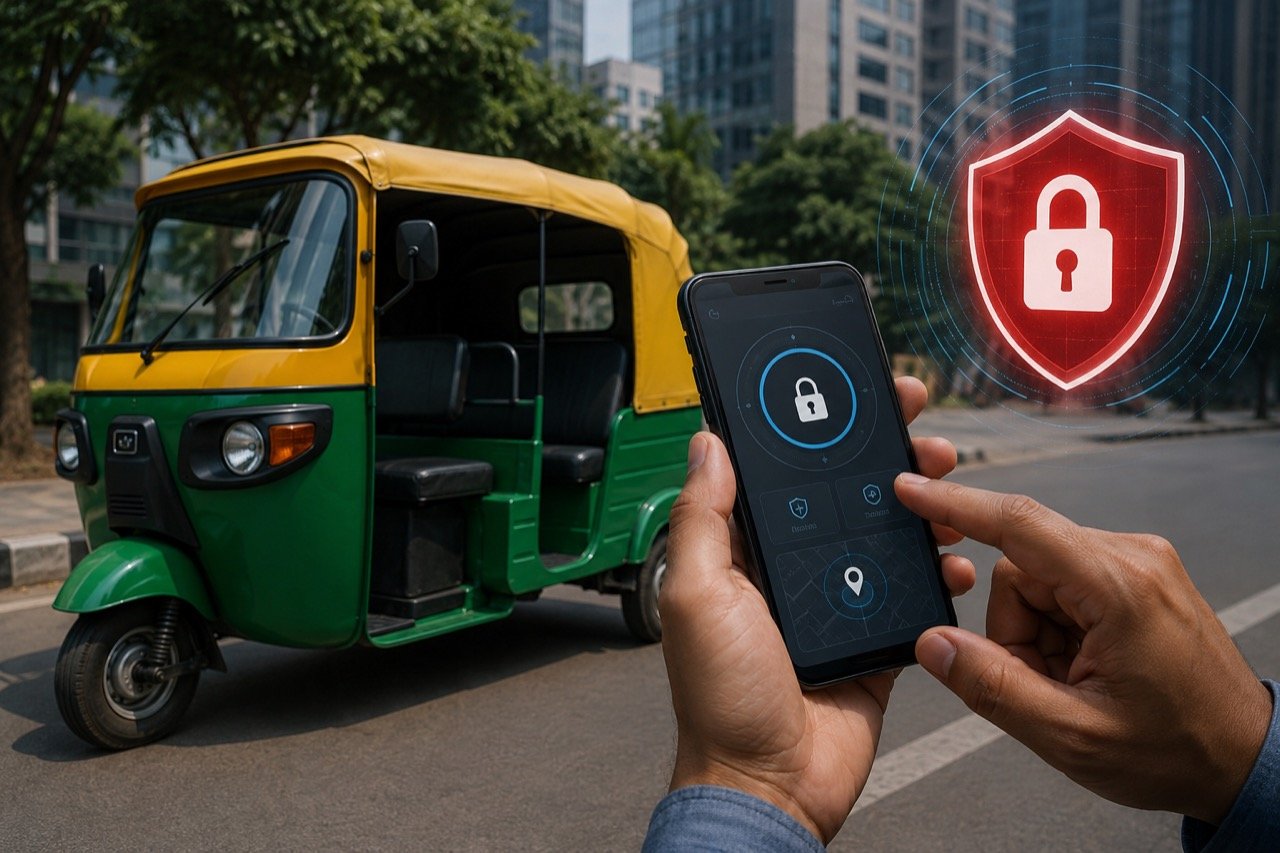
Chinese E-Rickshaw Apps Banned in India Over Remote Disable Risk
The Centre has ordered the removal of three Chinese apps — BAT-BMS, Lossigy and Epoch-i-ion — over fears they could remotely disable battery-run e-rickshaws, turning mobility software into a public safety concern.
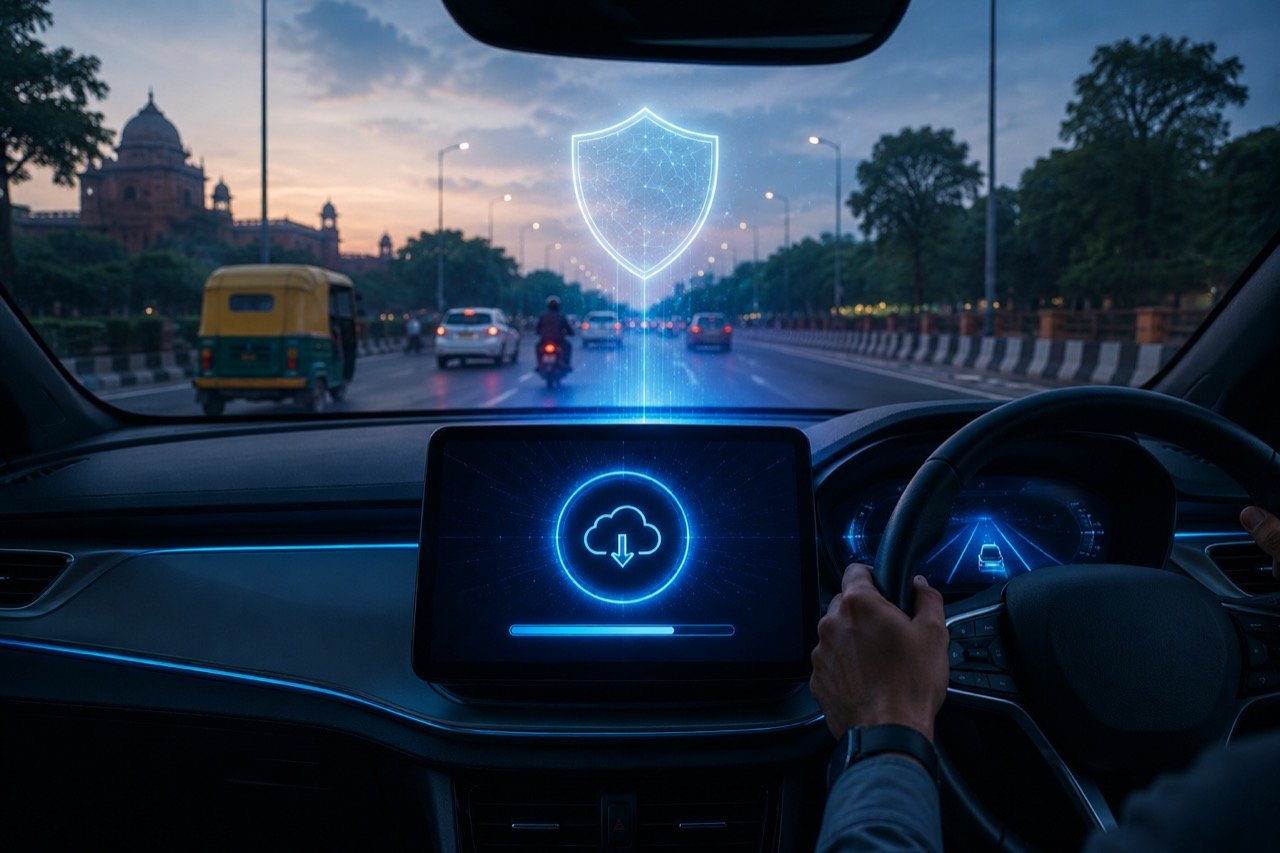
Connected Car Rules: India Plans Vehicle Software Update Norms
With cars increasingly run by software, the government is reportedly preparing update and security norms aimed at preventing vehicle hijacking and governing how connected cars in India are patched and protected.