India to Lift Petrol and Diesel Sale Curbs From July 1
Restrictions on the sale of petrol and diesel are set to be lifted from July 1, easing uncertainty for motorists, transport operators and fuel retailers even as cities push a parallel shift to electric mobility.
The NE Times Business Desk
Commentary & Analysis ·
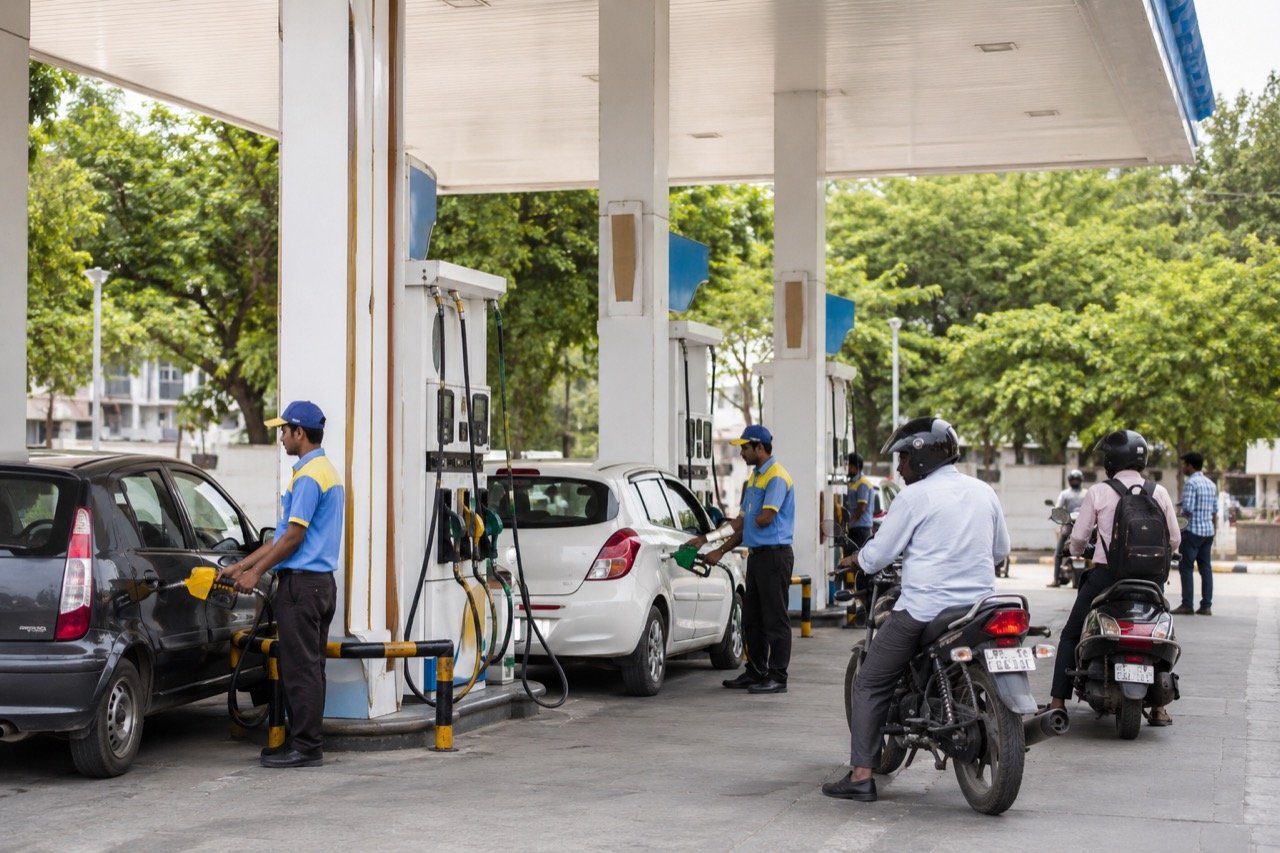
India is set to lift restrictions on the sale of petrol and diesel from July 1, according to the latest reports. The decision carries direct consequences for motorists, transport operators and fuel retailers, since curbs on conventional fuel sales ripple through daily commuting, logistics and local commerce.
A confirmed lifting date matters as much as the decision itself. Fuel restrictions — whether imposed to manage shortages, pollution episodes or administrative transitions — create planning uncertainty for households and businesses, and a clear timeline restores a predictable footing.
A two-track policy environment
The change lands in a policy landscape pulling in two directions at once. Cities such as Delhi are aggressively promoting electric mobility, while the existing vehicle base still depends overwhelmingly on petrol and diesel. Conventional fuel access must therefore be preserved even as incentives and regulation nudge future purchases toward cleaner options.
Managing that transition without disrupting daily life is the central policy challenge. Fuel policy sits at the intersection of consumer convenience, supply management, air-quality goals and energy security, and abrupt moves on any one front tend to strain the others.
What it means on the ground
For retailers, July 1 means readying inventory, staffing and customer communication for a return to unrestricted sales. For consumers, the practical step is to check whether city-specific advisories or vehicle-category rules still apply locally — national headlines can coexist with differing local implementation, so clarity from authorities remains essential.
The NE Times View
Rolling back the fuel curbs is the right call, but the episode should prompt reflection on how such restrictions are introduced in the first place. Policies that touch something as basic as filling a tank need long runways, clear communication and realistic alternatives — not deadlines that arrive before the infrastructure does. India's clean-mobility transition is real and necessary, but it will be won at charging stations and showrooms, not at the petrol pump's gate. The government should treat this reversal as a lesson in sequencing: build the alternative first, then phase out the incumbent. Households will move to cleaner vehicles when the switch is easy, affordable and reliable — not when access to fuel is made a pressure tactic.
This article is original commentary and analysis by The NE Times. Background facts were referenced from Hindustan Times and NDTV India.
You may also like to read
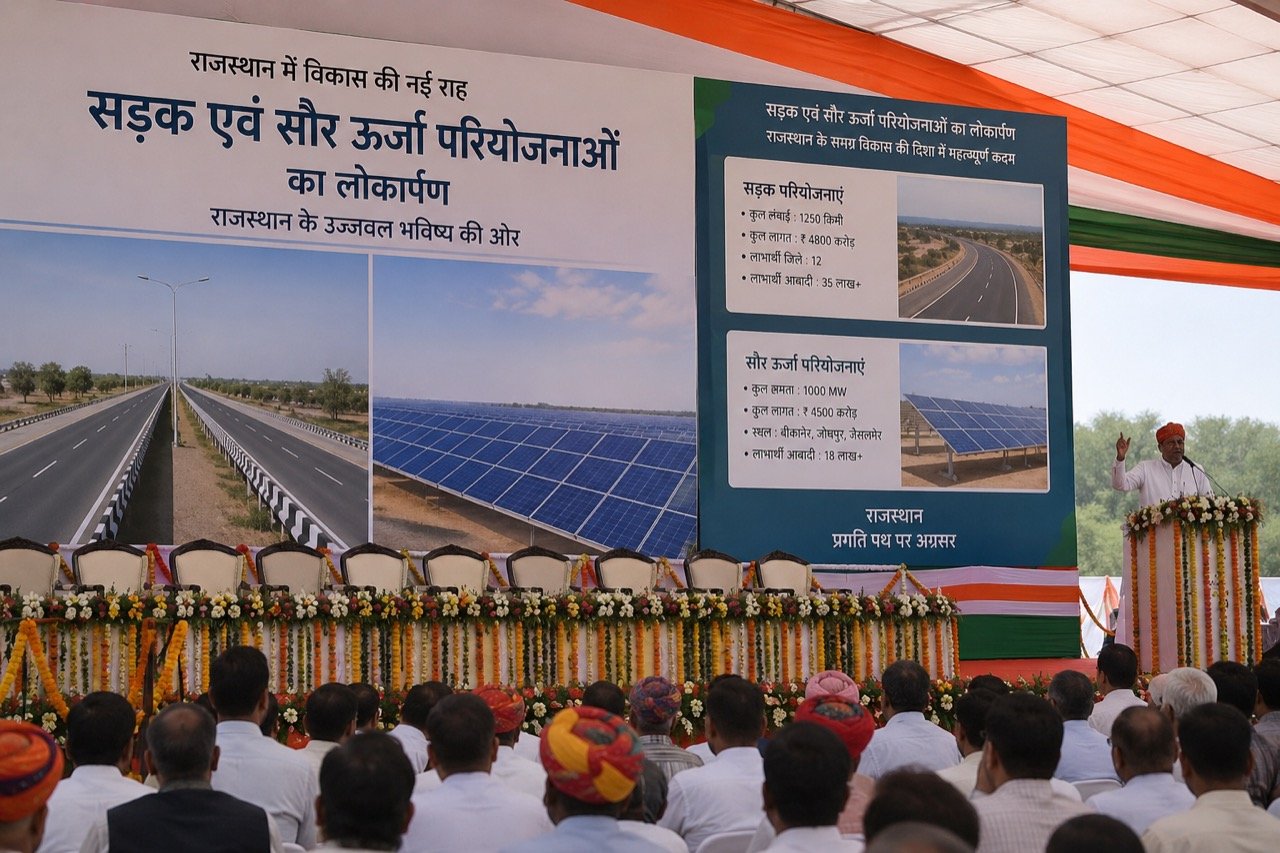
Modi's Balotra Push: Rs 1.06 Lakh Crore Projects and Energy Message
Prime Minister Narendra Modi's visit to Balotra in Rajasthan paired development projects worth around Rs 1.06 lakh crore with remarks crediting India's diplomacy for steering the country through West Asia-linked energy pressures.
Delhi-Kolkata Six-Lane Corridor Nears Completion as Highway Push Accelerates
The 31,700-crore-rupee, roughly 610-km expressway across four states is being readied for completion, part of a broader expansion of India's high-speed road network.
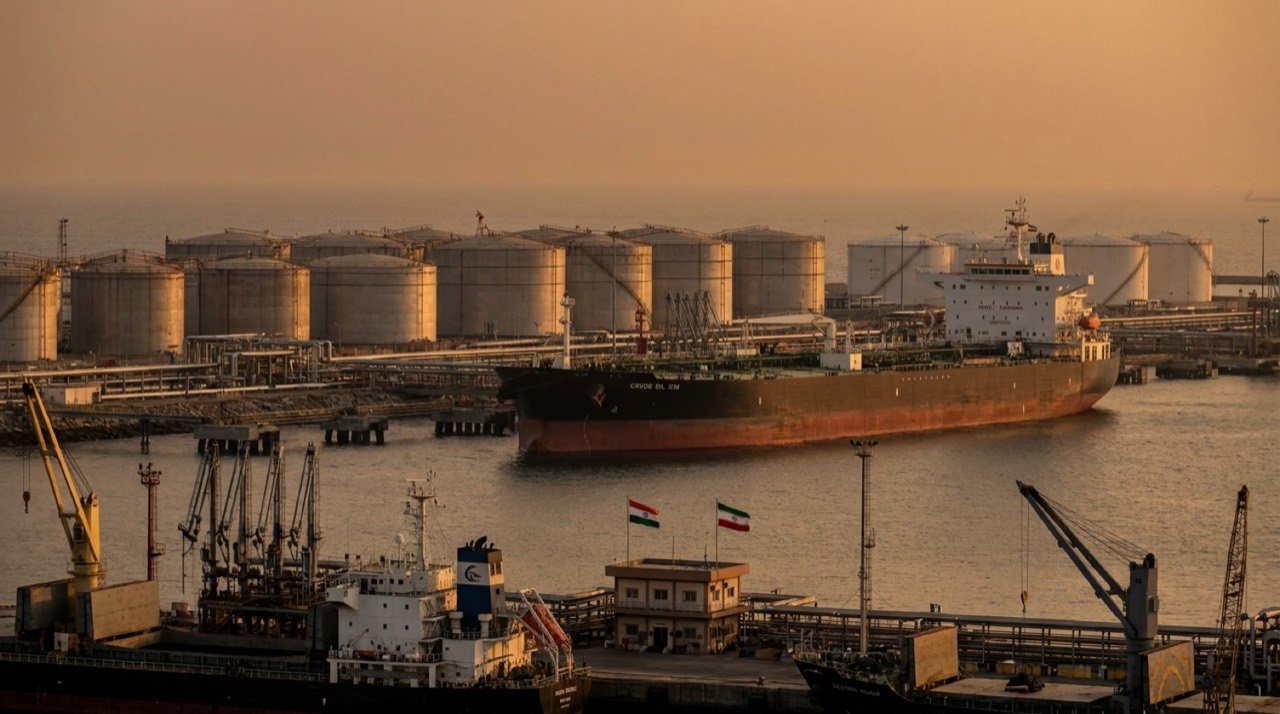
Iran's Crude Outreach Puts Indian Refiners Back in Market Focus
Tehran's renewed pitch to oil buyers has pulled Indian refiners into fresh talks, but sanctions, payment channels, insurance and freight still stand between exploratory contact and confirmed cargoes.
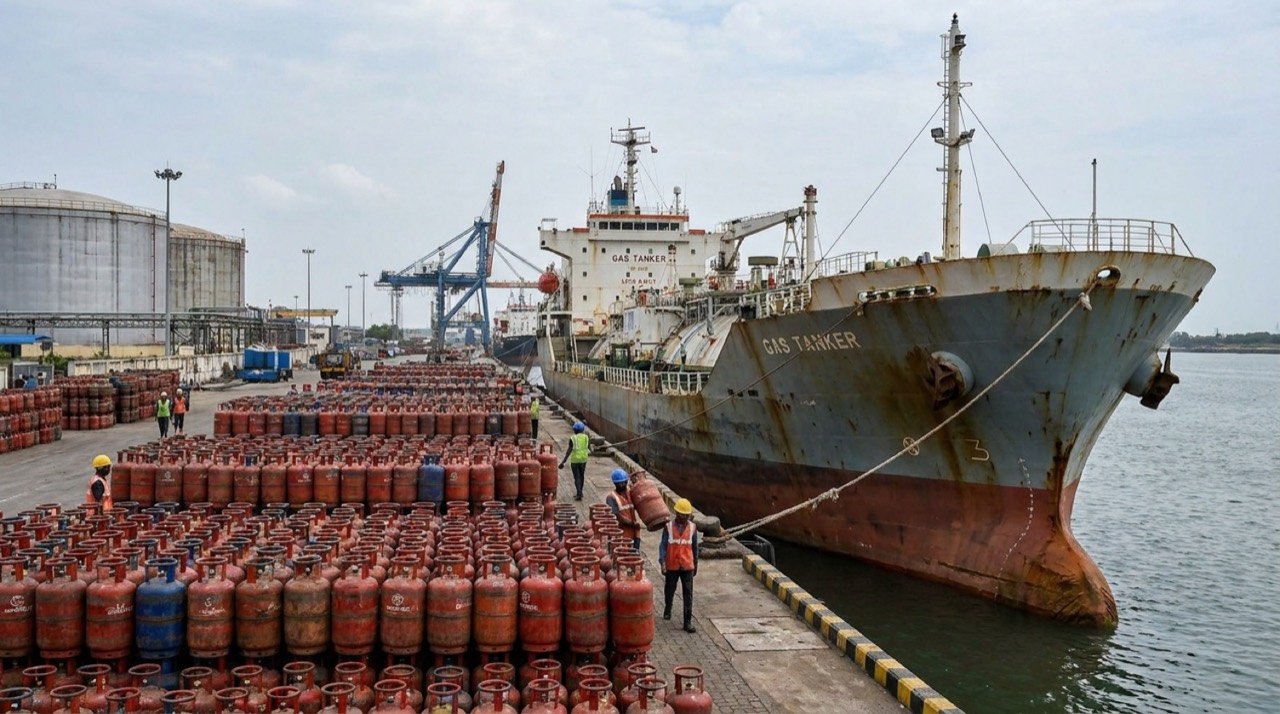
India's US LPG Imports Set to Cross Record 1 Million Tonnes in June Amid Middle East Disruption
India's cooking-gas imports from the United States are poised to top a record 1 million tonnes in June as refiners diversify away from Gulf supply disrupted by tension around the Strait of Hormuz.
More from this section
More
Assam Estate Sells India's First Home-Grown Matcha Batch
An Assam tea estate has sold the first batch of India-made matcha, a small-volume but symbolically significant step as the country's tea industry hunts for premium products and new consumers.
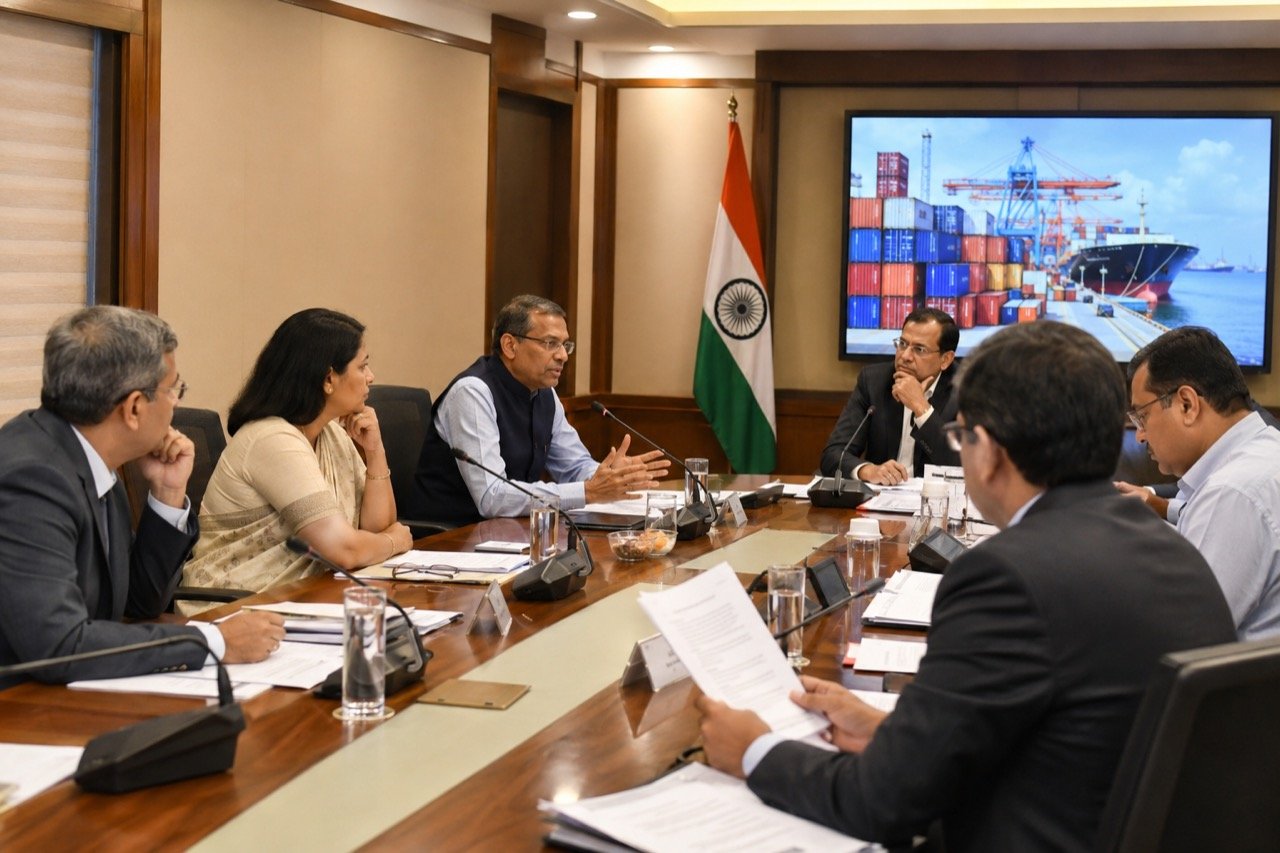
Board of Trade Meets as Exporters Press on FTAs and GST Refunds
Commerce Minister Piyush Goyal chaired a Board of Trade meeting where exporters pushed for faster GST refunds, lower logistics costs and workable free trade agreements amid global demand uncertainty.
Four Chinese Firms With Indian Plants Cleared To Bid For Power Work
Four Chinese companies operating factories in India have reportedly been cleared to bid for power projects, a calibrated move that balances security screening against the country's manufacturing and infrastructure needs.