Indus Waters Treaty to Stay in Abeyance, India Reiterates
The Ministry of External Affairs has restated that the Indus Waters Treaty will remain in abeyance until Pakistan credibly and irrevocably abjures support for cross-border terrorism, keeping a landmark water pact suspended.
The NE Times National Desk
Commentary & Analysis ·
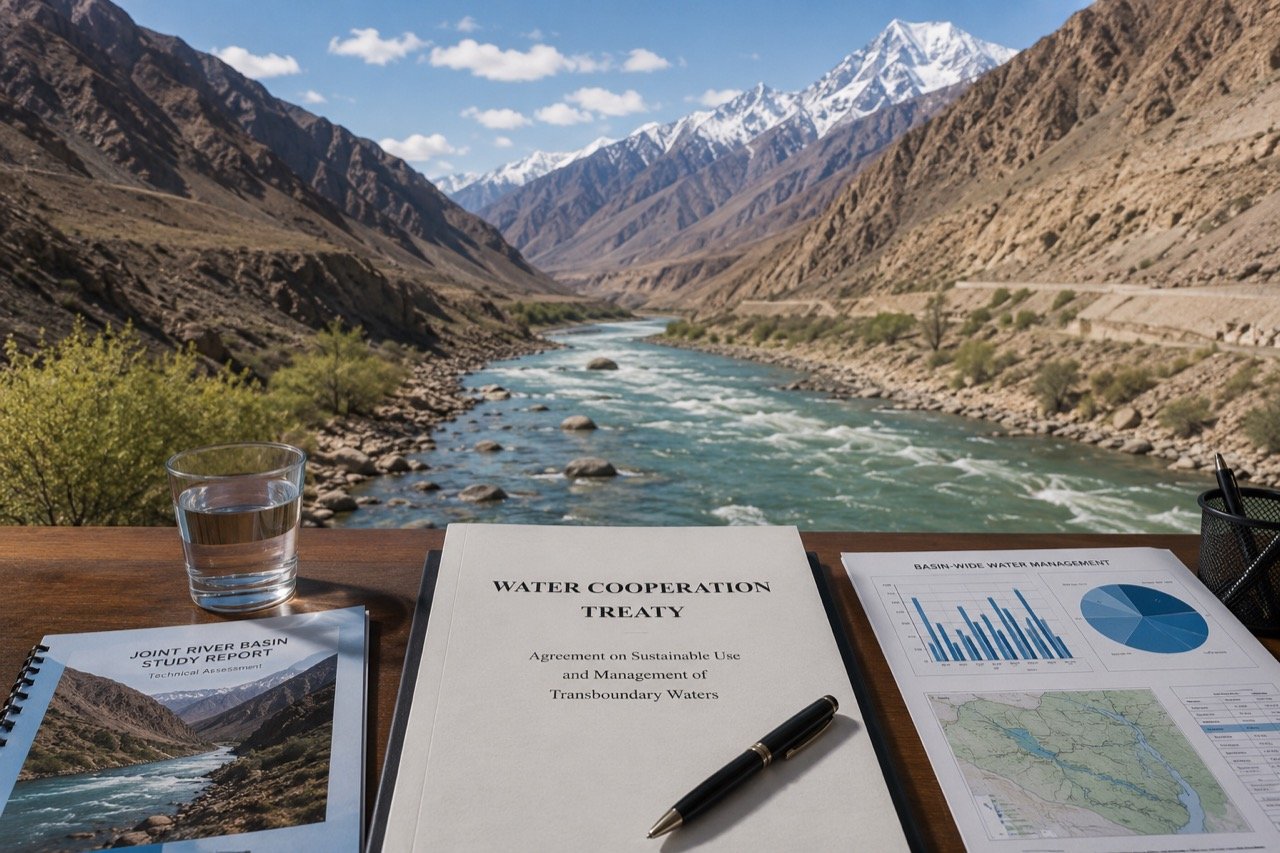
India has restated its position on one of the subcontinent's most consequential agreements: the Indus Waters Treaty will remain in abeyance. Times of India reported that the Ministry of External Affairs reiterated the pact would stay suspended until Pakistan credibly and irrevocably abjures support for cross-border terrorism.
A durable treaty under unprecedented strain
The treaty, brokered in 1960, has long been cited as the most resilient arrangement between India and Pakistan, surviving wars and prolonged diplomatic freezes. Placing it in abeyance therefore signals a deliberate hardening of India's position — an explicit linkage between water cooperation and security concerns that previous governments avoided making formal.
What suspension actually raises
Keeping the treaty in abeyance opens questions that go beyond bilateral politics: the legal process governing suspension of an internationally brokered pact, the practical management of a shared river basin, and the future of the technical and diplomatic channels the treaty once guaranteed. Water agreements carry engineering, legal and humanitarian dimensions simultaneously, which is why precision matters more than rhetoric.
The next developments to watch include Pakistan's diplomatic and legal responses, any moves toward technical-level meetings, and commentary from international institutions with a stake in transboundary water governance. For now, New Delhi's stated position is unambiguous: the suspension stands as part of its broader response to terrorism concerns.
The NE Times View
Linking the Indus waters to terrorism is India's strongest available lever short of conflict, and its signalling value is undeniable. But leverage is only useful if it is exercised with discipline. India's interest lies in keeping the moral and legal high ground: stating conditions clearly, avoiding inflammatory framing, and being ready with a credible pathway back to cooperation if its conditions are met. Readers should treat this as strategic signalling with real hydrological stakes — river-basin governance, once dismantled, is far harder to rebuild than to suspend.
This article is original commentary and analysis by The NE Times. Background facts were referenced from Times of India and NDTV India.
You may also like to read

India Crush Pakistan 7-1 in FIH Pro League London Finale as Pro-Hockey Campaign Closes Out
India ran riot against arch-rivals Pakistan with a 7-1 rout at Lee Valley in their FIH Pro League finale, a result that sealed Pakistan's relegation and capped India's European leg in style.
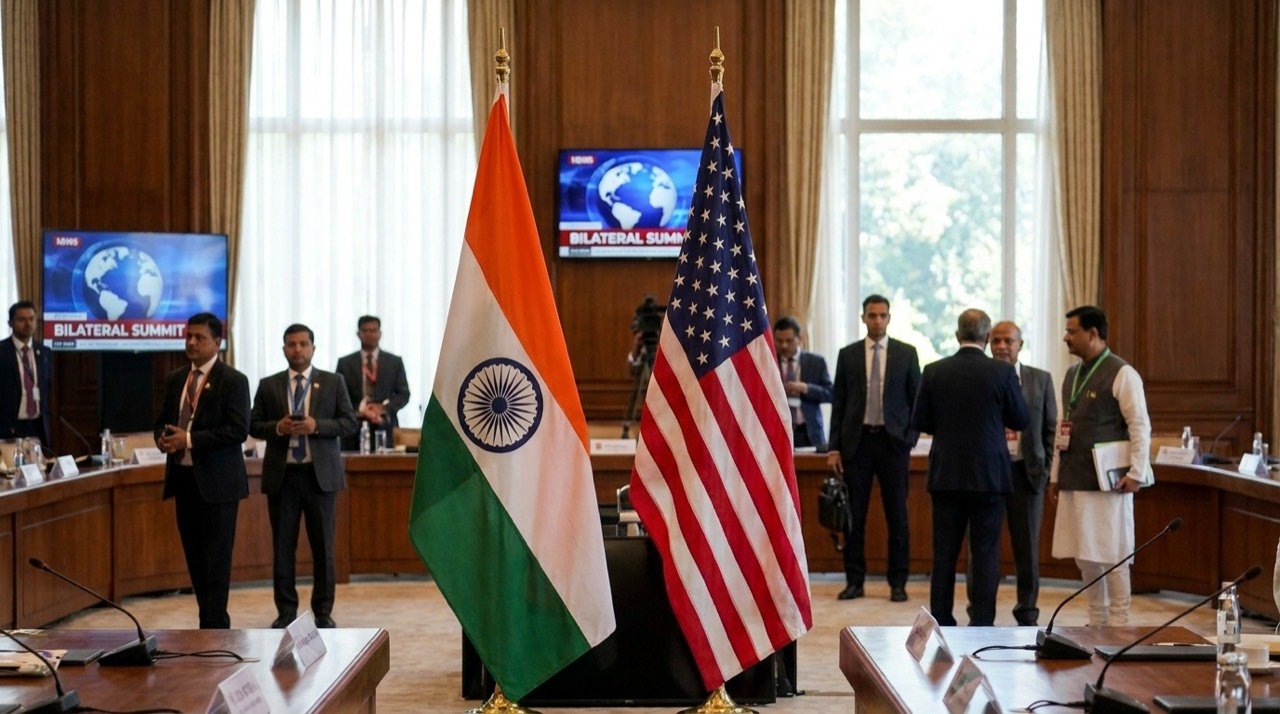
India and Canada Push to Seal the Reset, Targeting a Trade Pact by Year-End
Buoyed by personal rapport between Narendra Modi and Mark Carney, New Delhi and Ottawa are working to convert a fragile diplomatic thaw into a comprehensive trade agreement, with implications for students, professionals and the large Indo-Canadian diaspora.

India-China Talks: Wang Yi, Doval Put Border Calm and Core Interests in Focus
Chinese Foreign Minister Wang Yi told NSA Ajit Doval in New Delhi that India and China must respect each other's core interests and keep the border issue in its proper place within the broader relationship.

India Brace For High-Stakes Pakistan Double-Header In FIH Pro League London Leg
India's struggling Pro League campaign heads to London for two charged clashes with Pakistan, as the men's hockey team chases form and momentum before a demanding World Cup year.
More from this section
More
Ahmedabad Bullet Train Station Gets Kite-Inspired Multimodal Hub Plan
Ahmedabad's bullet train station is set to be developed as a multimodal transport hub with a kite-inspired design, giving India's high-speed rail project a distinctive urban landmark rooted in local identity.

Arrest in Bengaluru Daycare Case Deepens Child Safety Questions
Bengaluru police have arrested a woman connected to the daycare case at a Capgemini campus facility, sharpening scrutiny of caregiver vetting, oversight and accountability at workplace-linked childcare centres.

Assam Case Shows PAN and Voter Cards Are Not Citizenship Proof
A man declared a foreigner in Assam despite holding multiple identity documents has highlighted a crucial legal distinction: everyday IDs establish identity, not citizenship, when a person's legal status is challenged.