India Refining Capacity Expansion Powers New Energy Push
India's plans to expand oil refining capacity are back in the spotlight, underlining how fuel infrastructure remains central to demand, exports and energy security even as the clean-energy transition gathers pace.
The NE Times Business Desk
Commentary & Analysis ·

India's push to expand its oil refining capacity has re-emerged as a major energy-infrastructure story, featuring among the July 5 business developments tracked by NDTV and financial news desks. The renewed attention reflects a simple reality: as one of the world's largest energy consumers and a significant exporter of petroleum products, India's refining muscle sits at the heart of its growth story.
Why refining capacity matters
Additional refining capacity serves several goals at once. It helps meet rising domestic fuel demand, supports exports of refined products, and gives Indian refiners greater flexibility in sourcing crude from diverse suppliers — a strategic advantage in volatile global markets. The framing is as much about security as about commerce.
Questions the expansion raises
Expansion is not without trade-offs. Large refinery projects involve heavy investment costs, tighter environmental standards, and assumptions about long-term fuel demand at a time when electric mobility and biofuels are growing. The next details to watch will be project locations, timelines, investment size and the environmental safeguards attached to each build-out.
Beyond the plants themselves, the programme connects to jobs, ports, pipelines and regional industrial development, making refining capacity a broader economic story rather than a narrow energy-sector one.
The NE Times View
India's refining expansion captures the central tension of its energy strategy: the country must serve today's fuel demand while building tomorrow's cleaner systems. Doubling down on refining is pragmatic — the transition will take decades, and energy security cannot wait — but the risk of stranded assets is real if demand projections prove optimistic. The wiser course is to pair every new refinery with credible environmental safeguards and flexibility to pivot toward petrochemicals and biofuels. For readers, the takeaway is that India's energy transition will be managed, not sudden, and refining will bankroll much of the journey.
This article is original commentary and analysis by The NE Times. Background facts were referenced from NDTV and The Economic Times.
You may also like to read
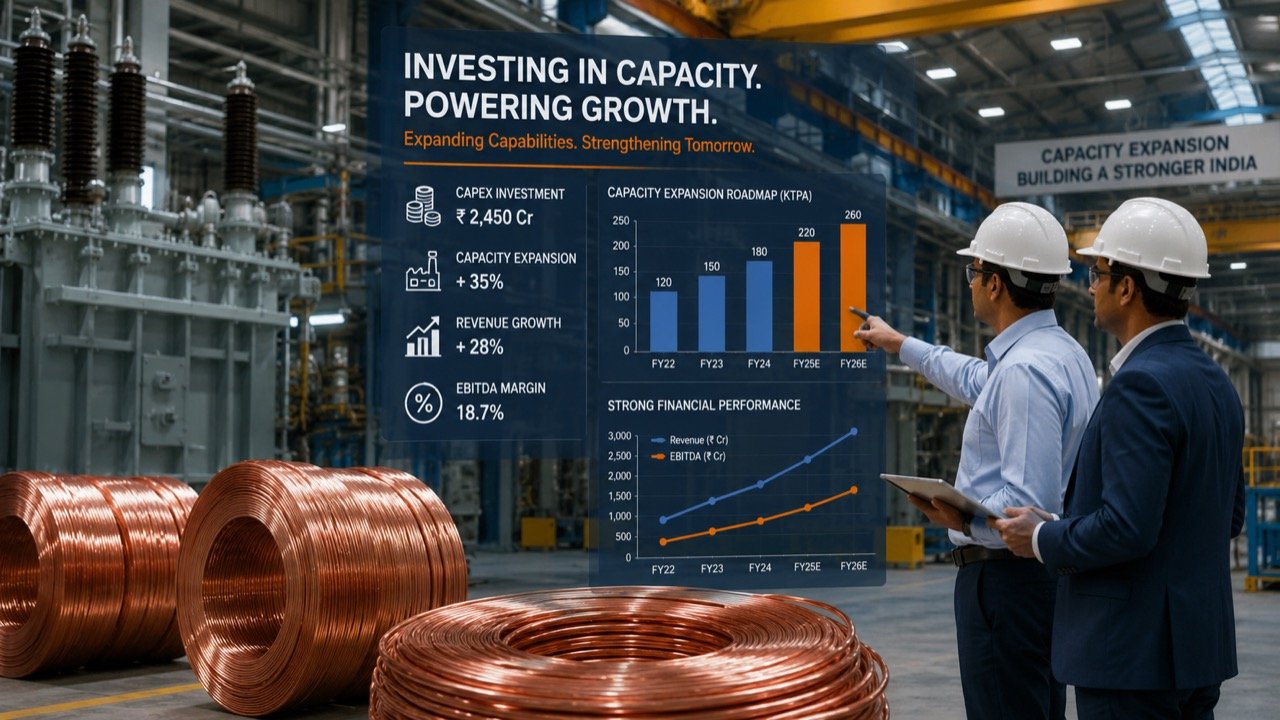
India Copper Capacity Push Grows Urgent as Clean Energy Demand Rises
Rising demand from solar, wind, electric vehicles and grid expansion is turning India's copper supply into a strategic industrial question, with capacity gaps threatening costs and project timelines.
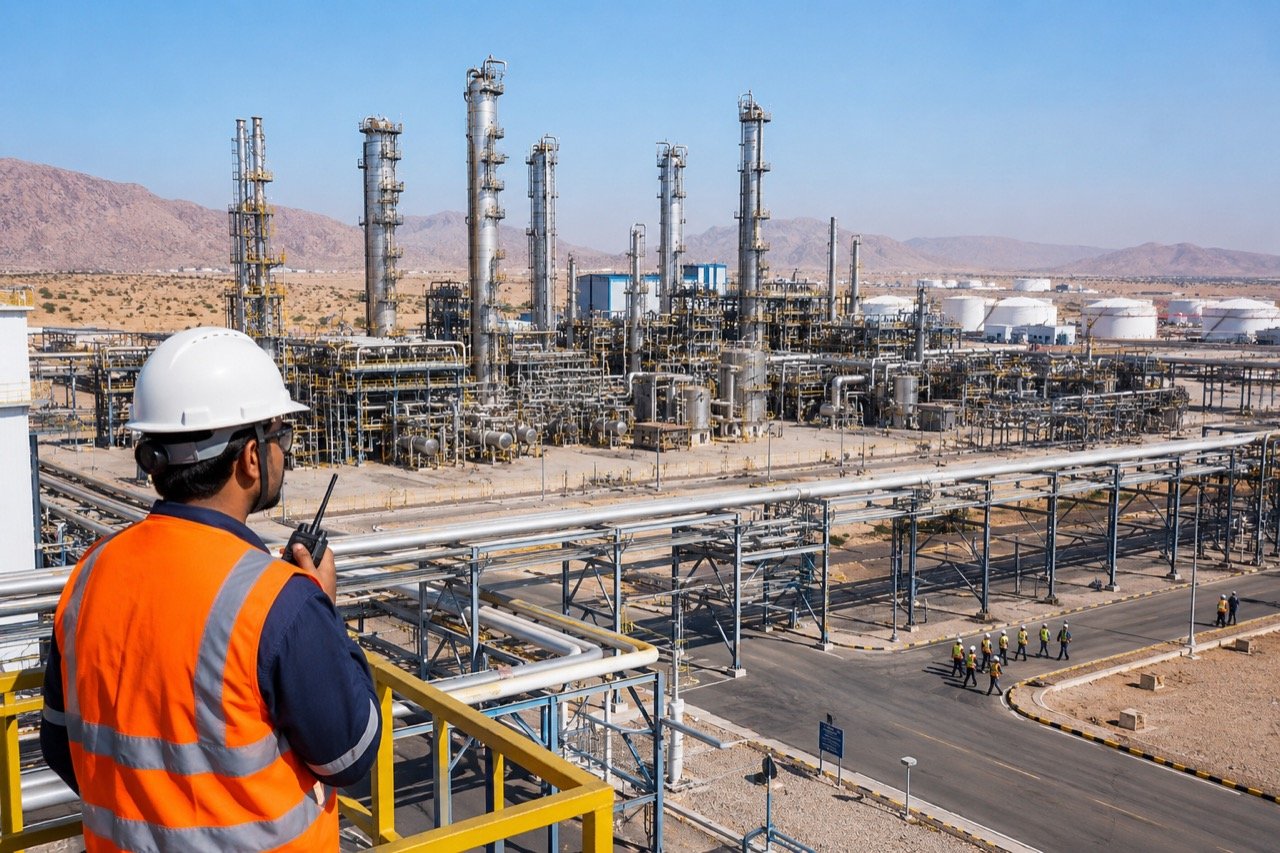
Modi Opens Pachpadra Refinery: Energy Security and Jobs at Stake
Prime Minister Narendra Modi has inaugurated the HPCL Rajasthan Refinery at Pachpadra, a mega project that puts India's energy security, industrial investment and regional employment squarely in the spotlight.
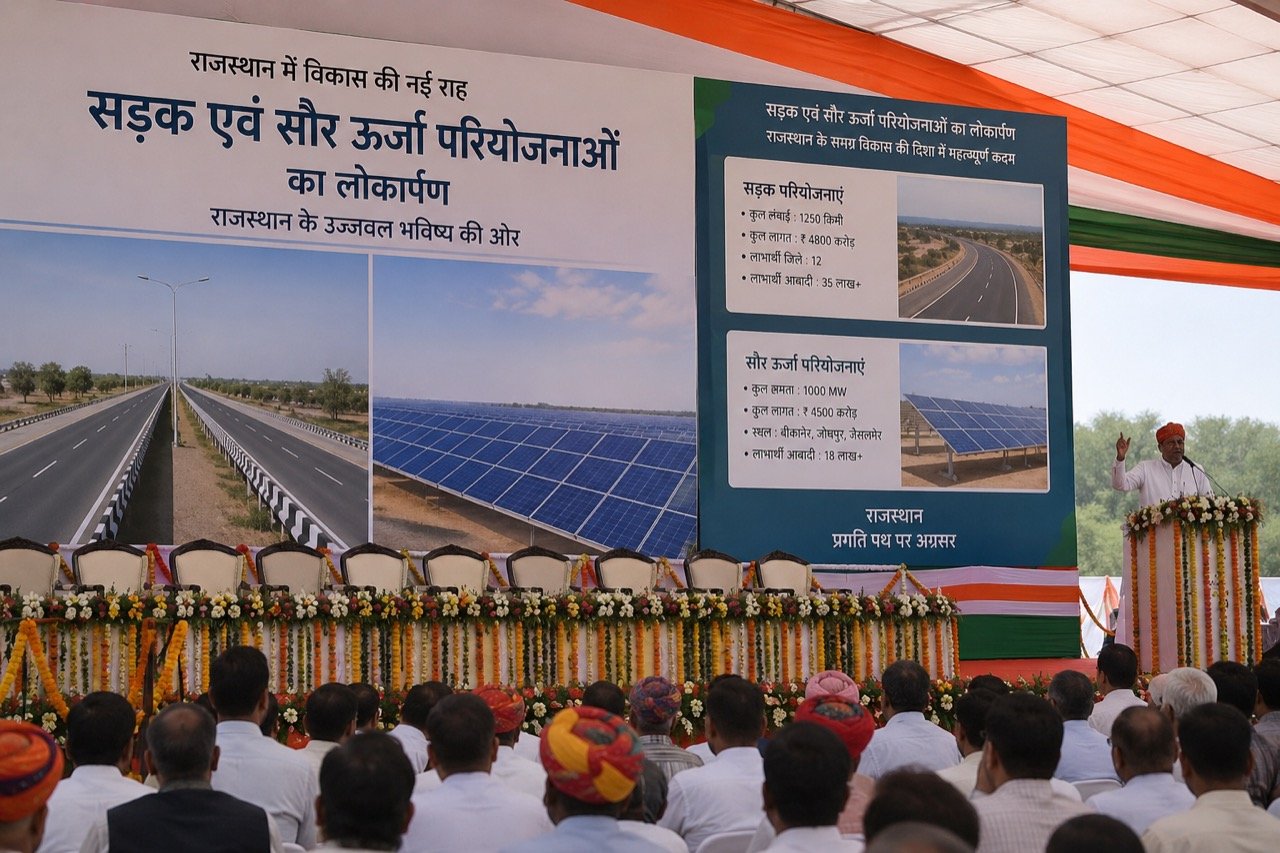
Modi's Balotra Push: Rs 1.06 Lakh Crore Projects and Energy Message
Prime Minister Narendra Modi's visit to Balotra in Rajasthan paired development projects worth around Rs 1.06 lakh crore with remarks crediting India's diplomacy for steering the country through West Asia-linked energy pressures.
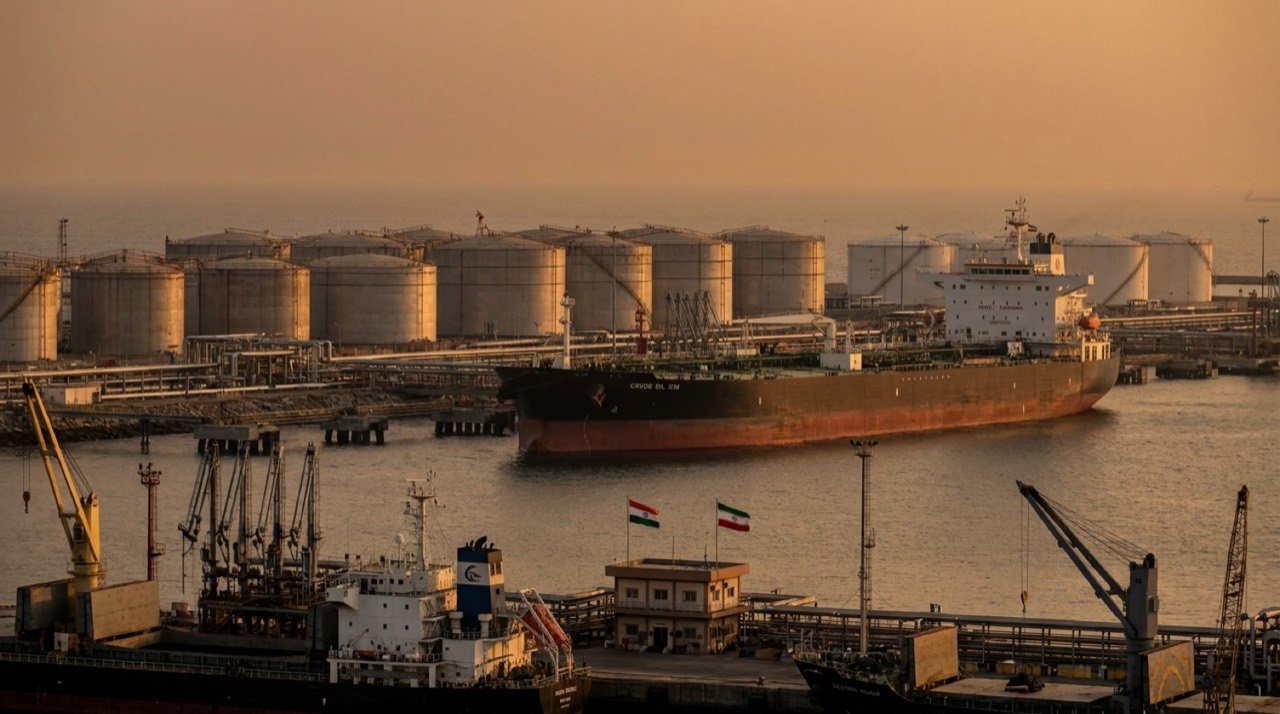
Iran's Crude Outreach Puts Indian Refiners Back in Market Focus
Tehran's renewed pitch to oil buyers has pulled Indian refiners into fresh talks, but sanctions, payment channels, insurance and freight still stand between exploratory contact and confirmed cargoes.
More from this section
More
Adani Case: US DOJ Pushes for Permanent Dismissal of Charges
The US Department of Justice has urged a judge to permanently dismiss charges against Gautam Adani, calling the case legally flawed — a reversal with consequences for markets, diplomacy and cross-border enforcement.

Akasa Air Inducts 40th Aircraft in Indian Aviation Scale-Up
Akasa Air's 40th aircraft, ferried to Bengaluru via Seattle, Reykjavik and Cairo, marks a fleet milestone for the young carrier and a fresh signal that India's aviation market remains firmly in expansion mode.

BARC Ratings Suspension Leaves Indian TV Industry Flying Blind
BARC's pause on television ratings has put India's broadcast measurement system under fresh scrutiny, leaving broadcasters, advertisers and media planners without the weekly audience data that anchors the TV economy.