India Lifts Natural Gas Curbs as Middle East Tensions Ease
The Centre has rolled back emergency natural gas restrictions imposed in March to shield priority sectors, signalling that policymakers judge the immediate supply risk from West Asian instability to have receded.
The NE Times National Desk
Commentary & Analysis ·

India has lifted emergency curbs on natural gas supplies after tensions in the Middle East eased, Reuters reported via NDTV. The restrictions, invoked in March, had diverted gas away from non-priority sectors to protect key users during a period of heightened geopolitical risk.
Why the rollback matters
Gas allocation directly affects power generation, fertiliser production, manufacturing and other industries that depend on reliable energy inputs. While the emergency measures were in force, businesses outside the priority list faced cost and availability pressures. Removing the curbs signals that the government sees the immediate supply threat as substantially reduced.
Energy policy tied to geopolitics
India imports a large share of its energy needs, which means developments in West Asia can translate quickly into domestic consequences. The March curbs showed how fast policy can move when external conditions deteriorate; the rollback shows the same speed in reverse once risk recedes.
The episode also illustrates how governments deploy emergency tools to protect essential sectors. Such measures can be necessary during disruption, but they impose real trade-offs on firms outside the protected list — making a timely return to normal supply arrangements an economic relief in itself.
The NE Times View
The lifting of these curbs is welcome, but the deeper lesson should not be lost in the relief. India's industrial base spent months hostage to events thousands of kilometres away because the country still lacks adequate strategic gas storage and diversified supply contracts. Emergency allocation is a blunt instrument that punishes precisely the manufacturers India wants to grow. New Delhi should use this breathing space to expand storage capacity, lock in long-term LNG deals across geographies, and accelerate domestic production — so the next West Asian flare-up does not force the same painful triage.
This article is original commentary and analysis by The NE Times. Background facts were referenced from NDTV and Reuters.
You may also like to read
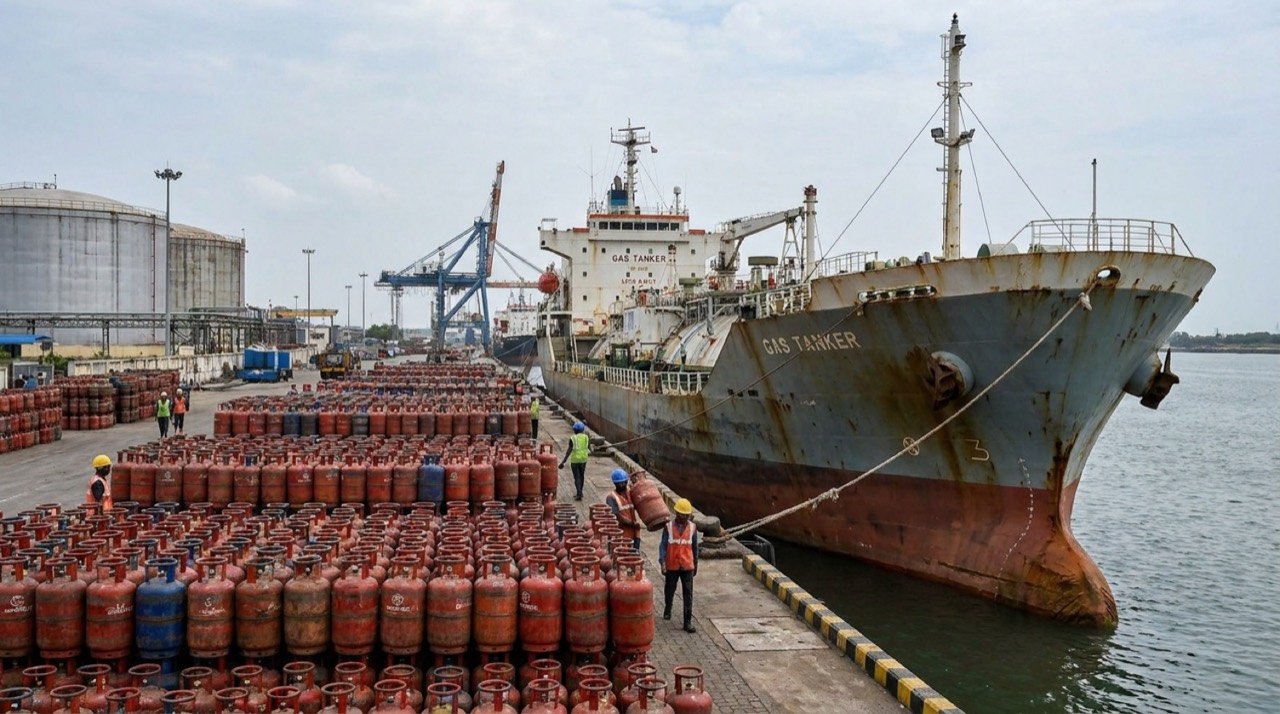
India's US LPG Imports Set to Cross Record 1 Million Tonnes in June Amid Middle East Disruption
India's cooking-gas imports from the United States are poised to top a record 1 million tonnes in June as refiners diversify away from Gulf supply disrupted by tension around the Strait of Hormuz.
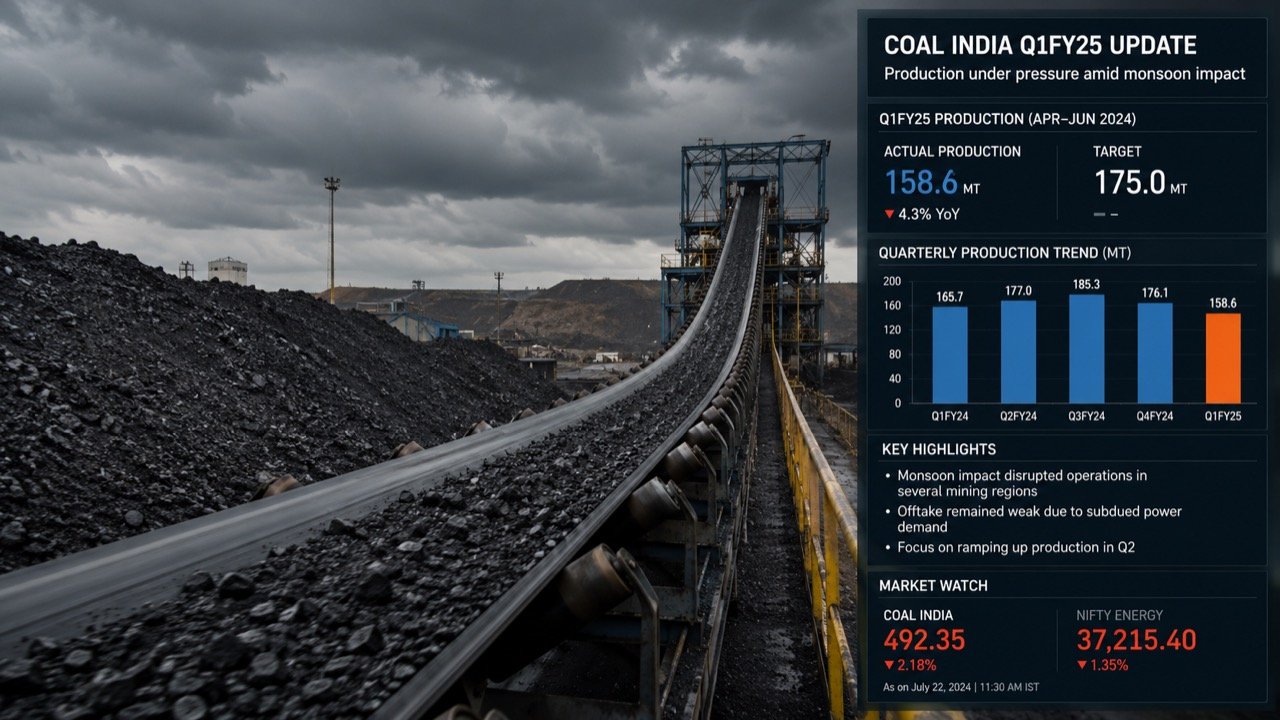
Coal India Q1 Output Falls, Raising Monsoon Power Supply Questions
A reported first-quarter production decline at Coal India has put mining trends, monsoon disruption and power-sector inventory planning under scrutiny, given coal's central role in keeping India's lights on.
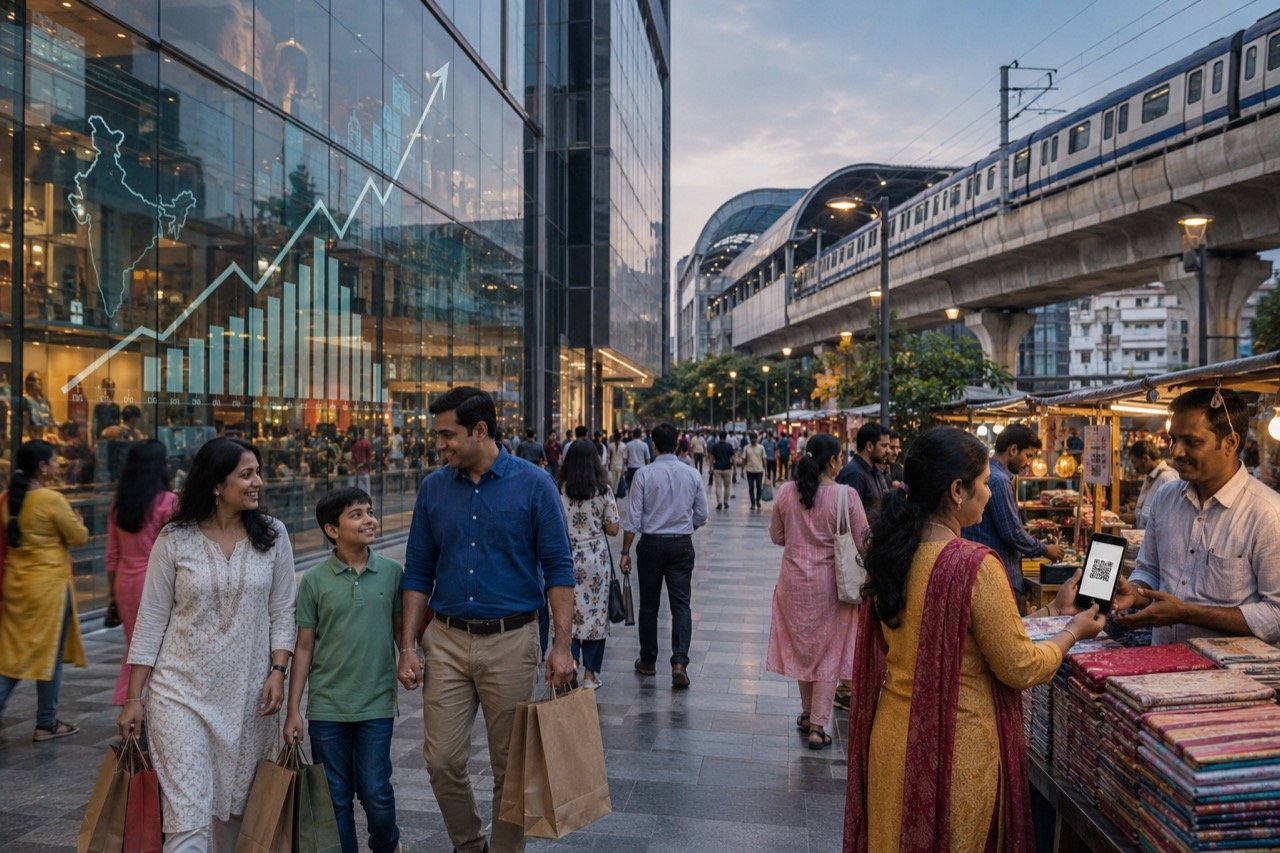
Sitharaman Credits Middle-Class Spending for India's Growth Run
Speaking at a panel in France, Finance Minister Nirmala Sitharaman said middle-class consumption helped India stay the fastest-growing large economy after Covid, putting the consumer economy back at the heart of the growth debate.
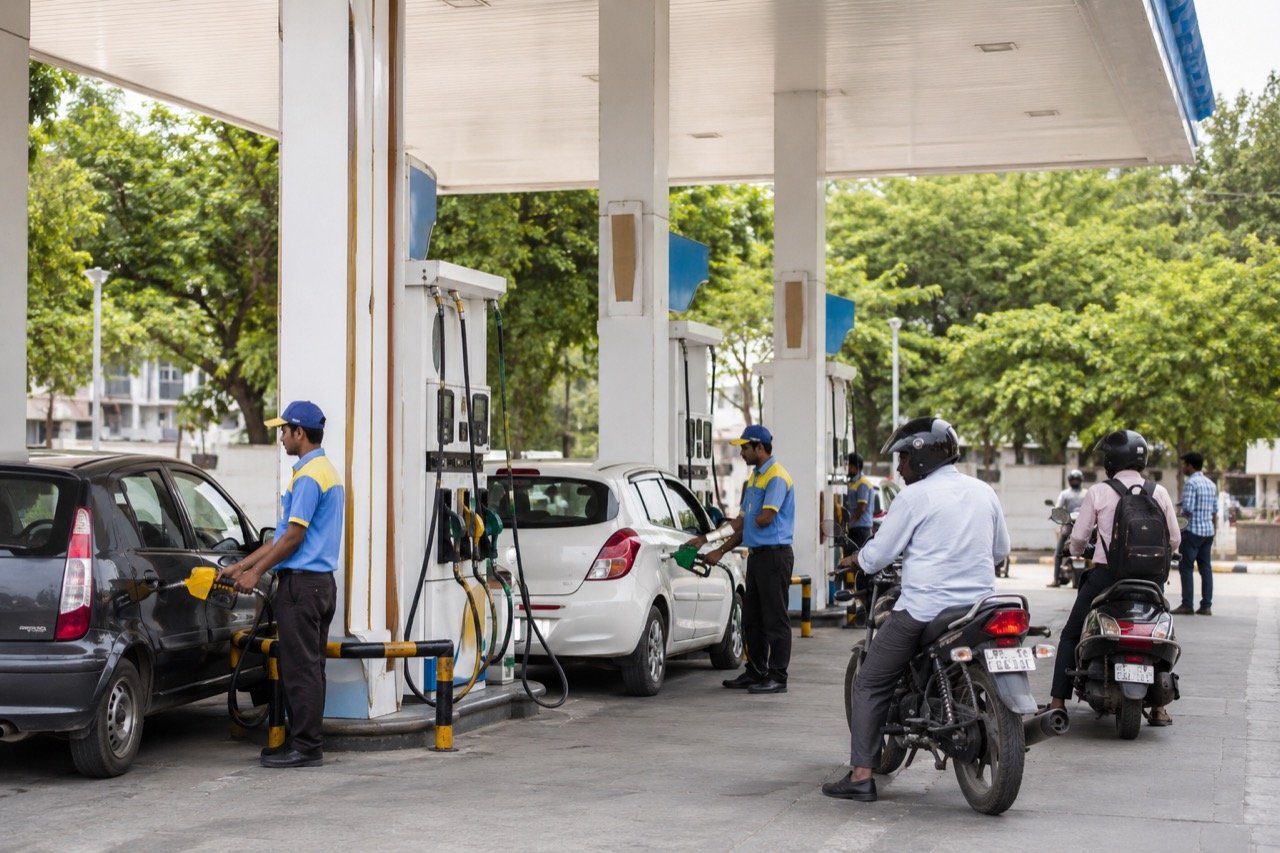
India to Lift Petrol and Diesel Sale Curbs From July 1
Restrictions on the sale of petrol and diesel are set to be lifted from July 1, easing uncertainty for motorists, transport operators and fuel retailers even as cities push a parallel shift to electric mobility.
More from this section
More
AICTE Industry Fellowship 2026: Rs 1.5 Lakh Scheme Closes July 5
The AICTE Industry Fellowship Programme 2026, which places technical-education faculty inside leading companies on a Rs 1.5 lakh monthly stipend, reached its application deadline on July 5.
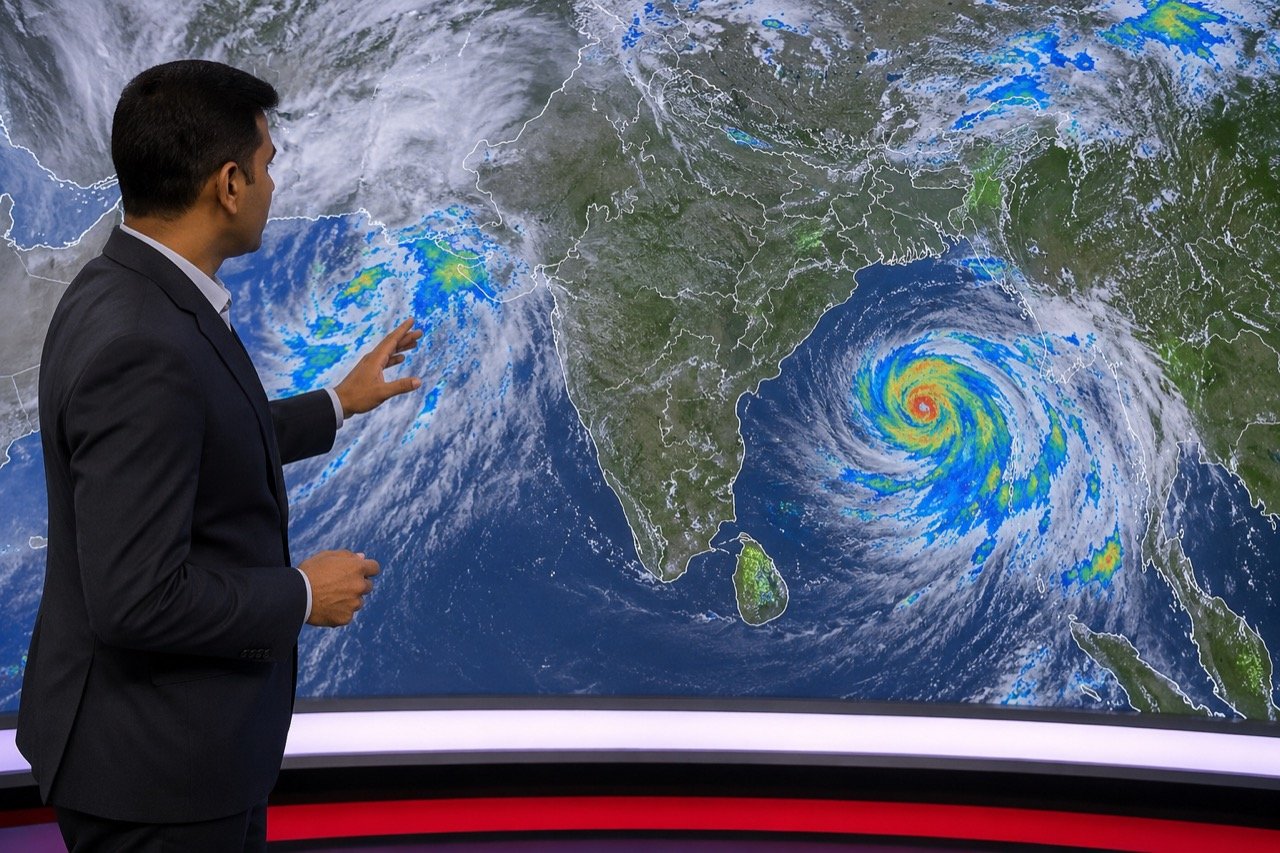
Bay of Bengal Low Pressure System Revives Monsoon Over Western India
A low-pressure system over the Bay of Bengal has pushed the monsoon back into an active phase, bringing steady heavy rain to Kerala, coastal Karnataka and Maharashtra, and putting Mumbai and Pune on preparedness watch.
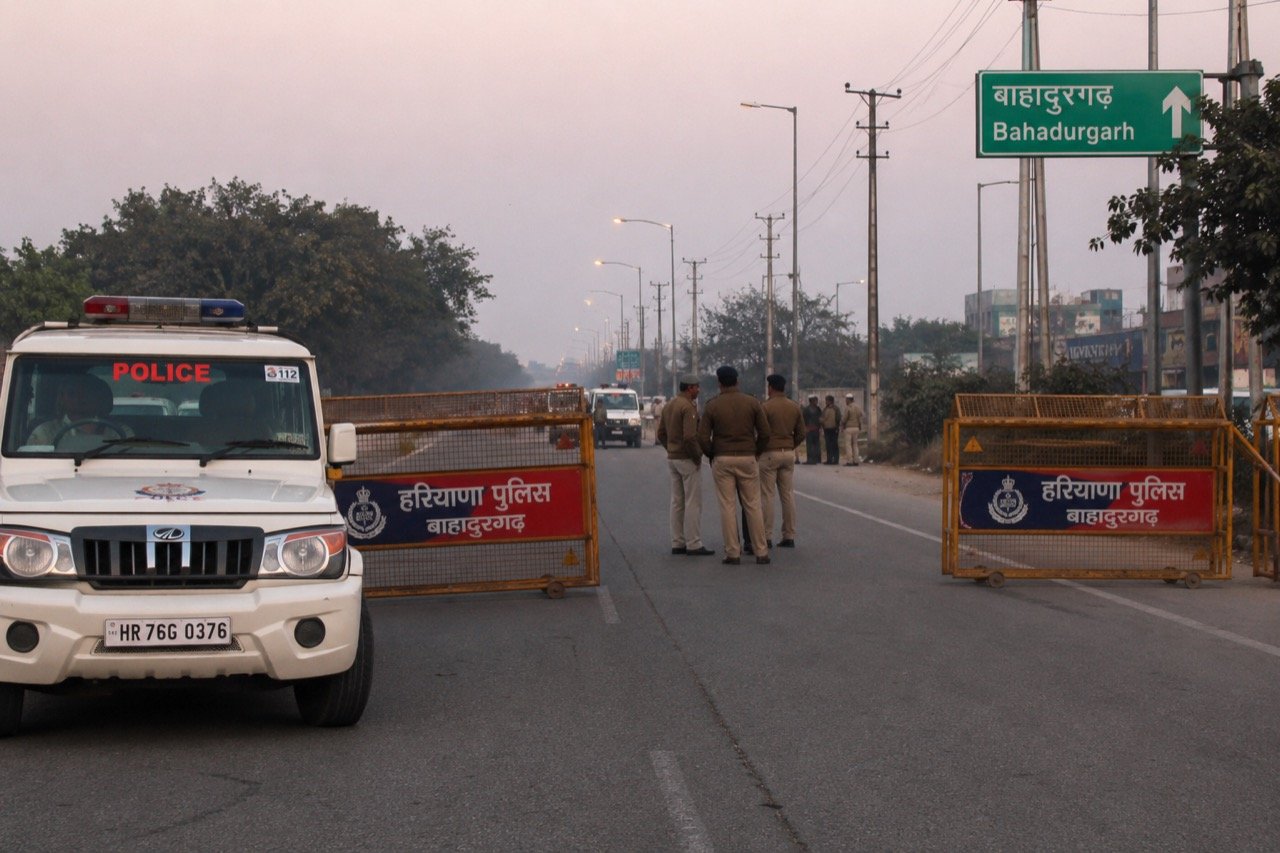
Bishnoi Gang Suspects Injured in Haryana Encounter as Police Tighten Net
A joint Haryana-Delhi Police operation in Bahadurgarh left two suspected Lawrence Bishnoi gang members injured, spotlighting the multi-state coordination now central to India's fight against organised crime networks.