BrahMos Talks With Indonesia Sharpen India's Defence Export Push
A possible BrahMos missile agreement with Jakarta, in focus ahead of Prime Minister Modi's Indonesia engagement, underlines India's ambition to become a serious defence exporter across Southeast Asia.
The NE Times Politics Desk
Commentary & Analysis ·
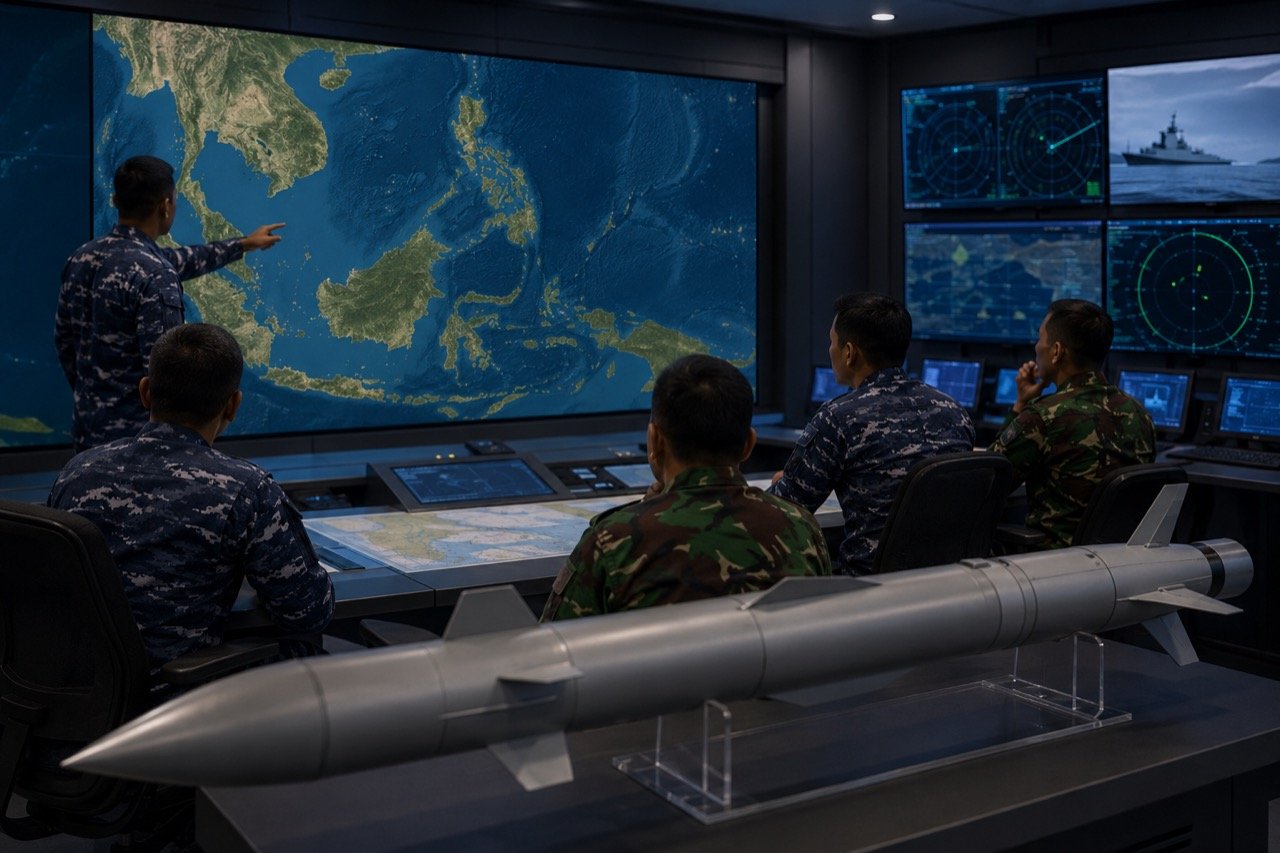
A potential BrahMos missile agreement with Indonesia has emerged as one of the sharpest strategic storylines around India's upcoming regional diplomacy. According to the Economic Times, Prime Minister Narendra Modi's Indonesia engagement is drawing attention precisely because it could advance a long-discussed BrahMos deal and add heft to India's defence export profile.
BrahMos is no routine platform. The supersonic cruise missile, developed jointly by India and Russia, sits at the high end of India's export ambitions. A deal with Jakarta would follow the landmark Philippines contract and signal that India intends to be a supplier — not just a buyer — in the global security market.
A contested Indo-Pacific raises the stakes
The regional context makes the talks more consequential. Southeast Asian nations are investing heavily in maritime domain awareness and deterrence as the Indo-Pacific grows more contested. For India, defence partnerships of this kind are woven into its Act East and wider Indo-Pacific strategy, building strategic trust while opening larger markets for Indian industry.
No final agreement should be assumed until it is officially announced. But the renewed attention itself is telling: defence exports, once a niche subject, are now firmly part of mainstream Indian foreign policy coverage, tied to industrial policy as much as to diplomacy.
The NE Times View
The Indonesia conversation shows how far India's strategic self-image has shifted in a decade. Selling BrahMos to a second ASEAN partner would do more than earn export revenue — it would embed India in the security architecture of a region where China's shadow looms large. The risk is overpromising: defence deals move slowly, and premature triumphalism can complicate quiet negotiations. New Delhi's best play is patient, delivery-focused diplomacy that lets completed contracts, like the one with Manila, do the advertising. If that discipline holds, India's defence industry could become one of its most persuasive foreign policy tools.
This article is original commentary and analysis by The NE Times. Background facts were referenced from Economic Times.
You may also like to read
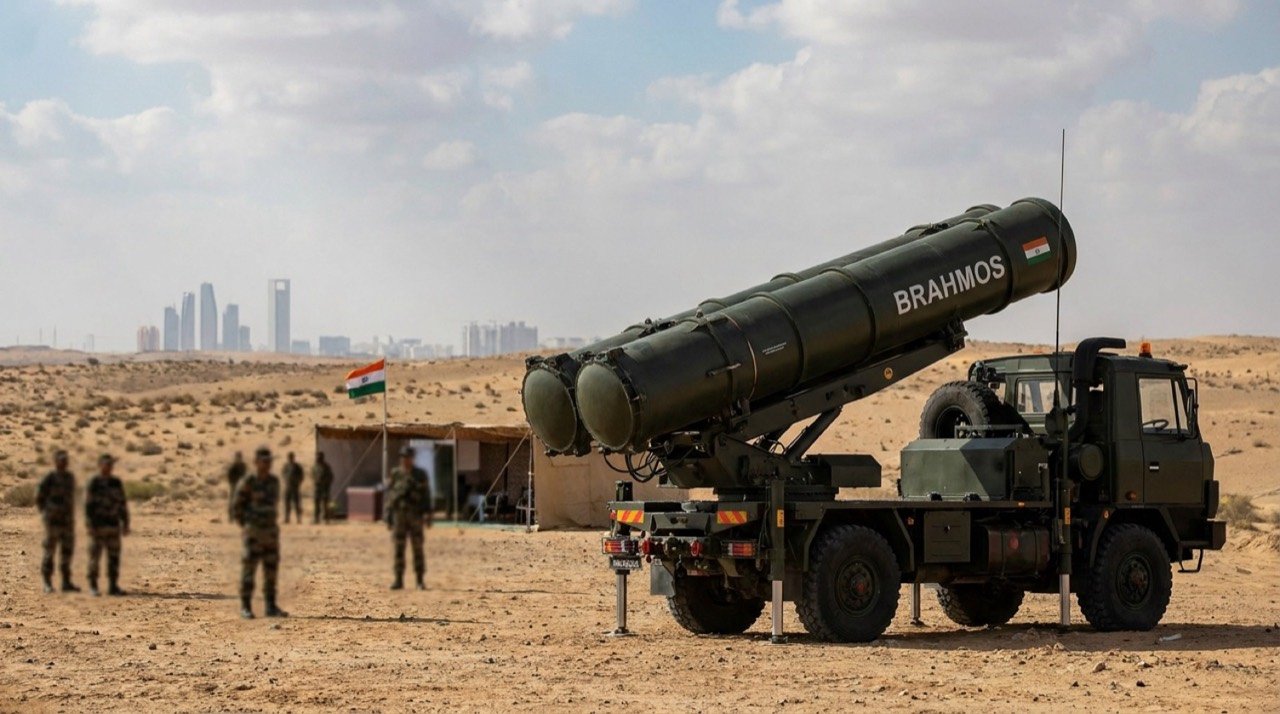
India-UAE BrahMos and Akashteer Talks Put Defence Exports in Focus
India and the UAE are reported to be discussing a possible defence purchase including the BrahMos supersonic cruise missile and the Akashteer air-defence system, signalling New Delhi's push from small contracts to strategic platforms.
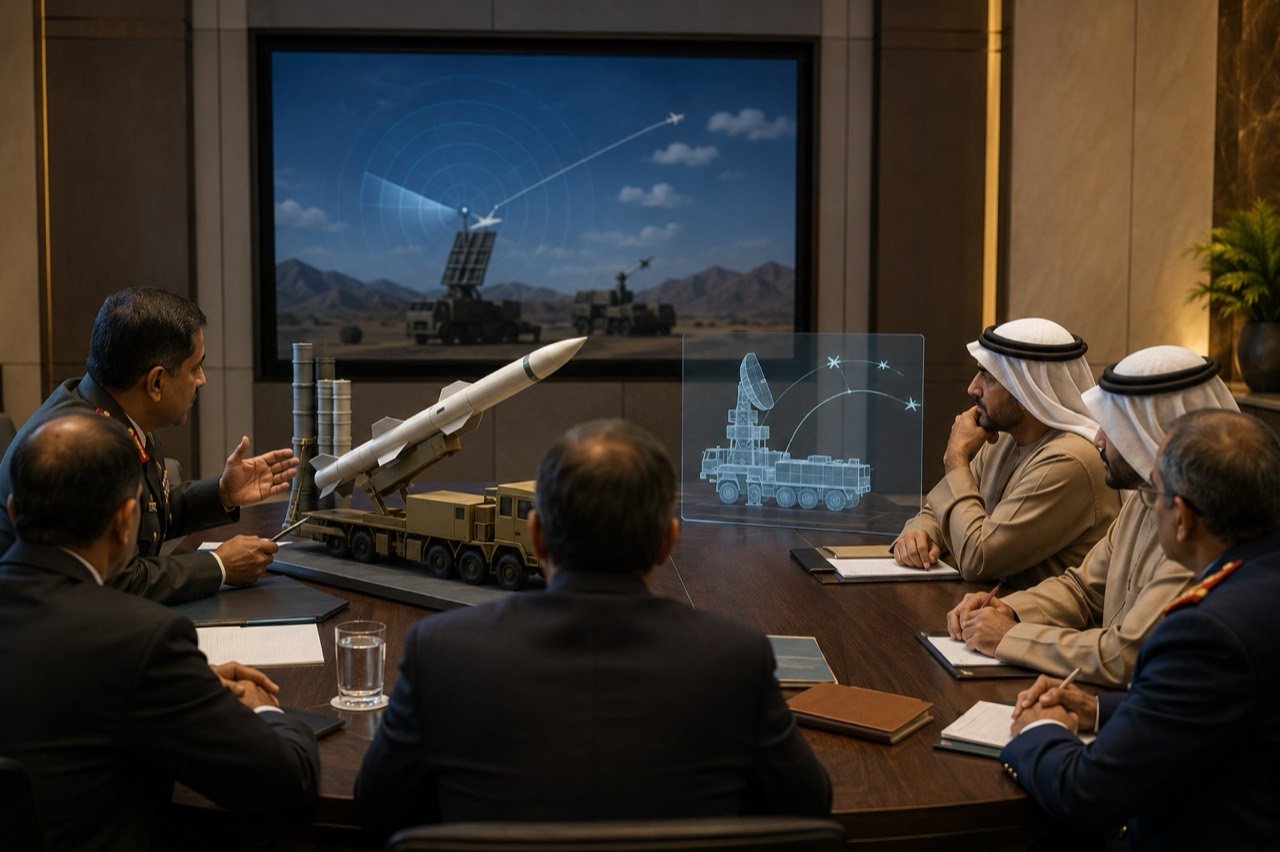
India-UAE Talks on BrahMos and Akashteer Open a New Defence Export Window
Early-stage talks for India to sell BrahMos supersonic cruise missiles and Akashteer air-defence systems to the UAE could mark a major step for Make in India and New Delhi's arms-export ambitions in the Gulf.

Modi Likely to Tour Indonesia, Australia and New Zealand in July
Prime Minister Narendra Modi is reported to be planning a three-nation Indo-Pacific tour from 6 to 11 July, spanning Indonesia, Australia and New Zealand, though the itinerary is not yet official.
India-Japan Summit Widens Ties Across AI, Defence and Chips
At their annual summit in New Delhi, Prime Ministers Modi and Takaichi unveiled a roadmap deepening cooperation on maritime security, artificial intelligence, semiconductors, shipbuilding and critical technologies.
More from this section
More
Jaishankar's Six-Nation Tour Kicks Off India's UNSC Seat Campaign
External Affairs Minister S. Jaishankar's July 5-15 tour of Qatar, Bahrain, Kuwait, Oman, the United States and Belgium doubles as bilateral outreach and the opening move of India's UN Security Council campaign.
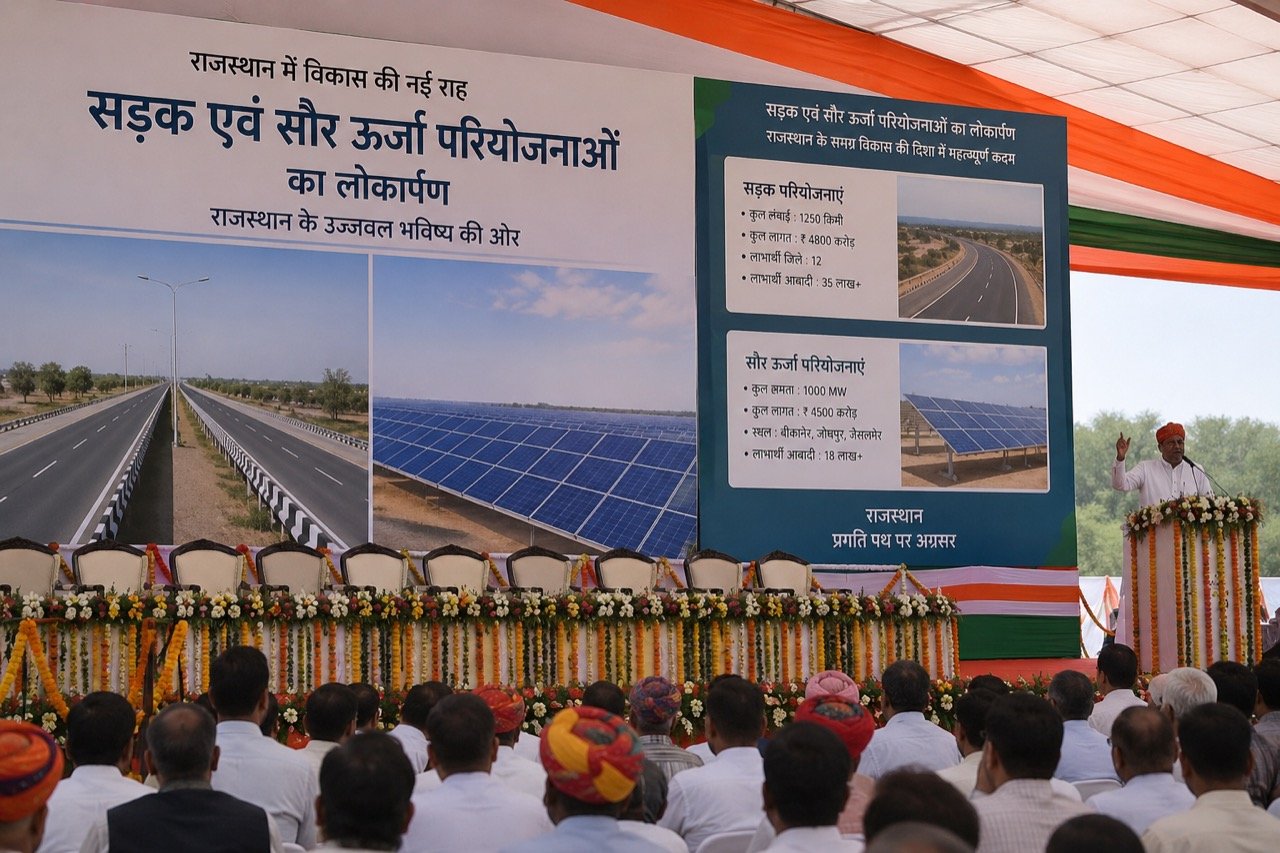
Modi's Balotra Push: Rs 1.06 Lakh Crore Projects and Energy Message
Prime Minister Narendra Modi's visit to Balotra in Rajasthan paired development projects worth around Rs 1.06 lakh crore with remarks crediting India's diplomacy for steering the country through West Asia-linked energy pressures.
Modi's Indo-Pacific Swing: Three Nations, One Diaspora-Driven Strategy
Prime Minister Narendra Modi travels to Indonesia, Australia and New Zealand from July 6 to 11, weaving diaspora outreach, trade ambitions and Indo-Pacific strategy into a single six-day diplomatic push.