India Copper Capacity Push Grows Urgent as Clean Energy Demand Rises
Rising demand from solar, wind, electric vehicles and grid expansion is turning India's copper supply into a strategic industrial question, with capacity gaps threatening costs and project timelines.
The NE Times Business Desk
Commentary & Analysis ·
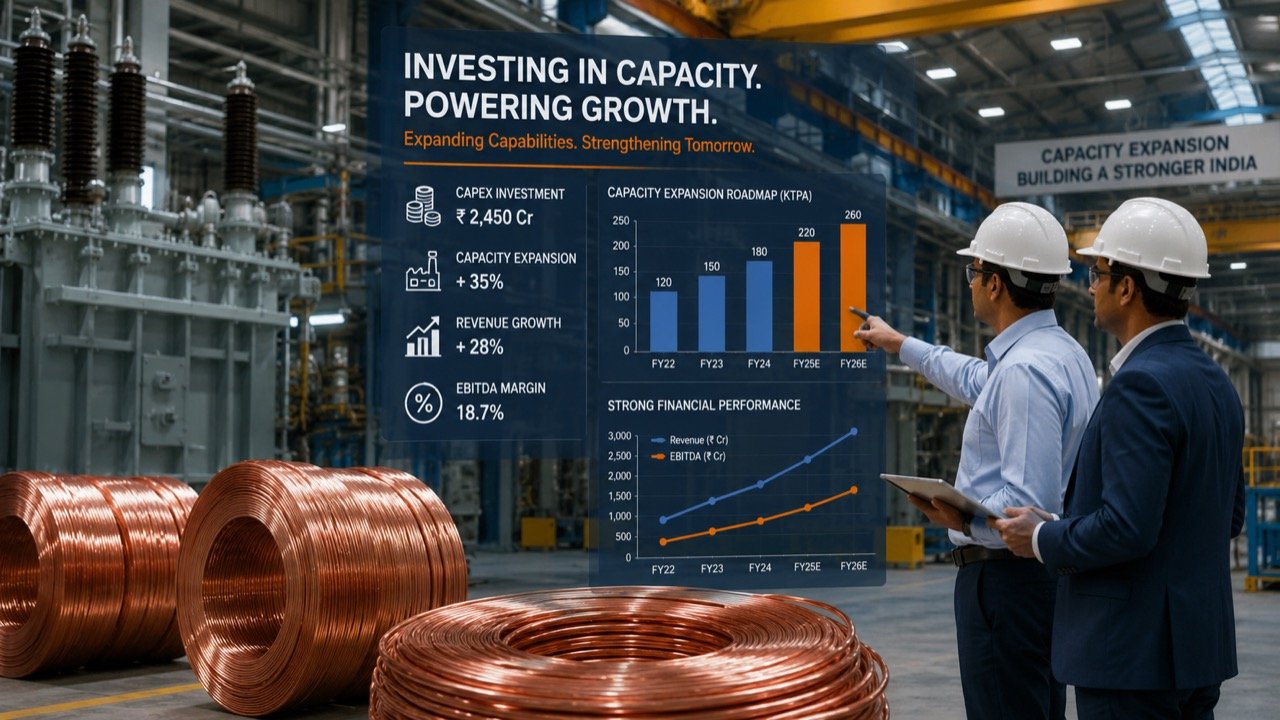
India needs to move faster on expanding copper capacity as demand from clean energy, electric vehicles, grid infrastructure and manufacturing climbs, according to industry-focused coverage cited by Business Standard. The red metal, long a workhorse of industry, is increasingly bound up with the economics of the energy transition.
Copper threads through almost every growth priority India has set for itself: power transmission lines, renewable-energy installations, electronics, construction and mobility. As the country scales up solar, wind, battery storage and domestic manufacturing, the metal's availability — and its price — can shape both project costs and delivery timelines.
Why the squeeze is tightening
Each of these sectors is copper-hungry. An electric vehicle uses several times the copper of a petrol car, and every gigawatt of renewable capacity drags kilometres of cabling and transformer metal behind it. With demand compounding across sectors simultaneously, supply that looked adequate a few years ago now looks exposed.
Capacity is more than mining
The expansion challenge goes well beyond digging more ore. It spans refining and smelting capacity, recycling of scrap, import arrangements, logistics and downstream fabrication. India's task, as the coverage frames it, is to reduce supply vulnerability without overstating what domestic capability can deliver in the near term — a balance between ambition and realism that will define policy choices on the metal.
The NE Times View
Copper is quietly becoming to the energy transition what crude oil was to the last industrial era, and India cannot afford to treat it as just another commodity line item. The lesson of recent years — from semiconductors to solar modules — is that supply concentration abroad eventually becomes a strategic cost at home. India should pursue a portfolio approach: new smelting and refining capacity, aggressive scrap recycling, and long-term sourcing deals, rather than betting on any single fix. If the clean-energy build-out is not to be throttled by a metals bottleneck, copper planning needs to start now, not when prices spike.
This article is original commentary and analysis by The NE Times. Background facts were referenced from Business Standard.
You may also like to read

India Refining Capacity Expansion Powers New Energy Push
India's plans to expand oil refining capacity are back in the spotlight, underlining how fuel infrastructure remains central to demand, exports and energy security even as the clean-energy transition gathers pace.
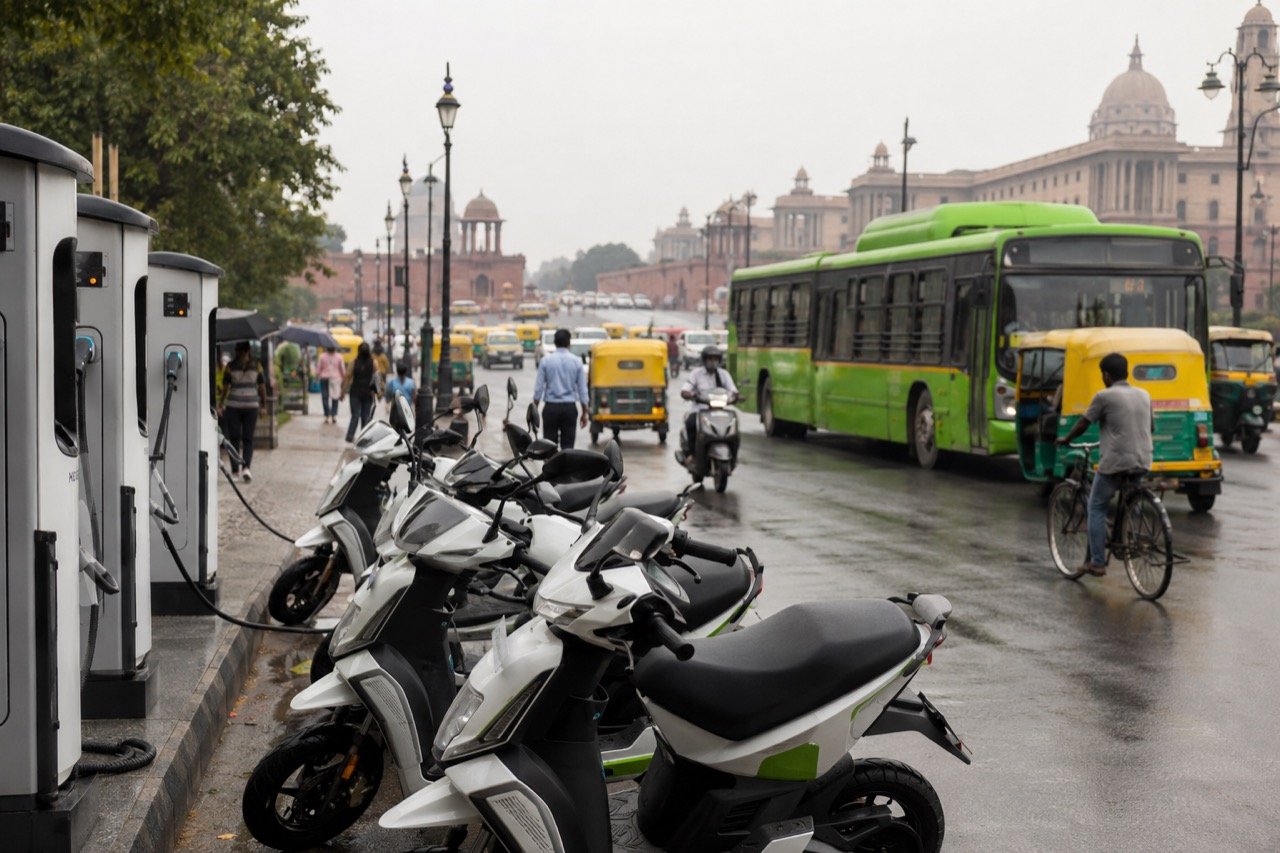
Delhi EV Policy 2.0: Ownership Costs, 2028 Petrol Bike Halt Explained
Chief Minister Rekha Gupta is pitching Delhi's new EV policy as a long-term ownership shift, pairing purchase incentives and charging infrastructure with a contested halt on new petrol two-wheeler registrations from April 2028.
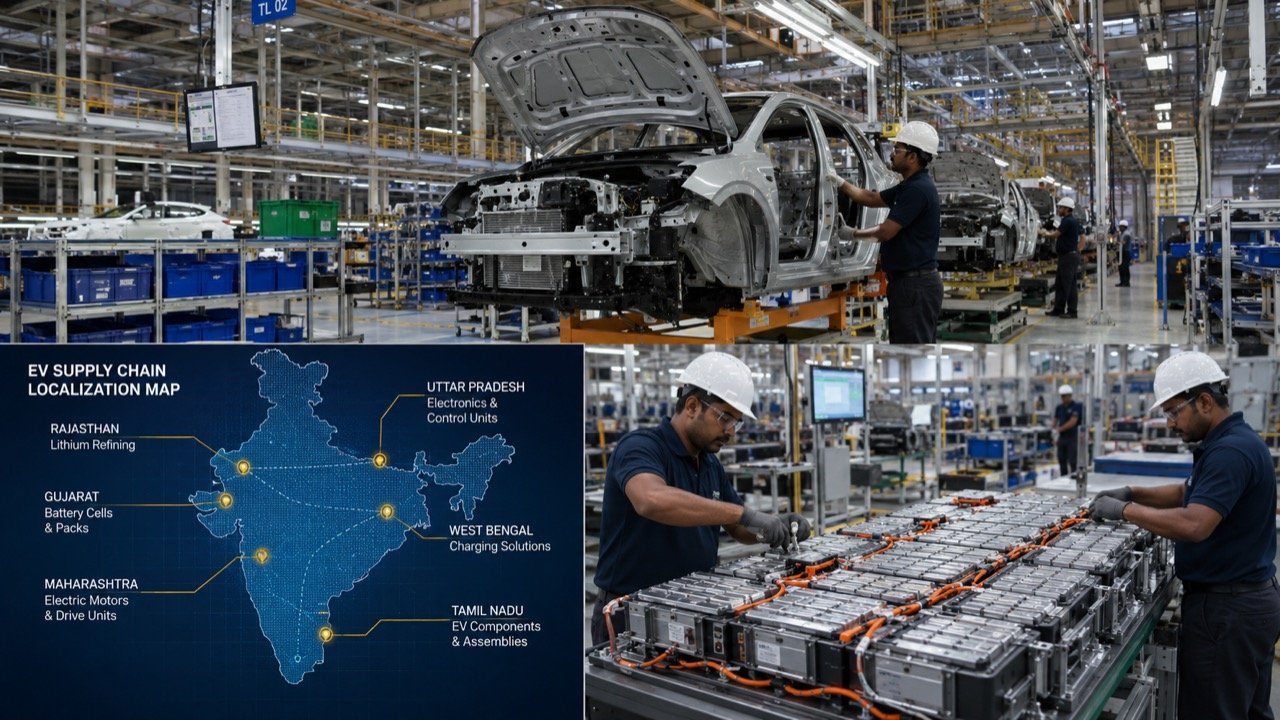
JSW MG Motor Targets 50% EV Parts Localisation in India
JSW MG Motor India's plan to source at least half of its electric-vehicle components domestically has turned a spotlight on the readiness of India's EV supply chain, from batteries to power electronics.
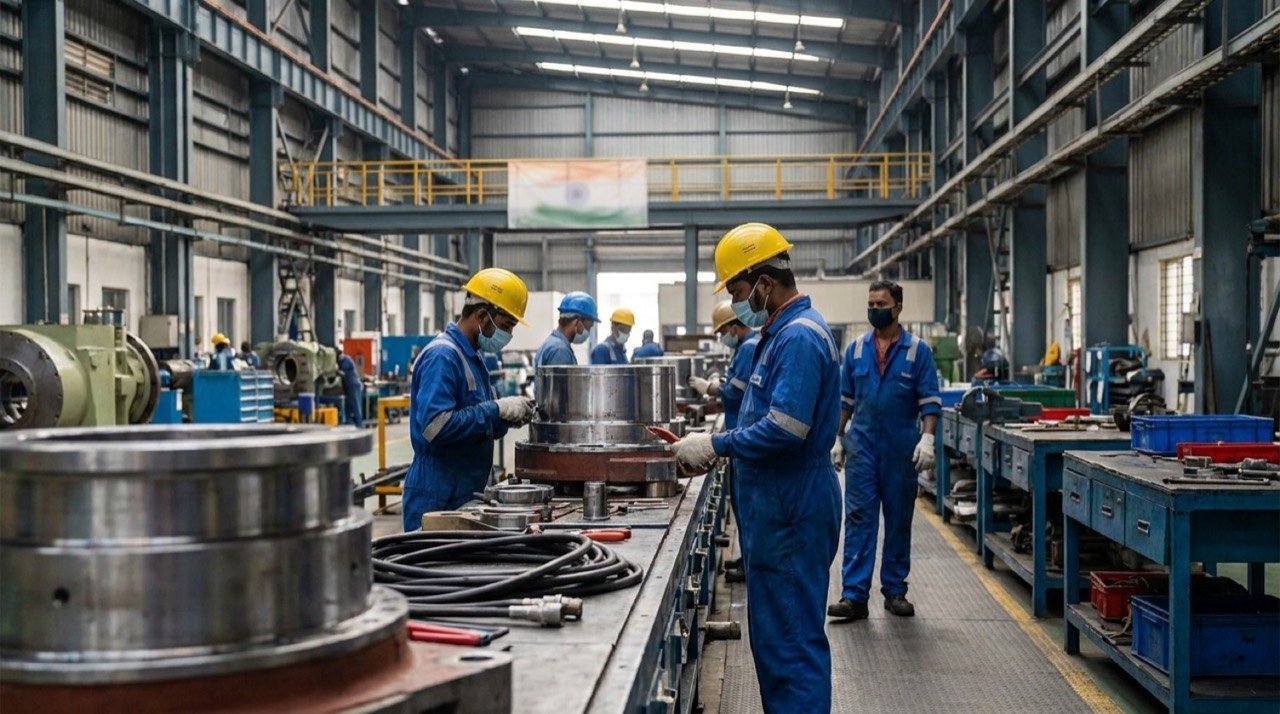
Defence Ministry Plans Seven Manufacturing Clusters to Boost Military Production
India's Ministry of Defence is reported to be planning seven manufacturing clusters to deepen supply chains, cut import dependence and draw private industry into higher-value military production.
More from this section
More
Adani Case: US DOJ Pushes for Permanent Dismissal of Charges
The US Department of Justice has urged a judge to permanently dismiss charges against Gautam Adani, calling the case legally flawed — a reversal with consequences for markets, diplomacy and cross-border enforcement.

Akasa Air Inducts 40th Aircraft in Indian Aviation Scale-Up
Akasa Air's 40th aircraft, ferried to Bengaluru via Seattle, Reykjavik and Cairo, marks a fleet milestone for the young carrier and a fresh signal that India's aviation market remains firmly in expansion mode.
BARC Ratings Suspension Leaves Indian TV Industry Flying Blind
BARC's pause on television ratings has put India's broadcast measurement system under fresh scrutiny, leaving broadcasters, advertisers and media planners without the weekly audience data that anchors the TV economy.