India AI Law: Regulation Debate Weighs Innovation Against User Safety
India's debate over artificial-intelligence regulation is shifting from broad principles to hard questions of liability, deepfake labelling and high-risk system obligations, as the government weighs how to protect users without stifling innovation.
The NE Times Technology Desk
Commentary & Analysis ·
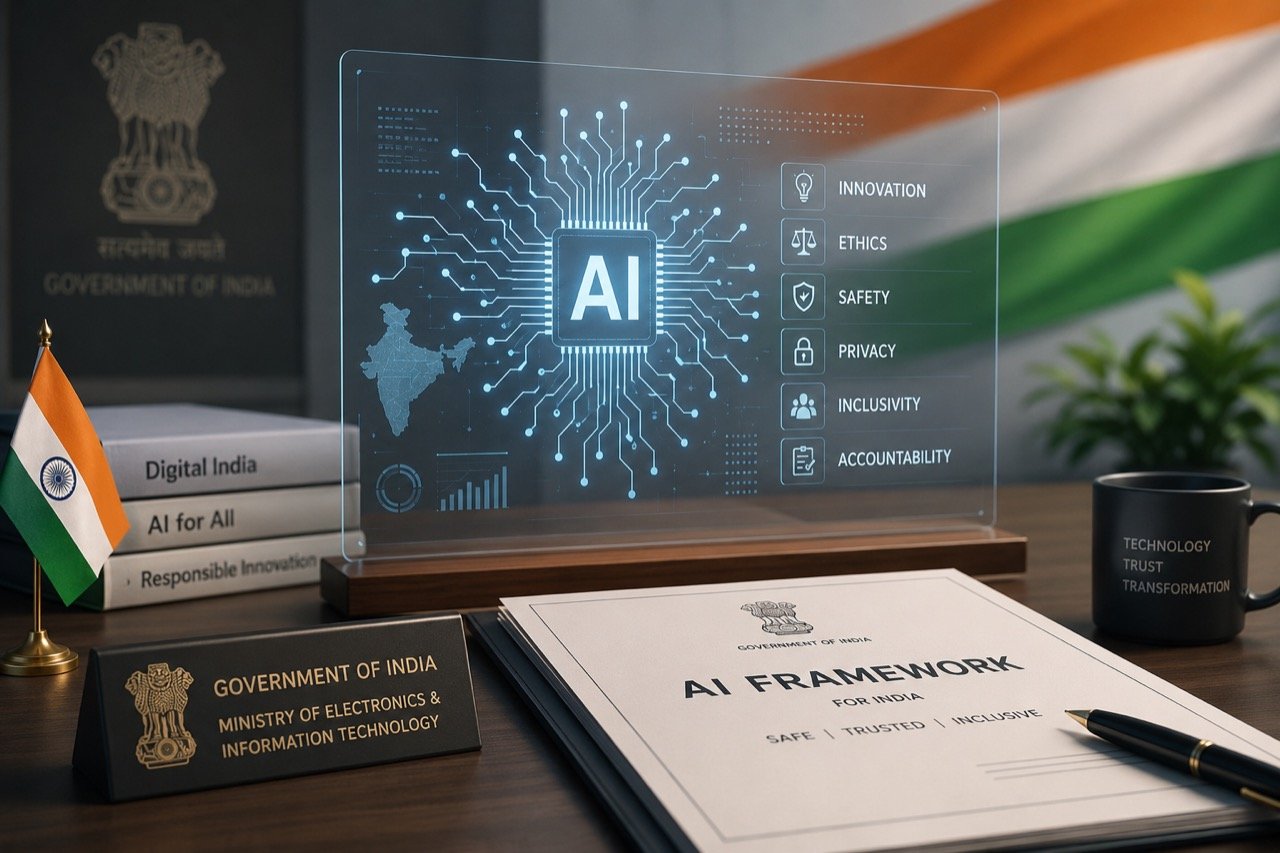
India's debate over how to regulate artificial intelligence is sharpening into one of the country's biggest technology-policy stories. Reports that the government is weighing legal and regulatory options have intensified public interest, reflecting India's dual identity as both a huge AI market and a fast-growing builder of AI products.
The policy challenge is delicate. New Delhi wants startups, enterprises and public-sector systems to adopt AI aggressively, yet citizens need protection from deepfakes, fraud, discrimination, privacy abuse and opaque automated decisions. A law that is too vague risks chilling innovation; a framework that is too weak leaves users exposed.
The practical questions on the table
The core public-interest questions are concrete: who is liable when an AI system causes harm, what obligations should apply to high-risk systems, how synthetic media should be labelled, and how regulators can enforce rules without overwhelming smaller companies with compliance burdens.
Rather than a single sweeping statute, India may opt for a layered approach — combining rules under existing IT law, sector-specific guidelines and future dedicated legislation. That would let regulators move quickly on urgent harms like deepfakes while longer-term architecture takes shape.
The story will stay live because AI adoption is outpacing public understanding. The next meaningful milestone to watch is a draft bill, consultation paper or official statement that sets out specific obligations rather than broad principles.
The NE Times View
India has a rare second-mover advantage here: it can study the EU's compliance-heavy AI Act and the lighter-touch approaches elsewhere, and pick what fits a country of 1.4 billion users and a young startup ecosystem. The priority should be clear liability rules and fast, enforceable action against deepfakes and AI-enabled fraud — the harms Indians actually face today — rather than sprawling paperwork regimes. Whatever framework emerges, the government must publish drafts early and consult widely; regulation written behind closed doors rarely survives contact with technology moving this fast.
This article is original commentary and analysis by The NE Times. Background facts were referenced from Economic Times Tech, the Ministry of Electronics and IT, and The Hindu BusinessLine.
You may also like to read
Preity Zinta Deepfake Case: Bombay HC Weighs Celebrity AI Rights
Preity Zinta's petition against AI-generated deepfakes and morphed images has drawn Google and Meta into a Bombay High Court discussion on how fast platforms must remove content that misuses a person's identity.
Preity Zinta Deepfake Plea Puts Celebrity Image Rights on Trial
Preity Zinta's reported Bombay High Court plea against AI deepfakes has reignited Bollywood's digital-safety debate, raising urgent questions about platform takedowns, personality rights and how quickly Indian law can respond to generative media.
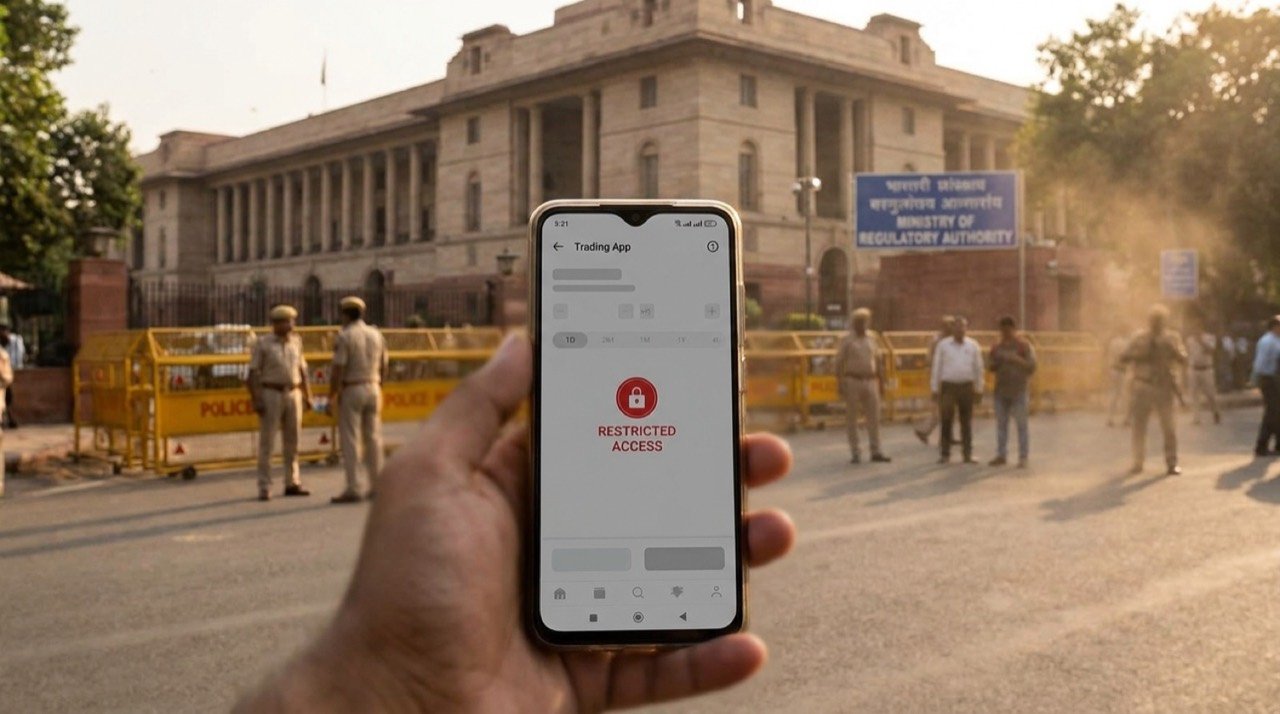
Kalshi Bars India Users as Prediction-Market Crackdown Widens
US event-contract platform Kalshi has added India to its restricted jurisdictions, barring Indian users from trading as MeitY tightens its squeeze on offshore betting and prediction-market platforms.
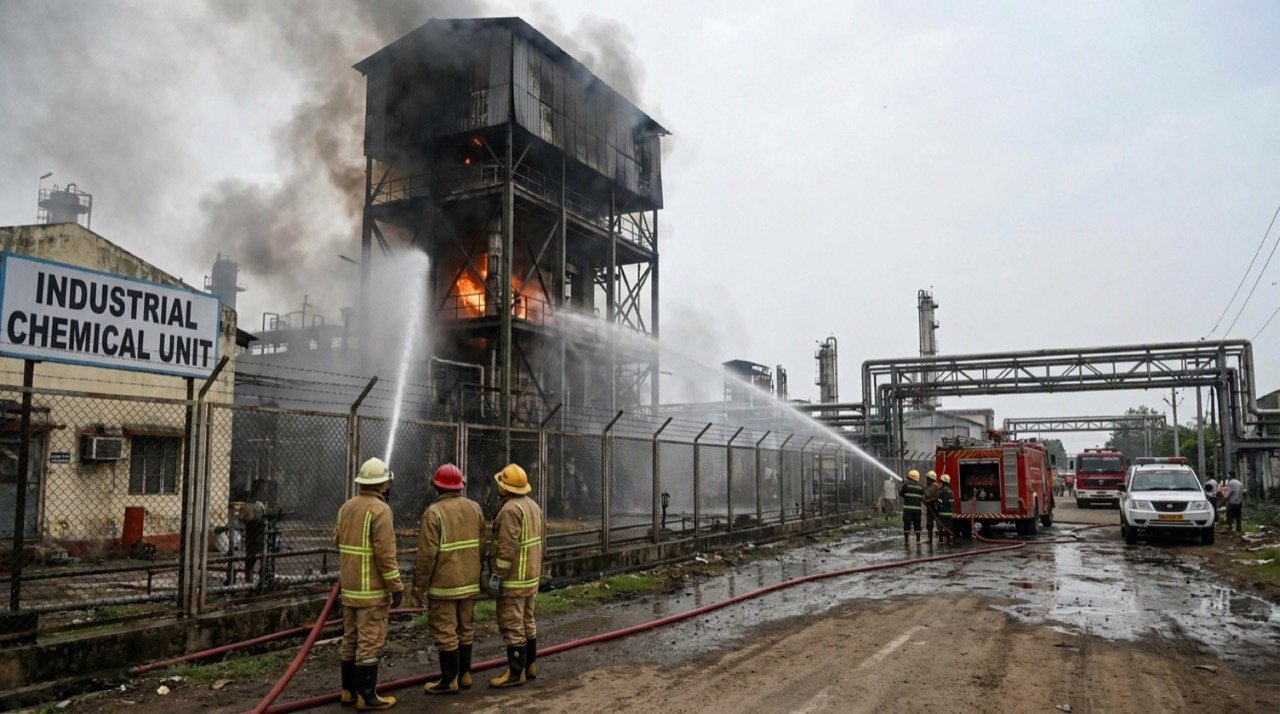
Anakapalle Industrial Fire Kills Two Workers and Raises Hard Safety Questions
A major fire at Dakshin Energy's plant in Paravada, Anakapalle, killed two workers and left others feared trapped, reigniting concern over industrial safety and inspections in Andhra Pradesh's pharma city.
More from this section
More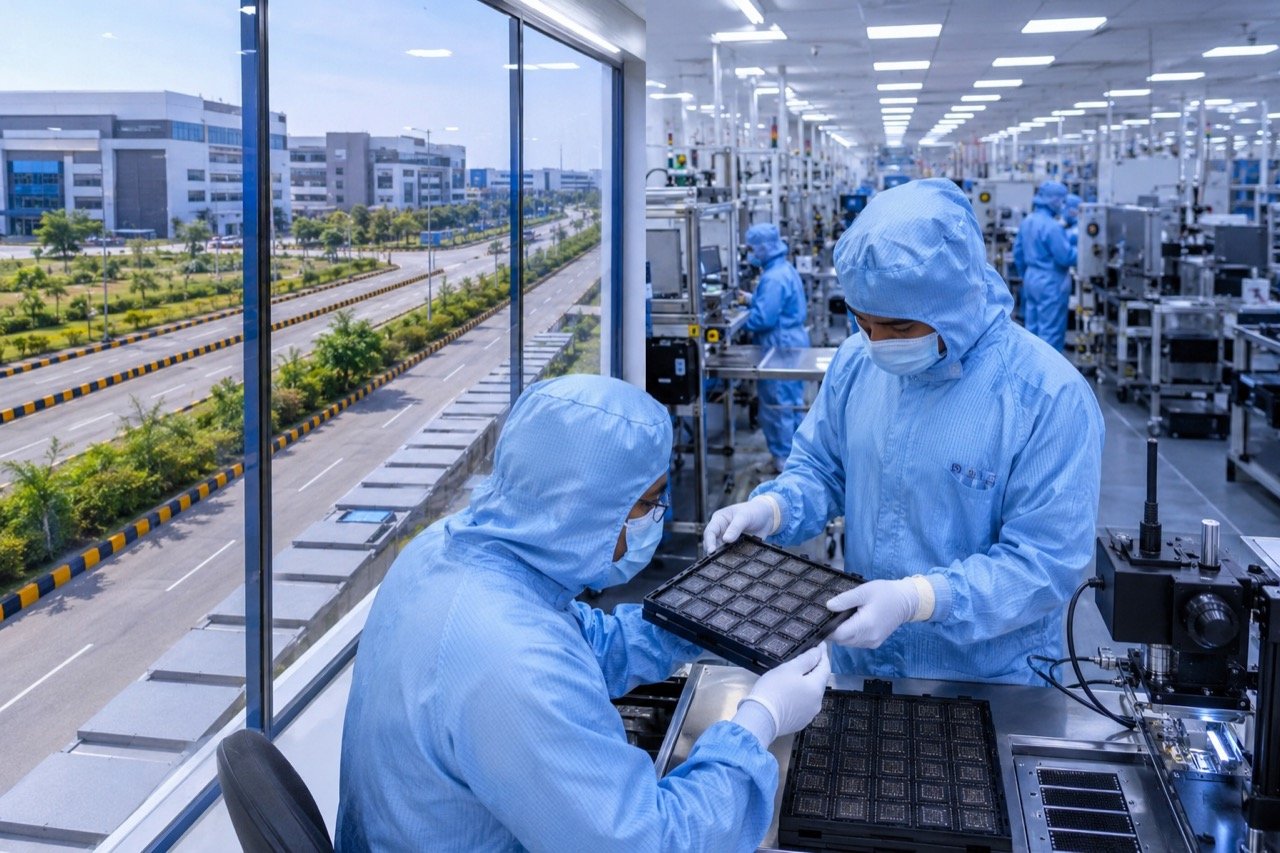
CG Semi Sanand Plant Opens, Boosting India's Semiconductor Drive
Prime Minister Narendra Modi inaugurated CG Semi's chip assembly and test facility in Sanand, Gujarat, giving India's semiconductor mission a working manufacturing milestone rather than another policy promise.
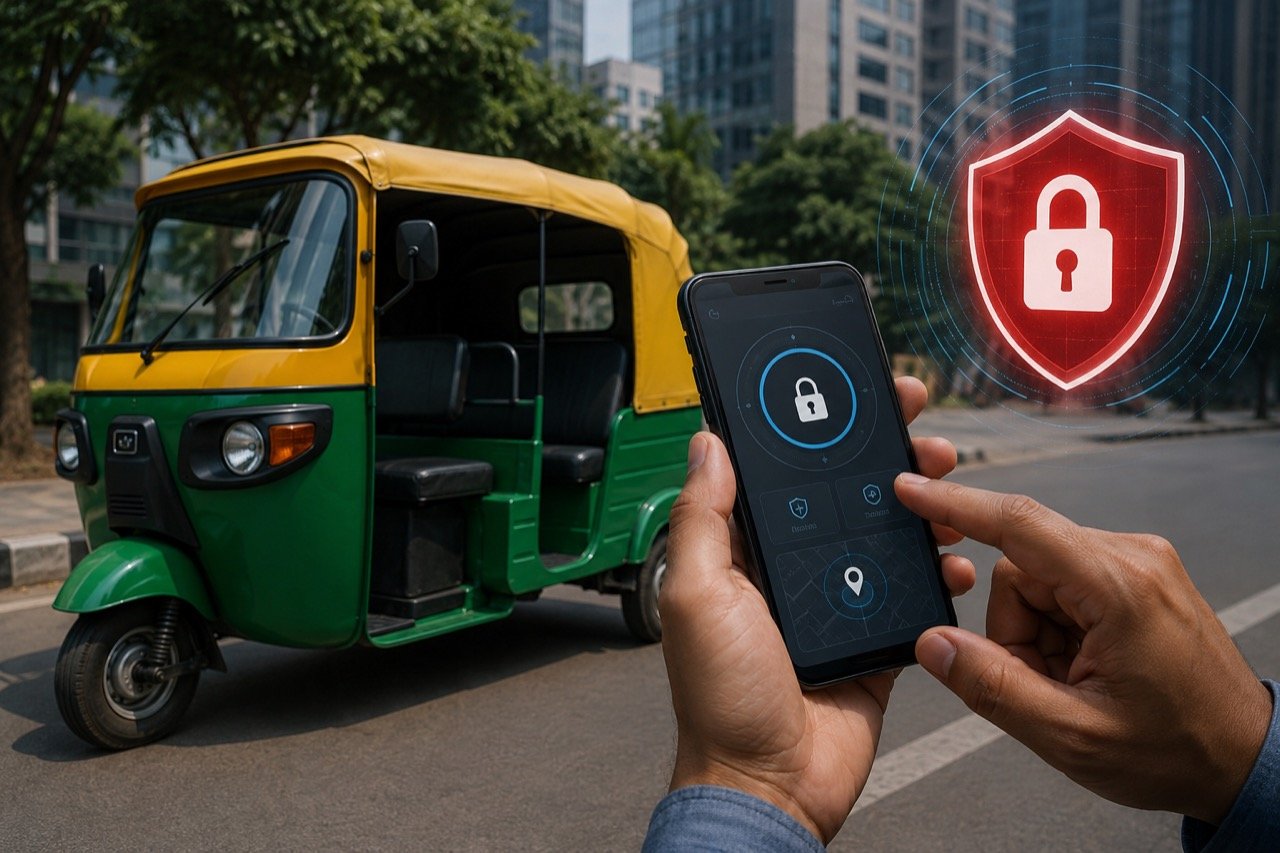
Chinese E-Rickshaw Apps Banned in India Over Remote Disable Risk
The Centre has ordered the removal of three Chinese apps — BAT-BMS, Lossigy and Epoch-i-ion — over fears they could remotely disable battery-run e-rickshaws, turning mobility software into a public safety concern.
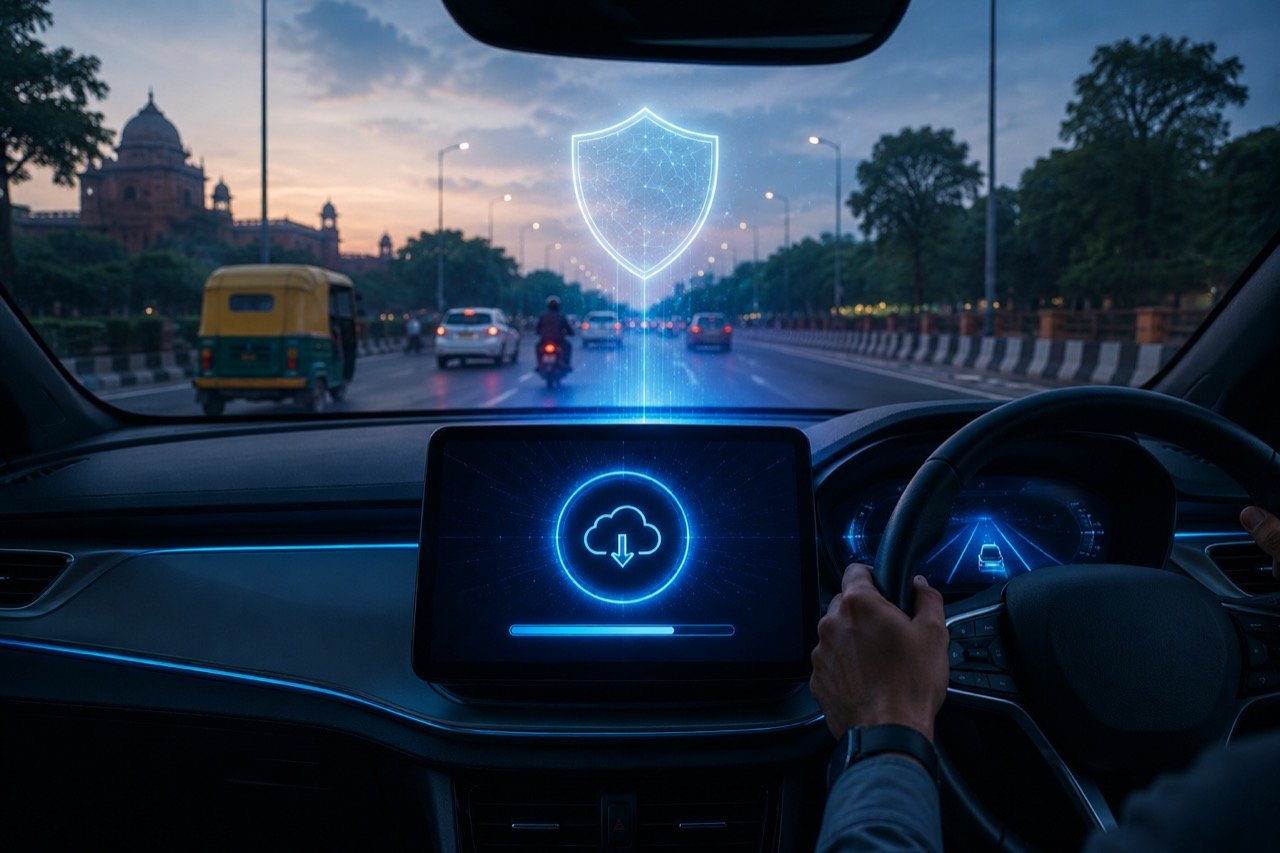
Connected Car Rules: India Plans Vehicle Software Update Norms
With cars increasingly run by software, the government is reportedly preparing update and security norms aimed at preventing vehicle hijacking and governing how connected cars in India are patched and protected.