From Contact Tracing to Health Records: India Relaunches Aarogya Setu as a Digital Health Gateway
India's Supreme Court imposed Rs 3 lakh costs on Samay Raina, Ranveer Allahbadia and Ashish Chanchlani after finding non-compliance with directions in a disability-related case.
Commentary & Analysis ·

Verified key facts
- Union Health Minister J P Nadda launched Aarogya Setu 2.0 on 29 June 2026 in New Delhi.
- The COVID-era contact-tracing app has been rebuilt as a personal health record gateway under the Ayushman Bharat Digital Mission.
- Officials say over 90 crore ABHA health accounts have been created and more than 100 crore digital health records linked.
- New tools launched include the Bharat Health Terminology Service, National Health Claims Exchange and an Ayushman Sarathi WhatsApp chatbot.
- The app integrates ABHA creation, hospital registration, insurance tracking and blood-bank availability in one place.
India relaunches Aarogya Setu as a health gateway
India has repurposed one of its best-known pandemic apps. On 29 June, Union Health Minister Jagat Prakash Nadda launched Aarogya Setu 2.0 in New Delhi. DD India reported that the app, once built for COVID-19 contact tracing, is now a broad digital health platform. It sits within the Ayushman Bharat Digital Mission.
The revamped app lets citizens create and manage health accounts and store medical records. It aims to bring scattered services onto a single system. Nadda said the platforms would make healthcare more accessible and citizen-centric, according to DD India.
What was launched
Aarogya Setu 2.0 arrived alongside several other tools. The ministry rolled out a wider set of digital health initiatives on the same day. Together they target records, claims, terminology and citizen access. Officials framed the package as a step towards connected care.
- Aarogya Setu 2.0 personal health record app
- Bharat Health Terminology Service for standardised health codes
- National Health Claims Exchange for insurance
- Ayushman Sarathi WhatsApp chatbot
- Drug Registry and Common LOINC Codes for India
- Unified Health Interface and e-Sushrut Clinic
The Bharat Health Terminology Service is meant to give a common vocabulary across systems. Healthcare IT News reported it offers standardised terms, code systems and value sets. Shared standards can help records move between hospitals and apps more smoothly.
The National Health Claims Exchange targets a familiar pain point. It aims to speed up insurance claims between hospitals and insurers. The Ayushman Sarathi chatbot, meanwhile, brings scheme information to WhatsApp. Officials say the goal is to meet citizens on tools they already use.
The numbers behind the ecosystem
India's digital health drive has grown quickly. The ministry says more than 90 crore Ayushman Bharat Health Accounts have been created, DD India reported. It also says over 100 crore digital health records have been linked. That scale makes the ecosystem one of the largest in the world.
An ABHA account acts as a unique health identifier for a citizen. It is designed to let people access and share records with consent. The app also connects to the PM-JAY insurance wallet and to blood-bank availability, officials said.
How it is meant to work
The platform tries to reduce friction for patients. eHealth Magazine reported that Aarogya Setu 2.0 offers features across age groups and needs. Users can locate hospitals and diagnostic centres and book appointments. They can also digitise medical records and manage insurance benefits.
A Scan and Register function is meant to speed up hospital visits. The app supports linking records from wearable devices too. The goal is a single view of a person's health information, shared only with their permission.
The platform serves several groups, from mothers and children to senior citizens. People with chronic illness may benefit most from consolidated records. Repeat visits often mean repeat tests when history is missing, doctors note. A shared record can reduce that duplication.
Why it matters
For many Indians, health records are still scattered across clinics and paper files. A unified account could cut duplication and repeated tests. It could also make referrals and insurance claims faster, supporters argue. That is the promise behind the Ayushman Bharat Digital Mission.
The move builds on India's earlier digital public infrastructure, such as identity and payments systems. Health officials see records as the next layer. The pandemic-era app gave the government a familiar brand to build on.
Officials argue that a shared health stack can cut waste across the system. Linking schemes like PM-JAY could make benefits easier to claim, they say. It could also give planners better data on where care is needed. Supporters frame that as a public good, handled with consent.
Questions on privacy and access
Large health databases raise concerns about privacy and security. Digital rights advocates have urged strong consent and data protection safeguards. The system relies on consent-based sharing, officials say. How that works in practice will shape public trust.
Access is another issue. Smartphone ownership and digital literacy vary widely across India. Ensuring rural and elderly users are not left behind will be a test. The app's success will depend on adoption, not just registration numbers.
Security researchers say health data is especially sensitive. A breach could expose diagnoses, treatments and insurance details. Advocates want clear rules on who can access records and for how long. Strong encryption and audit trails are among the safeguards they seek.
What next
The government is expected to keep expanding the platform's features and integrations. Wider hospital onboarding and insurer participation are likely priorities. Officials will watch how many citizens actively use their accounts, not only create them.
State governments and private hospitals will play a large role in adoption. Records are most useful when many providers upload and read them. Training staff and simplifying the app for first-time users could matter greatly. The next phase, officials suggest, is about depth of use.
This report is general information and does not offer medical or legal advice. Citizens with questions about their records or insurance should consult the relevant authorities or a qualified professional. For now, India has laid out an ambitious digital health blueprint and put its numbers on the table.
Sources
- DD India - Health Ministry launches Aarogya Setu 2.0 and new digital health initiatives (29 June 2026)
- Healthcare IT News - India launches health terminology service (July 2026)
- eHealth Magazine - Aarogya Setu 2.0 introduces new digital health features (June 2026)
You may also like to read
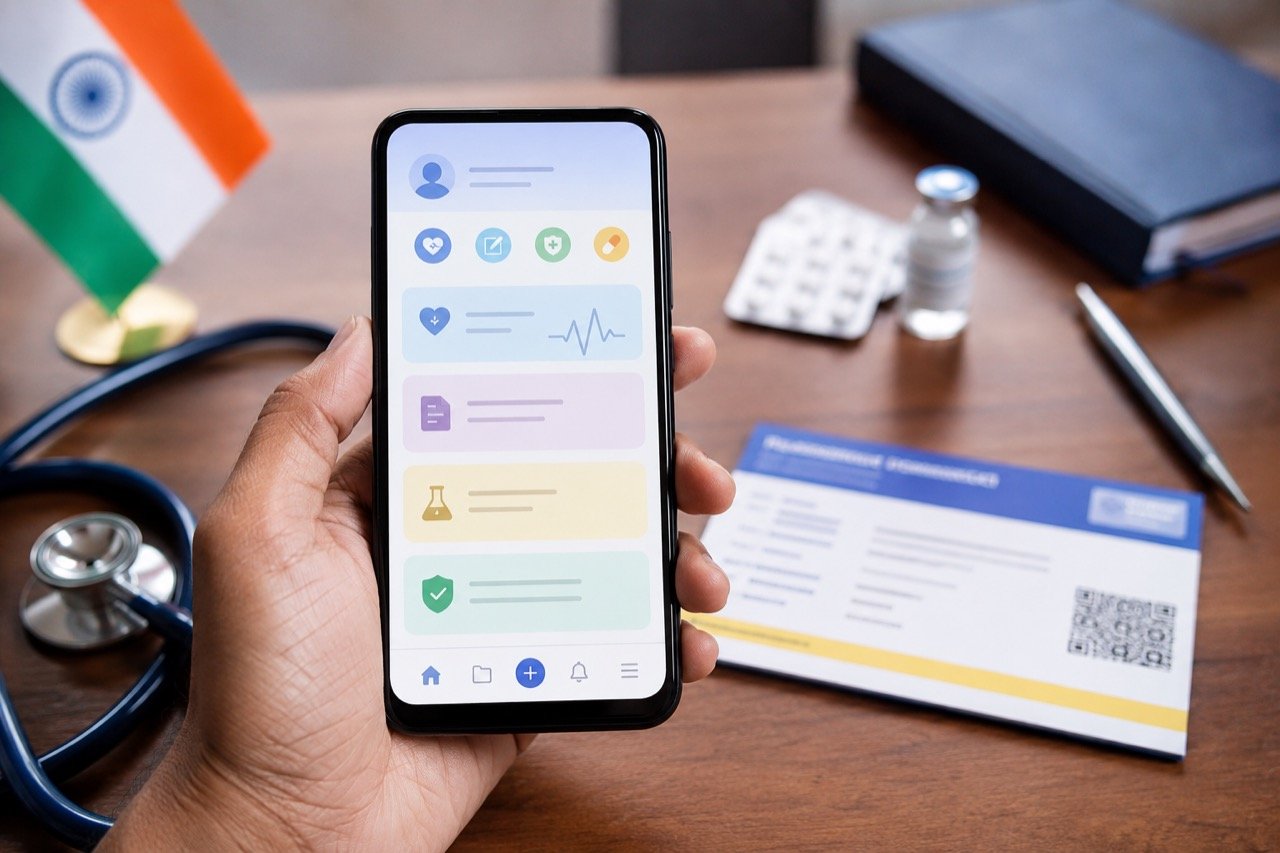
Aarogya Setu 2.0 Returns as India's Personal Health Record App
The pandemic-era contact tracing app has been relaunched as a personal health record platform, betting that portable medical data can find a place in India's growing digital health ecosystem.
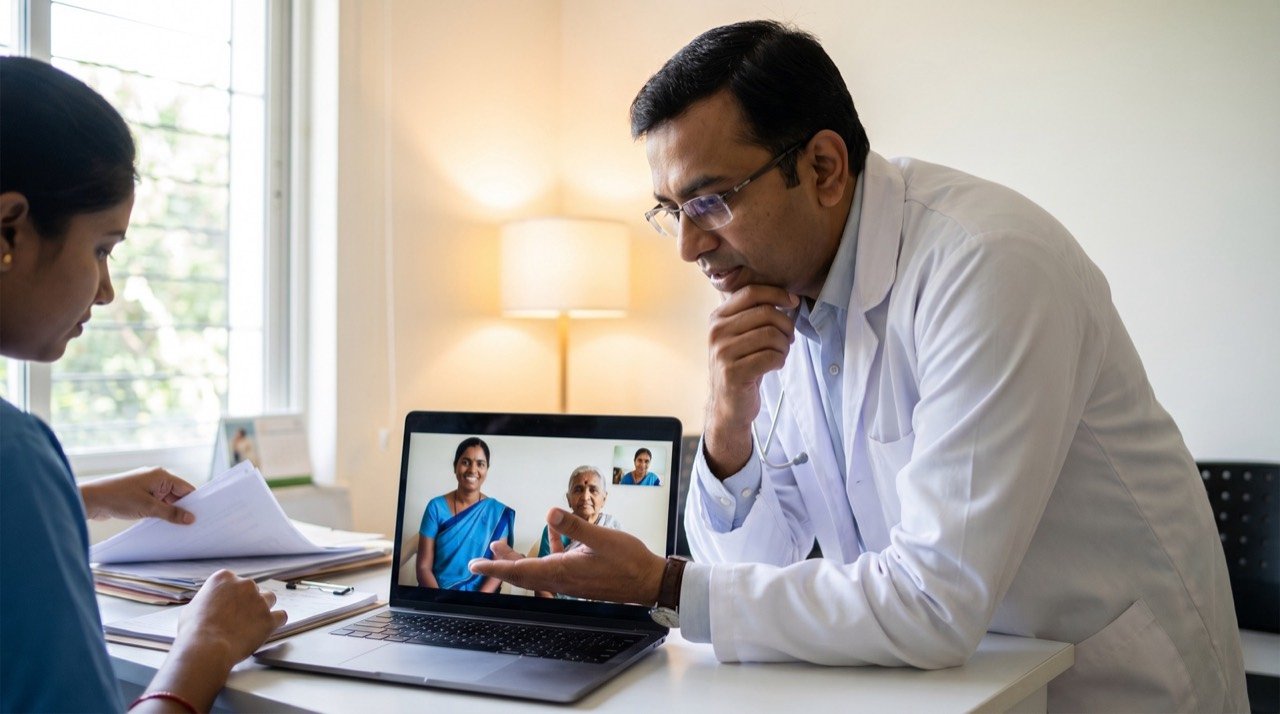
Digital Health Push Brings Telemedicine to More Towns and Villages
A nationwide effort to connect clinics digitally is widening access to doctors and diagnostics far beyond the big cities.
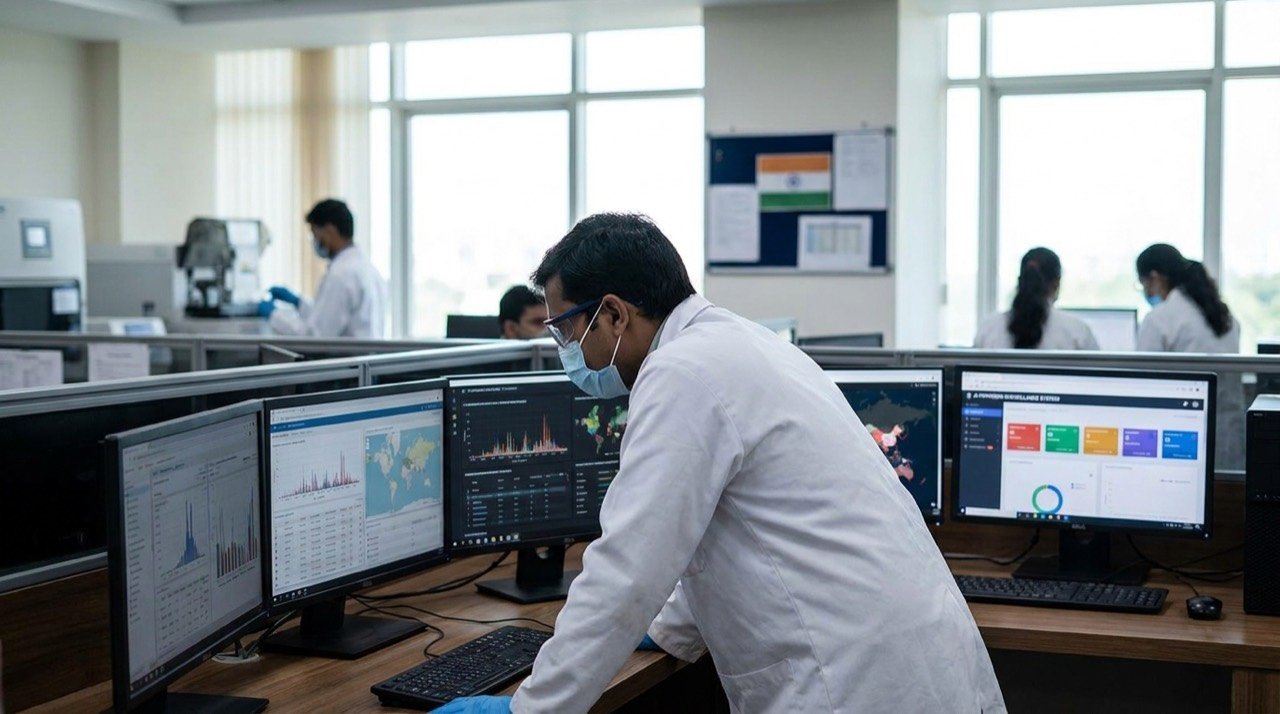
India Bets on AI to Catch the Next Outbreak Under One Health Mission in 2026
Drawing on the hard lessons of COVID-19, the ICMR is inviting proposals for AI systems to detect emerging pathogens across people, animals and the environment, in a bid to predict outbreaks rather than react to them.
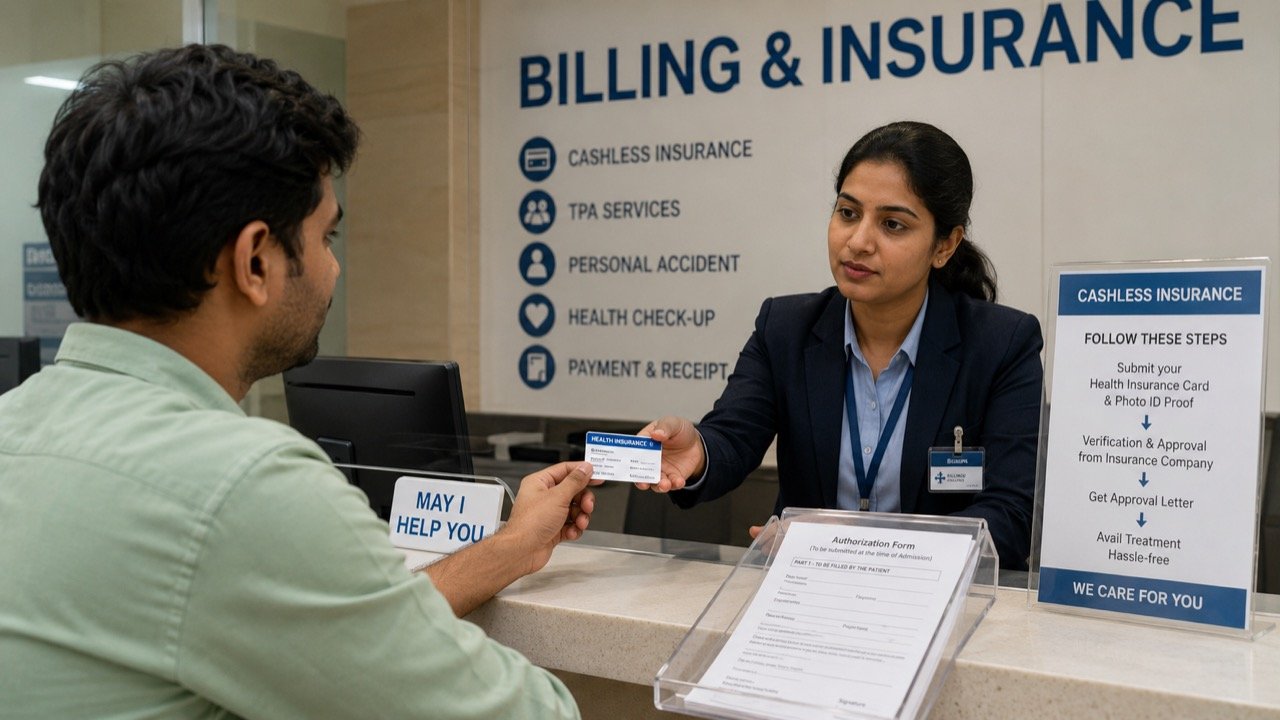
Health Insurance: Why Hospital Cashless Status Matters Before You Buy
Whether a hospital sits inside an insurer's cashless network can decide if a family pays lakhs upfront during an emergency or walks in with paperwork alone, making it a first-order question for policy buyers.