India Backs Homegrown Space Tech With First Technology Adoption Fund Grants
Space regulator IN-SPACe has picked TakeMe2Space, SatSure and Astrobase for its maiden funding round, spotlighting an AI-powered star tracker built in Hyderabad.
The NE Times Technology Desk
Commentary & Analysis ·
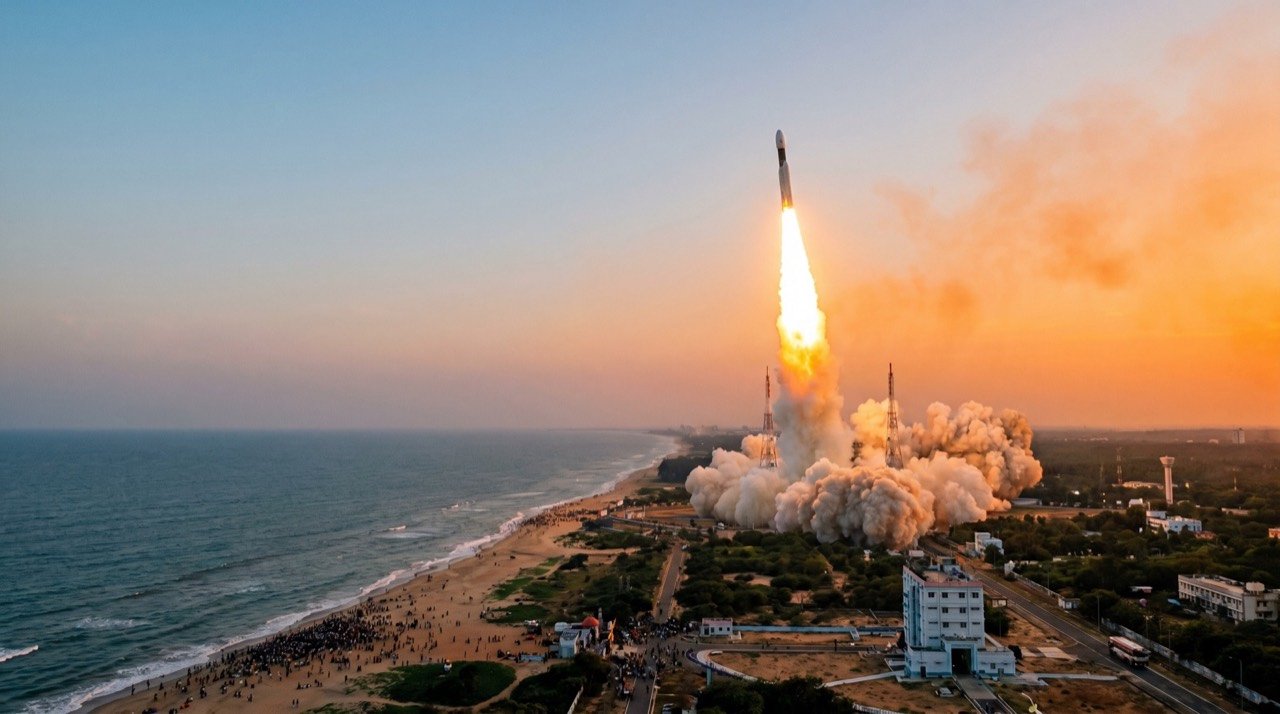
India's space regulator IN-SPACe has named the first recipients of its Technology Adoption Fund, choosing three startups, TakeMe2Space, SatSure and Astrobase, in a push to reduce the country's dependence on imported space hardware. The maiden round marks a concrete step in translating India's stated ambition of nurturing a private space economy into direct financial backing for early-stage builders of critical subsystems.
The most eye-catching project comes from Hyderabad-based TakeMe2Space, which will use the support to develop StarSense, an indigenous AI-powered star tracker for satellites. Localising a component that operators have traditionally had to source from abroad speaks directly to the fund's purpose of building strategic self-reliance in space technology.
Why star trackers matter
Star trackers are optical instruments that work out a spacecraft's orientation by reading patterns in the star field, a capability critical for high-resolution imaging and communications missions. Without precise attitude determination, a satellite cannot reliably point its cameras, antennas or solar panels, making the star tracker one of the quiet but indispensable components aboard modern spacecraft. Historically these precision instruments have been expensive and often imported, adding cost and supply-chain exposure for emerging operators.
StarSense bakes AI directly into the sensing and processing pipeline, with the company planning a StarSense Lite for CubeSats and a StarSense Pro for larger satellites. Embedding intelligence in the sensing chain can improve speed and robustness in identifying star patterns, while the tiered product strategy lets a single platform serve everything from small university-grade CubeSats to heavier commercial satellites.
- TakeMe2Space (Hyderabad): StarSense, an AI-powered indigenous star tracker, in Lite and Pro variants
- SatSure: among the maiden round of Technology Adoption Fund recipients
- Astrobase: also selected in the inaugural funding round
- Fund aim: cut dependence on imported space hardware and support private space players
Building a homegrown supply chain
The award fits a broader policy aim of nurturing private space players in India, where building precision navigation subsystems at home could cut costs and supply-chain risks for a fast-growing roster of satellite operators. As more Indian companies plan constellations for Earth observation and communications, the demand for reliable, affordable attitude-control hardware will only grow, and sourcing it domestically reduces both expense and exposure to foreign export controls.
IN-SPACe's decision to seed component-level innovation rather than only headline launch projects reflects an understanding that a durable space industry needs depth across the supply chain, not just rockets and satellites. If StarSense and its fellow grant recipients mature into proven, flight-ready products, the Technology Adoption Fund could become a template for systematically closing the gaps that have kept India reliant on imports. The progress of this first cohort will be an early signal of how effectively public funding can catalyse private space hardware at home.
The NE Times View
IN-SPACe's first grants signal that India's space ambitions are finally reaching private innovators. The NE Times View: backing startups like TakeMe2Space and an indigenous AI star tracker shows the regulator moving from gatekeeper to enabler, the shift the sector has long needed. Seed grants alone will not build a commercial space economy; sustained capital and procurement must follow. Still, this is the right and overdue direction for Indian deeptech.
This article is original commentary and analysis by The NE Times. Background facts were referenced from Business Standard, The Tech Portal.
You may also like to read

Aum Ventures raises a ₹750 crore bet on India's deeptech founders
The early-stage firm's second fund will back 25 to 30 startups across space, semiconductors, AI and defence, the latest sign that capital is flowing into India's hard-tech ambitions.
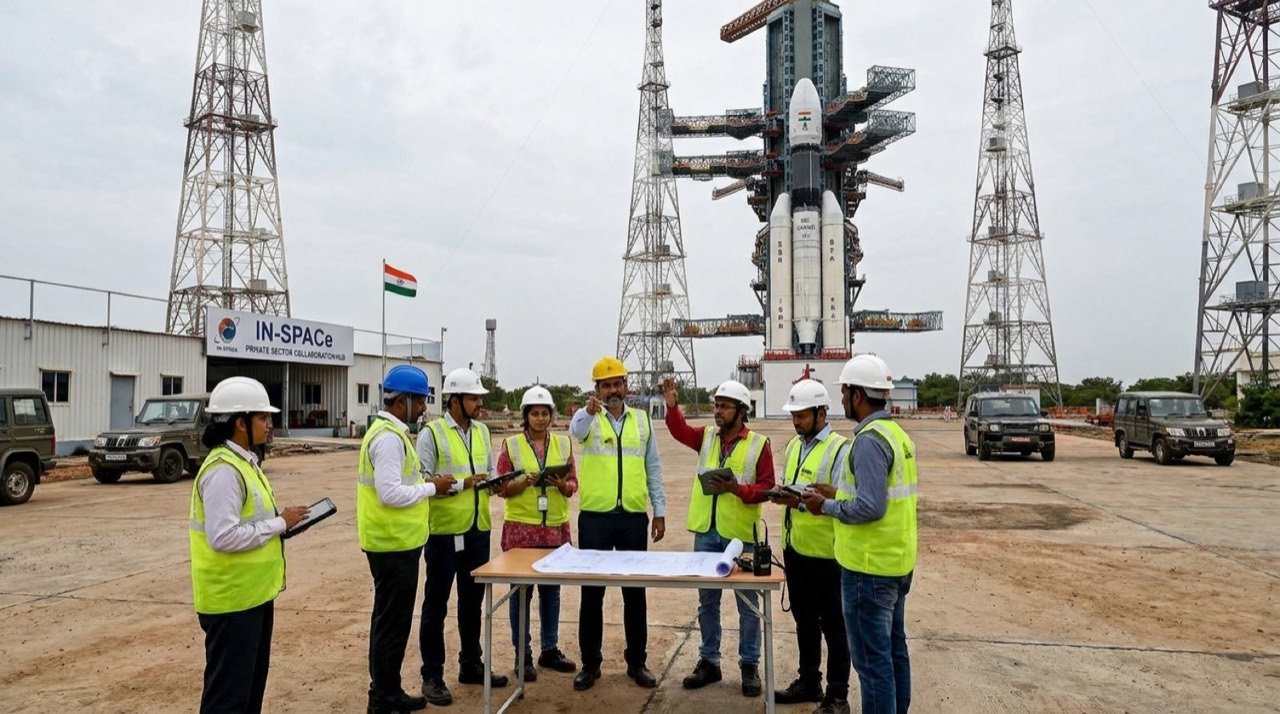
India Moves to Share Rocket Technology With Private Space Firms
The government is preparing to transfer proven rocket technology to local private space companies, a step that could deepen industry participation in launch vehicles, satellites and manufacturing while ISRO retains strategic oversight.
ISRO Pushes Toward First Uncrewed Gaganyaan Flight With Humanoid Vyommitra Aboard
ISRO has confirmed that flight integration for its first uncrewed Gaganyaan mission is underway, with the humanoid robot Vyommitra set to ride an LVM3 rocket ahead of a crewed launch in 2027.

India's Deeptech Bet Deepens as Funding Tops $8 Billion for 2026
With 112 unicorns and a surge of AI and robotics startups, India took 120 deeptech firms to France's Bharat Innovates 2026 showcase.
More from this section
More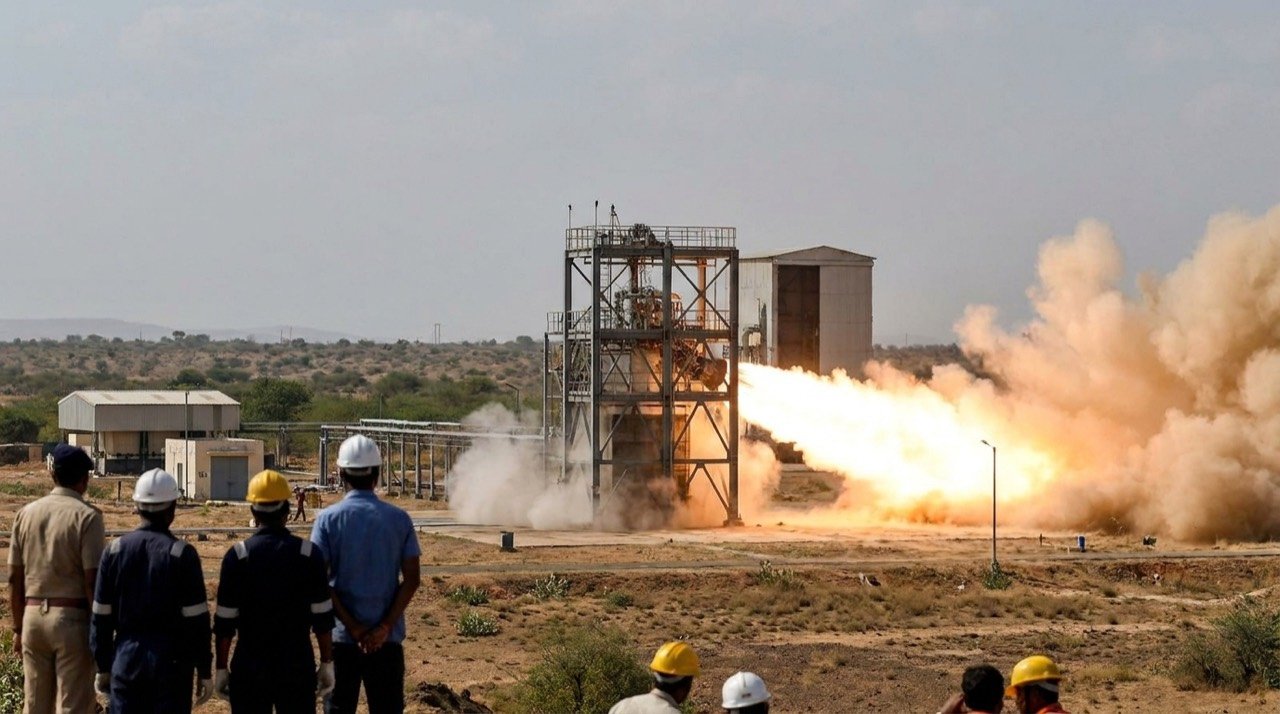
ISRO Fires Semi-Cryogenic Engine Power Head at 175 Tonnes in Landmark Hot Test
ISRO successfully ran its indigenous semi-cryogenic engine power head at 175 tonnes of thrust, clearing a key hurdle toward powering the LVM3 upgrade and the Next Generation Launch Vehicle.
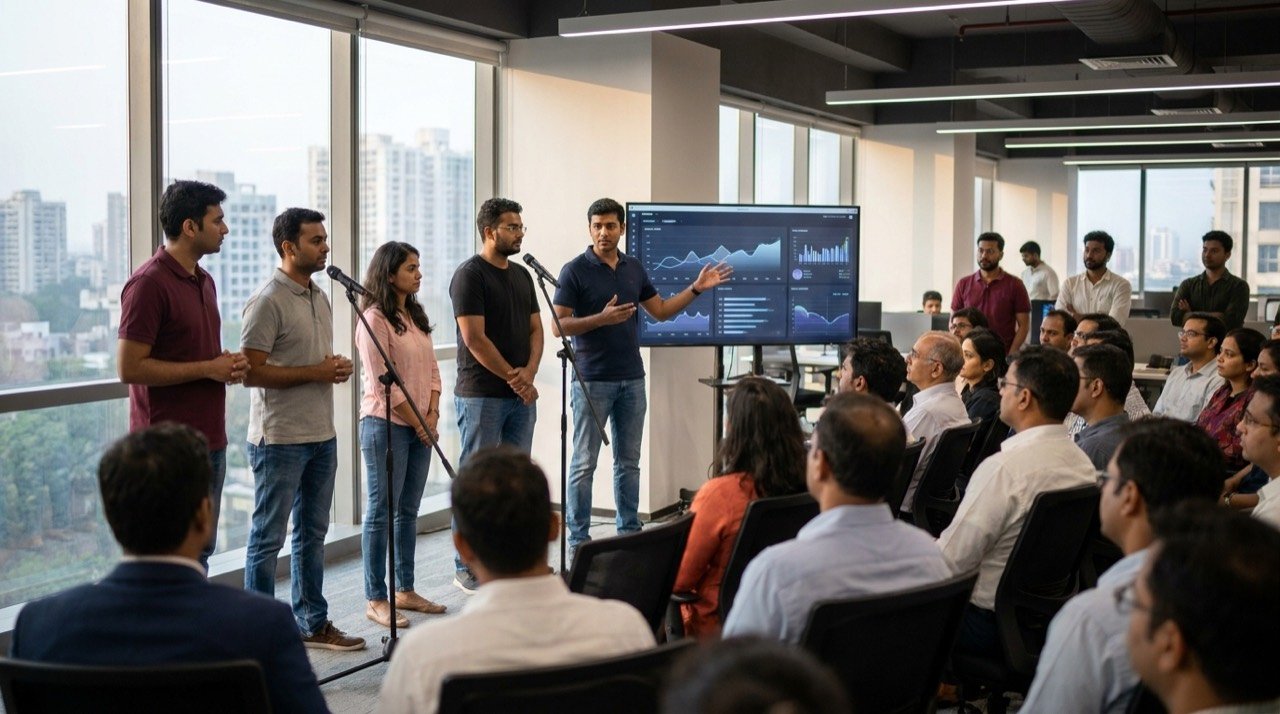
India Tech Funding Climbs to $7.2 Billion in H1 2026 Even as Deal Count Slumps
Indian tech startups raised $7.2 billion in the first half of 2026, up 12 per cent year-on-year, but the number of funding rounds fell sharply as capital concentrated in a handful of mega-deals.
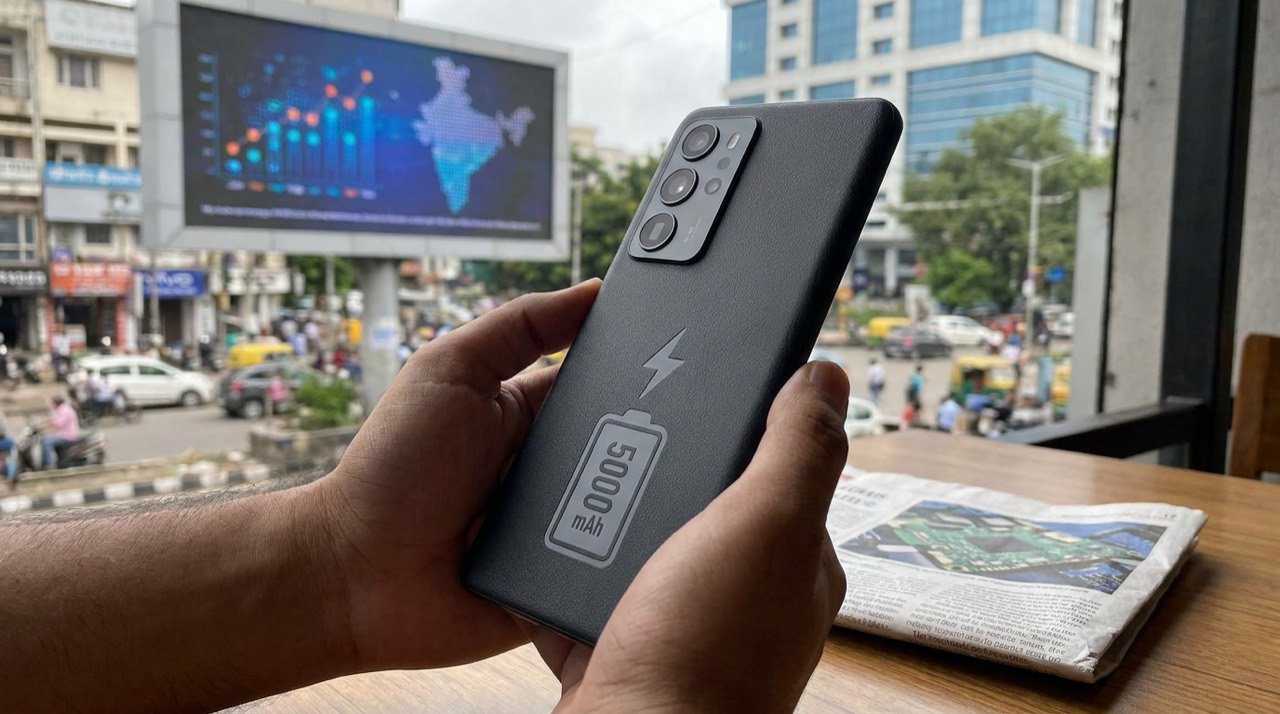
OnePlus N6 Headlines a Crowded End-June Gadget Calendar in India
The OnePlus N6, with its 8,000mAh battery and sub-Rs 25,000 price tag, leads a busy late-June run of smartphone launches in India spanning OnePlus, Oppo and Samsung.