IISc Quantum-Safe Chip Points To India's Defence Against Tomorrow's Hackers
Researchers at IISc have demonstrated a quantum-resilient security chip for IoT devices, presented at the world's premier semiconductor forum, as India accelerates its National Quantum Mission.
The NE Times Technology Desk
Commentary & Analysis ·
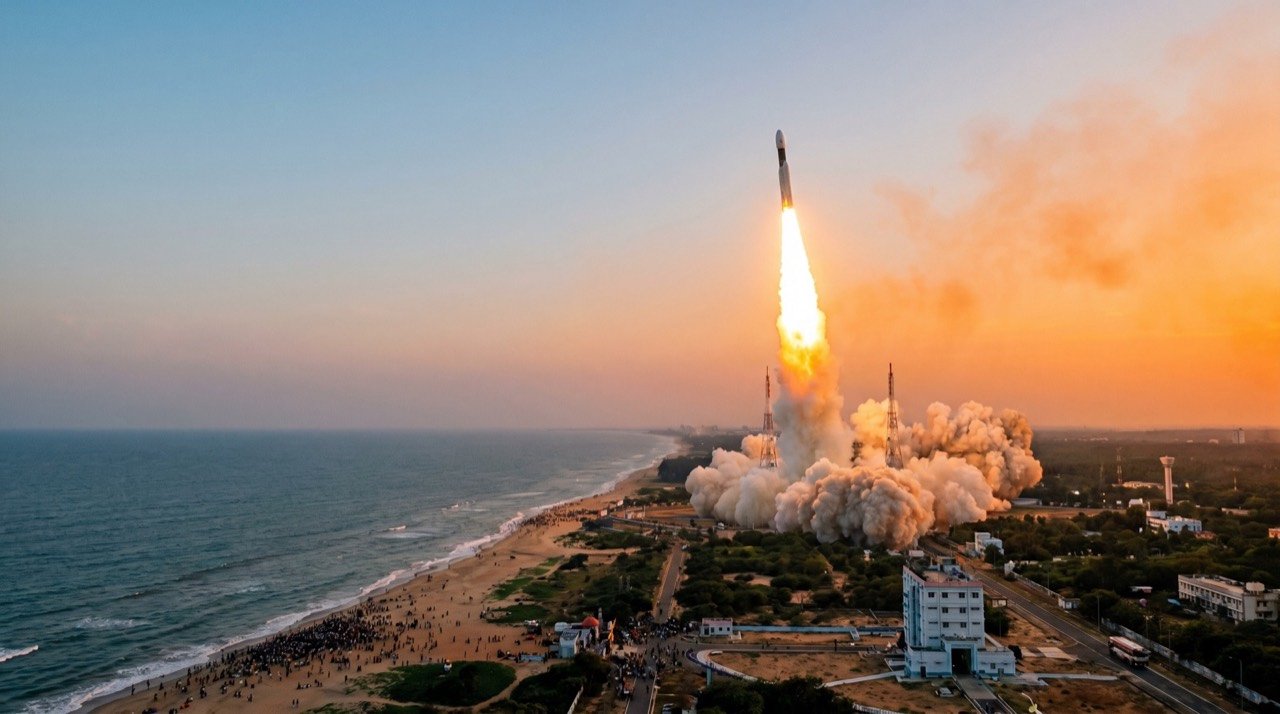
A team at the Indian Institute of Science (IISc) in Bengaluru has demonstrated a quantum-safe security chip designed to protect connected devices from the kind of attacks that powerful future quantum computers could one day unleash. The work, presented at the 2026 IEEE International Solid-State Circuits Conference, the field's premier global forum, marks a notable step in India's effort to build homegrown defences for an increasingly networked economy.
The threat the chip addresses
Much of today's digital security relies on mathematical problems that conventional computers cannot crack in any reasonable time. Sufficiently advanced quantum machines could break some of those schemes, putting everything from banking to critical infrastructure at risk. The IISc chip implements a post-quantum signature method known as SQIsign in hardware, showing it can run efficiently enough for the small, low-power devices that make up the Internet of Things.
Why hardware matters
Running quantum-resistant cryptography in software alone can be slow and power-hungry, a problem for the billions of sensors, meters and gadgets expected to populate India's smart cities and industries. By accelerating the maths in silicon, the IISc team argues it has provided a practical roadmap for embedding quantum-resilient protection directly into everyday devices rather than treating it as an afterthought.
- IISc demonstrated a quantum-safe chip for IoT devices
- Work presented at the 2026 IEEE ISSCC, a premier global semiconductor forum
- Implements the post-quantum SQIsign signature scheme in hardware
- Aims to make quantum-resilient security practical for low-power devices
A national push
The research dovetails with India's National Quantum Mission, under which the government announced quantum fabrication and central facilities worth around Rs 720 crore at IIT Bombay, IIT Delhi, IIT Kanpur and IISc. Institutions including IIT Madras and IISc have steadily built capability in quantum computing, sensing and materials, positioning India to be a developer rather than merely a consumer of the technology.
“Building quantum-safe security into hardware now is about getting ahead of a threat before it becomes urgent.”
— Quantum technology researcher, paraphrased
Commercial deployment remains some way off, and standards for post-quantum cryptography are still settling globally. But the IISc demonstration shows India intends to be in the room as those defences are designed, not playing catch-up once the threat arrives.
The NE Times View
A quantum-resilient chip from IISc, showcased at the field's top forum, is a quiet but significant marker of India moving from software services toward deep-tech hardware. With billions of insecure IoT devices proliferating, post-quantum security is not theoretical. The challenge now is the familiar one: turning lab demonstration into manufactured silicon under the National Quantum Mission.
This article is original commentary and analysis by The NE Times. Background facts were referenced from ETV Bharat and ThePrint.
You may also like to read
AI Chip Demand May Push Up Smartphone and Laptop Prices in India
Surging demand for memory and storage chips from AI data centres is squeezing global supply, threatening to make smartphones, laptops and gaming devices costlier for Indian consumers.
India's Chip Ambitions Take Shape As Tata Fab And Micron Plant Advance
With a notified SEZ for the Tata fab in Dholera, Micron's assembly plant operational and 13 projects cleared under the national mission, India's semiconductor build-out is moving from paper to silicon.
China's LineShine Dethrones US as World's Fastest Supercomputer, Sharpening India's AI Resolve
China has reclaimed the top spot on the global supercomputing rankings with an all-domestic machine running at over two exaflops, a milestone in the US-China tech contest that underscores why India is racing to build its own sovereign computing power.

India eye series clincher against Afghanistan in Lucknow as Gill rides golden run
One up after a comfortable chase in Dharamsala, India arrive at the Ekana Stadium on 17 June with the chance to seal the three-match ODI series, while a wounded Afghanistan must win to stay alive.
More from this section
More
ISRO Fires Semi-Cryogenic Engine Power Head at 175 Tonnes in Landmark Hot Test
ISRO successfully ran its indigenous semi-cryogenic engine power head at 175 tonnes of thrust, clearing a key hurdle toward powering the LVM3 upgrade and the Next Generation Launch Vehicle.
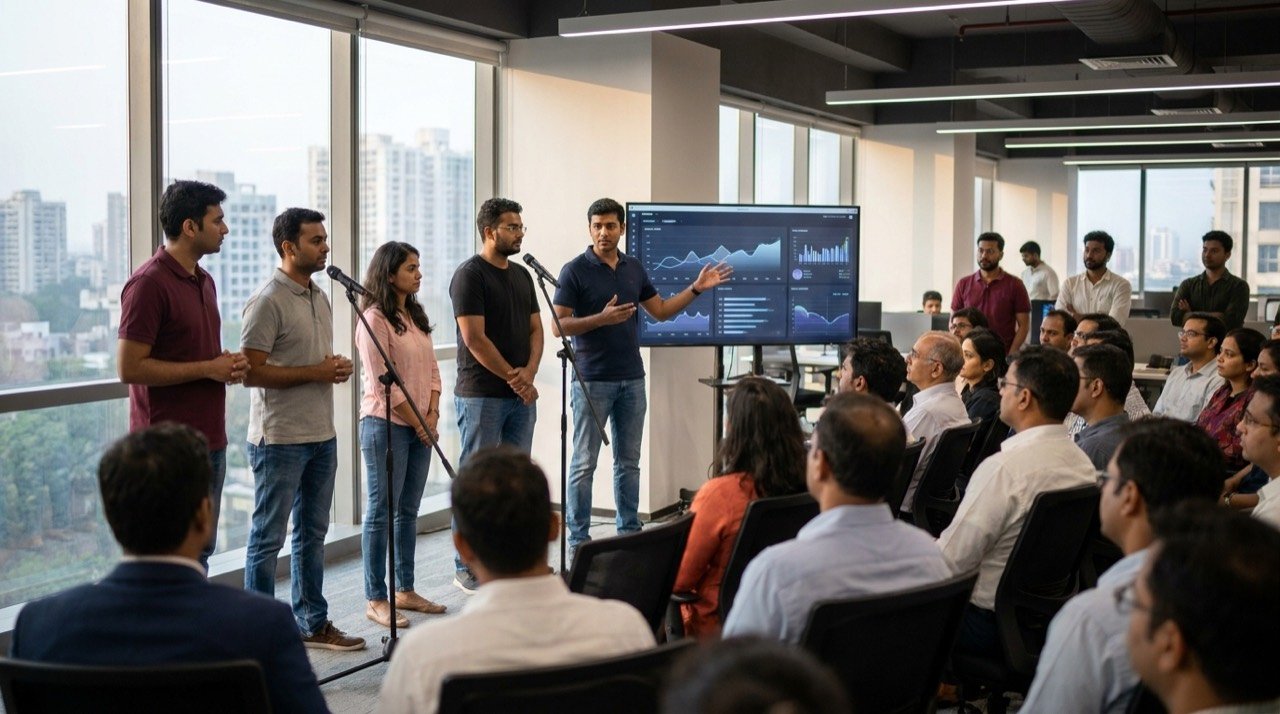
India Tech Funding Climbs to $7.2 Billion in H1 2026 Even as Deal Count Slumps
Indian tech startups raised $7.2 billion in the first half of 2026, up 12 per cent year-on-year, but the number of funding rounds fell sharply as capital concentrated in a handful of mega-deals.
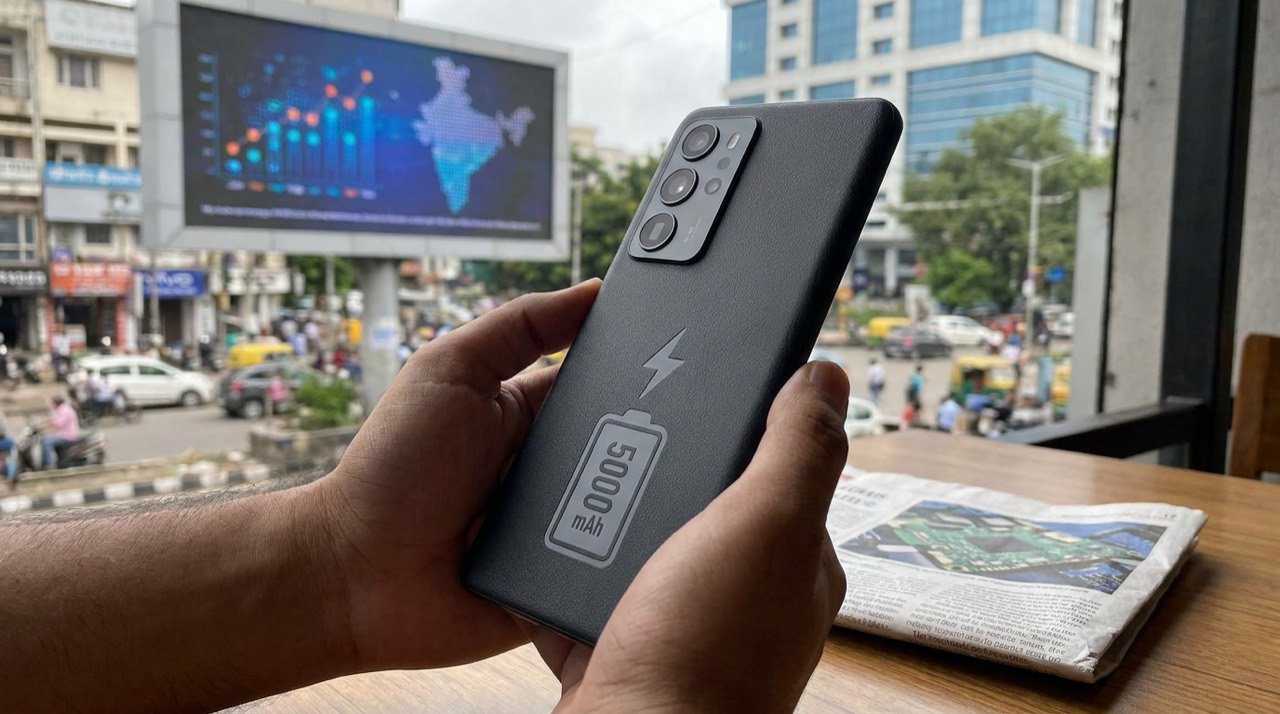
OnePlus N6 Headlines a Crowded End-June Gadget Calendar in India
The OnePlus N6, with its 8,000mAh battery and sub-Rs 25,000 price tag, leads a busy late-June run of smartphone launches in India spanning OnePlus, Oppo and Samsung.