Gurugram Bike With 63 Pending Challans Impounded by Police
Gurugram traffic police impounded a motorcycle carrying 63 unpaid challans running into lakhs of rupees, turning one rider's record into a case study of how repeat violations slip through enforcement gaps.
The NE Times National Desk
Commentary & Analysis ·
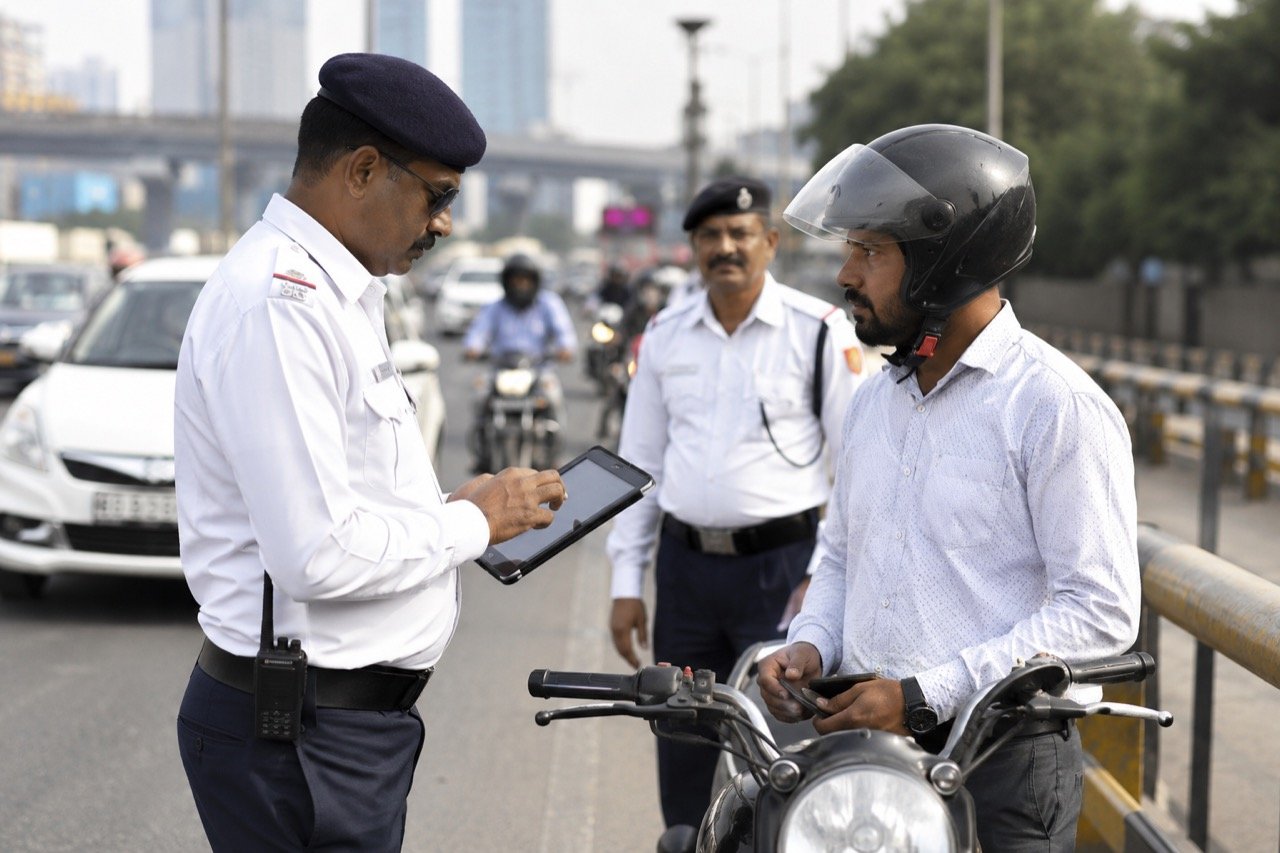
A single motorcycle in Gurugram has become an unlikely emblem of India's traffic enforcement gap. Police found the two-wheeler carrying 63 pending challans, with unpaid fines running into lakhs of rupees, and impounded the vehicle on the spot.
The sheer number of violations attached to one bike is what turned a routine roadside check into a talking point. Each challan represents an offence that was recorded — often by camera — yet never resulted in payment or any visible consequence, until the tally finally caught up with the rider.
How dozens of challans pile up
Digital enforcement systems photograph violations and issue e-challans automatically, but the loop closes only when fines are actually recovered. If a rider simply ignores the notices, the penalties accumulate silently in a database while the vehicle stays on the road. The Gurugram case shows how long that gap can stretch before physical enforcement — an impoundment — finally intervenes.
Why the case resonates
For traffic police, seizing a vehicle laden with unpaid challans sends a clear deterrence signal to habitual offenders. For ordinary commuters, it raises more uncomfortable questions: how many other vehicles are circulating with similar records, and why does follow-up on unpaid fines take so long? The episode underlines that modern traffic enforcement depends as much on data trails and recovery mechanisms as on the constable at the crossing.
The NE Times View
A challan that is never collected is not a penalty; it is a suggestion. The Gurugram bike with 63 violations is less a story about one errant rider than about a system that records offences diligently and enforces them sporadically. Deterrence works when consequences are swift and predictable, not when they arrive years late in a lump sum. States should link challan recovery to insurance renewal, vehicle transfer and fitness certificates so that ignoring fines becomes practically impossible. Until then, India's roads will keep producing repeat offenders who treat e-challans as junk mail.
This article is original commentary and analysis by The NE Times. Background facts were referenced from Hindustan Times.
You may also like to read
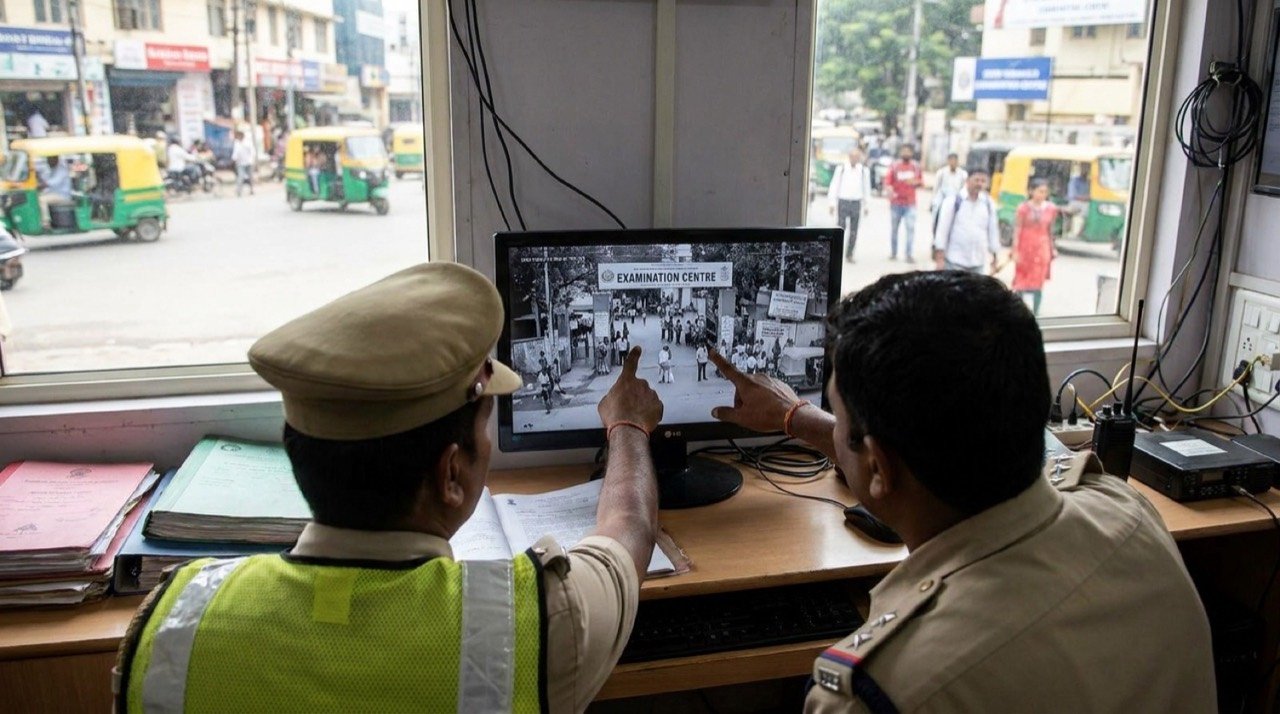
Bengaluru Police Reject Claim That Congress Rally Delayed NEET Aspirant
Bengaluru Traffic Police say CCTV footage does not support viral claims that a Congress rally caused a NEET candidate to miss her re-exam slot, citing a late departure and a longer route.
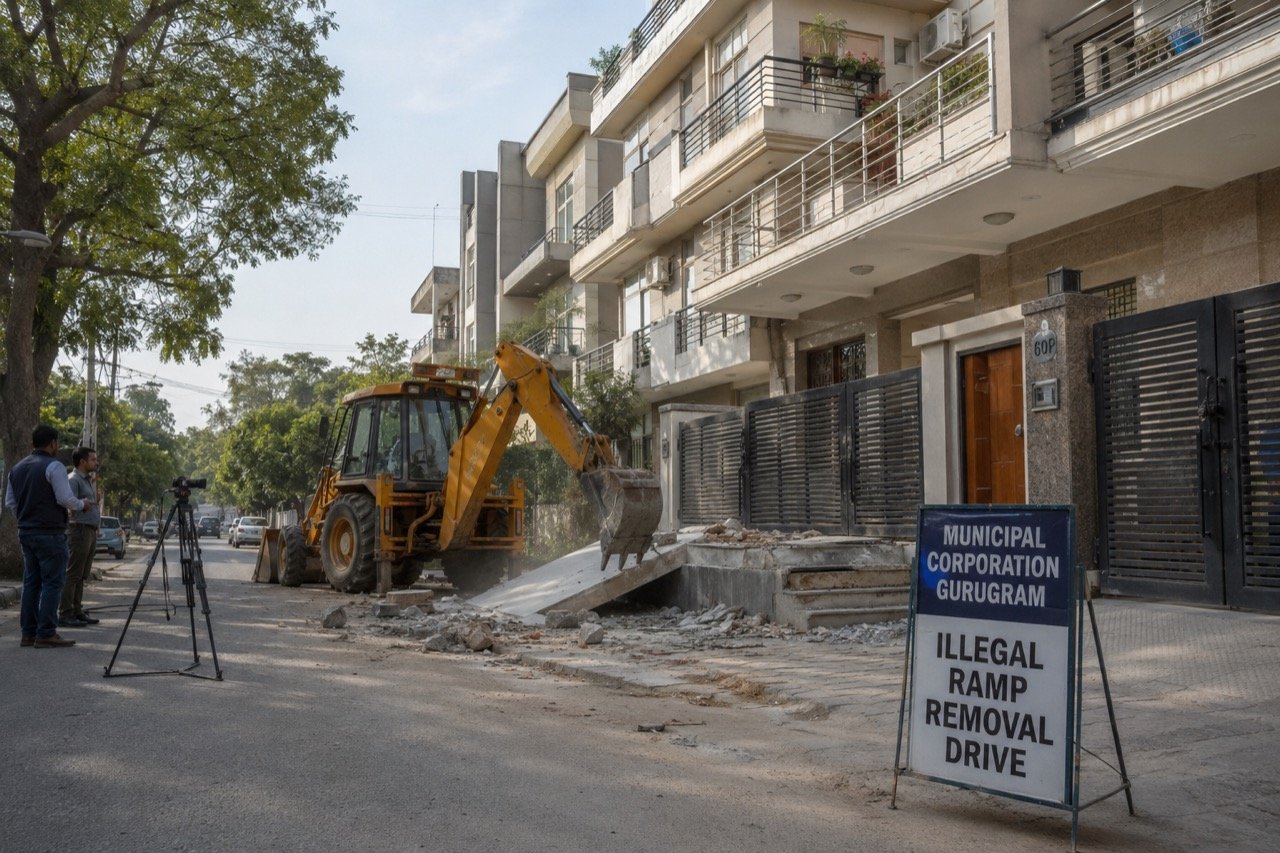
Chandrachur Singh Demolition Video Makes Gurugram Civic News Viral
A demolition drive outside actor Chandrachur Singh's Gurugram home became national entertainment news after visuals showed him calmly questioning municipal officials as a ramp was removed.

Gurugram Arrests Deepen Row Over Forensic Report on Bhagwant Mann Video
Gurugram police have arrested two men accused of fabricating a forensic report tied to a viral video involving Punjab CM Bhagwant Mann, sharpening a debate over digital evidence and forensic integrity.
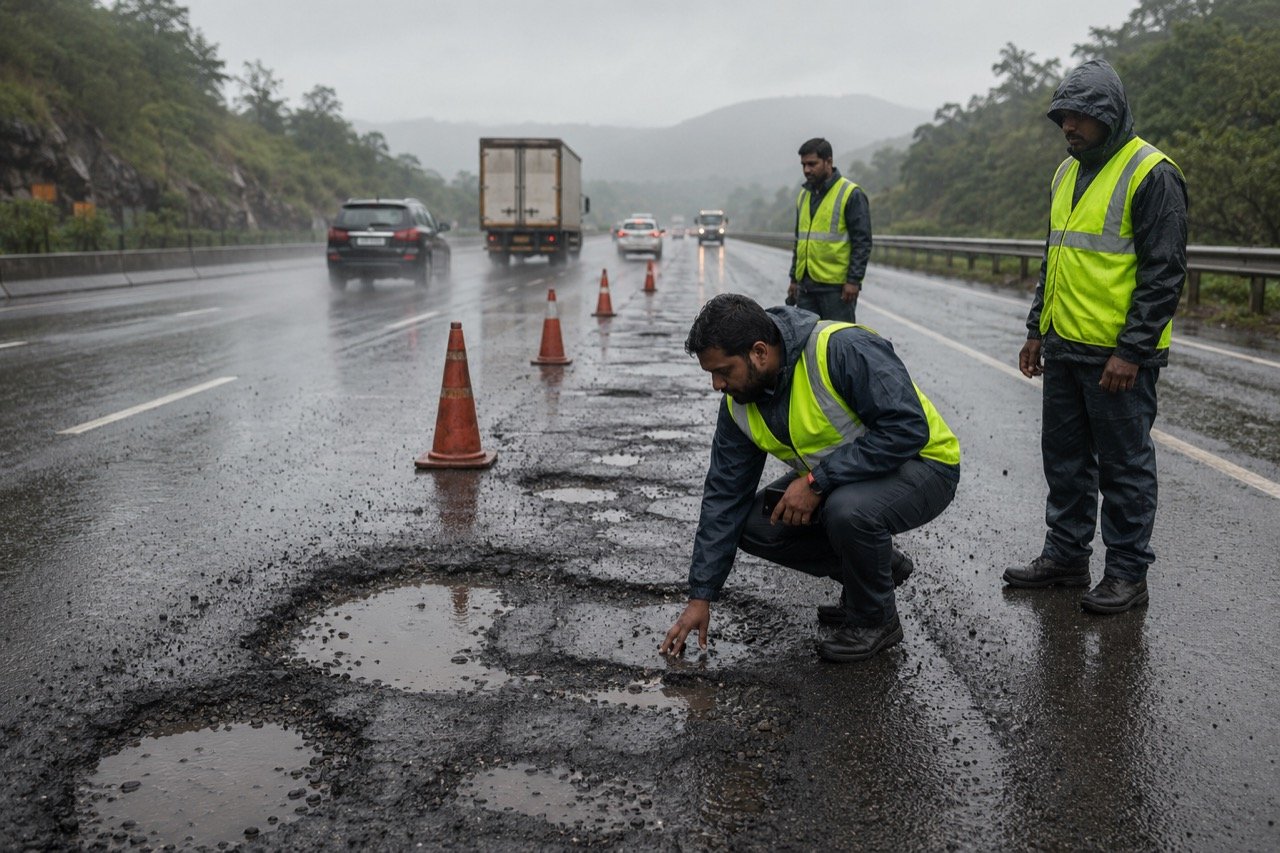
Expressway Pothole Row Puts Maharashtra Road Upkeep in Spotlight
Chief Minister Devendra Fadnavis' reported claim that the Pune-Mumbai Expressway has only two potholes has escalated a monsoon maintenance complaint into a statewide debate over highway accountability.
More from this section
More
AICTE Industry Fellowship 2026: Rs 1.5 Lakh Scheme Closes July 5
The AICTE Industry Fellowship Programme 2026, which places technical-education faculty inside leading companies on a Rs 1.5 lakh monthly stipend, reached its application deadline on July 5.
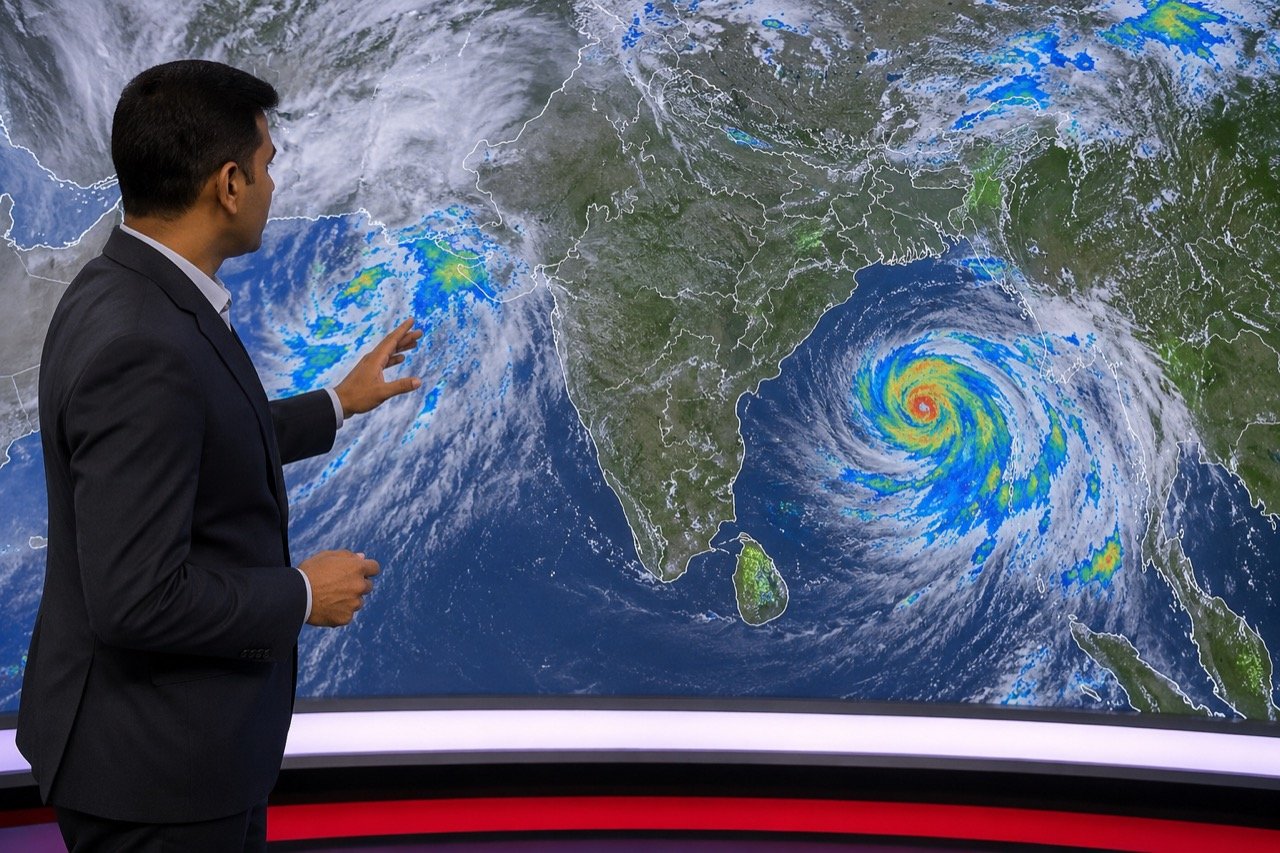
Bay of Bengal Low Pressure System Revives Monsoon Over Western India
A low-pressure system over the Bay of Bengal has pushed the monsoon back into an active phase, bringing steady heavy rain to Kerala, coastal Karnataka and Maharashtra, and putting Mumbai and Pune on preparedness watch.
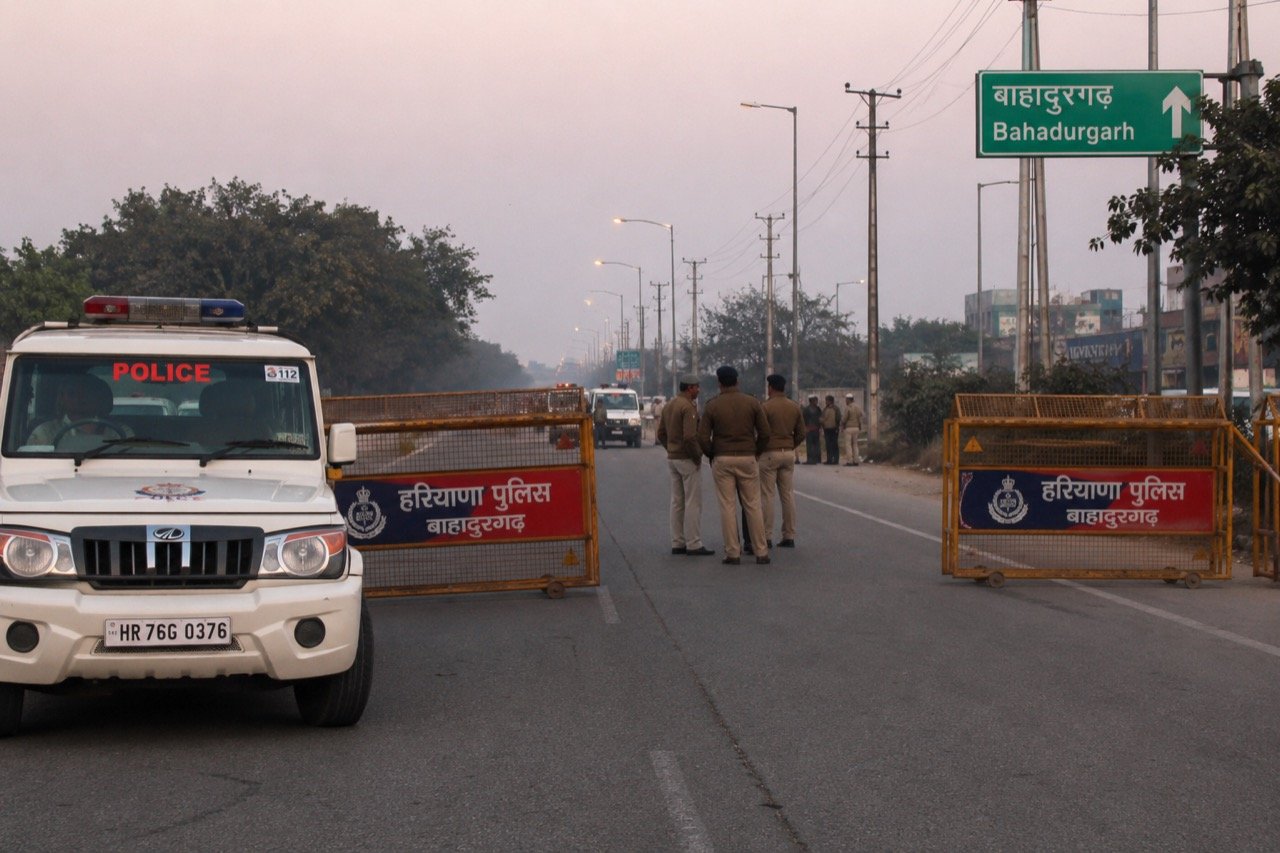
Bishnoi Gang Suspects Injured in Haryana Encounter as Police Tighten Net
A joint Haryana-Delhi Police operation in Bahadurgarh left two suspected Lawrence Bishnoi gang members injured, spotlighting the multi-state coordination now central to India's fight against organised crime networks.