Eetha Title Row Resolved as Laxman Utekar Reassures Vithabai Family
The naming dispute around Laxman Utekar's Marathi film Eetha has reportedly been settled after the filmmaker offered assurances to Vithabai's family, letting attention return to the film itself.
The NE Times Entertainment Desk
Commentary & Analysis ·

Eetha, the Marathi film from director Laxman Utekar, is back in the entertainment conversation for a welcome reason: the dispute over its title has reportedly been laid to rest. According to a report in the Indian Express, the row was resolved after Utekar personally offered assurances to the family of Vithabai, whose name and legacy sat at the heart of the objection.
How the dispute unfolded
Concerns had been raised over the film's naming, with Vithabai's family worried about how the title connected to her identity and public memory. Rather than allowing the disagreement to escalate into a prolonged standoff or a legal tangle, the filmmaker chose direct conversation, and the family was reportedly satisfied with the assurances they received.
That resolution matters practically as well as symbolically. Title disputes have a way of stalling regional releases, consuming promotional oxygen and leaving audiences with the controversy rather than the cinema. With the matter apparently no longer blocking the project, Eetha can move ahead on its own creative terms.
Why regional film stories like this deserve attention
Marathi cinema updates involving established names such as Utekar carry real audience interest, yet they often receive less national coverage than comparable Bollywood rows. This episode also underlines something the industry knows well: film titles are not just marketing labels. They can evoke personal histories, communities and legacies, which is precisely why sensitivity around them runs deep.
The NE Times View
The quiet resolution of the Eetha row is a small case study in how the film industry should handle cultural sensitivities. A family raised a legitimate concern about legacy and identity; a filmmaker responded with dialogue instead of defensiveness; and the story ended without courtrooms or boycott hashtags. For Indian cinema, where naming controversies routinely balloon into weeks of hostile headlines, this is the template worth normalising. It also strengthens the case for taking regional film journalism seriously, because these disputes shape how communities see themselves on screen.
This article is original commentary and analysis by The NE Times. Background facts were referenced from Indian Express.
You may also like to read

Eetha Title Row Settled: Shraddha Kapoor Film Gets a Clearer Runway
The dispute over the title of Shraddha Kapoor's film Eetha appears resolved after director Laxman Utekar reportedly reassured Vithabai Narayangaonkar's family, shifting attention back to the movie itself.

Akshara Singh Boards Eetha, Widening Shraddha Kapoor Film's Canvas
Bhojpuri star Akshara Singh's casting in Eetha, the Shraddha Kapoor film linked to lavani icon Vithabai Narayangaonkar, signals a cross-industry approach that could broaden the project's reach and deepen its cultural texture.

Alpha Box Office Day 1: Alia Bhatt Spy Film Opens at Rs 9 Crore
Alpha, the Alia Bhatt and Sharvari-led entry in the YRF spy universe, has opened to roughly Rs 9 crore net in India, a modest start that puts the spotlight on weekend growth and word of mouth.
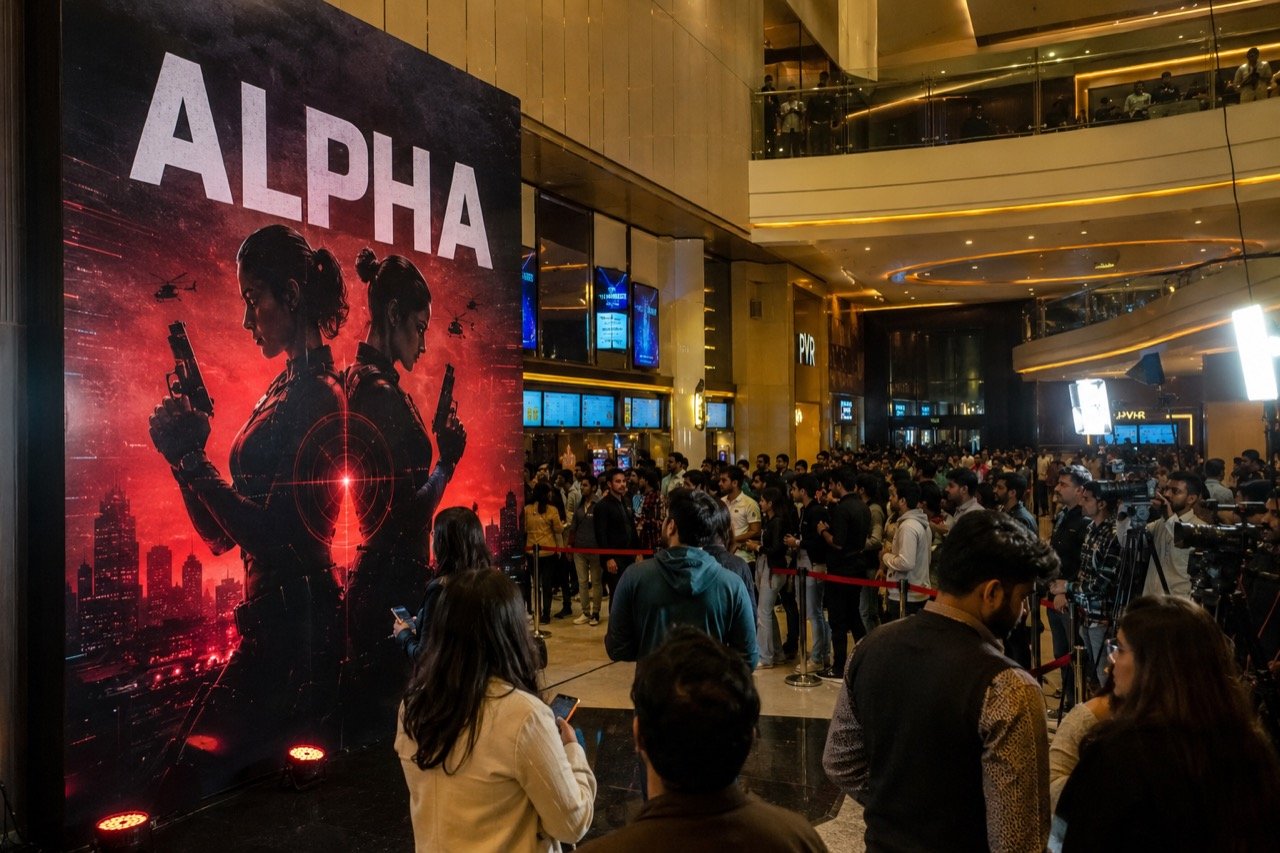
Alpha Box Office: Alia Bhatt's YRF Spy Film Opens Amid Loud Debate
Alia Bhatt and Sharvari's Alpha, the first female-fronted entry in the YRF Spy Universe, opened to better-than-expected numbers even as online trolling and industry pushback made it the weekend's noisiest Hindi cinema story.
More from this section
More
72nd National Film Awards: Fans Back Mammootty, Allu Arjun, Sai Pallavi
Speculation around the 72nd National Film Awards is intensifying as fan communities across India's language film industries champion favourites including Mammootty, Allu Arjun and Sai Pallavi ahead of any official announcement.

Aamir Khan Marries Gauri Spratt in Private Pali Hill Ceremony
Aamir Khan and Gauri Spratt tied the knot at the actor's Pali Hill home in Mumbai on July 5, turning a deliberately small family ceremony into Bollywood's biggest story of the day.

Akanksha Chamola's Lock Upp 2 Confession Sets Reality TV Abuzz
A personal revelation by Akanksha Chamola ahead of Lock Upp 2 has handed the reality show a viral talking point, underlining how confession-driven formats continue to dominate Indian television conversation.