E20 Petrol: Why India's Ethanol Blending Push Divides Motorists
India's rollout of E20 ethanol-blended petrol has become a live public-policy debate, with vehicle owners raising questions about mileage, engine compatibility and consumer choice even as the government defends its energy-security goals.
The NE Times National Desk
Commentary & Analysis ·
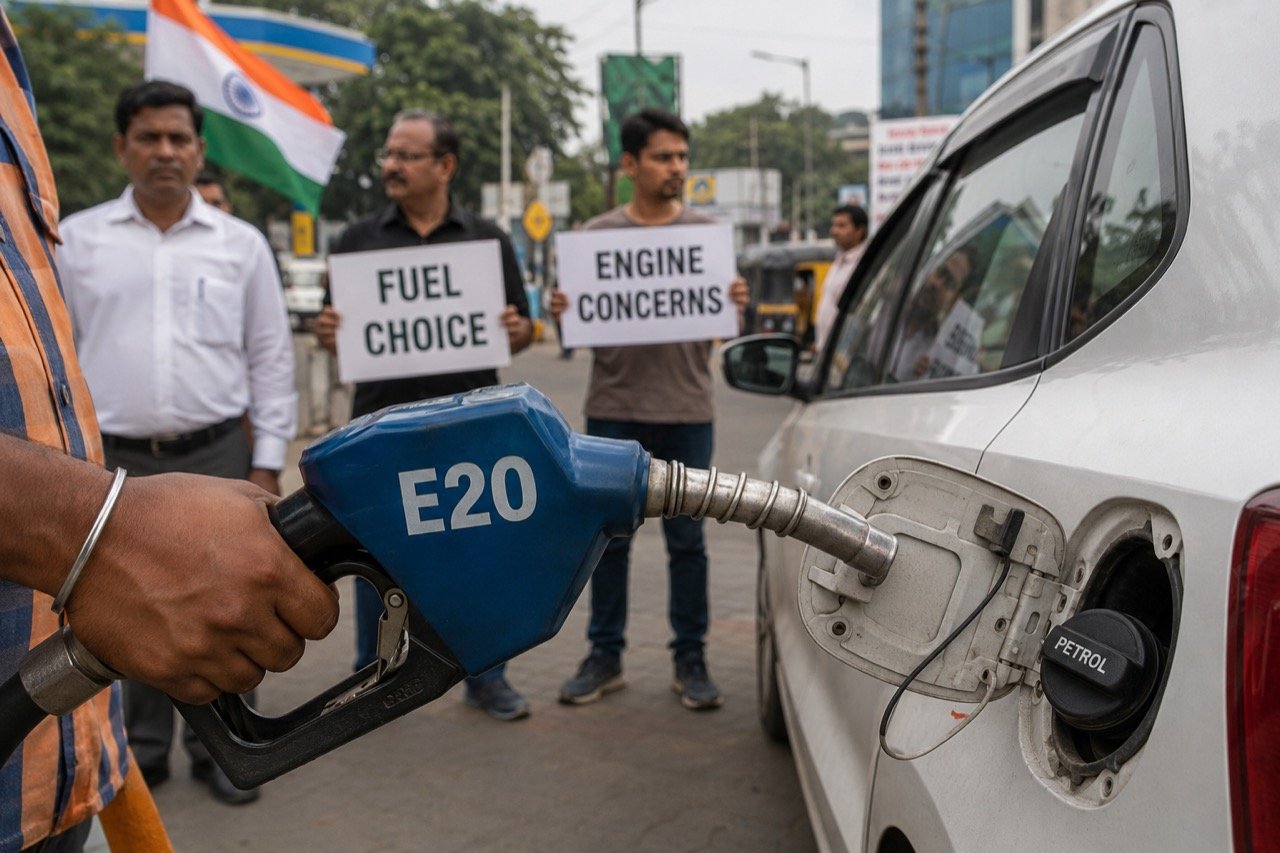
Few policy debates reach the average Indian as directly as the one now playing out at petrol pumps. The rollout of E20 fuel — petrol blended with 20 per cent ethanol — has moved from technical circles into everyday conversation, as motorists question what the ethanol mandate means for their mileage, their engines and their wallets.
Search interest around E20 petrol, engine compatibility and fuel economy has surged as criticism of the blending programme gathers momentum. Unlike most policy arguments, this one is experienced by consumers every time they refuel, which is precisely why it has become so charged.
What the government wants from ethanol blending
The ethanol-blending programme is a pillar of India's energy strategy. By substituting a fifth of every litre of petrol with domestically produced ethanol, the government aims to cut its enormous oil import bill, create a steady market for sugarcane and grain feedstocks, and trim some tailpipe emissions. The strategic logic — less dependence on volatile global crude markets — is widely accepted.
Why motorists are pushing back
Critics focus on the consumer side of the ledger. Ethanol carries less energy than petrol, so many drivers report a drop in mileage. Owners of older vehicles worry about long-term compatibility of engine components and fuel systems, and about whether warranties will cover blend-related wear. Perhaps the sharpest complaint is the lack of choice: at many stations, E20 is effectively the only petrol on offer, leaving owners of legacy vehicles with no practical alternative.
The path forward likely depends less on chemistry than on communication. Clear pump labelling, published fuel-economy data, unambiguous warranty guidance from automakers and technical advisories for older vehicles would go a long way towards rebuilding trust. If owners feel forced into uncertainty instead, the pressure could migrate from social media to courts and regulators.
The NE Times View
The E20 controversy is a case study in how sound strategic policy can stumble on weak consumer engagement. India's reasons for blending ethanol are legitimate — energy security, farm incomes and emissions all matter. But a transition that touches every fuel tank in the country cannot be run as a supply-side project alone. The government and oil marketers should treat mileage transparency and vehicle-compatibility guidance as core deliverables, not afterthoughts, and preserving some consumer choice at the pump would defuse much of the anger. Trust, once lost at the fuel station, is expensive to refill.
This article is original commentary and analysis by The NE Times. Background facts were referenced from Livemint, the Ministry of Petroleum and Natural Gas, and Economic Times Auto.
You may also like to read
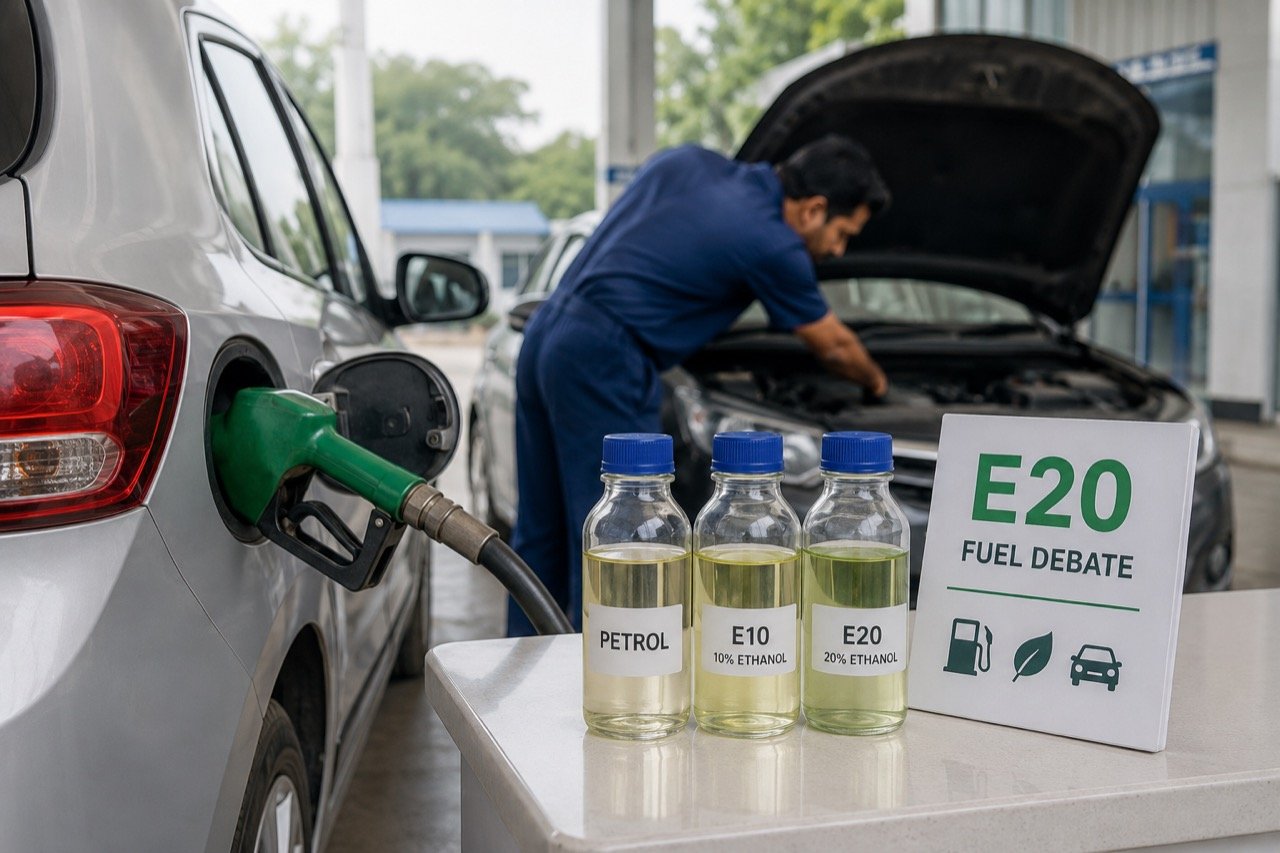
E20 Fuel in India: Mileage and Engine Worries Reach the Petrol Pump
India's push for 20 percent ethanol-blended petrol has moved from policy circles to everyday consumers, who are now asking hard questions about mileage loss, engine compatibility and what older vehicles should do.
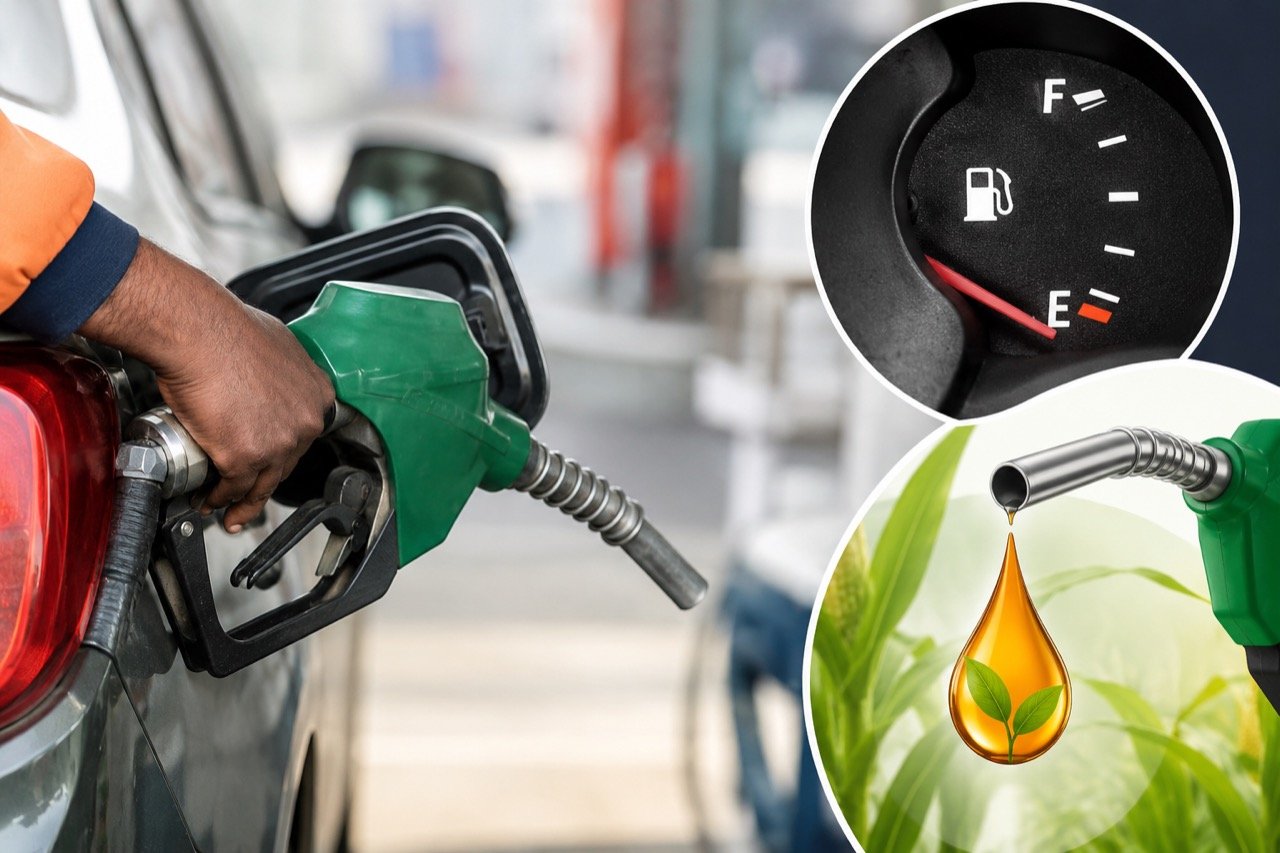
E20 Petrol: Carmakers Say No Engine Damage, But Mileage Dips
Carmakers have clarified that E20 petrol does not damage engines, but an acknowledged drop in fuel efficiency keeps ethanol-blended fuel at the centre of a consumer debate touching every Indian driver.

India Lifts Natural Gas Curbs as Middle East Tensions Ease
The Centre has rolled back emergency natural gas restrictions imposed in March to shield priority sectors, signalling that policymakers judge the immediate supply risk from West Asian instability to have receded.

OPEC+ Agrees Bigger August Output Hike: What It Means for Oil Prices
OPEC Plus members have signed off on a larger production increase for August, a supply-side shift that puts crude benchmarks, India's import bill and fuel-linked costs firmly back in the market spotlight.
More from this section
More
AICTE Industry Fellowship 2026: Rs 1.5 Lakh Scheme Closes July 5
The AICTE Industry Fellowship Programme 2026, which places technical-education faculty inside leading companies on a Rs 1.5 lakh monthly stipend, reached its application deadline on July 5.
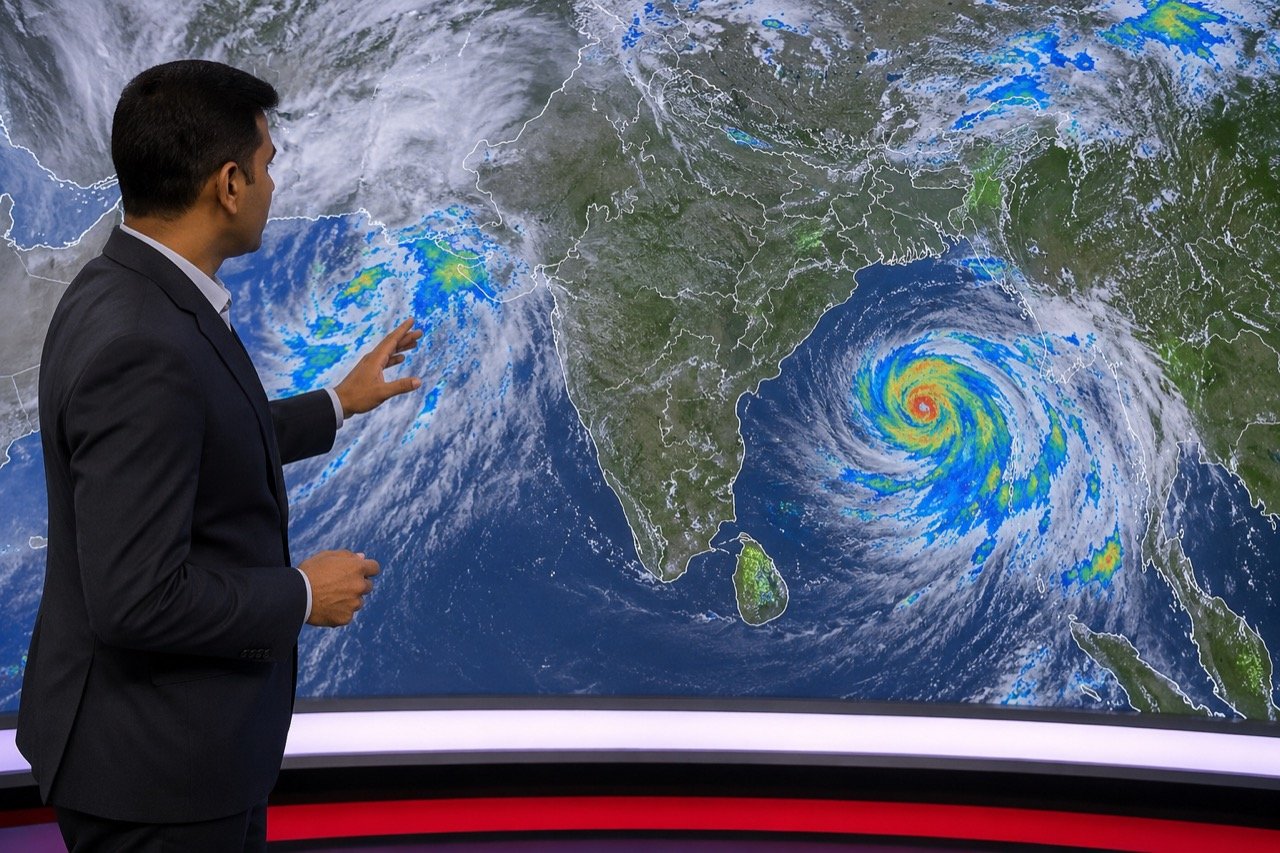
Bay of Bengal Low Pressure System Revives Monsoon Over Western India
A low-pressure system over the Bay of Bengal has pushed the monsoon back into an active phase, bringing steady heavy rain to Kerala, coastal Karnataka and Maharashtra, and putting Mumbai and Pune on preparedness watch.
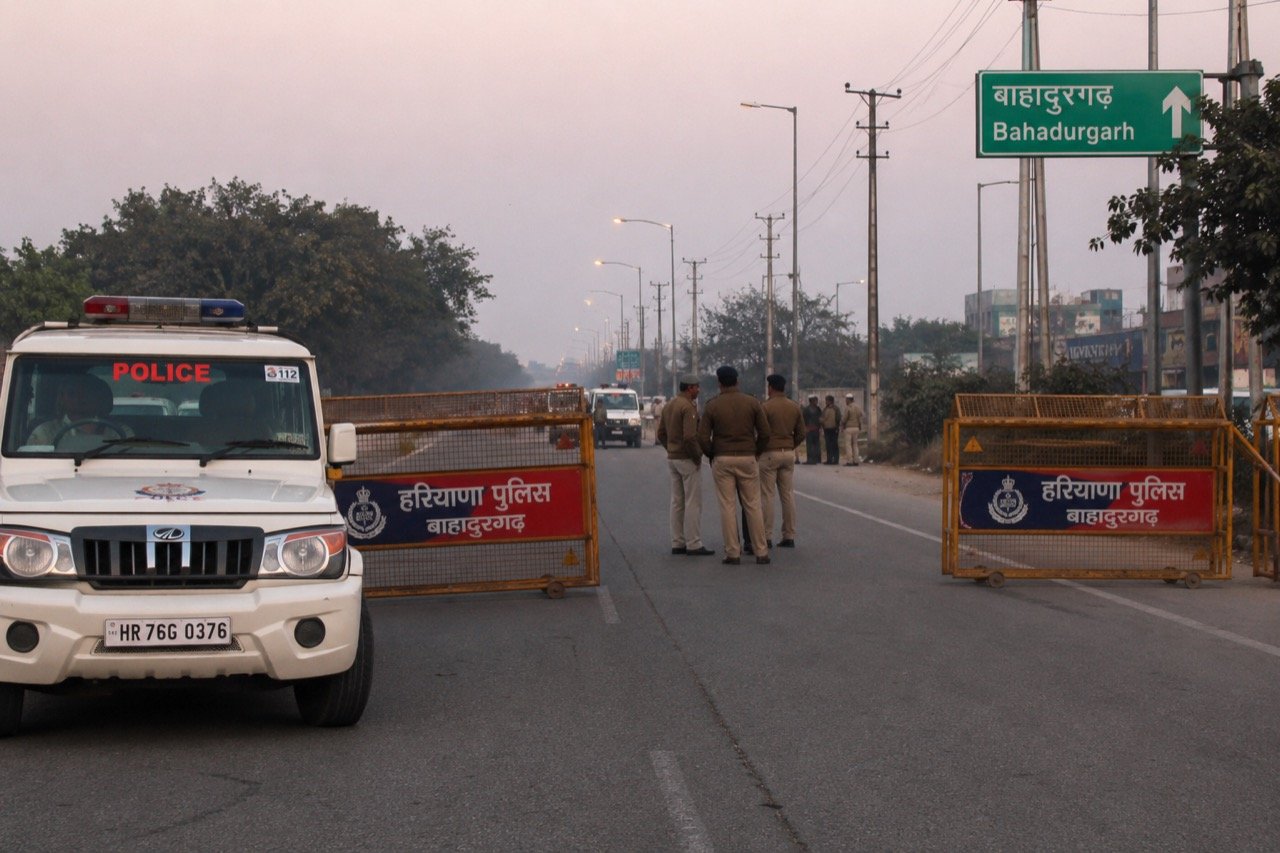
Bishnoi Gang Suspects Injured in Haryana Encounter as Police Tighten Net
A joint Haryana-Delhi Police operation in Bahadurgarh left two suspected Lawrence Bishnoi gang members injured, spotlighting the multi-state coordination now central to India's fight against organised crime networks.