E20 Fuel in India: Mileage and Engine Worries Reach the Petrol Pump
India's push for 20 percent ethanol-blended petrol has moved from policy circles to everyday consumers, who are now asking hard questions about mileage loss, engine compatibility and what older vehicles should do.
The NE Times National Desk
Commentary & Analysis ·
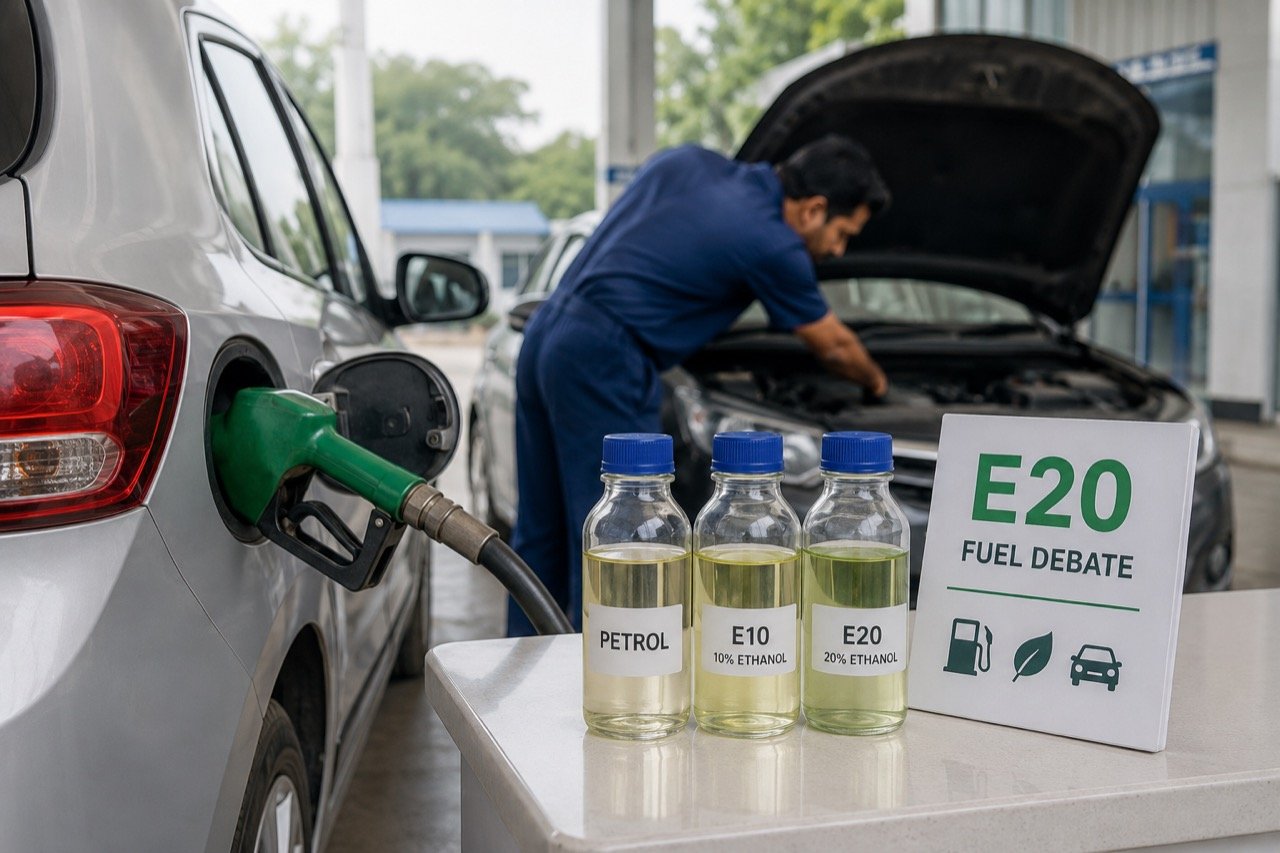
The debate over E20 fuel — petrol blended with 20 percent ethanol — has stopped being a technical policy discussion and become a household one. Across India, vehicle owners are asking the same practical questions: will my mileage drop, is my older car or two-wheeler compatible, and could engine components be affected over time?
The policy rationale is clear enough. Higher ethanol blending is meant to cut India's dependence on imported crude, support domestic ethanol producers and reduce some tailpipe emissions. What has changed is that the rollout's consequences are now being felt at the petrol pump rather than debated in ministry corridors.
What owners actually need to know
The honest answer is that impact varies by vehicle. Newer models are increasingly designed with higher ethanol blends in mind, while older vehicles raise more legitimate questions depending on manufacturer specifications for fuel lines, seals and tuning. That makes blanket claims — whether reassuring or alarming — unreliable.
Owners are better served checking manufacturer guidance, official service advisories and authorised fuel information than reacting to viral posts. Concerns about mileage and wear deserve answers, but not every claim circulating online has been verified, and panic is a poor substitute for a service manual.
The communication gap
The deeper issue is how the transition is being explained. Energy policy shifts often stumble at the consumer level when people feel changes are imposed without clear, practical advice on cost, performance and maintenance. E20 may serve national goals, but drivers experience it through their fuel bills and service visits.
The NE Times View
E20 is a reasonable policy wrapped in poor messaging. India's import bill and its sugarcane economy both argue for ethanol blending, but a transition that touches every fuel tank in the country cannot be communicated like a ministry circular. The government and carmakers should publish plain-language compatibility lists, realistic mileage expectations and clear recourse for owners of older vehicles. If consumers conclude they are subsidising a national goal out of their own pockets without being told, the backlash will outlast the policy's benefits. Trust, like mileage, is hard to recover once it drops.
This article is original commentary and analysis by The NE Times. Background facts were referenced from Times of India India News.
You may also like to read
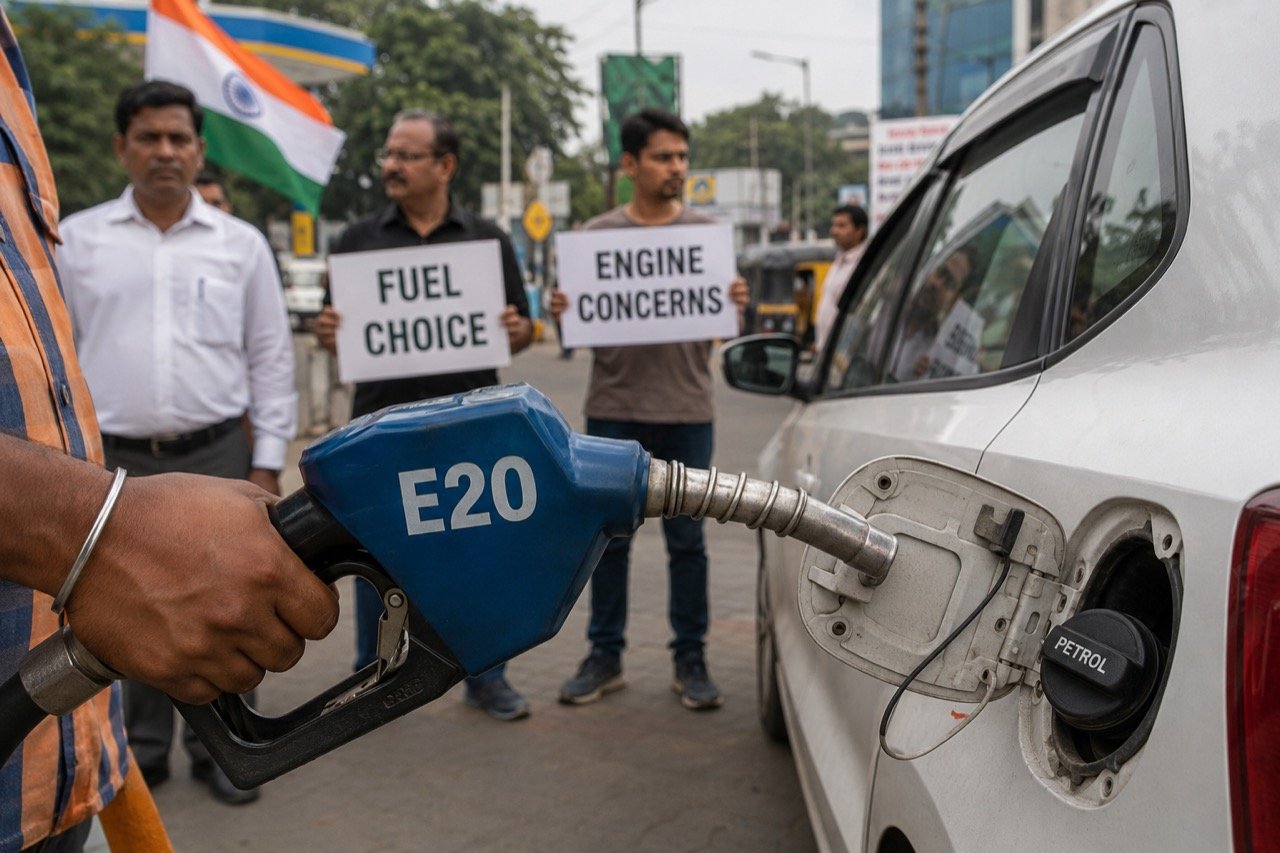
E20 Petrol: Why India's Ethanol Blending Push Divides Motorists
India's rollout of E20 ethanol-blended petrol has become a live public-policy debate, with vehicle owners raising questions about mileage, engine compatibility and consumer choice even as the government defends its energy-security goals.
E20 Petrol: Carmakers Say No Engine Damage, But Mileage Dips
Carmakers have clarified that E20 petrol does not damage engines, but an acknowledged drop in fuel efficiency keeps ethanol-blended fuel at the centre of a consumer debate touching every Indian driver.

India Refining Capacity Expansion Powers New Energy Push
India's plans to expand oil refining capacity are back in the spotlight, underlining how fuel infrastructure remains central to demand, exports and energy security even as the clean-energy transition gathers pace.
India to Lift Petrol and Diesel Sale Curbs From July 1
Restrictions on the sale of petrol and diesel are set to be lifted from July 1, easing uncertainty for motorists, transport operators and fuel retailers even as cities push a parallel shift to electric mobility.
More from this section
More
AICTE Industry Fellowship 2026: Rs 1.5 Lakh Scheme Closes July 5
The AICTE Industry Fellowship Programme 2026, which places technical-education faculty inside leading companies on a Rs 1.5 lakh monthly stipend, reached its application deadline on July 5.
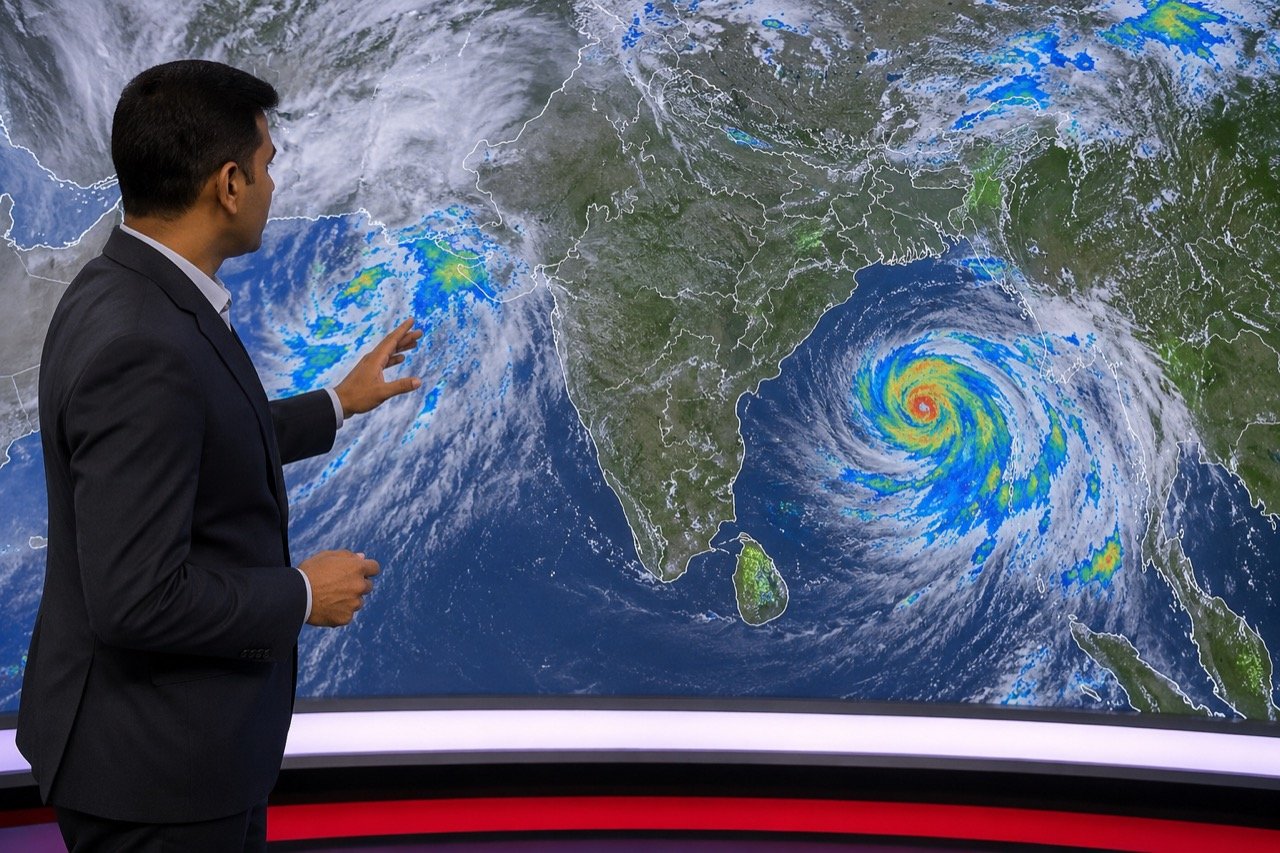
Bay of Bengal Low Pressure System Revives Monsoon Over Western India
A low-pressure system over the Bay of Bengal has pushed the monsoon back into an active phase, bringing steady heavy rain to Kerala, coastal Karnataka and Maharashtra, and putting Mumbai and Pune on preparedness watch.
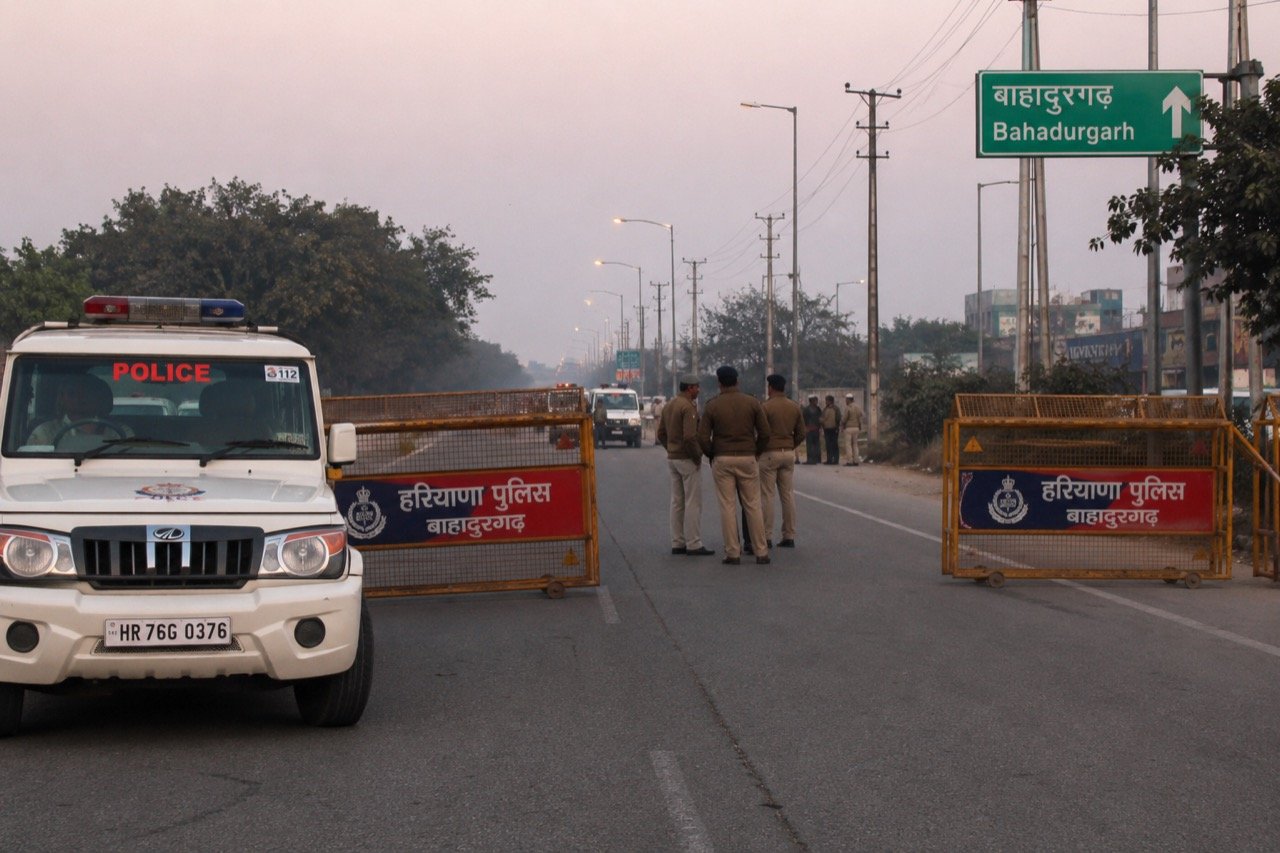
Bishnoi Gang Suspects Injured in Haryana Encounter as Police Tighten Net
A joint Haryana-Delhi Police operation in Bahadurgarh left two suspected Lawrence Bishnoi gang members injured, spotlighting the multi-state coordination now central to India's fight against organised crime networks.