Digital India Turns 11: AI GPUs, Chips and the Harder Next Phase
Eleven years in, Digital India is being judged less by its early public-service wins and more by whether it can deliver semiconductors, AI compute and resilient payments infrastructure at scale.
The NE Times Technology Desk
Commentary & Analysis ·
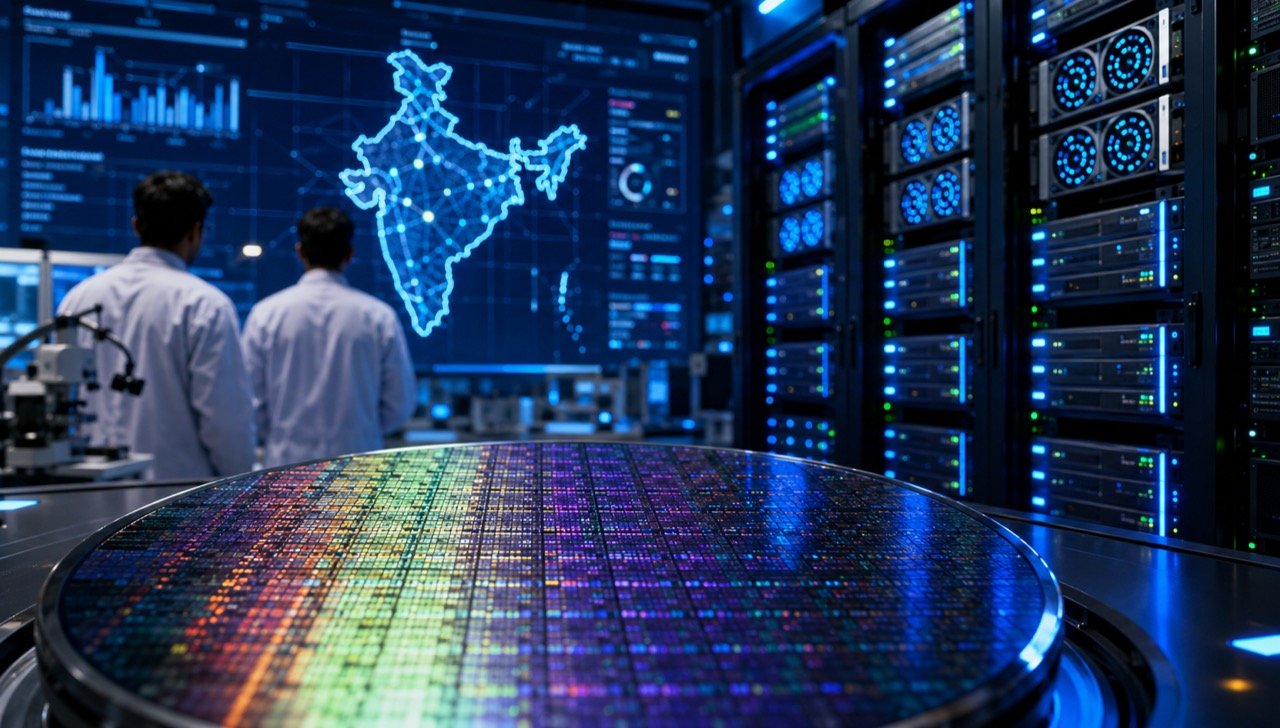
Digital India has crossed its 11-year mark, and the anniversary has become a genuine technology-policy story rather than a ceremonial one. The programme is now being measured against its next frontier — chips and AI compute — instead of only its early gains in digitising public services. TechObserver reported milestone figures spanning approved semiconductor investment, AI GPU deployment and record UPI transaction volumes in FY 2025-26.
From digital rails to deep tech
India has convincingly proven it can build population-scale digital rails: payments, identity-linked services and delivery platforms that handle volumes few countries attempt. The next stage is materially harder, spanning semiconductor fabrication, AI compute access, research infrastructure, data governance, cybersecurity and the manufacturing ecosystems that sit underneath all of it.
What the headline numbers must become
Approved semiconductor projects can reduce India's strategic dependence on imported chips — but only if they move from approval memos to production lines. Similarly, national AI GPU capacity will matter to startups, researchers and public institutions only if allocation is transparent, affordable and genuinely accessible outside a handful of large players.
UPI's staggering transaction volumes demonstrate adoption strength, yet scale cuts both ways: it raises the stakes on resilience, uptime and fraud prevention. A payments system this central to daily life has to be engineered against failure, not just celebrated for growth.
The NE Times View
Digital India's first decade succeeded because the state built open rails and let scale follow; its second decade cannot be won the same way. Chips and AI compute are capital-intensive, geopolitically contested and unforgiving of half-execution. The honest framing for readers is progress plus execution risk: approvals and GPU counts are inputs, not outcomes. The milestones worth watching from here are operational fab capacity, actual GPU utilisation by startups and universities, and measurable public-service improvements from AI systems. If those arrive, the 11-year celebration will have been a preview rather than a peak.
This article is original commentary and analysis by The NE Times. Background facts were referenced from TechObserver and NDTV India.
You may also like to read
UPI Goes Cross-Border In Cambodia As India Builds Out Global Payments Corridor
Indian travellers can now scan and pay at millions of Cambodian merchants, while a new India-Nepal remittance link extends UPI's footprint to its tenth international market.

India-Japan Summit Widens Ties Across AI, Defence and Chips
At their annual summit in New Delhi, Prime Ministers Modi and Takaichi unveiled a roadmap deepening cooperation on maritime security, artificial intelligence, semiconductors, shipbuilding and critical technologies.
Indian Firms Eye Asian AI Models as US Frontier Access Narrows
With access to some US frontier AI models growing harder, Indian companies are widening their supplier options toward Asian and Chinese alternatives, turning AI procurement into a strategic business decision.
IndiaAI Mission Backs Eight New Foundational Models and Expands AI Data Lab Network
The government's IndiaAI Mission has greenlit eight new indigenous foundational model projects and rolled out 30 fresh AI Data Labs, deepening the push for sovereign, India-built artificial intelligence.
More from this section
More
Centre Set to Summon Meta Over Instagram Ads Endangering Children
The government reportedly plans to summon Meta over Instagram advertisements alleged to promote child sexual abuse material, thrusting ad-review systems and platform accountability to the centre of India's tech-policy debate.
Centre Warns Telegram on Piracy in Platform Accountability Drive
The government has issued a stern warning to Telegram over pirated films, books and exam material circulating on the app, sharpening India's push to hold digital platforms accountable for unlawful content.
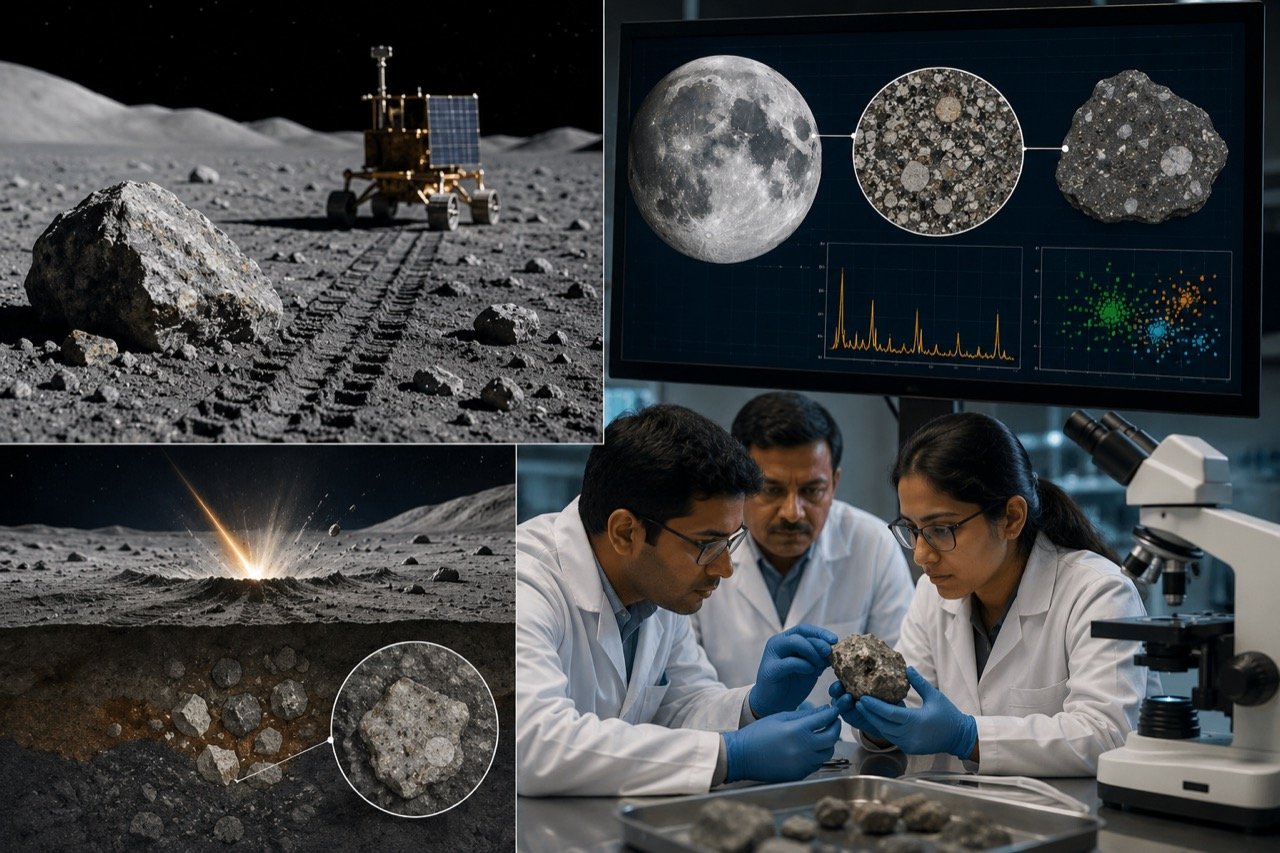
Chandrayaan-3 Data Tied to Earth's First Lunar Meteorite
New science coverage says findings from ISRO's Chandrayaan-3 mission reveal a link to Earth's first lunar meteorite, showing the landmark landing is still generating research long after touchdown.