Delhi Rain Alert: Monsoon Travel and Civic Readiness Under Watch
Delhi's monsoon rain watch has residents tracking weather alerts and traffic advisories, as even moderate showers test the capital's drainage, underpasses and last-mile travel networks.
The NE Times National Desk
Commentary & Analysis ·
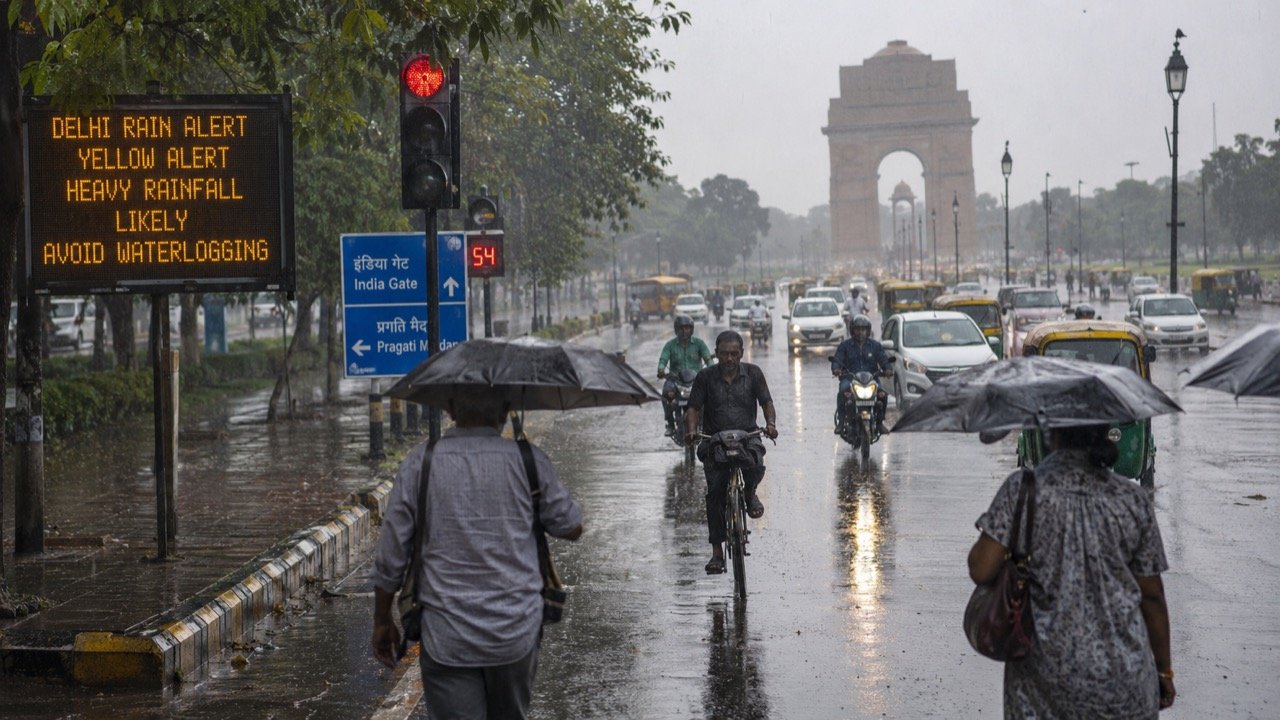
Delhi is back on rain watch, with monsoon alerts keeping commute planning, neighbourhood drainage and civic preparedness at the top of the capital's daily agenda. City coverage in recent days has flagged rain advisories and travel disruption concerns, with residents urged to check weather updates before stepping out.
The capital's rain story is distinct from the broader national monsoon picture because it is really a story about urban systems. In Delhi, even moderate to heavy showers can snarl traffic, flood underpasses, expose familiar waterlogging points and complicate last-mile travel for millions of commuters.
What residents should do
The practical playbook is straightforward: follow official weather and traffic advisories, avoid flooded stretches and underpasses, and build extra time into journeys on alert days. For school runs, office commutes and airport trips alike, the difference between a delay and a crisis is usually a route checked in advance.
The test for civic agencies
For Delhi's civic bodies, every rain alert is a public examination. Agencies are judged on how quickly drains are cleared, how fast waterlogging complaints are addressed, and how clearly risks are communicated to residents. The city's known chokepoints are mapped year after year; the question each monsoon is whether that knowledge translates into faster response on the ground.
The NE Times View
Delhi's monsoon problem is not a forecasting problem — the alerts arrive on time. It is an accountability problem: the same underpasses drown every year, and the same assurances follow. The city would gain more from a public, ward-level scorecard of drain-clearing and waterlogging response times than from another round of advisories asking citizens to adjust. Residents are doing their part by planning around the rain; civic agencies should be held to the same standard of preparation. Until then, every alert is less a warning about weather than a reminder of deferred maintenance.
This article is original commentary and analysis by The NE Times. Background facts were referenced from the Hindustan Times and the Times of India.
You may also like to read
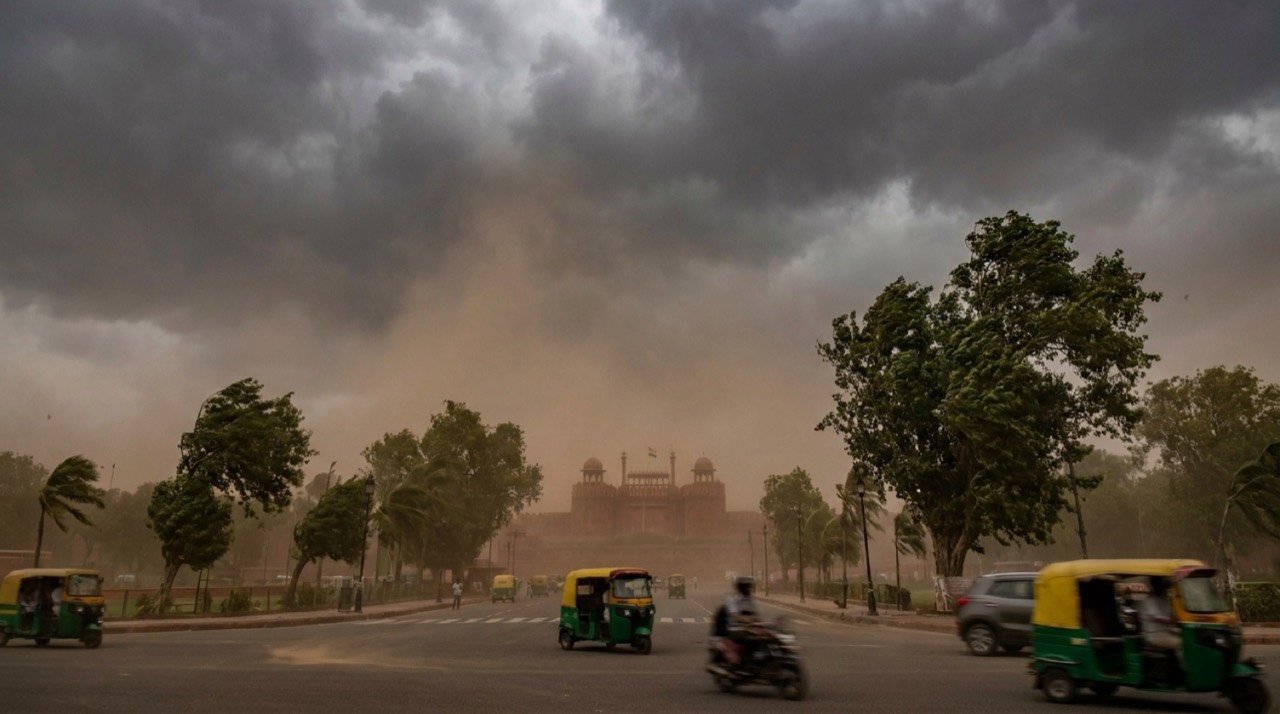
Delhi Red Alert: Dust Storms, Lightning and Rain Sweep the National Capital Region
Delhi moved under a short-term red weather alert on June 23 as dust storms, strong winds and severe thunderstorms threatened traffic, flights, power supply and outdoor safety across the National Capital Region.
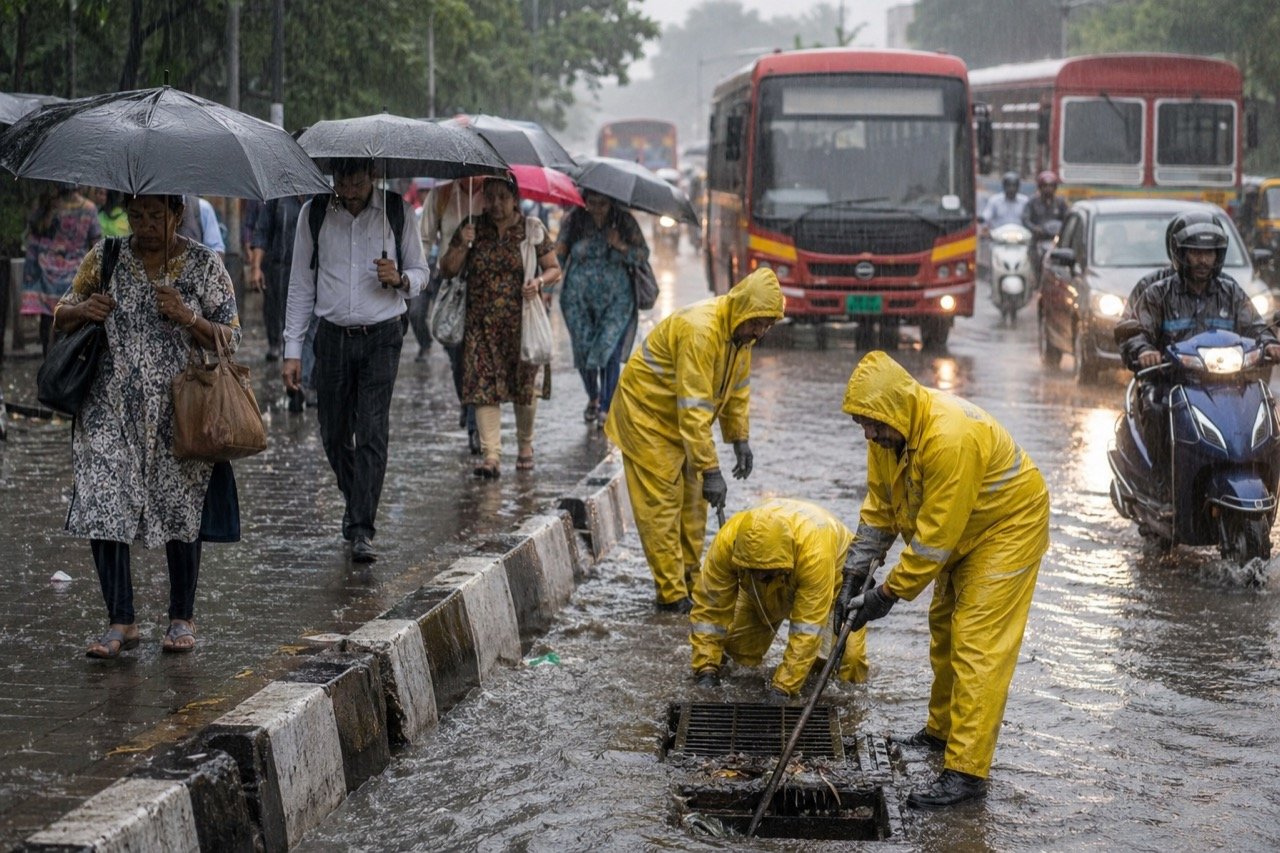
Mumbai and Thane on Alert as IMD Warns of Very Heavy Weekend Rain
The IMD has forecast heavy to very heavy rainfall with isolated extremely heavy spells over Mumbai and Thane on July 4 and 5, putting transport, drainage and emergency systems on weekend watch.
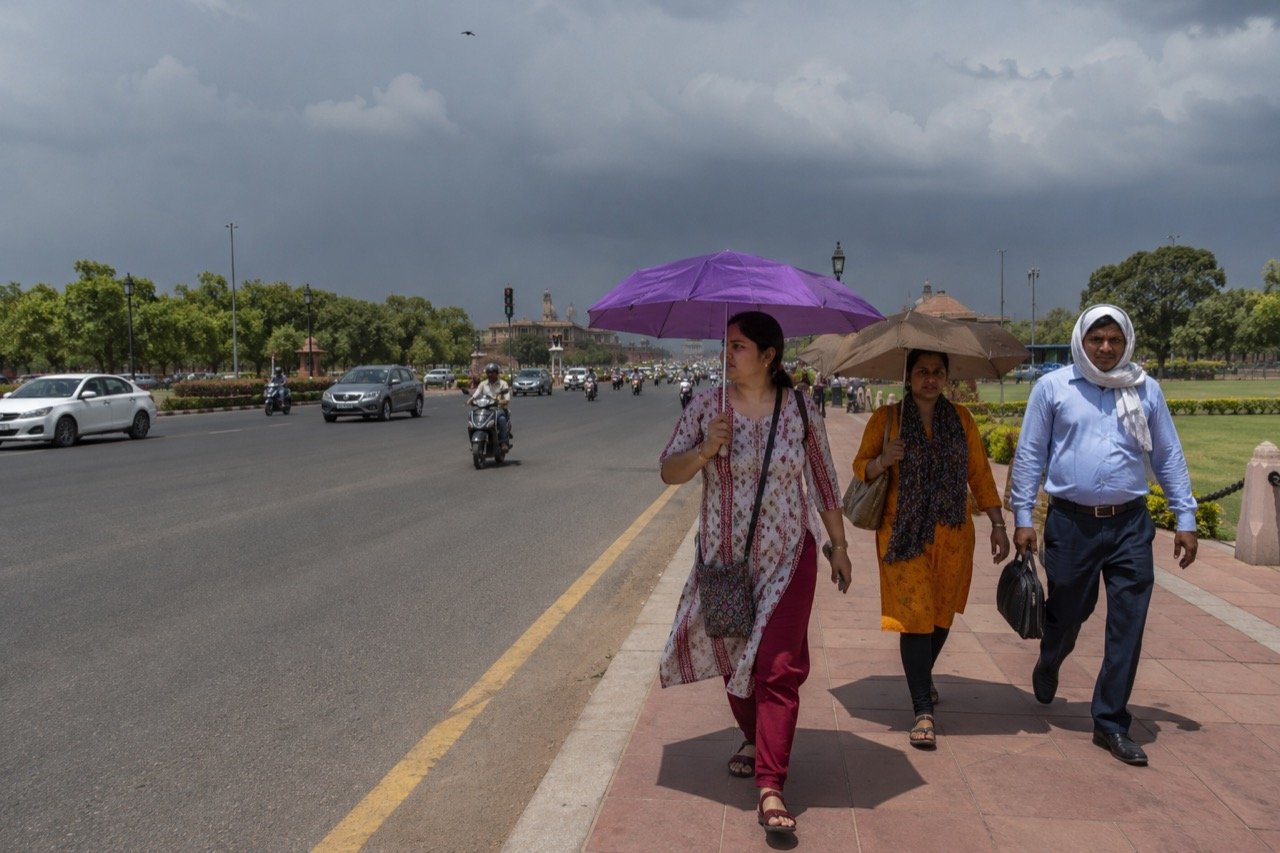
Delhi's Monsoon Wait Stretches On as IMD Flags Slow Advance
The India Meteorological Department says the southwest monsoon is unlikely to reach Delhi over the next five days, prolonging heat stress in the capital even as Mumbai is drenched by intense showers.
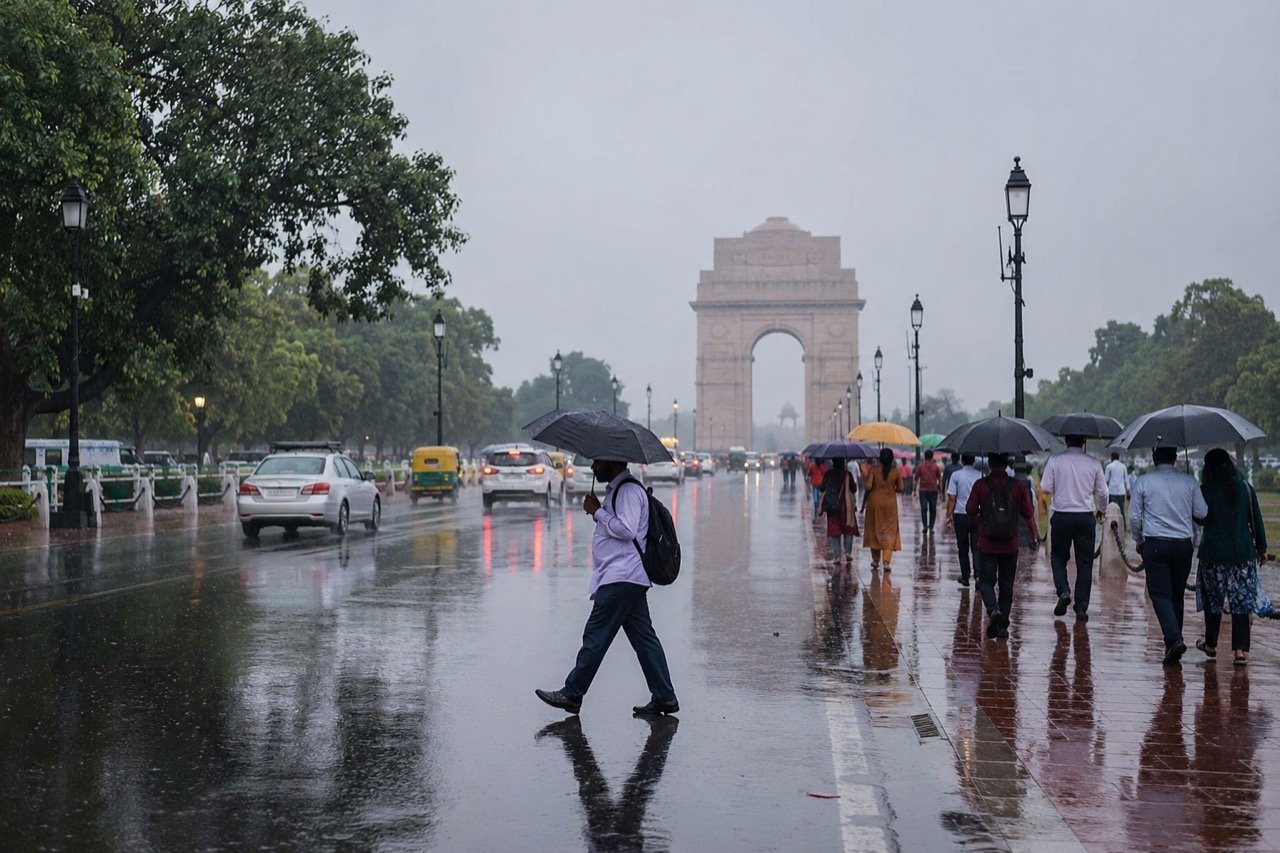
Delhi Weather: Warmest July Day in Two Years, Orange Rain Alert Next
Delhi's maximum temperature climbed to 38.6 degrees Celsius on Sunday, its warmest July day in two years, even as the IMD issued an orange alert for moderate rain on Monday.
More from this section
More
AICTE Industry Fellowship 2026: Rs 1.5 Lakh Scheme Closes July 5
The AICTE Industry Fellowship Programme 2026, which places technical-education faculty inside leading companies on a Rs 1.5 lakh monthly stipend, reached its application deadline on July 5.
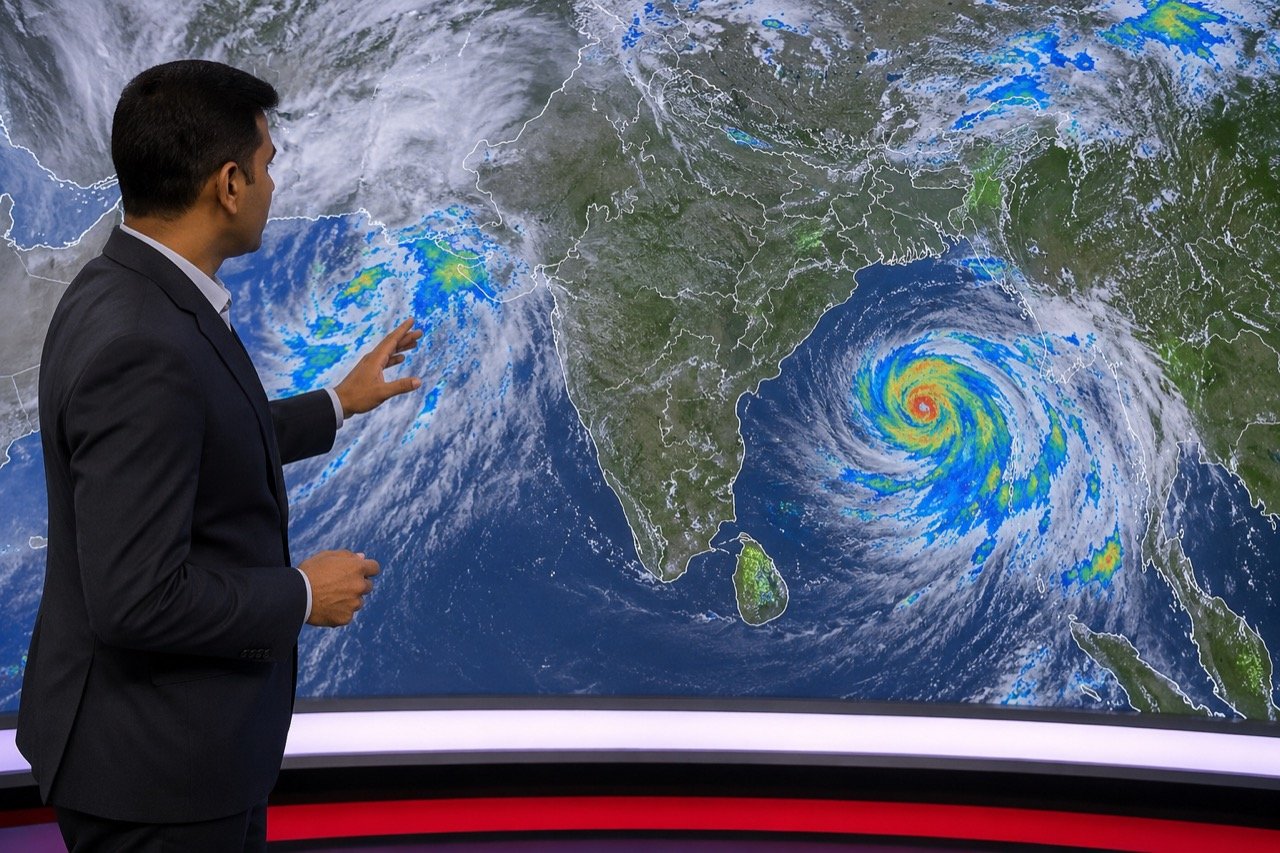
Bay of Bengal Low Pressure System Revives Monsoon Over Western India
A low-pressure system over the Bay of Bengal has pushed the monsoon back into an active phase, bringing steady heavy rain to Kerala, coastal Karnataka and Maharashtra, and putting Mumbai and Pune on preparedness watch.
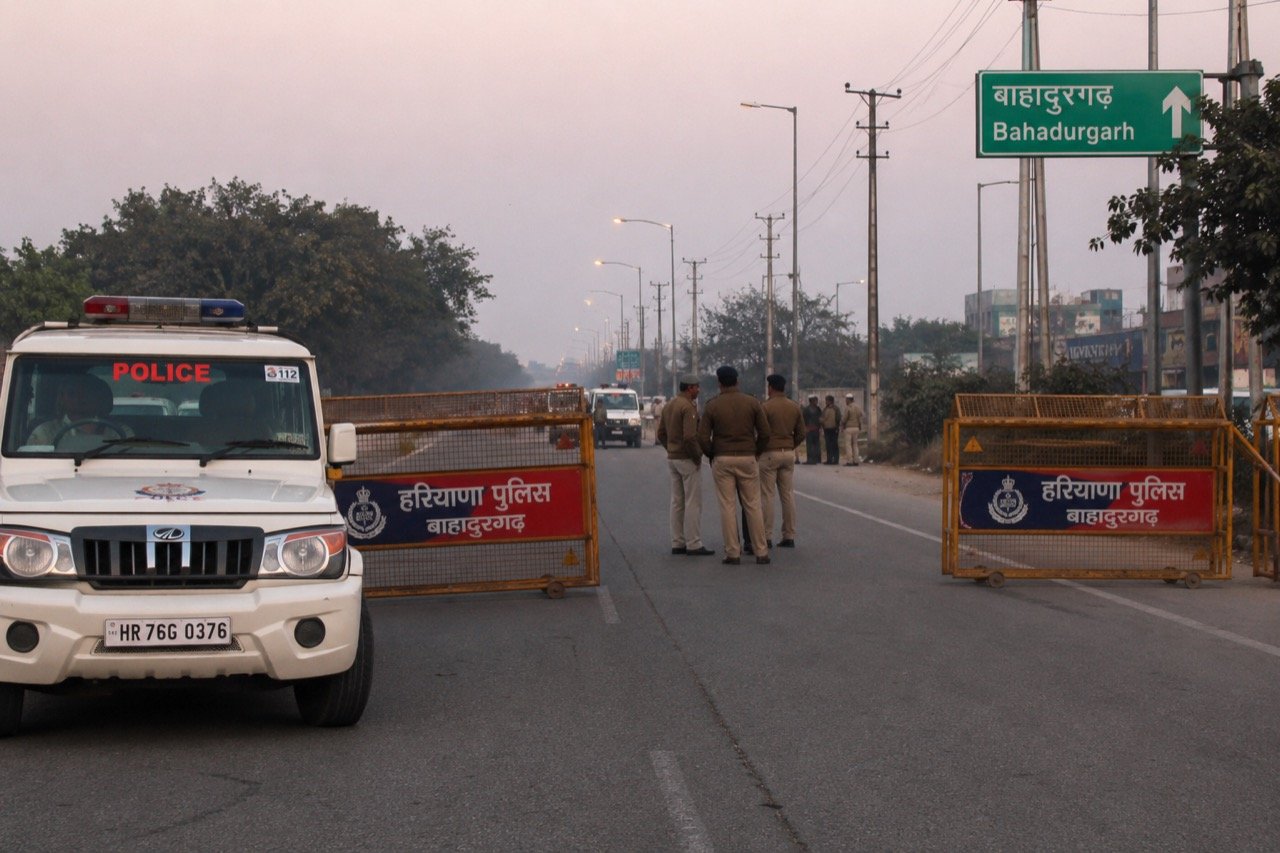
Bishnoi Gang Suspects Injured in Haryana Encounter as Police Tighten Net
A joint Haryana-Delhi Police operation in Bahadurgarh left two suspected Lawrence Bishnoi gang members injured, spotlighting the multi-state coordination now central to India's fight against organised crime networks.