Delhi EV Policy 2.0: Ownership Costs, 2028 Petrol Bike Halt Explained
Chief Minister Rekha Gupta is pitching Delhi's new EV policy as a long-term ownership shift, pairing purchase incentives and charging infrastructure with a contested halt on new petrol two-wheeler registrations from April 2028.
The NE Times National Desk
Commentary & Analysis ·
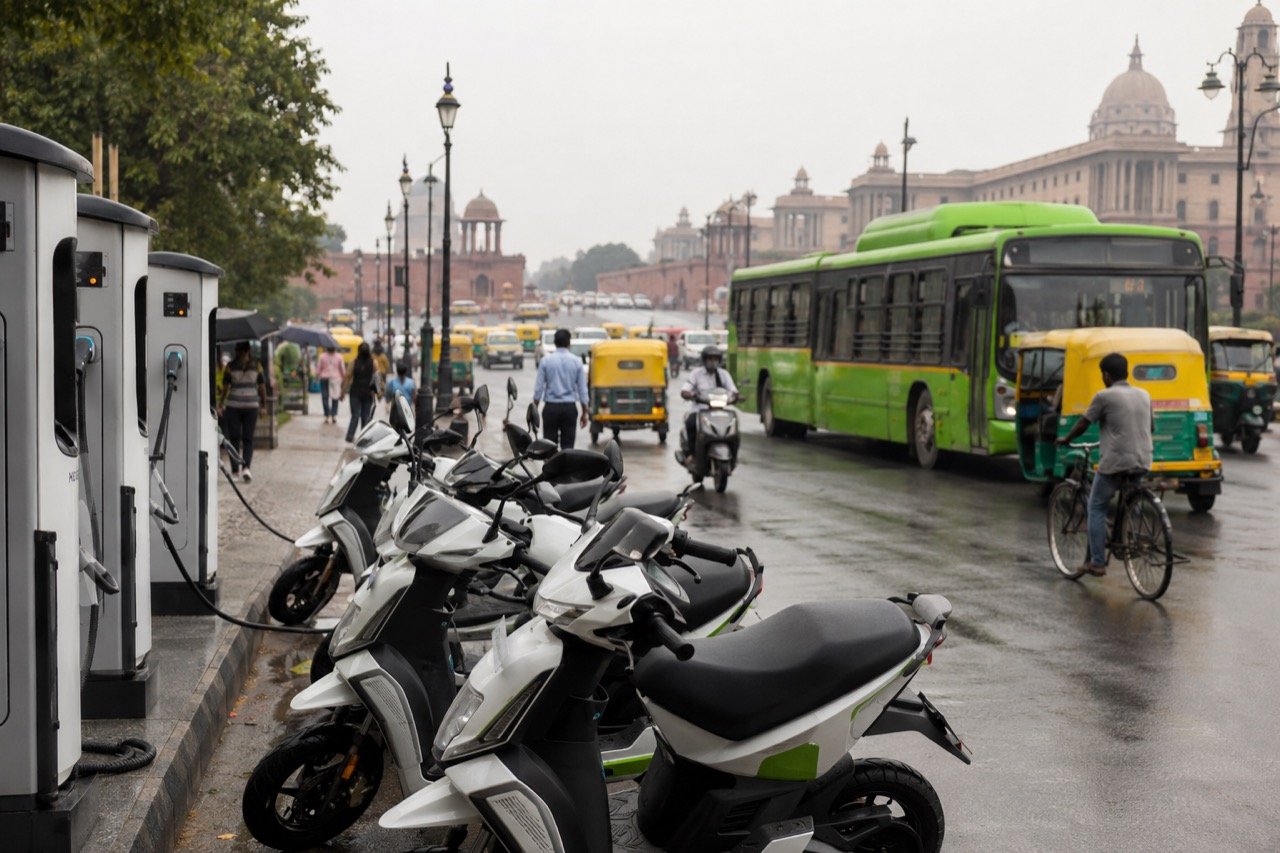
Delhi Chief Minister Rekha Gupta's defence of the capital's new electric vehicle policy has shifted the conversation beyond subsidies to a harder question: what will clean mobility actually cost over the life of a vehicle, and who benefits? The government is framing Delhi EV Policy 2.0 as a long-term ownership transition rather than a one-off incentive announcement.
What the policy offers
The framework bundles purchase incentives for EV buyers, road-tax and registration relief for eligible electric cars, support for two- and three-wheelers, scrappage incentives and a major charging-infrastructure push. Its most debated element is a proposed halt on fresh registration of petrol-powered two-wheelers from April 2028 — a measure the government ties directly to Delhi's clean-air goals. By attacking ownership costs, the administration hopes EV adoption will feel practical rather than symbolic for buyers still comparing electric options against petrol equivalents.
Implementation is the real test
Incentives only work when buyers understand them, dealers process them smoothly and charging networks grow ahead of demand. A subsidy portal and fixed disbursal timelines can help, but public trust will hinge on payments arriving predictably and chargers working reliably in ordinary neighbourhoods, not just in policy presentations. Consumers still weigh battery warranties, resale value, financing terms, repair availability and the perennial problem of apartment charging before making the switch.
Automakers and dealers are watching closely for another reason: if Delhi's approach becomes a template for other states, manufacturers may need to accelerate electric portfolios and rework production assumptions for a market where regulatory direction matters as much as consumer preference. Analysts have warned that similar mandates elsewhere could reshape two-wheeler and small-vehicle strategy across India.
There is also a civic dimension. Pollution reduction cannot rest on private buyers alone — public transport electrification, last-mile services, fleet operators and charging equity across districts will decide whether the policy's environmental promise shows up in Delhi's air.
The NE Times View
Delhi EV Policy 2.0 is the right kind of ambition, but its credibility will be earned in the boring details: subsidies that arrive on time, chargers that work in Karol Bagh as reliably as in Lutyens' Delhi, and honest communication about the 2028 petrol two-wheeler deadline so households can plan rather than panic. The two-wheeler halt is politically brave and environmentally logical, yet it will punish the aspirational middle class if charging access and affordable electric models do not scale first. If the capital sequences this transition well, it becomes the national reference point for clean mobility; if it stumbles on execution, it hands sceptics of climate policy an easy argument for a decade.
This article is original commentary and analysis by The NE Times. Background facts were referenced from Hindustan Times, Times of India and Economic Times.
You may also like to read
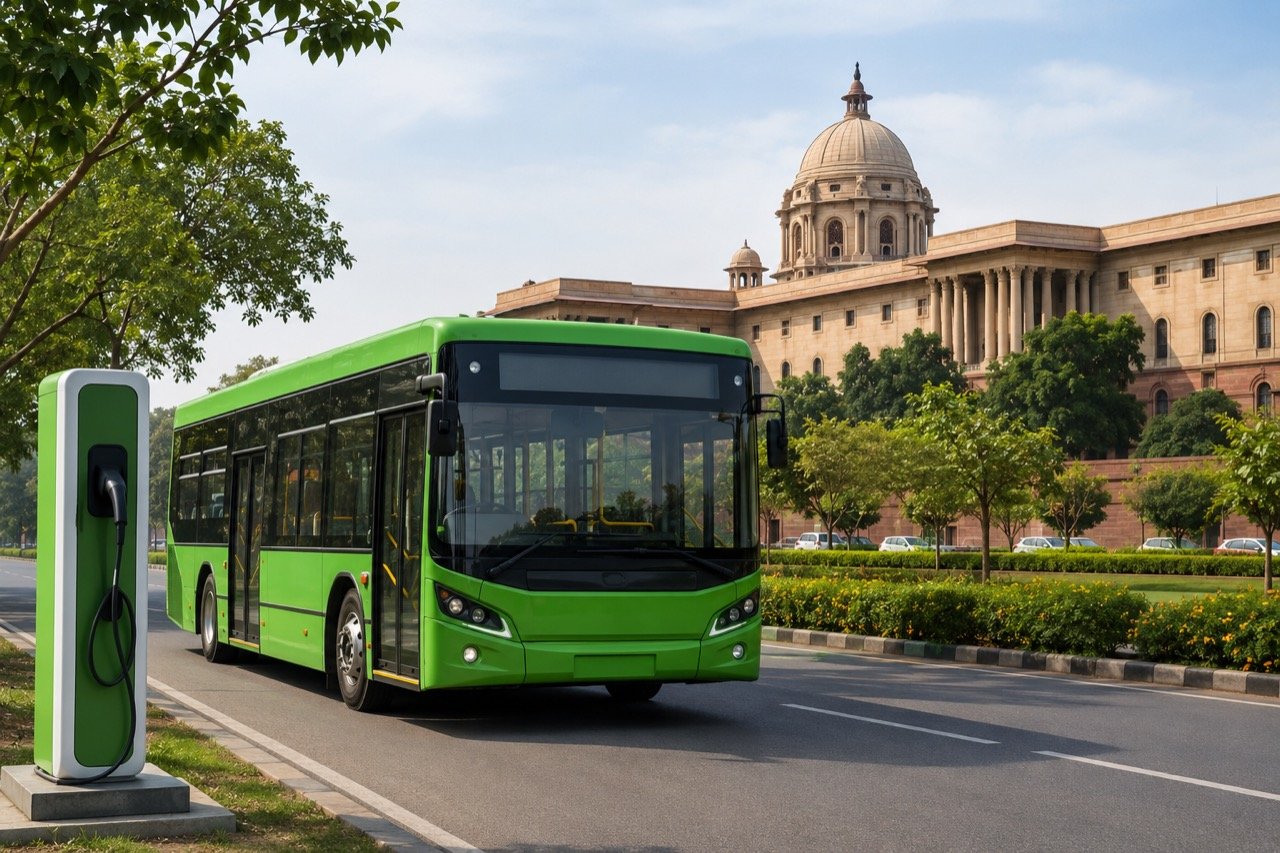
Rekha Gupta Interview Puts Delhi EV Incentives and Civic Services in Focus
Delhi Chief Minister Rekha Gupta's interview with The Indian Express places electric-vehicle incentives and urban-service delivery at the heart of the capital's policy debate, framing how the government wants Delhi's next phase to look.
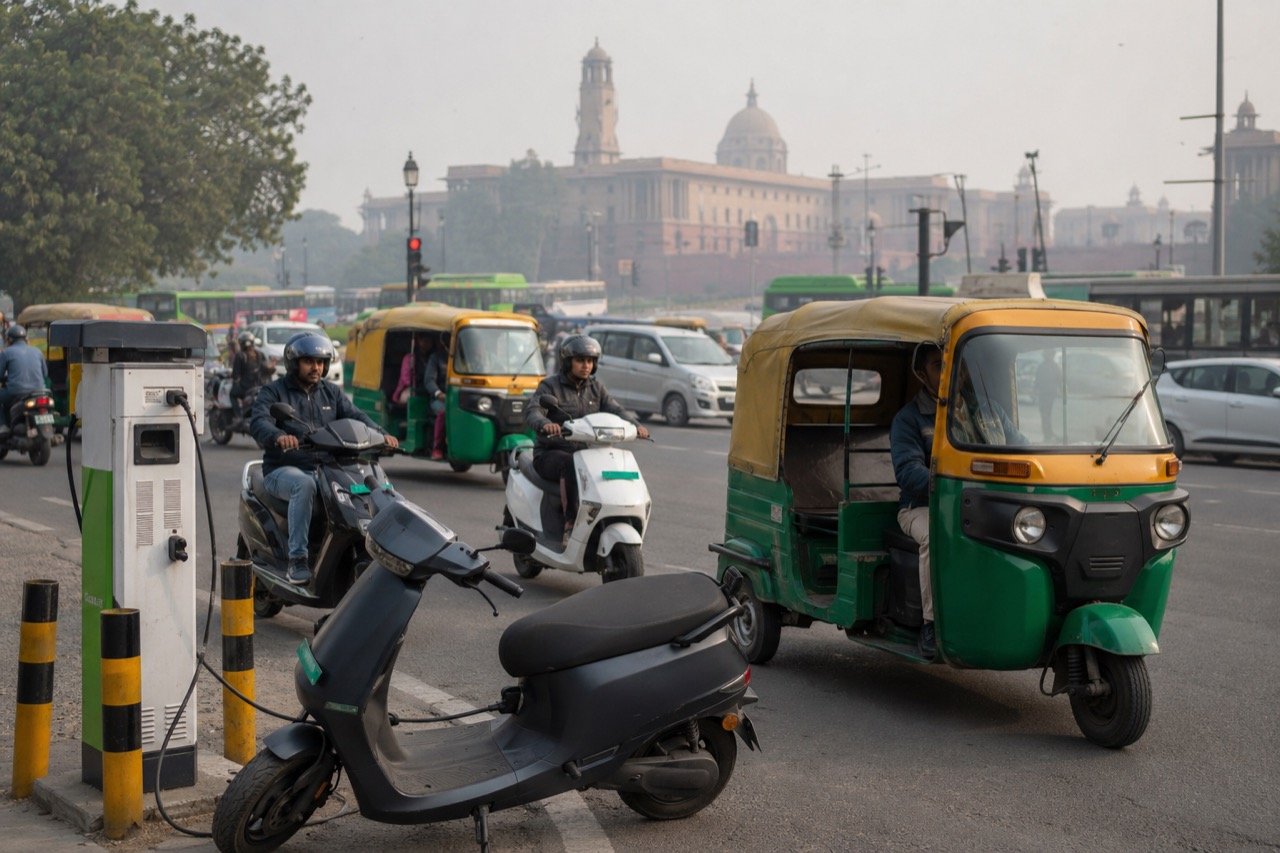
Delhi's EV Policy 2026: Petrol Two-Wheelers Face a 2028 Deadline
Delhi's updated electric vehicle policy targets an end to new petrol two-wheeler registrations from 2028 and at least 30 percent fleet electrification by 2030, turning the capital's commute into a national clean-mobility test case.
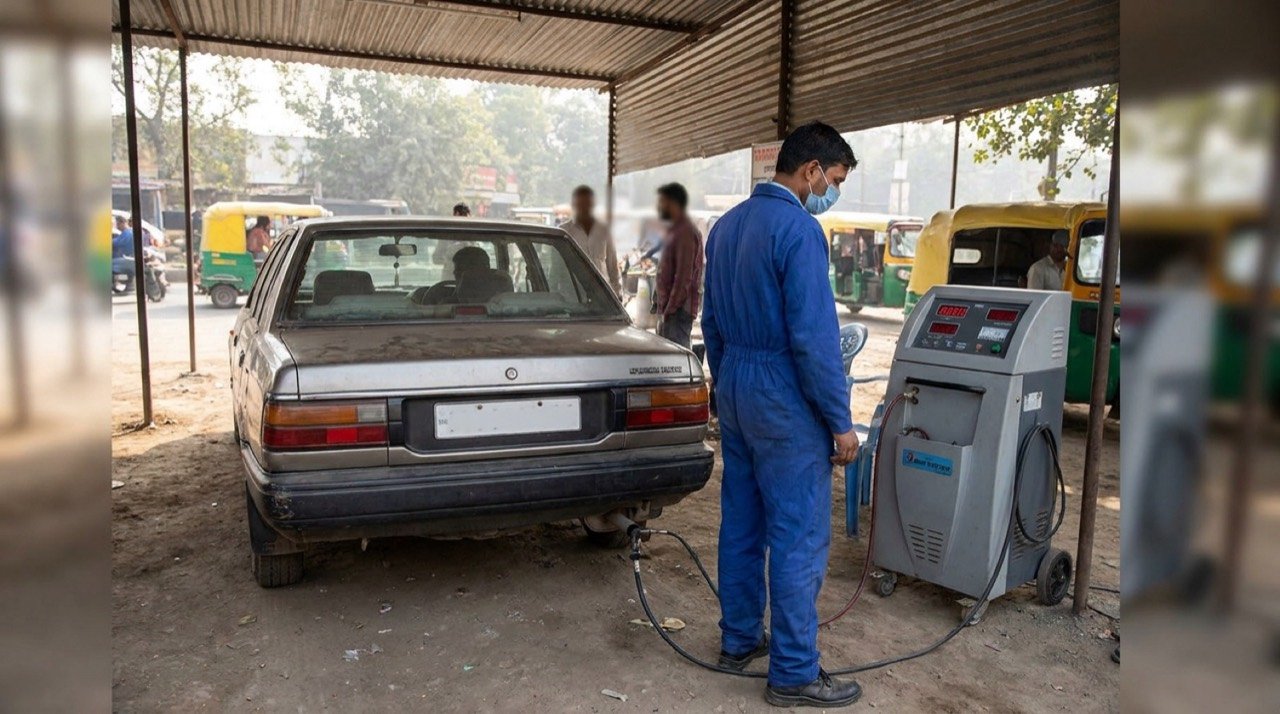
PUCC 3.0: Why Newer BS-VI Cars May Get Easier Pollution Checks While Older Vehicles Face Tighter Rules
India's proposed PUCC 3.0 framework could extend pollution certificate validity to three years for newer BS-VI cars while subjecting older and dirtier vehicles to far more frequent emission checks.
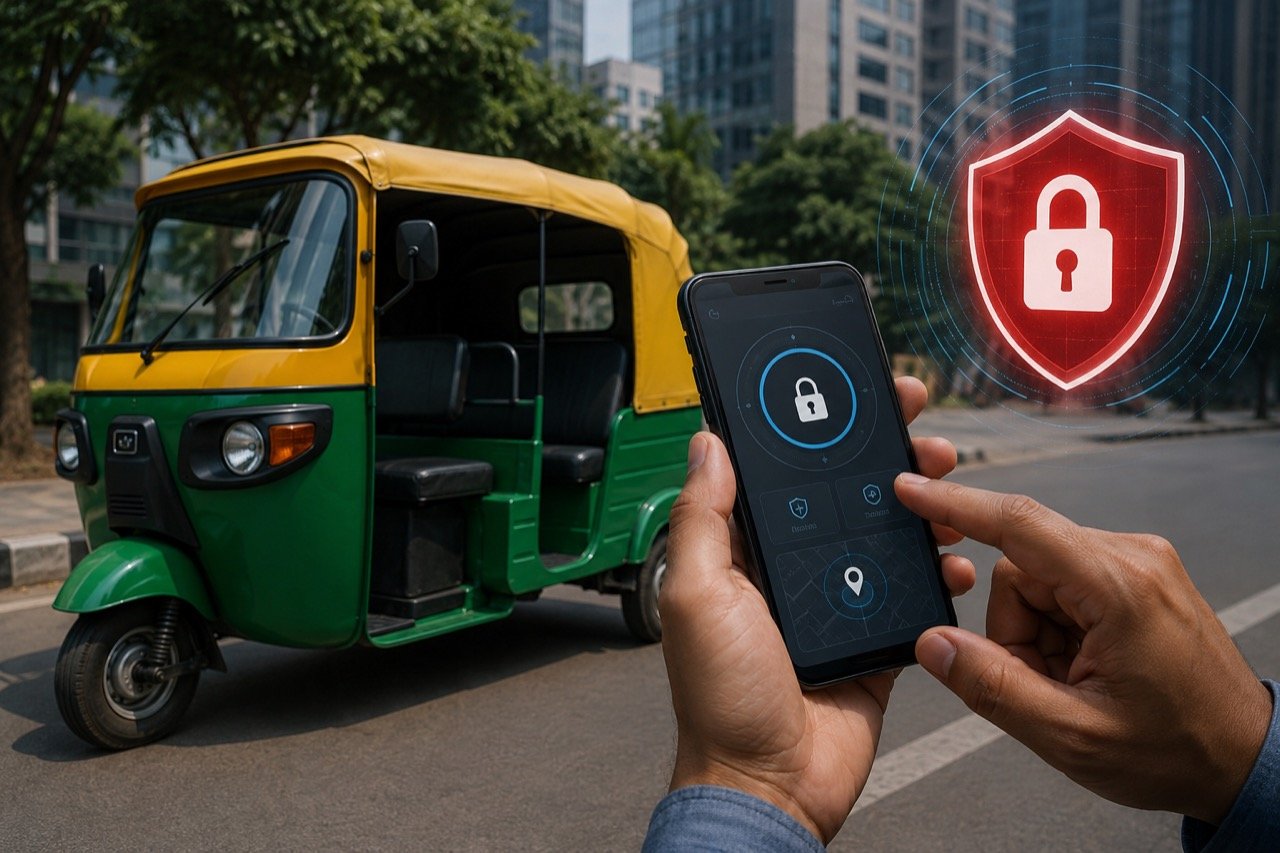
Chinese E-Rickshaw Apps Banned in India Over Remote Disable Risk
The Centre has ordered the removal of three Chinese apps — BAT-BMS, Lossigy and Epoch-i-ion — over fears they could remotely disable battery-run e-rickshaws, turning mobility software into a public safety concern.
More from this section
More
AICTE Industry Fellowship 2026: Rs 1.5 Lakh Scheme Closes July 5
The AICTE Industry Fellowship Programme 2026, which places technical-education faculty inside leading companies on a Rs 1.5 lakh monthly stipend, reached its application deadline on July 5.
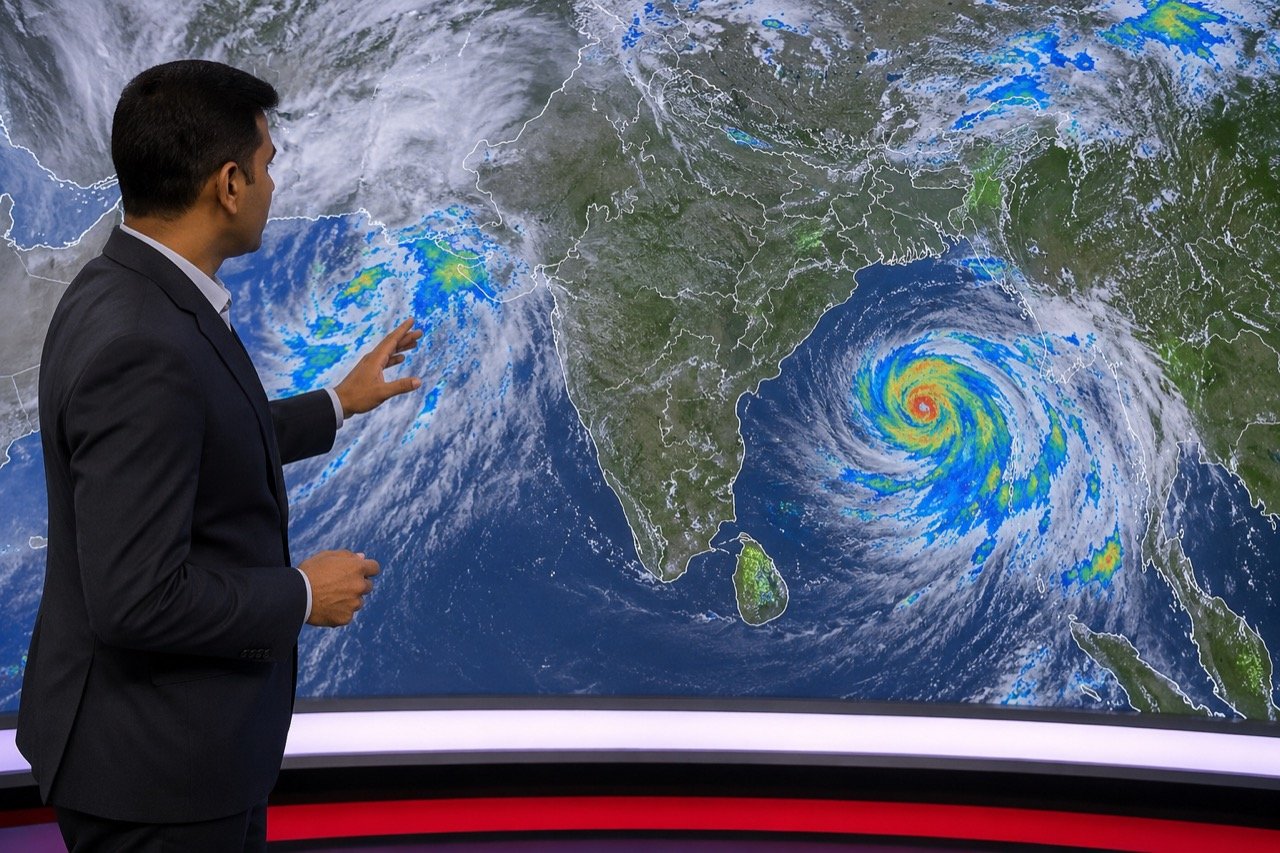
Bay of Bengal Low Pressure System Revives Monsoon Over Western India
A low-pressure system over the Bay of Bengal has pushed the monsoon back into an active phase, bringing steady heavy rain to Kerala, coastal Karnataka and Maharashtra, and putting Mumbai and Pune on preparedness watch.
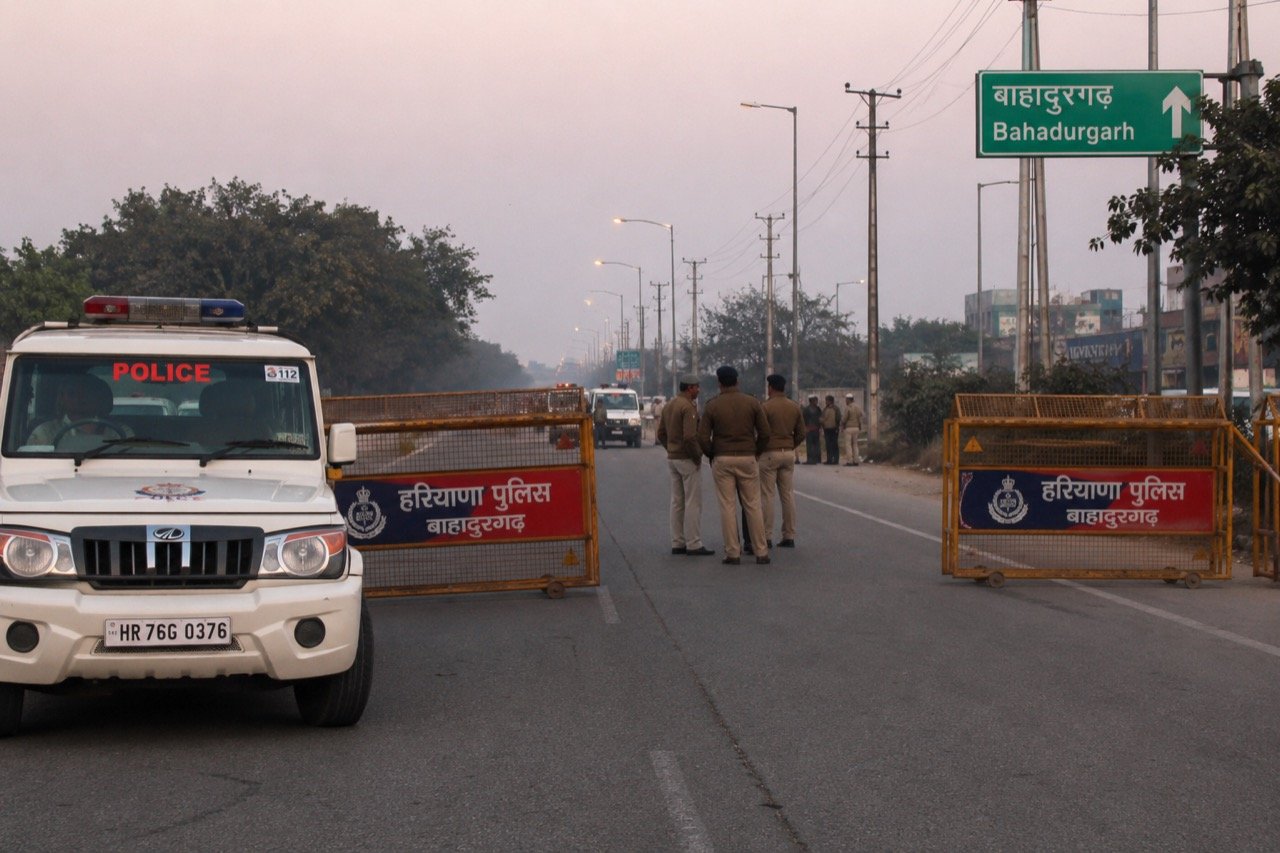
Bishnoi Gang Suspects Injured in Haryana Encounter as Police Tighten Net
A joint Haryana-Delhi Police operation in Bahadurgarh left two suspected Lawrence Bishnoi gang members injured, spotlighting the multi-state coordination now central to India's fight against organised crime networks.