DAC Clears Rs 52,000 Crore Push for India's Defence Modernisation
The Defence Acquisition Council has approved procurement proposals worth over Rs 52,000 crore, signalling sustained investment in aircraft, radar and capability upgrades across India's armed forces.
The NE Times National Desk
Commentary & Analysis ·

India's Defence Acquisition Council has cleared procurement proposals worth more than Rs 52,000 crore, putting aircraft, radar systems and broader military modernisation back at the centre of the national security conversation. DAC approvals mark an early but pivotal stage in the acquisition pipeline, flagging priority areas for both the armed forces and the defence industry.
Approval is the start, not the finish
Defence procurement is a long and complex road. A DAC clearance does not mean immediate deliveries; it begins or advances a process that typically runs through tendering, negotiations, field trials and final contracting. Each stage must balance operational needs against cost, technology transfer, domestic manufacturing requirements and timelines.
The industrial stakes
The industrial angle is as significant as the military one. When domestic firms are involved, procurement decisions of this scale directly support Make in India and Atmanirbhar Bharat goals, deepening India's defence manufacturing base. They also shape the calculations of global suppliers seeking Indian partnerships and co-production arrangements.
The strategic logic is straightforward: India faces a demanding security environment on multiple fronts and requires sustained, predictable modernisation. The latest approvals are one more data point on that long-term defence spending trajectory.
The NE Times View
Headline numbers from the DAC are easy to celebrate and easy to misread. India's real procurement problem has rarely been approvals — it has been the years that elapse between clearance and contract, during which costs rise and operational gaps persist. The measure of this Rs 52,000 crore tranche will be conversion speed: how quickly proposals become signed deals and delivered platforms. There is also a genuine opportunity here for Indian industry, provided indigenous content requirements are enforced in substance rather than accounting. Readers should track not what was approved this week, but what actually gets contracted in the next twelve months.
This article is original commentary and analysis by The NE Times. Background facts were referenced from Indian Express.
You may also like to read
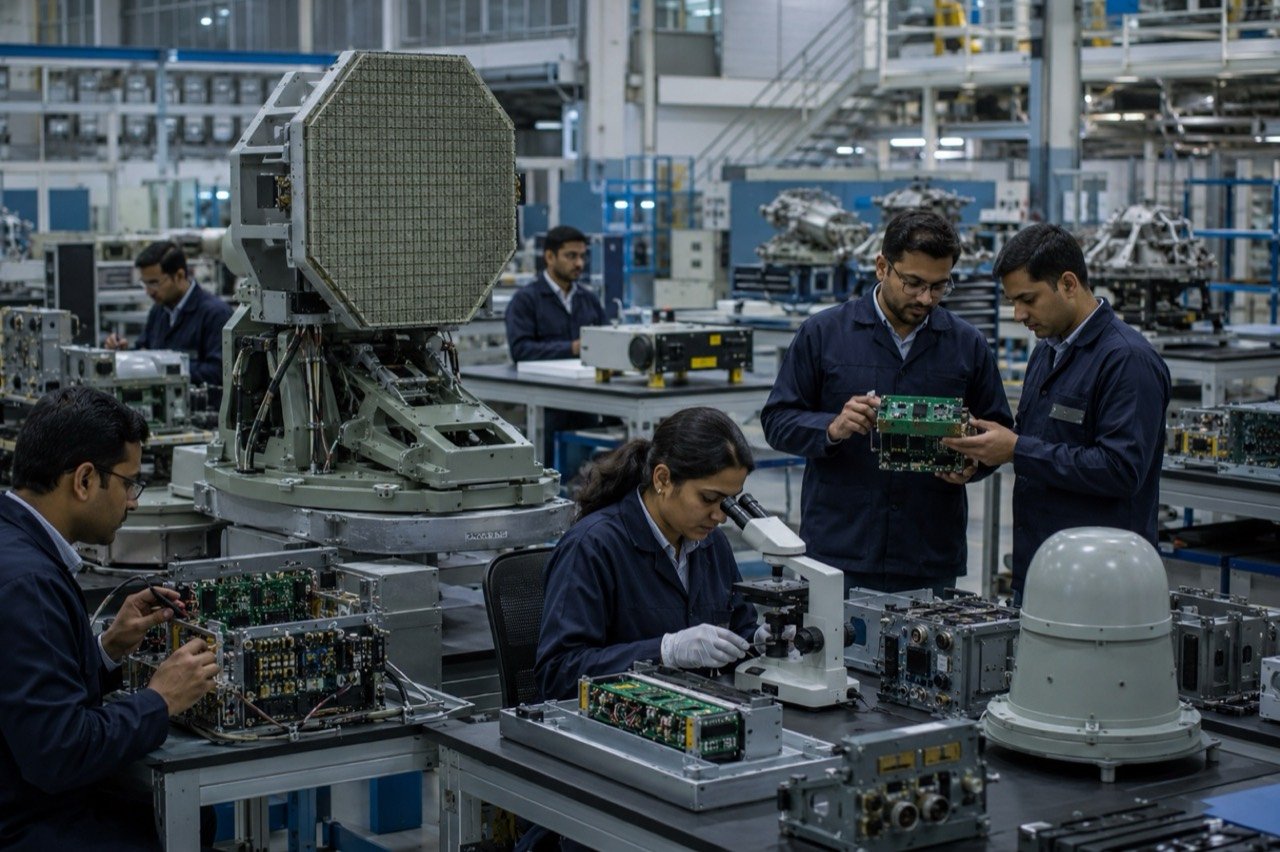
BEL Secures Rs 1,081 Crore in Fresh Defence Electronics Orders
Navratna PSU Bharat Electronics has booked Rs 1,081 crore in new orders since May, spanning radars, communication gear, CBRN protection and avionics, keeping its shares and order book firmly in focus.
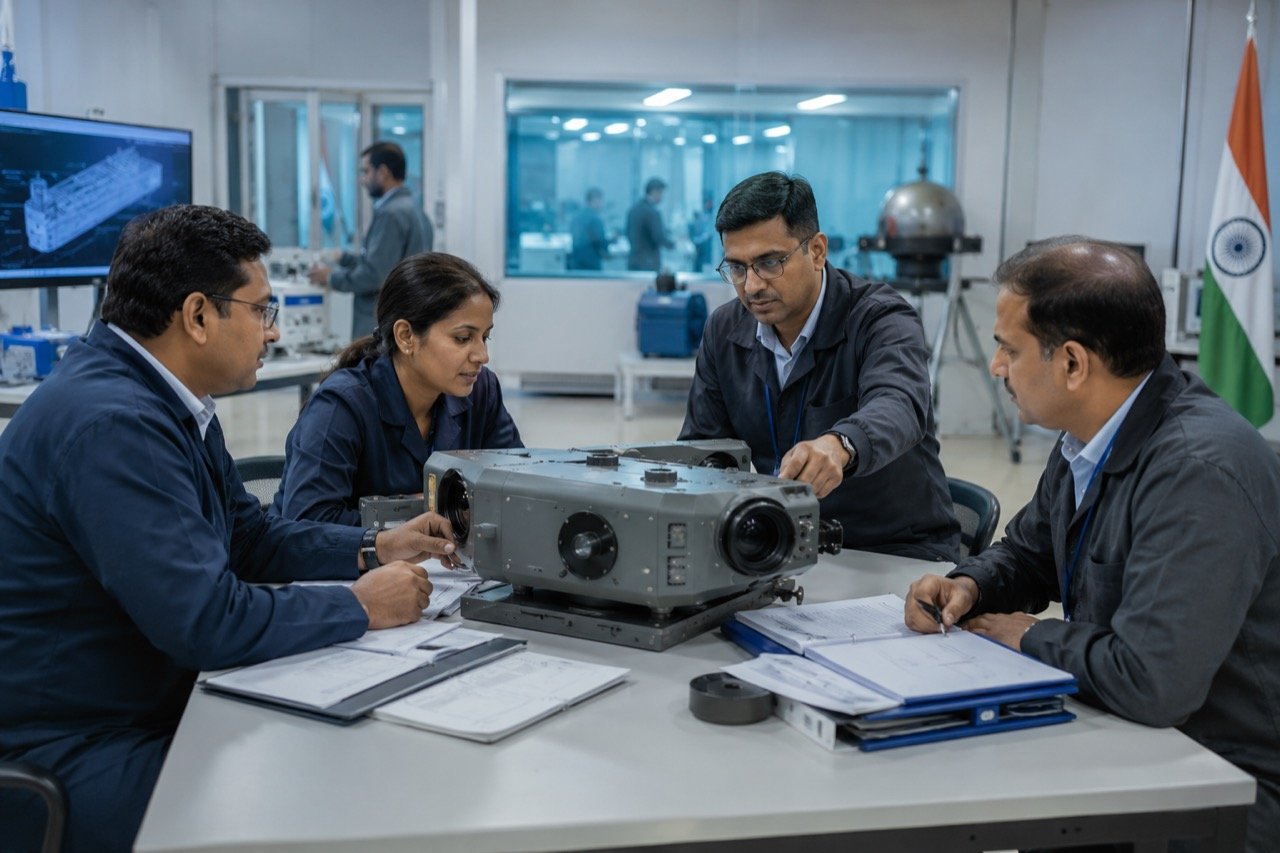
DFP 2026 Unveiled: Rajnath Singh Moves to Fast-Track Defence R&D
Defence Minister Rajnath Singh has released the Defence Framework Procedure 2026, a revised procurement framework meant to push research and development outputs into the armed forces faster and deepen ties with industry and academia.

India and Israel Identify New Defence Projects to Build Joint Resilience
India and Israel have identified new defence projects aimed at deepening cooperation in technology, resilience and strategic industry, with co-development and local manufacturing at the heart of the partnership.
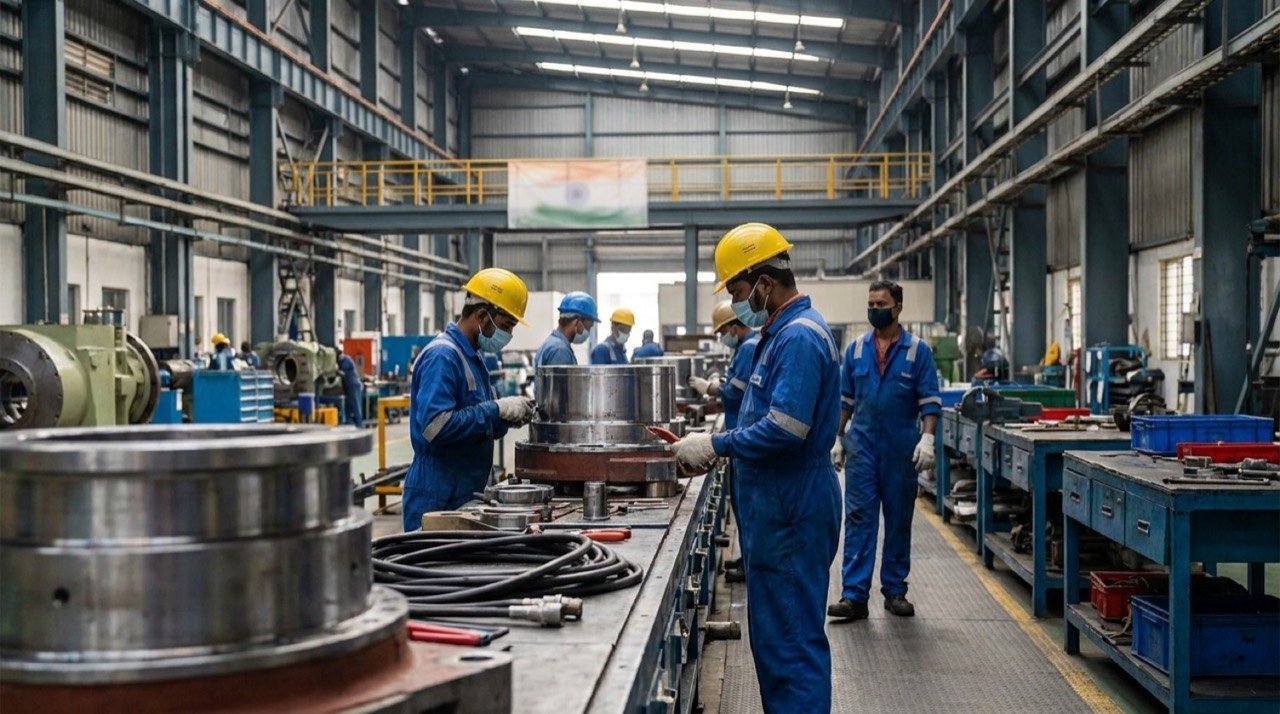
Defence Ministry Plans Seven Manufacturing Clusters to Boost Military Production
India's Ministry of Defence is reported to be planning seven manufacturing clusters to deepen supply chains, cut import dependence and draw private industry into higher-value military production.
More from this section
More
Ahmedabad Bullet Train Station Gets Kite-Inspired Multimodal Hub Plan
Ahmedabad's bullet train station is set to be developed as a multimodal transport hub with a kite-inspired design, giving India's high-speed rail project a distinctive urban landmark rooted in local identity.
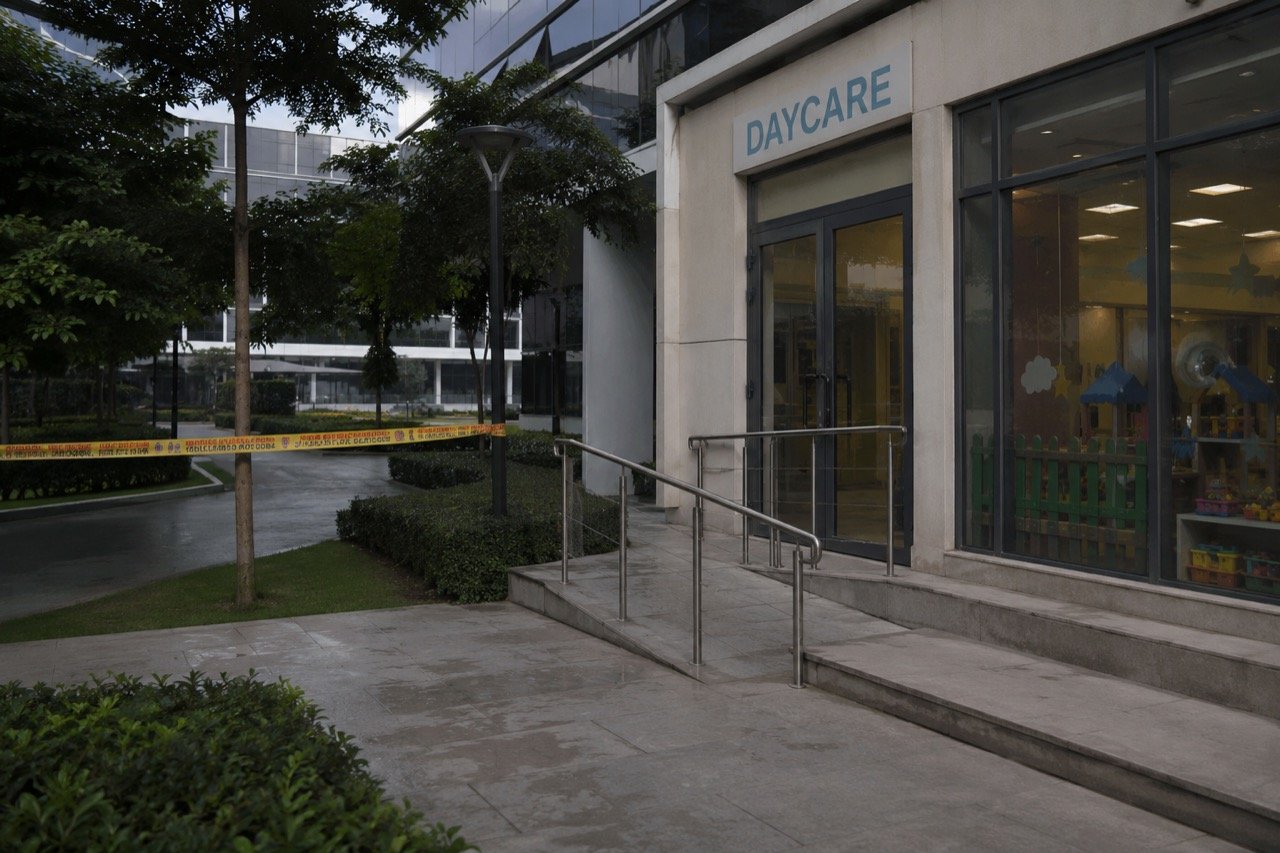
Arrest in Bengaluru Daycare Case Deepens Child Safety Questions
Bengaluru police have arrested a woman connected to the daycare case at a Capgemini campus facility, sharpening scrutiny of caregiver vetting, oversight and accountability at workplace-linked childcare centres.

Assam Case Shows PAN and Voter Cards Are Not Citizenship Proof
A man declared a foreigner in Assam despite holding multiple identity documents has highlighted a crucial legal distinction: everyday IDs establish identity, not citizenship, when a person's legal status is challenged.