Chinese E-Rickshaw Apps Banned in India Over Remote Disable Risk
The Centre has ordered the removal of three Chinese apps — BAT-BMS, Lossigy and Epoch-i-ion — over fears they could remotely disable battery-run e-rickshaws, turning mobility software into a public safety concern.
The NE Times Technology Desk
Commentary & Analysis ·
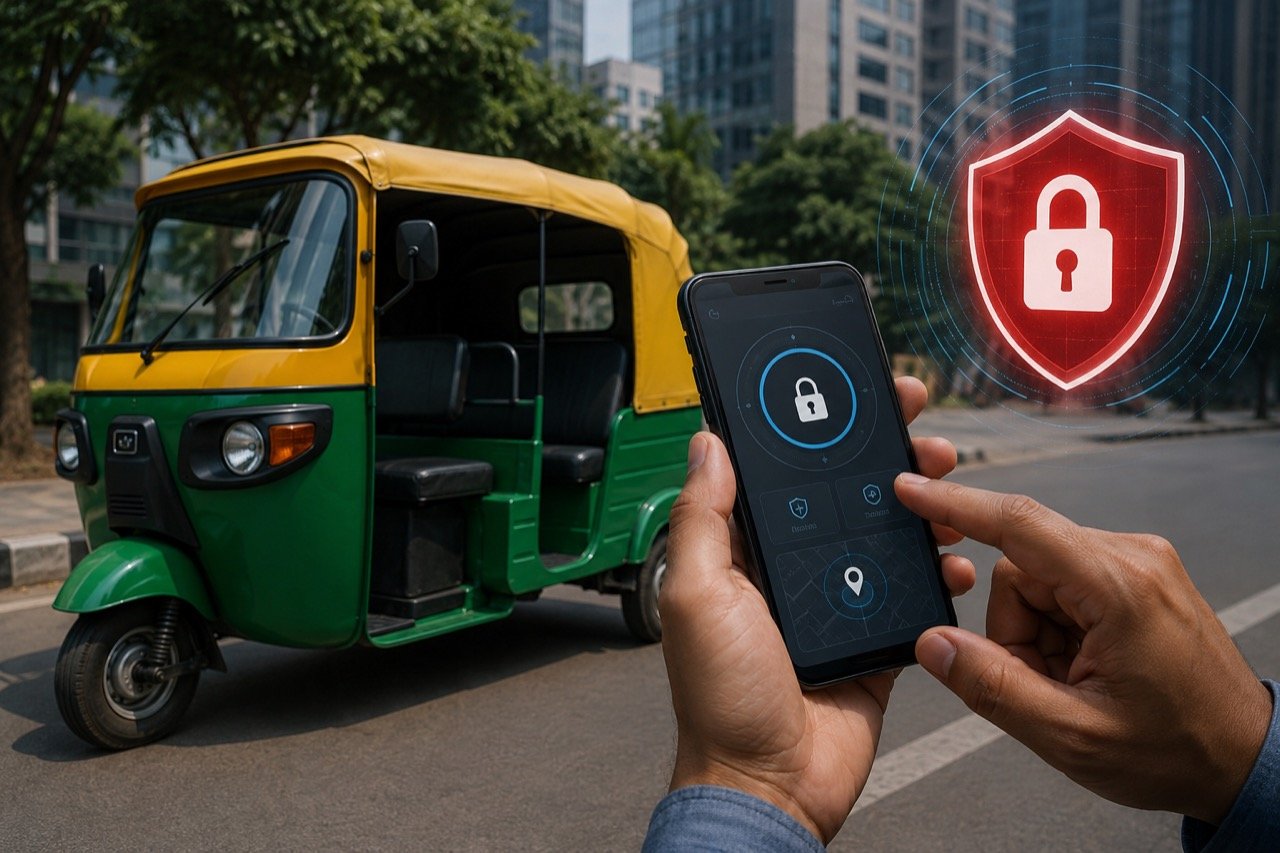
The Union government has ordered the removal of three Chinese apps — BAT-BMS, Lossigy and Epoch-i-ion — after concerns that they could be misused to remotely disable battery-operated e-rickshaws. What might once have been a niche software advisory has become a public safety story about India's fast-growing electric mobility fleet.
The apps in question are battery-management tools that connect to the control systems of electric three-wheelers. The worry flagged by authorities is stark: software with remote access to a vehicle's battery could, in the wrong hands, immobilise it — not one rickshaw at a time, but potentially across a fleet.
Software is now transport infrastructure
India's mobility transition rides on batteries, connected control units and the apps that manage them. E-rickshaws have become the workhorse of last-mile transport in hundreds of towns, and most of their battery-management stack traces back to imported components and companion software. When that software answers to servers outside India's jurisdiction, a cybersecurity question becomes a livelihood and commuter-safety question.
What the removal order signals
The order fits a broader pattern of New Delhi treating Chinese-origin apps as potential security exposures, but this case extends the logic from data privacy to physical control of vehicles. It also puts EV supply chains on notice: regulators are beginning to look past the hardware label to ask who actually controls the code running India's electric fleet.
The NE Times View
The e-rickshaw is the most humble vehicle on Indian roads, which is precisely why this order matters — cyber risk has reached the bottom of the mobility pyramid, where drivers can least afford a bricked battery. Banning three apps treats the symptom; the disease is an EV ecosystem assembled on opaque imported software with no disclosure of what it can do remotely. India needs baseline security standards for battery-management systems, mandatory local audits, and clear liability when connected components fail or are misused. The mobility transition should not mean handing a kill switch for lakhs of livelihoods to unvetted foreign code.
This article is original commentary and analysis by The NE Times. Background facts were referenced from Indian Express.
You may also like to read
RBI Warns AI-Driven Cyberattacks Are Top Risk for Banks, NBFCs
The Reserve Bank of India has flagged AI-powered cyberattacks as a leading threat to banks and NBFCs, pushing cybersecurity to the centre of India's increasingly digital financial system.
IIT Madras, IIT Kanpur Launch Cybersecurity Degree With Field Training
IIT Madras and IIT Kanpur have jointly launched a practice-oriented Bachelor of Cybersecurity featuring two years of field deployment, a direct response to India's widening shortage of trained cyber defence professionals.
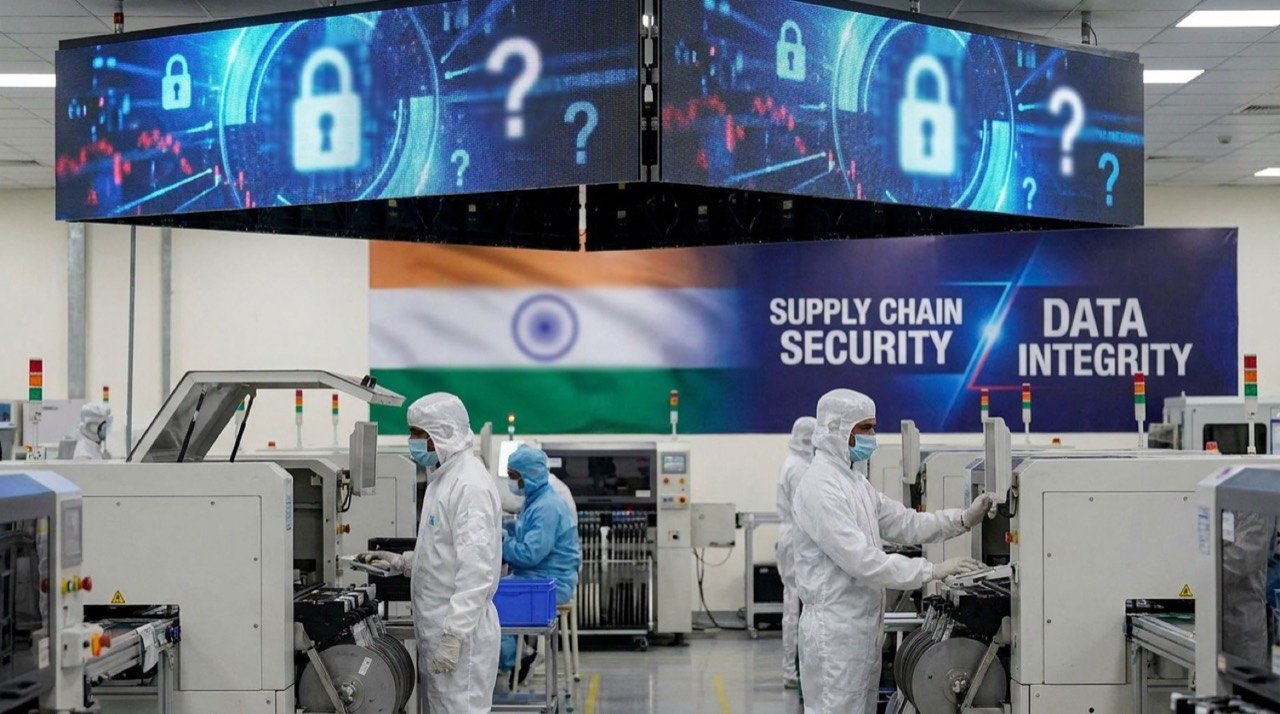
Tata Electronics Cyber Incident Raises Supply-Chain Data Questions
Tata Electronics has confirmed a cybersecurity incident after a ransomware group claimed to post over 200,000 files allegedly tied to Apple and Tesla component designs, spotlighting India's electronics supply-chain security.
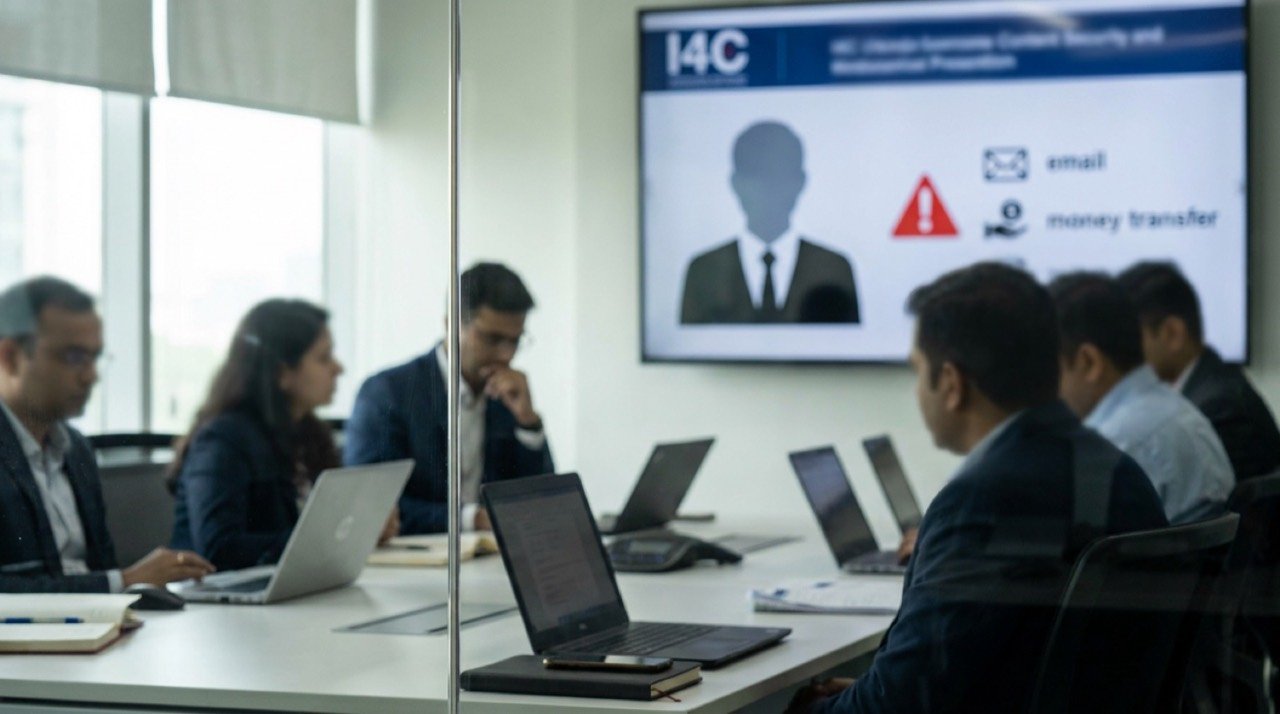
I4C Warns Indian Companies of Rising 'Boss Scam' CEO-Impersonation Cyber Fraud
India's cybercrime coordination agency has flagged an emerging 'Boss Scam' in which fraudsters impersonate regulators and executives to push urgent, fraudulent money transfers at companies.
More from this section
More
CG Semi Sanand Plant Opens, Boosting India's Semiconductor Drive
Prime Minister Narendra Modi inaugurated CG Semi's chip assembly and test facility in Sanand, Gujarat, giving India's semiconductor mission a working manufacturing milestone rather than another policy promise.
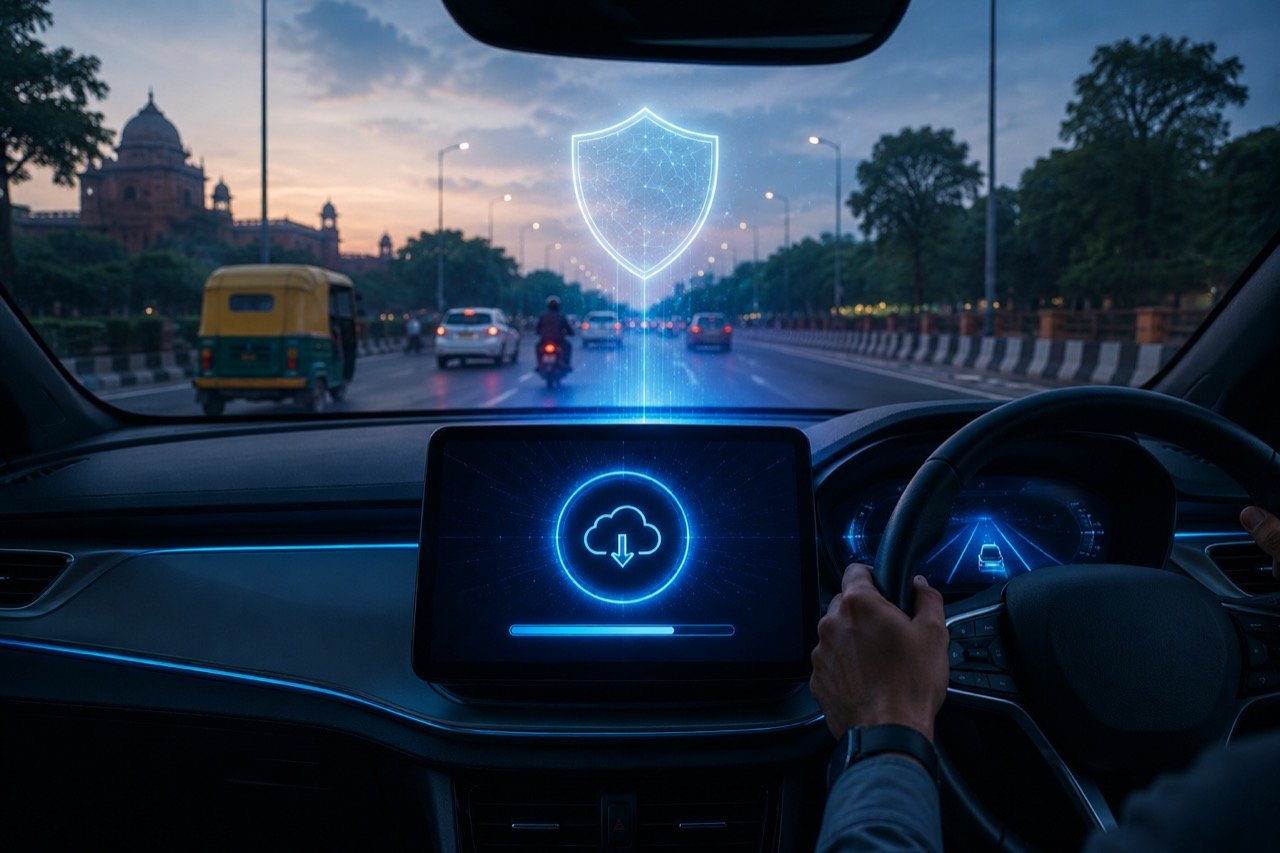
Connected Car Rules: India Plans Vehicle Software Update Norms
With cars increasingly run by software, the government is reportedly preparing update and security norms aimed at preventing vehicle hijacking and governing how connected cars in India are patched and protected.
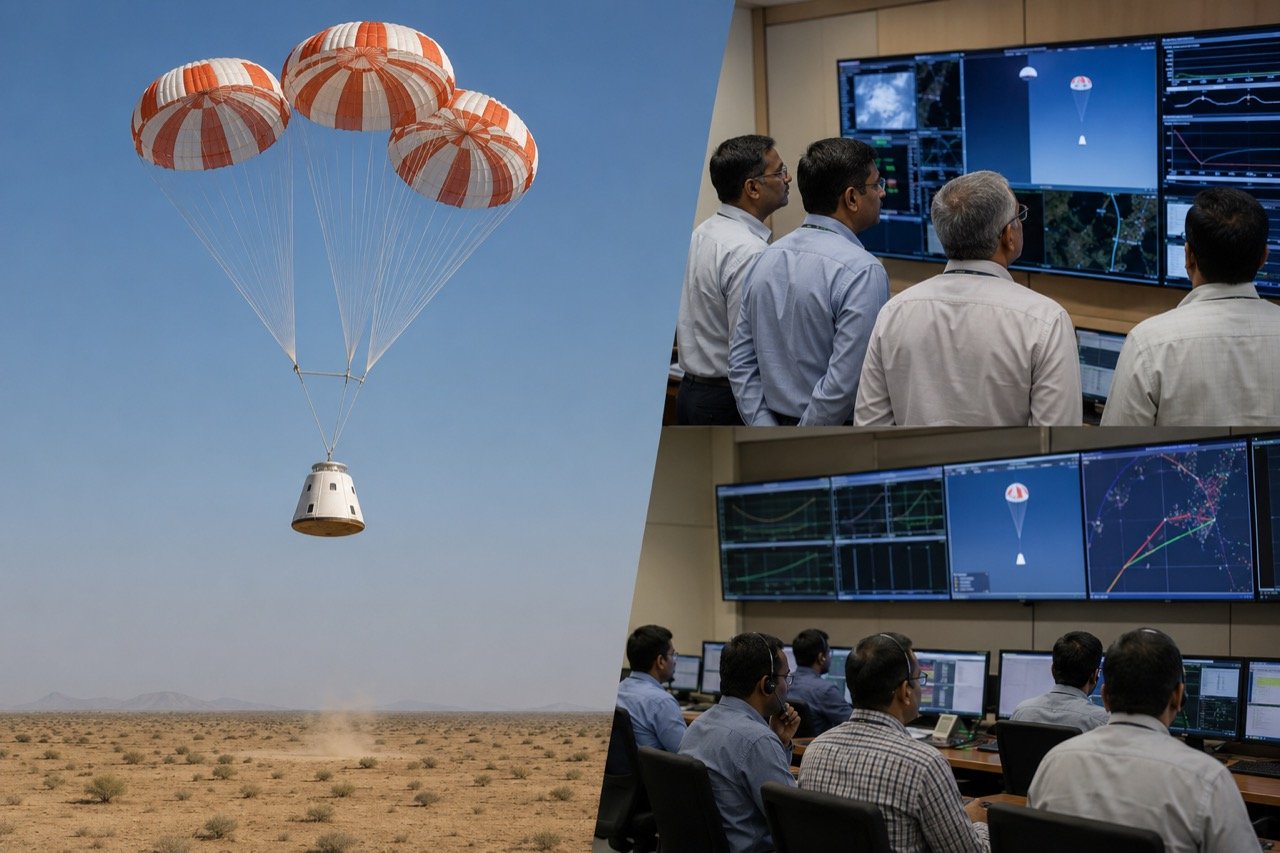
Gaganyaan Parachute Test Success Moves ISRO Closer to Crewed Flight
ISRO has completed successful integrated parachute tests for the Gaganyaan crew capsule, validating a critical part of the descent and recovery system as India's human spaceflight programme advances through key engineering milestones.