CG Semi Sanand Plant Opens, Boosting India's Semiconductor Drive
Prime Minister Narendra Modi inaugurated CG Semi's chip assembly and test facility in Sanand, Gujarat, giving India's semiconductor mission a working manufacturing milestone rather than another policy promise.
The NE Times Technology Desk
Commentary & Analysis ·
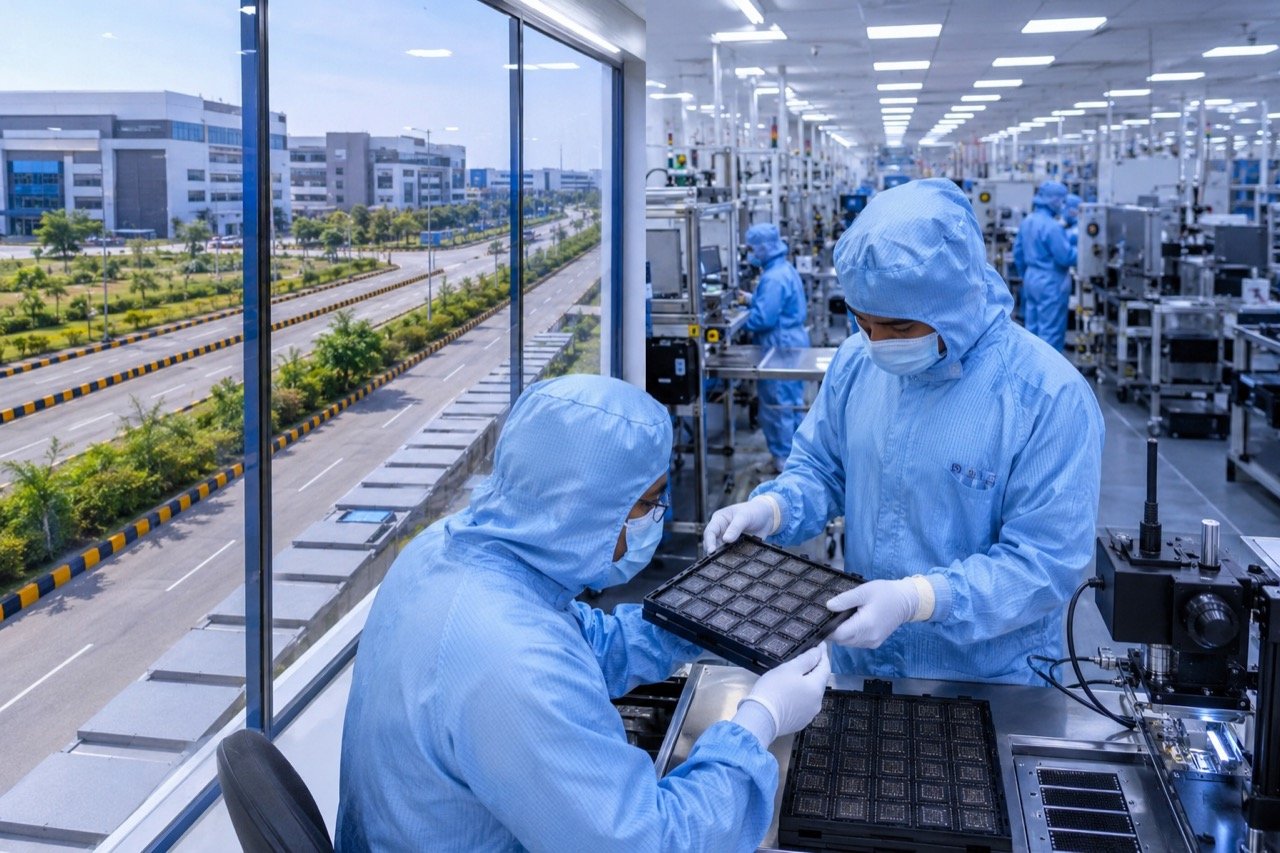
Prime Minister Narendra Modi inaugurated CG Semi's Outsourced Semiconductor Assembly and Test (OSAT) facility in Sanand, Gujarat, marking the start of commercial activity at a plant positioned as a key step in India's semiconductor ambitions. The launch adds working industrial capacity to a national strategy that spans chip design, packaging, testing, logistics and skilled manufacturing.
Why assembly and testing matter
Semiconductor debates tend to fixate on advanced fabrication, but OSAT plants — which package, test and prepare chips for use in devices — are a crucial part of the value chain. They are less capital-intensive than leading-edge fabs yet still technically demanding, making them a practical entry point that builds supplier networks, technical jobs and the industrial discipline needed for more advanced projects later.
Gujarat has anchored several of India's semiconductor and electronics announcements, and Sanand's new facility strengthens that cluster. Coverage around the event tied it to the Make in India electronics roadmap and to India's position as the world's second-largest mobile phone manufacturer and exporter — a status the government cites as proof the country can climb from device assembly into higher-value components.
Strategy, stakes and hard realities
India's chip push is driven by economics and strategy alike. Semiconductors sit inside smartphones, cars, defence systems, appliances and AI hardware, and recent global supply disruptions showed how dependence creates vulnerability. But ecosystems are hard to build: they need reliable power and water, clean-room expertise, materials suppliers, trained engineers and predictable policy — all in a field where Taiwan, South Korea, China, Japan, the US and Europe already run deep.
For Sanand and its region, the plant could seed employment and supplier development beyond direct jobs, from maintenance and logistics to quality control and engineering services. The wider payoff depends on local firms joining the supply chain rather than the area merely hosting an isolated facility.
The NE Times View
The Sanand launch deserves recognition precisely because it is unglamorous: packaging and testing chips is the patient, workmanlike end of the semiconductor business, and it is where India's ambitions will either take root or stall. Ribbon-cuttings are easy; what investors and rivals will watch is whether the plant ramps up on schedule, meets global quality bars and finds real customers. India has learned from mobile manufacturing that scale follows execution, not announcements. If CG Semi's facility proves that lesson transfers to chips, it will do more for the country's semiconductor credibility than any policy document — but it is a milestone on the road, not the destination.
This article is original commentary and analysis by The NE Times. Background facts were referenced from Economic Times, PIB and Times of India.
You may also like to read
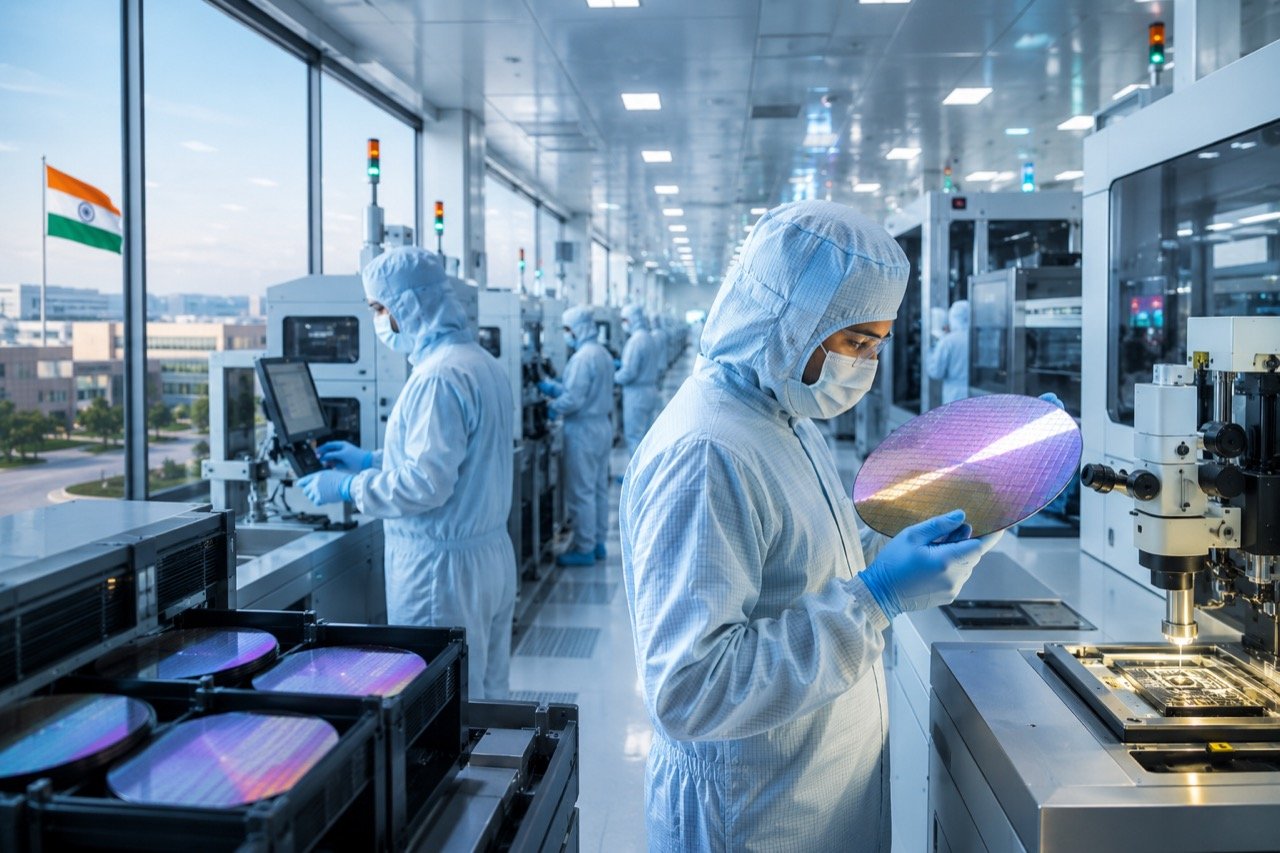
Sanand Semiconductor Plant: What CG Semi's Launch Means for India
Commercial production at CG Semi's chip assembly and test facility in Sanand, marked by remarks from Prime Minister Modi, has renewed focus on how far India's semiconductor manufacturing push has actually come.

India's Chip Ambitions Take Shape As Tata Fab And Micron Plant Advance
With a notified SEZ for the Tata fab in Dholera, Micron's assembly plant operational and 13 projects cleared under the national mission, India's semiconductor build-out is moving from paper to silicon.
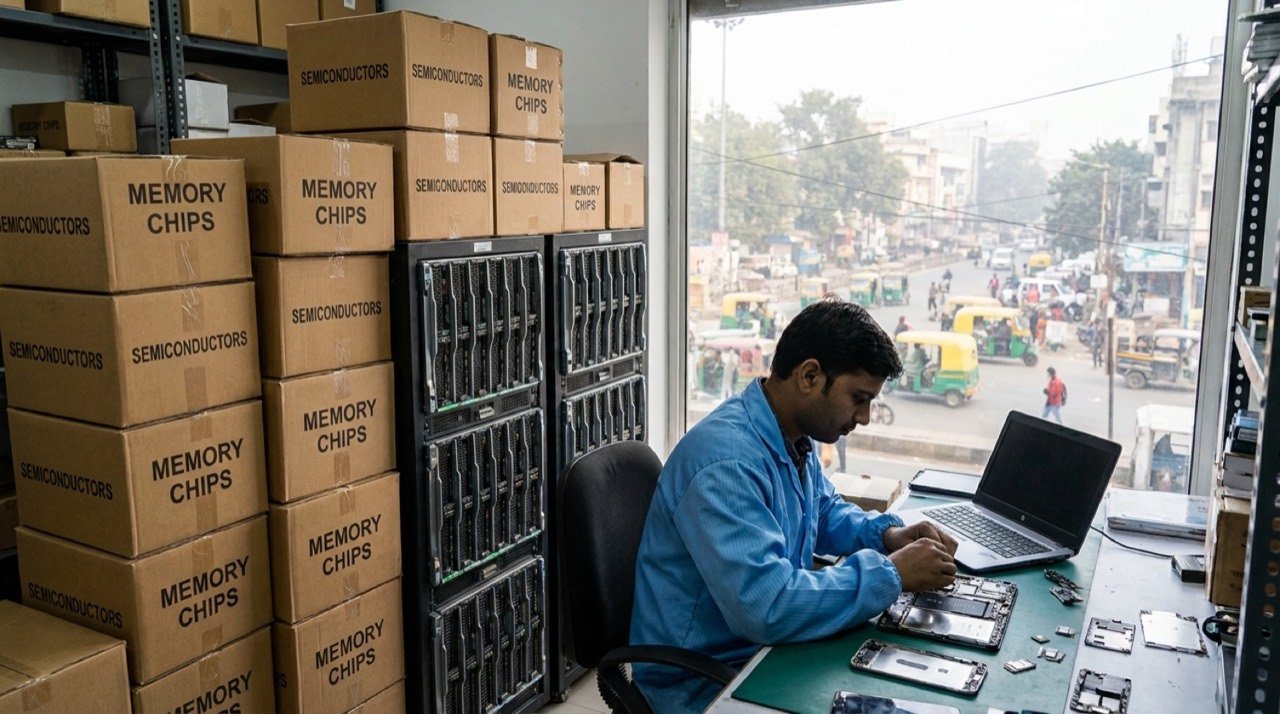
AI Chip Demand May Push Up Smartphone and Laptop Prices in India
Surging demand for memory and storage chips from AI data centres is squeezing global supply, threatening to make smartphones, laptops and gaming devices costlier for Indian consumers.
IISc Quantum-Safe Chip Points To India's Defence Against Tomorrow's Hackers
Researchers at IISc have demonstrated a quantum-resilient security chip for IoT devices, presented at the world's premier semiconductor forum, as India accelerates its National Quantum Mission.
More from this section
More
Chinese E-Rickshaw Apps Banned in India Over Remote Disable Risk
The Centre has ordered the removal of three Chinese apps — BAT-BMS, Lossigy and Epoch-i-ion — over fears they could remotely disable battery-run e-rickshaws, turning mobility software into a public safety concern.

Connected Car Rules: India Plans Vehicle Software Update Norms
With cars increasingly run by software, the government is reportedly preparing update and security norms aimed at preventing vehicle hijacking and governing how connected cars in India are patched and protected.

Gaganyaan Parachute Test Success Moves ISRO Closer to Crewed Flight
ISRO has completed successful integrated parachute tests for the Gaganyaan crew capsule, validating a critical part of the descent and recovery system as India's human spaceflight programme advances through key engineering milestones.