BharatNet's Last-Mile Gap Puts India's Rural Broadband Delivery Under Scrutiny
Fresh data on BharatNet shows active rural connections lagging far behind the fibre laid, sharpening the question of whether India's flagship village internet scheme is being used, not just built.
The NE Times Technology Desk
Commentary & Analysis ·
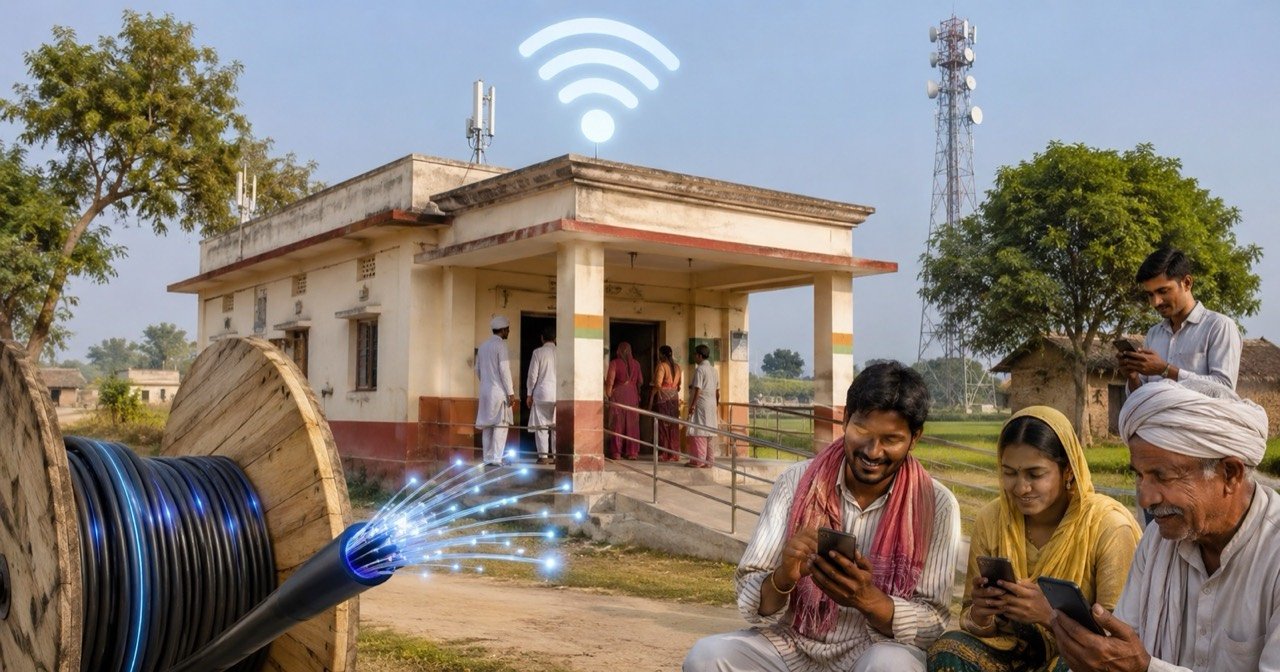
Fresh reporting on BharatNet has spotlighted a familiar challenge in India's digital infrastructure push: building a network is only the first step, and making it useful at the last mile is the harder one. The programme was designed to connect gram panchayats and extend high-speed internet across rural India, yet the share of active connections remains well below the ambition implied by the sheer length of fibre that has been laid.
Infrastructure built, but is it used?
BharatNet's headline metrics have long been measured in kilometres of cable and the number of gram panchayats reached. But a connected panchayat is not the same as a working, widely used service. The gap between fibre in the ground and households or institutions actually online is now the defining test of the scheme.
That distinction matters because the public investment is justified by outcomes, not by hardware alone. A village with a dormant connection delivers little of the promised dividend.
Why the last mile is so hard
The obstacles are not purely technical. Reliable power supply, routine maintenance, affordable service packages, the presence of village-level operators, access to devices and basic digital awareness all shape whether broadband becomes a daily utility or an unused asset.
When any of these links breaks down, a connection that exists on paper fails to translate into usage on the ground, which is precisely the pattern the latest figures appear to reflect.
What a working connection can change
For students, primary health centres, small traders and panchayat offices, a dependable link can transform access to education, telemedicine, banking and government services. The stakes are highest for exactly those rural users the programme was meant to serve.
- Active BharatNet connections remain below the scale of fibre laid.
- Power, maintenance and local operators heavily influence real usage.
- Affordable packages and device access shape household adoption.
- Students, health centres and small traders gain most from reliable links.
- Future success will be judged by uptime and adoption, not cable length.
“Utilisation matters as much as infrastructure spending.”
— Policy takeaway
BharatNet's next phase will be assessed by uptime, household and institutional adoption, and the quality of local support, rather than by kilometres of cable or the count of connected gram panchayats alone. Closing the last-mile gap, more than extending the backbone, will determine whether rural India truly comes online.
The NE Times View
This is the recurring failure of Indian infrastructure: we measure success by kilometres of fibre laid, not households actually online. Dark fibre serves no one. The real bottlenecks are last-mile connections, affordable devices and a reason to log on. BharatNet's accountability should shift from build metrics to active usage, with funds released against connections lit, not cable buried. Until then, rural broadband remains a map, not a service.
This article is original commentary and analysis by The NE Times. Background facts were referenced from The Indian Express and Business Standard.
You may also like to read
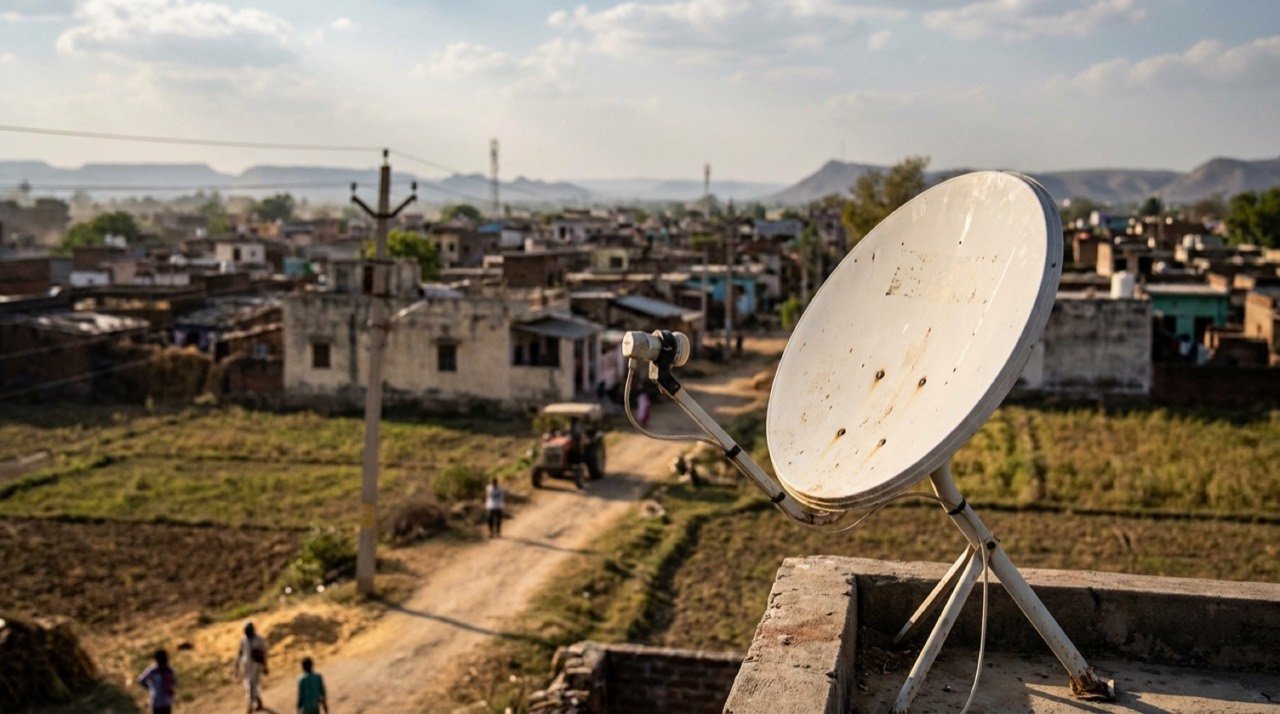
India's Satellite Internet Race Stalls as Operators Await Final Spectrum Rules
Starlink, Eutelsat OneWeb and Jio-SES backed Orbit Connect India hold licences but cannot switch on services, awaiting security clearances and a dedicated spectrum framework for low-earth-orbit constellations.
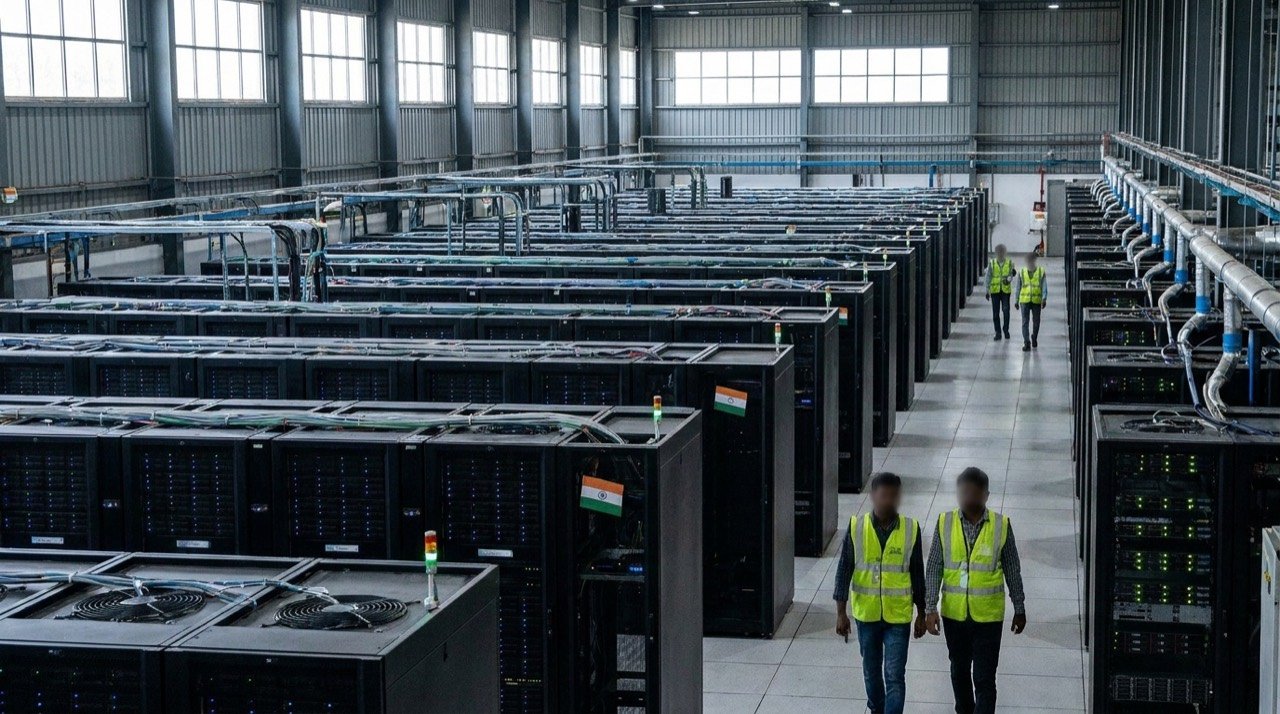
China's LineShine Dethrones US as World's Fastest Supercomputer, Sharpening India's AI Resolve
China has reclaimed the top spot on the global supercomputing rankings with an all-domestic machine running at over two exaflops, a milestone in the US-China tech contest that underscores why India is racing to build its own sovereign computing power.

India Inc's Dealmaking Heats Up As Cement And Tech M&A Drives Fresh Consolidation
From a multi-thousand-crore cement asset sale to a sharp jump in technology-sector deal value, India's mergers-and-acquisitions market showed renewed vigour heading into late June 2026.
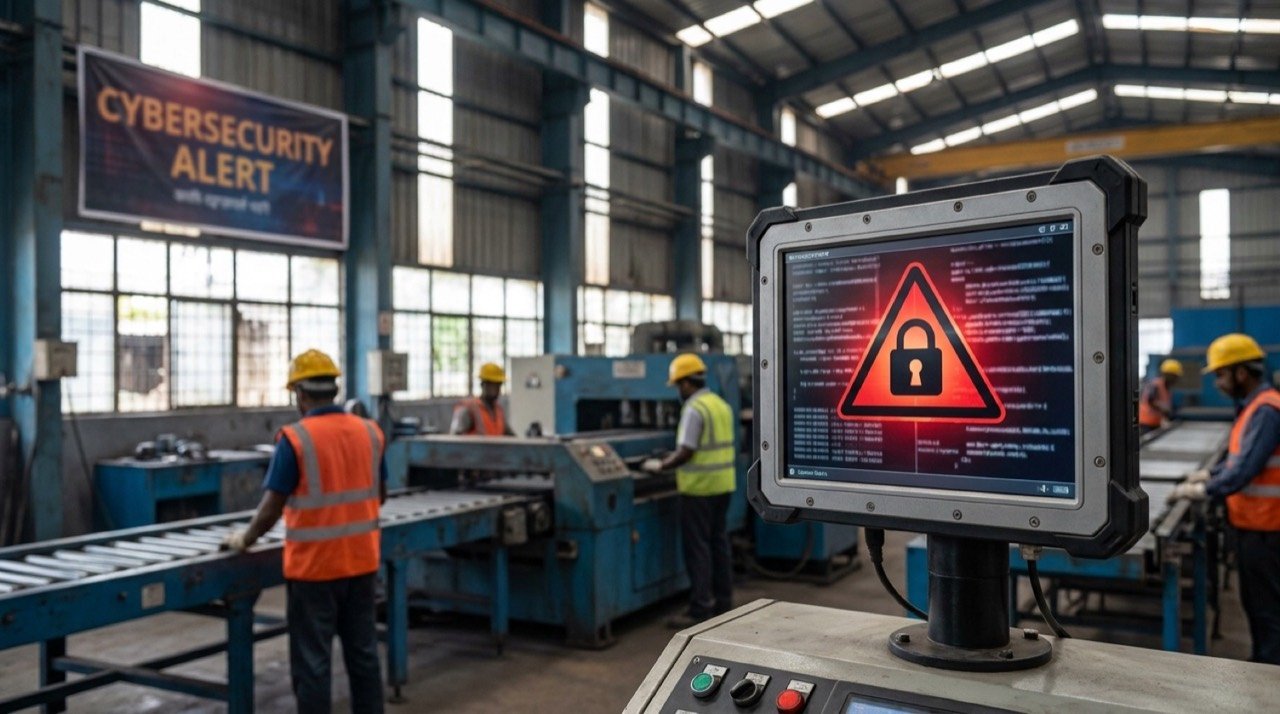
Bajaj Auto Says Ransomware Attack Hit Company Systems
Bajaj Auto has disclosed that a ransomware attack affected systems at the company and its subsidiary Bajaj Auto Technology, intensifying concern over cyber risk across India's increasingly digital manufacturing sector.
More from this section
More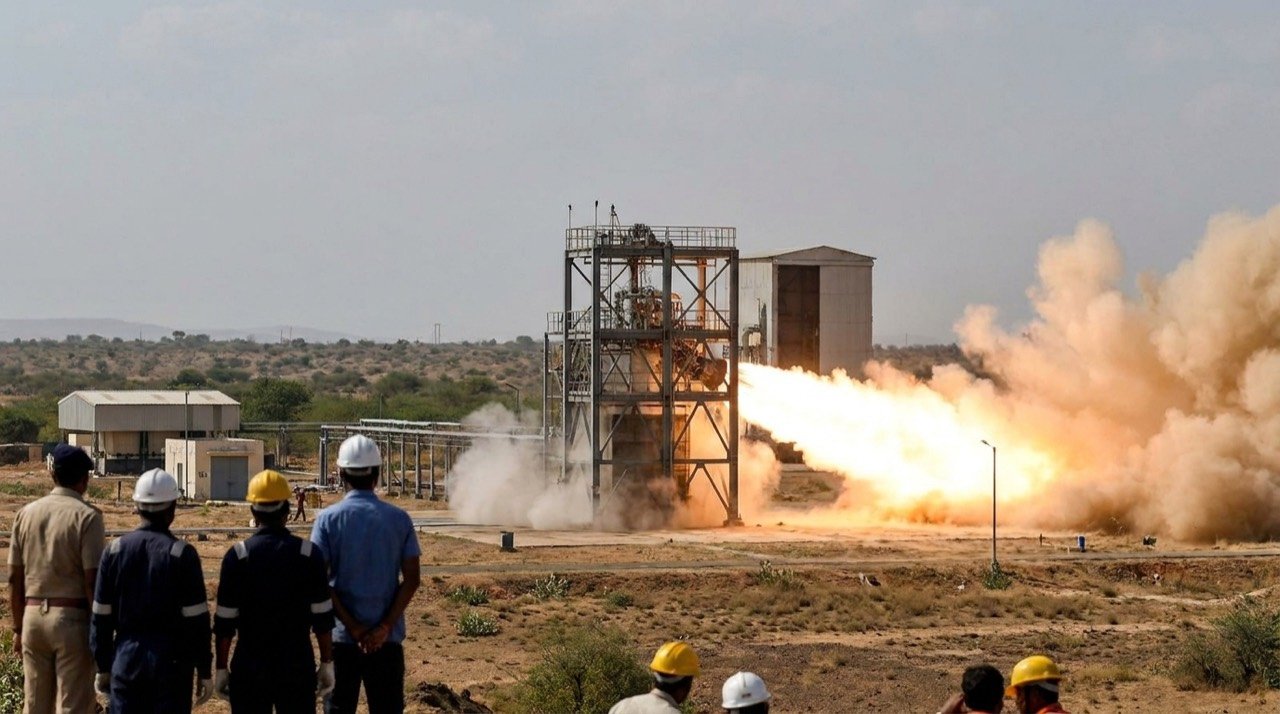
ISRO Fires Semi-Cryogenic Engine Power Head at 175 Tonnes in Landmark Hot Test
ISRO successfully ran its indigenous semi-cryogenic engine power head at 175 tonnes of thrust, clearing a key hurdle toward powering the LVM3 upgrade and the Next Generation Launch Vehicle.
India Tech Funding Climbs to $7.2 Billion in H1 2026 Even as Deal Count Slumps
Indian tech startups raised $7.2 billion in the first half of 2026, up 12 per cent year-on-year, but the number of funding rounds fell sharply as capital concentrated in a handful of mega-deals.
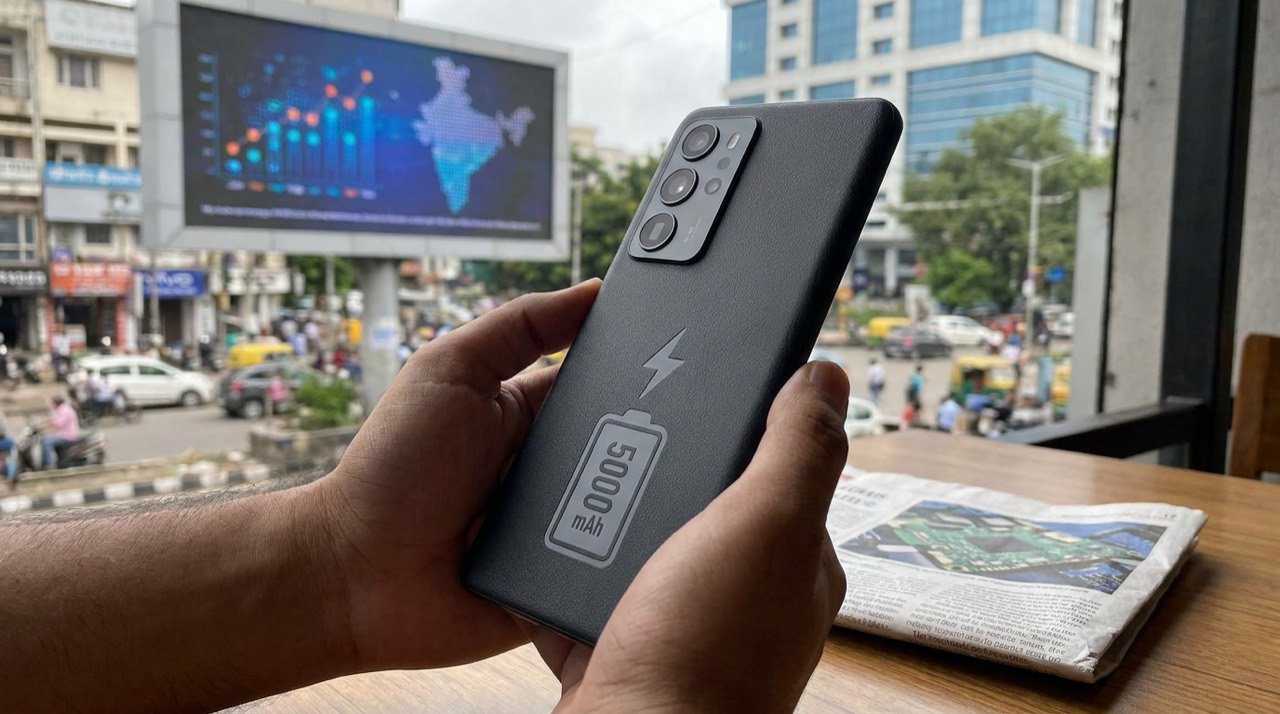
OnePlus N6 Headlines a Crowded End-June Gadget Calendar in India
The OnePlus N6, with its 8,000mAh battery and sub-Rs 25,000 price tag, leads a busy late-June run of smartphone launches in India spanning OnePlus, Oppo and Samsung.