Bay of Bengal Low Pressure System Revives Monsoon Over Western India
A low-pressure system over the Bay of Bengal has pushed the monsoon back into an active phase, bringing steady heavy rain to Kerala, coastal Karnataka and Maharashtra, and putting Mumbai and Pune on preparedness watch.
The NE Times National Desk
Commentary & Analysis ·
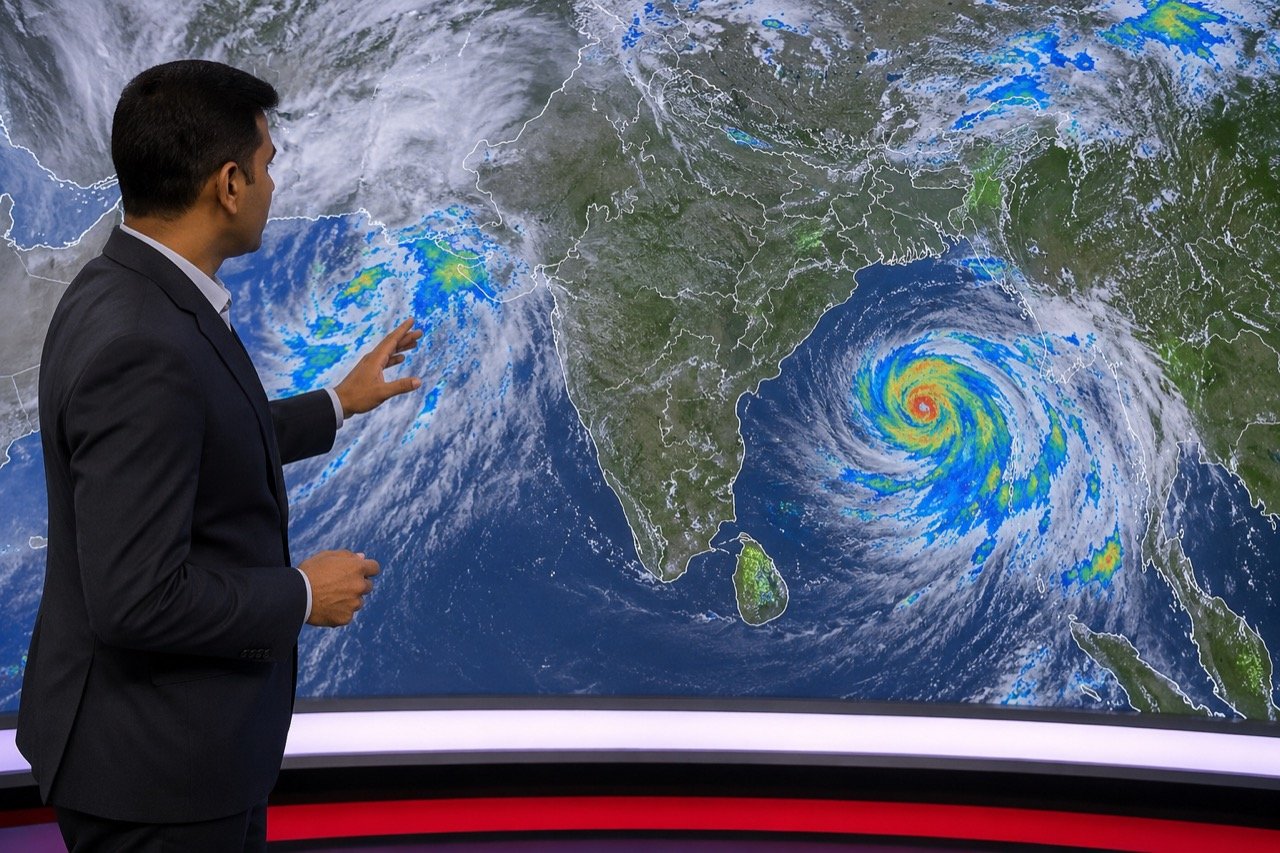
A low-pressure system forming over the Bay of Bengal has pulled India's monsoon back to the centre of the news cycle, with steady and heavy rain spells reported across Kerala, coastal Karnataka and Maharashtra, including Mumbai and Pune. After a sluggish, delayed phase, the system has raised expectations of wider rainfall across the country's western belt.
Why this system matters
Low-pressure areas act as moisture engines, drawing humid air across large regions and reactivating rainfall where the monsoon had stalled. That can help trim rainfall deficits in some belts even as it creates short-term disruption in others. The distribution of this rain will shape everything from agriculture and reservoir levels to power demand and urban drainage in the weeks ahead.
Western India on watch
The western coast is especially sensitive to concentrated downpours. Coastal geography, dense urbanisation and hill roads mean heavy spells can quickly translate into waterlogged streets, disrupted local trains and delayed flights. Mumbai and Pune, both named in current coverage, routinely become national weather stories the moment rainfall interferes with daily commutes.
For residents, the practical questions are straightforward: where is heavy rain most likely, will cities face flooding, and how long will the active spell last. The sensible response is to track official forecasts, city advisories and transport updates rather than relying on generic national weather headlines.
The NE Times View
The monsoon's shift from delay to intensity is, on balance, welcome news for a country whose farms and reservoirs depend on it. But every year the same pattern repeats: rain arrives in concentrated bursts and civic systems in Mumbai, Pune and other western cities are tested — and too often found wanting. The right frame is preparedness, not alarm. If municipal bodies use the forecast window to clear drains and pre-position response teams, this active spell can be absorbed as a benefit rather than endured as a crisis. Readers should treat official local advisories, not viral panic, as their guide.
This article is original commentary and analysis by The NE Times. Background facts were referenced from The Indian Express.
You may also like to read
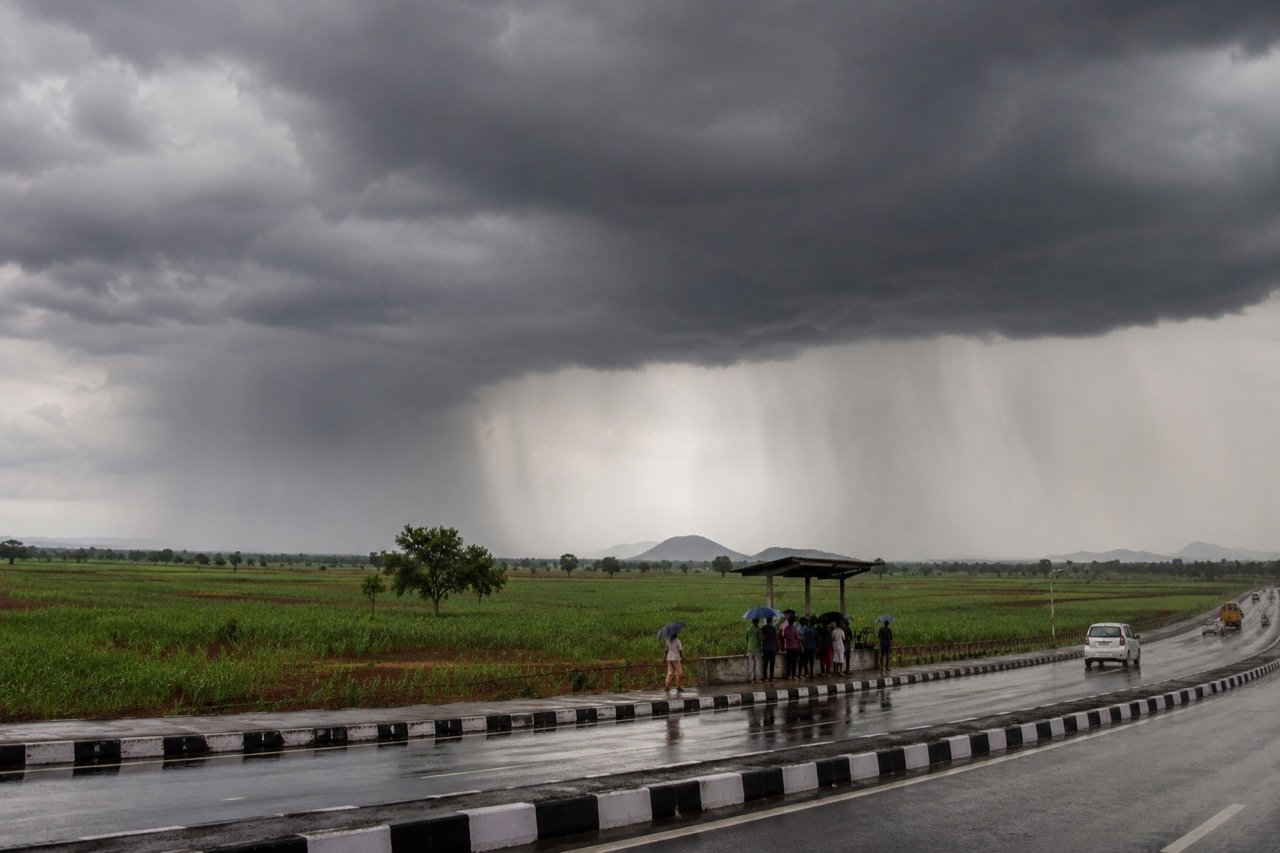
IMD Forecast: Active Monsoon Over Central India Narrows Rain Deficit
The IMD expects the southwest monsoon to stay active over central India for four to five days, driven by a Bay of Bengal low-pressure system that has sharply narrowed the season's rainfall deficit.
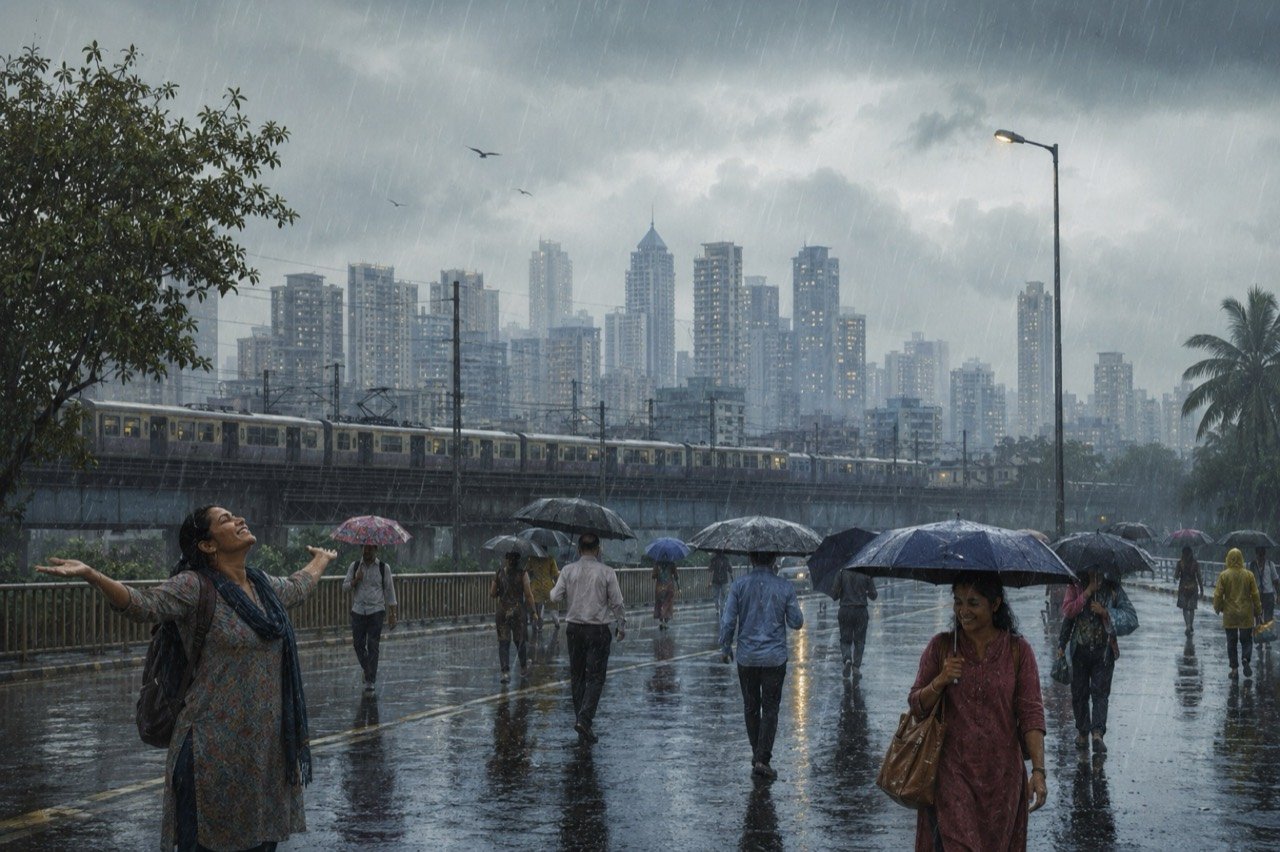
Mumbai Rain Brings Relief as Official Monsoon Onset Is Still Awaited
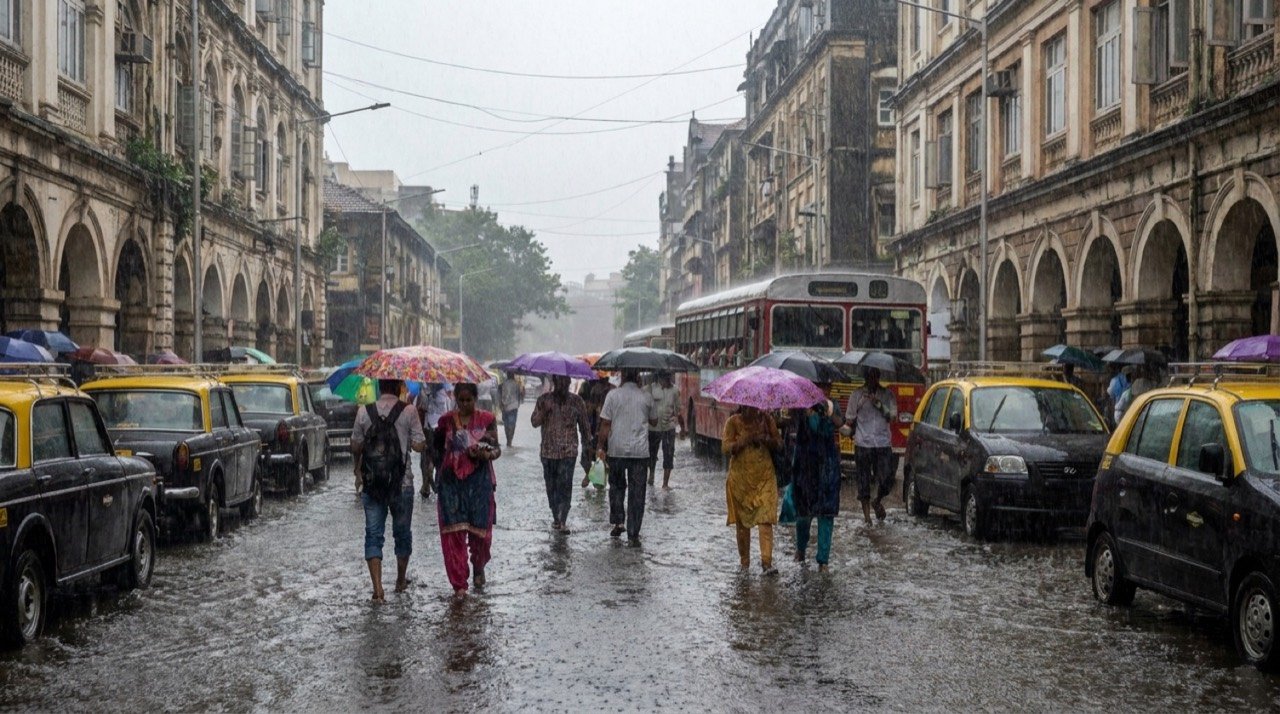
Heavy showers swept Mumbai on 22 June 2026, easing weeks of humid heat and lifting hopes of monsoon advance, even as forecasters held off on a formal onset declaration.
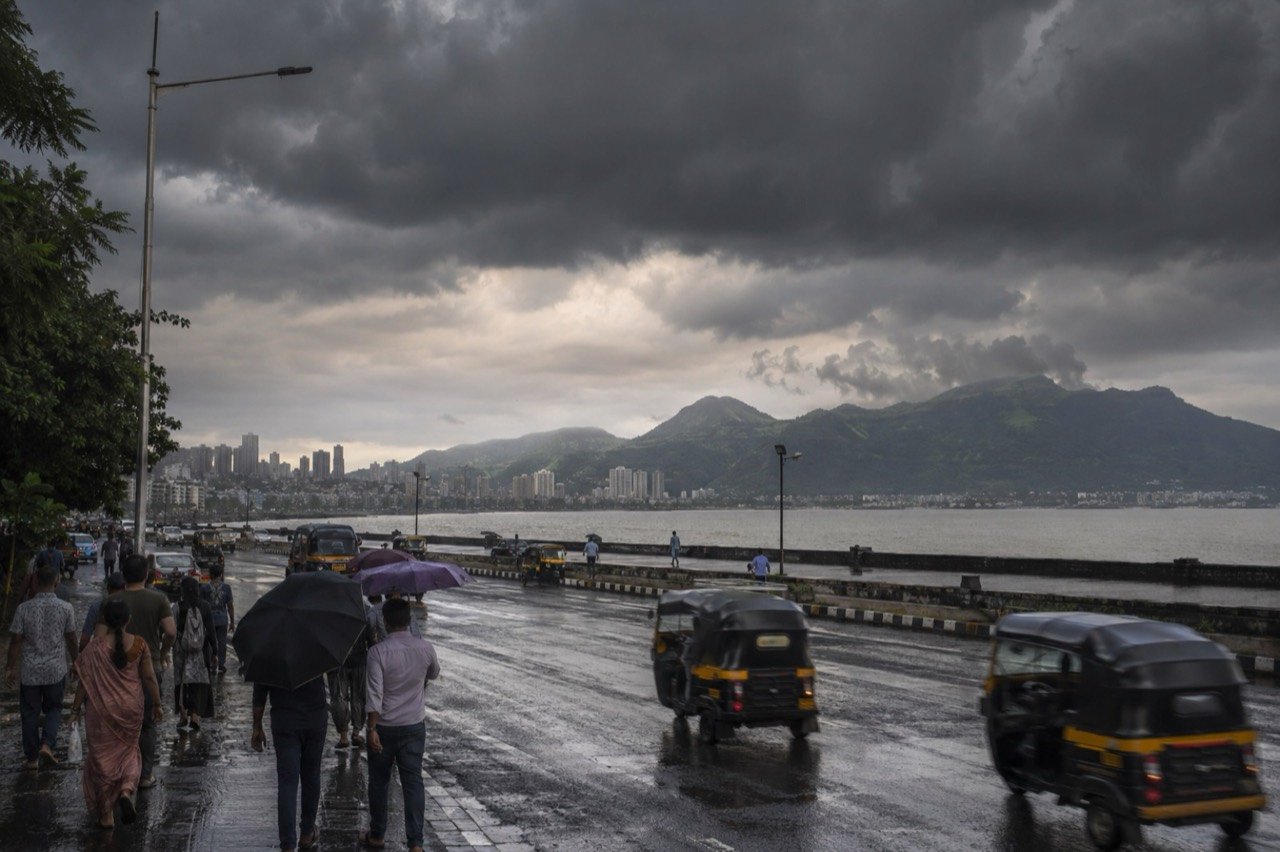
Monsoon Revival Forecast Triggers Rain Alerts Across India as Heat Lingers
India's southwest monsoon is set to regain strength this week, bringing very heavy rain to the Northeast and Maharashtra even as central districts stay under heatwave warnings.
Monsoon Advances Toward Mumbai and Eastern India as Rain Alerts Issued
The southwest monsoon has resumed its march after a brief pause, with weather agencies forecasting widespread and locally heavy rain across Mumbai, Maharashtra, eastern and central India.
More from this section
More
AICTE Industry Fellowship 2026: Rs 1.5 Lakh Scheme Closes July 5
The AICTE Industry Fellowship Programme 2026, which places technical-education faculty inside leading companies on a Rs 1.5 lakh monthly stipend, reached its application deadline on July 5.
Bishnoi Gang Suspects Injured in Haryana Encounter as Police Tighten Net
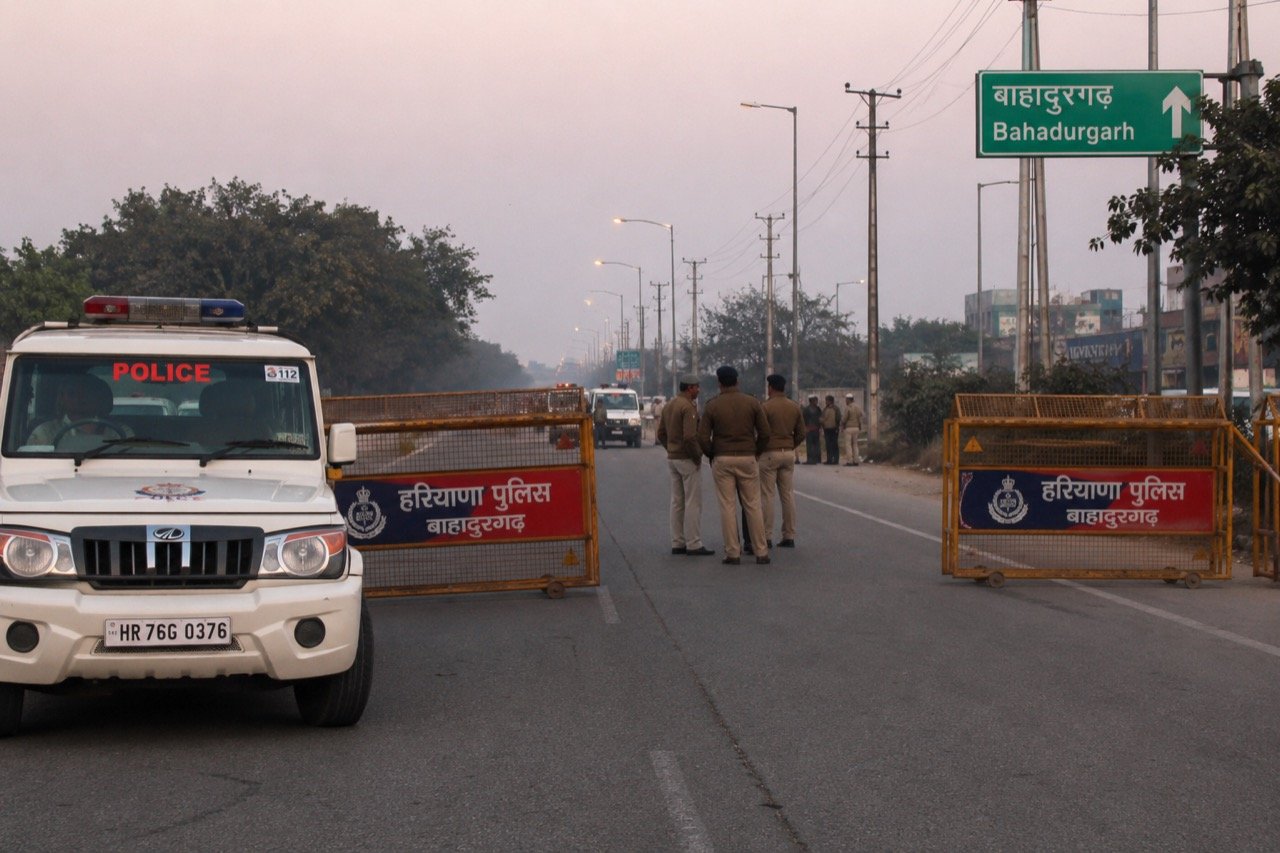
A joint Haryana-Delhi Police operation in Bahadurgarh left two suspected Lawrence Bishnoi gang members injured, spotlighting the multi-state coordination now central to India's fight against organised crime networks.

Brahmapur-Udhna Amrit Bharat Express Goes Daily, Boosting Odisha Link
The Brahmapur-Udhna Amrit Bharat Express is set to run every day, giving passengers travelling between Odisha and Gujarat a more dependable and affordable long-distance rail option for work, study and family journeys.