Bajaj Auto Says Ransomware Attack Hit Company Systems
Bajaj Auto has disclosed that a ransomware attack affected systems at the company and its subsidiary Bajaj Auto Technology, intensifying concern over cyber risk across India's increasingly digital manufacturing sector.
The NE Times Technology Desk
Commentary & Analysis ·
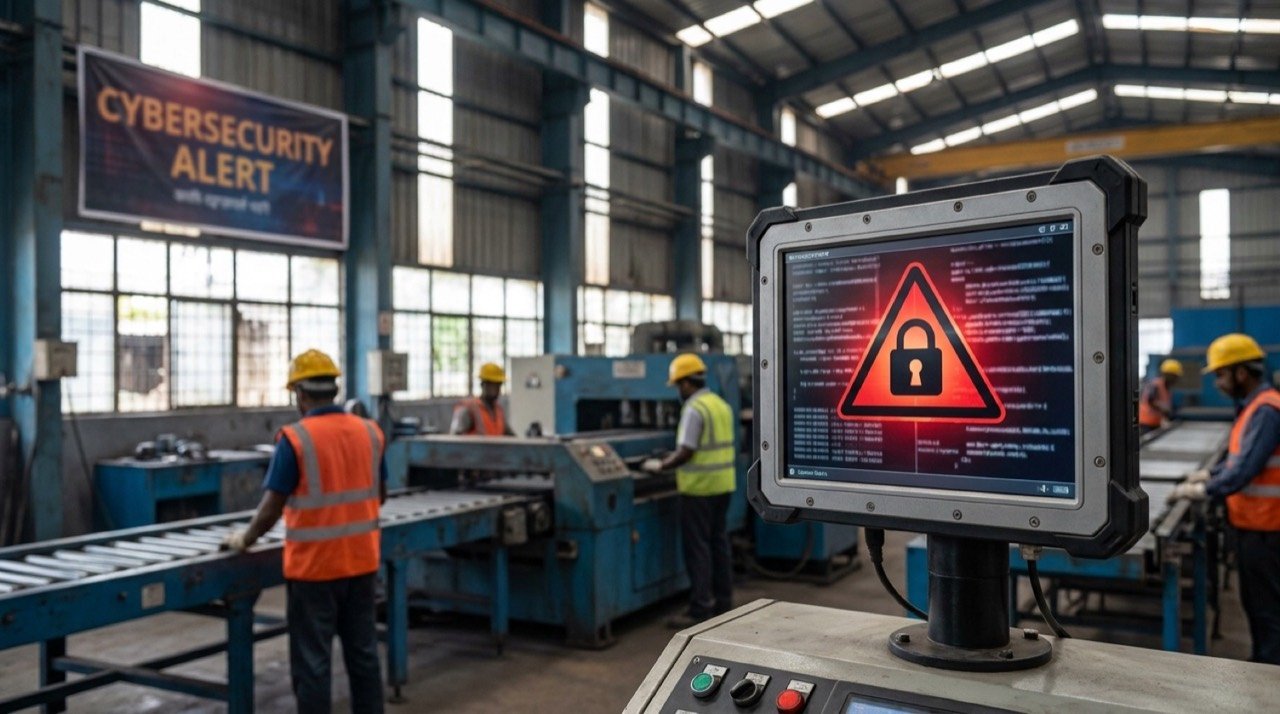
Bajaj Auto, one of India's largest two- and three-wheeler manufacturers, has disclosed that a ransomware attack affected systems at the company and its wholly owned subsidiary, Bajaj Auto Technology Ltd. The disclosure adds a high-profile name to a growing list of Indian industrial firms grappling with cyber threats, and underscores how exposed the manufacturing sector has become as it digitises.
What the company has said
In its disclosure, Bajaj Auto said technical teams and cybersecurity specialists were activated immediately after the attack was detected, with precautionary measures and response protocols put in place. The language signals a contained, procedure-driven response, the kind of incident-management playbook that large enterprises are expected to have ready.
The company has not, at this stage, detailed the full extent of any operational disruption or data exposure. For investors and customers, those are precisely the questions that matter most, and further updates on recovery timelines and the integrity of company data will be closely watched.
How ransomware threatens manufacturers
Ransomware works by encrypting an organisation's data or locking its systems, with attackers demanding payment to restore access. For a manufacturer, the danger extends well beyond office IT. Modern factories rely on connected production lines, supplier platforms and digital product systems, and a disruption to any of these can halt output or ripple through the supply chain.
That convergence of physical production and digital infrastructure is what makes industrial firms attractive targets. The pressure to resume operations quickly can make manufacturers more likely to negotiate, raising the stakes of every intrusion.
A rising threat to Indian industry
The Bajaj Auto incident is emblematic of a broader trend, with cyberattacks increasingly aimed at India's industrial backbone as digital adoption accelerates.
- The attack affected Bajaj Auto and its subsidiary Bajaj Auto Technology Ltd.
- Technical teams and cybersecurity experts were activated immediately.
- Precautionary measures and response protocols were put in place.
- Connected factories and supplier platforms widen the potential impact.
- Investors are watching for updates on disruption, data exposure and recovery.
“As factories grow more connected, cyber risk is no longer just an IT problem; it is a production and supply-chain risk.”
— Cybersecurity specialist
How quickly Bajaj Auto restores normal operations, and how transparently it communicates about any data impact, will shape the response from markets and customers alike. More broadly, the episode is a reminder that as Indian manufacturing embraces automation and connectivity, resilient cybersecurity is becoming as essential to the factory floor as quality control. The NE Times will report verified updates as the company shares more.
The NE Times View
A ransomware hit on a manufacturer of Bajaj's stature is a warning shot for industrial India. As factories digitise, they inherit the vulnerabilities of IT without always inheriting its defences, and a single breach can halt production lines, not just spreadsheets. Disclosure deserves credit, but the sector needs more than incident response; it needs to treat cybersecurity as core to operations. The next attack will test whether peers learned, or merely watched.
This article is original commentary and analysis by The NE Times. Background facts were referenced from The Economic Times and Business Standard.
You may also like to read
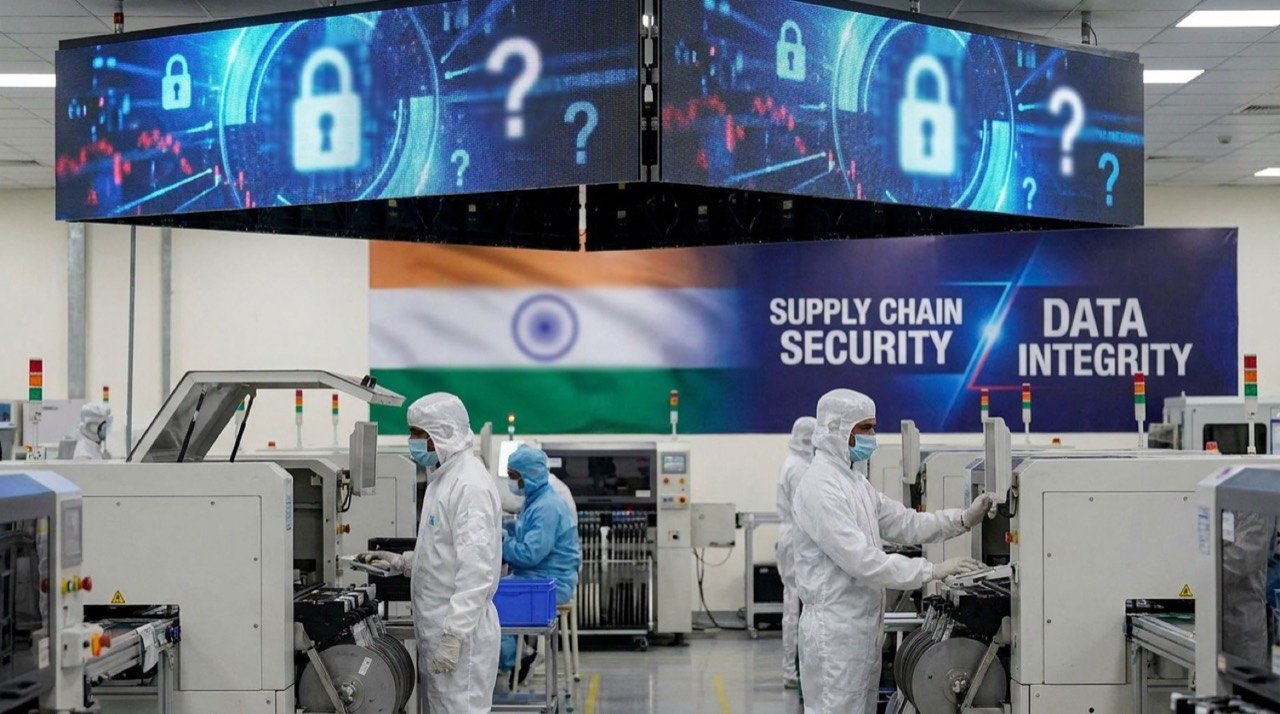
Tata Electronics Cyber Incident Raises Supply-Chain Data Questions
Tata Electronics has confirmed a cybersecurity incident after a ransomware group claimed to post over 200,000 files allegedly tied to Apple and Tesla component designs, spotlighting India's electronics supply-chain security.
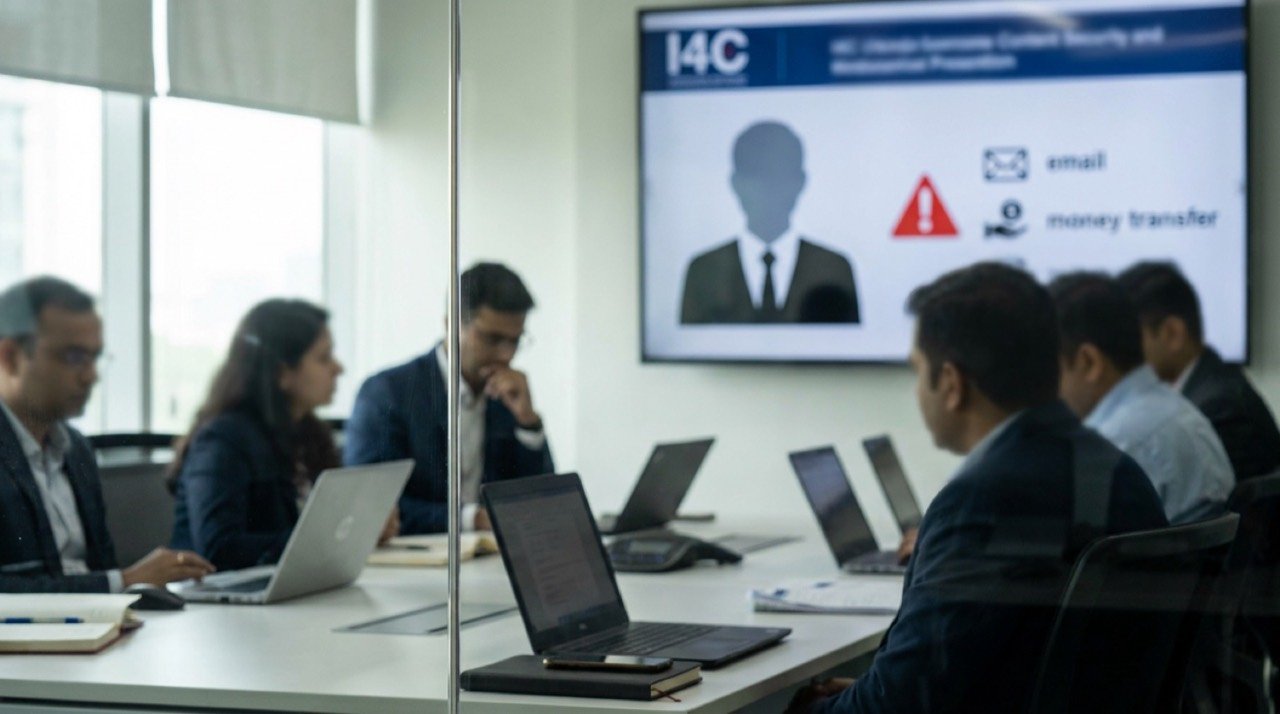
I4C Warns Indian Companies of Rising 'Boss Scam' CEO-Impersonation Cyber Fraud
India's cybercrime coordination agency has flagged an emerging 'Boss Scam' in which fraudsters impersonate regulators and executives to push urgent, fraudulent money transfers at companies.
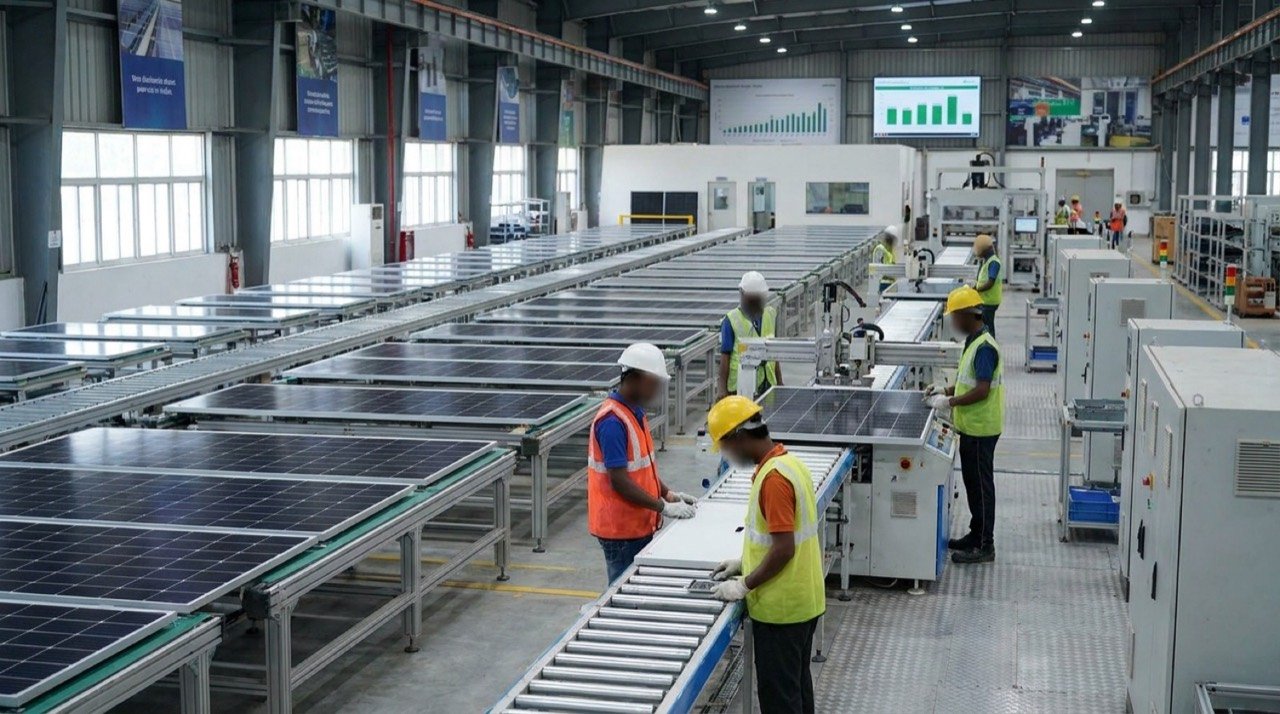
India Extends ALMM Solar Manufacturing Rules to Wafers and Ingots From 2028
New Delhi will widen its Approved List of Models and Manufacturers framework to cover solar wafers and ingots from June 2028, pushing deeper into the supply chain to cut reliance on China.
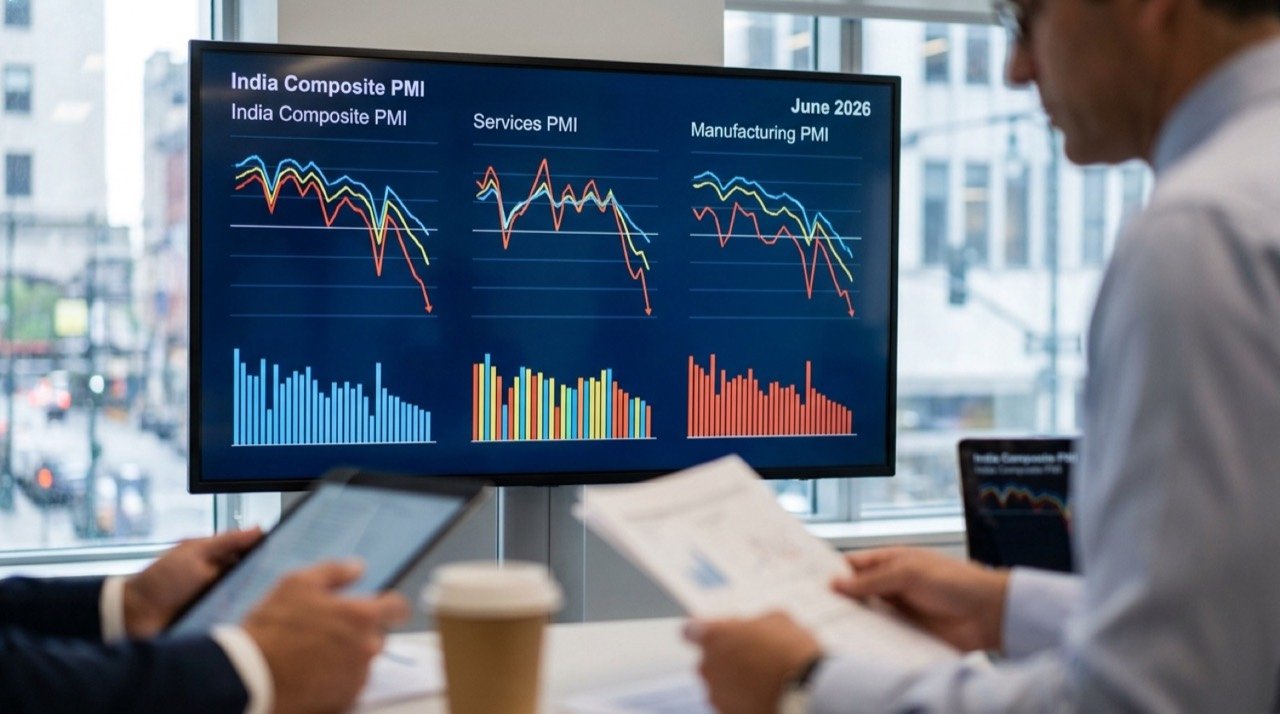
India's June Private Sector PMI Slows to a Three-Month Low
India's private sector kept expanding in June but at its weakest pace in three months, as softer demand and cooler business confidence struck a more cautious note across services and manufacturing.
More from this section
More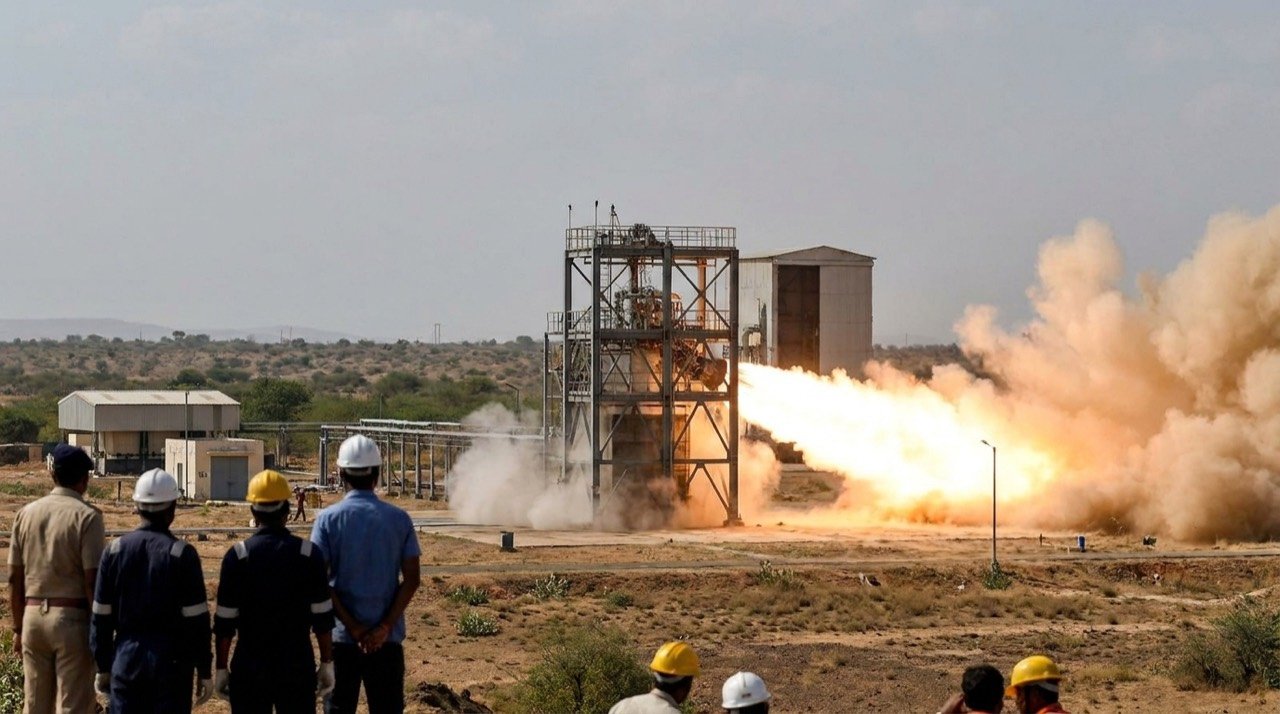
ISRO Fires Semi-Cryogenic Engine Power Head at 175 Tonnes in Landmark Hot Test
ISRO successfully ran its indigenous semi-cryogenic engine power head at 175 tonnes of thrust, clearing a key hurdle toward powering the LVM3 upgrade and the Next Generation Launch Vehicle.
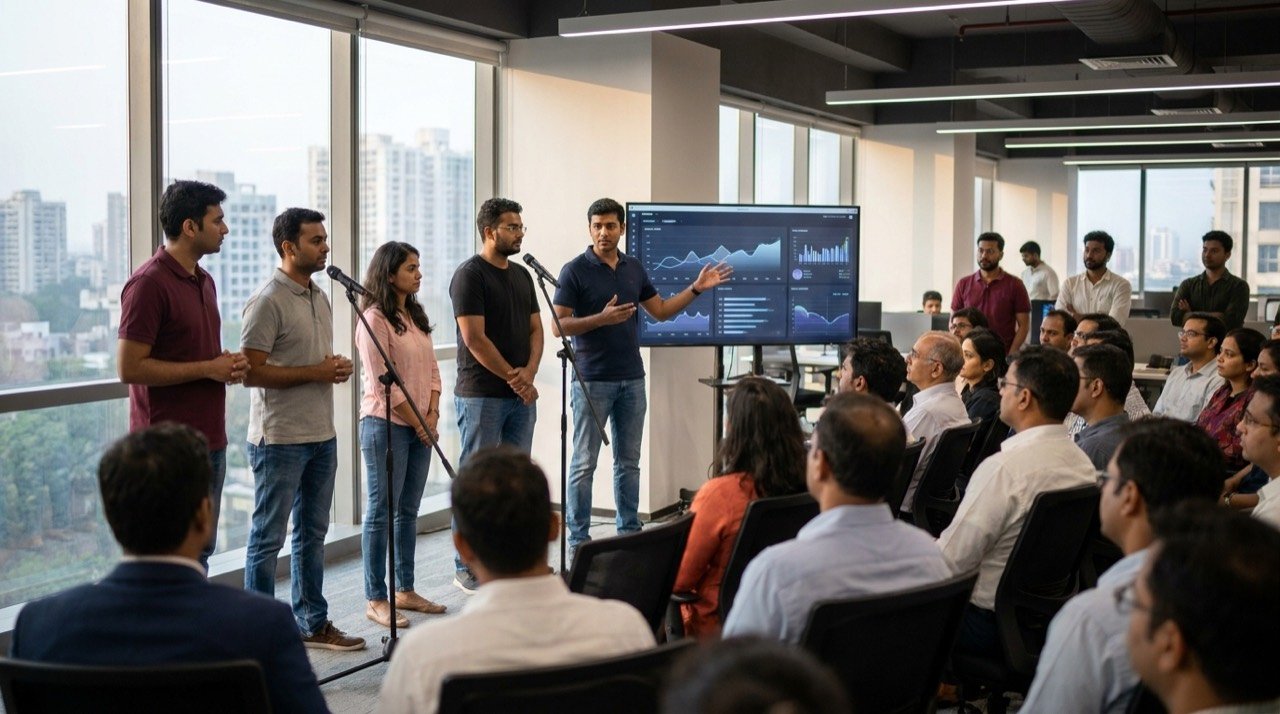
India Tech Funding Climbs to $7.2 Billion in H1 2026 Even as Deal Count Slumps
Indian tech startups raised $7.2 billion in the first half of 2026, up 12 per cent year-on-year, but the number of funding rounds fell sharply as capital concentrated in a handful of mega-deals.
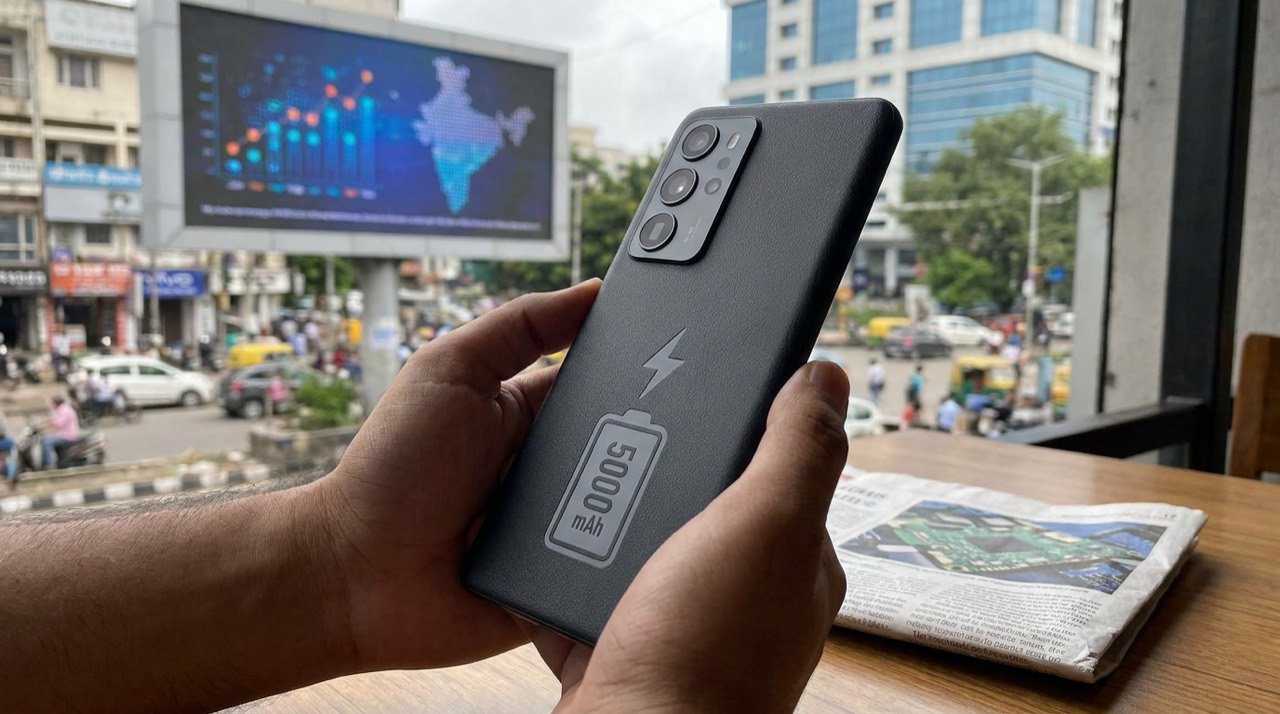
OnePlus N6 Headlines a Crowded End-June Gadget Calendar in India
The OnePlus N6, with its 8,000mAh battery and sub-Rs 25,000 price tag, leads a busy late-June run of smartphone launches in India spanning OnePlus, Oppo and Samsung.