Why Amitabh Bachchan Missed Deewangi Deewangi: Anecdote Trends Again
Farah Khan's recollection of why Amitabh Bachchan was absent from Om Shanti Om's star-packed song has revived one of Bollywood's favourite nostalgia moments and sent fans back to the iconic sequence.
The NE Times Entertainment Desk
Commentary & Analysis ·
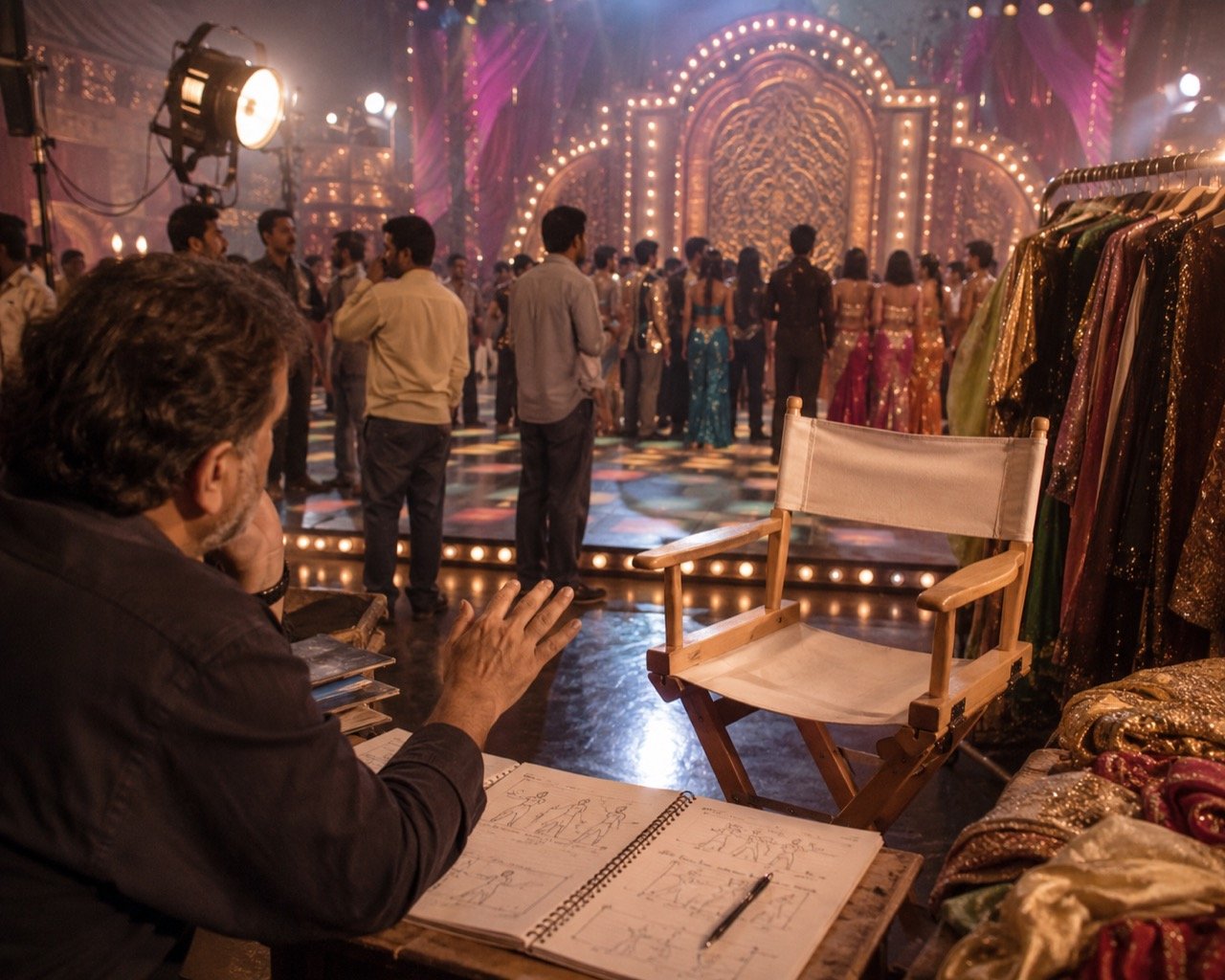
A behind-the-scenes anecdote can travel as fast as a new trailer when it involves a famous song, a major director and one of Indian cinema's most recognisable stars. Farah Khan's recollection of why Amitabh Bachchan missed the Deewangi Deewangi shoot, reported by Indian Express, has done exactly that — reviving interest in the Om Shanti Om number that assembled one of the largest star line-ups in Hindi film history.
Low stakes, high recognition
The story works because it carries no scandal, only recognition. Deewangi Deewangi remains shorthand for Bollywood maximalism: a parade of cameos, elaborate choreography and a self-aware celebration of the industry itself. Any account of who was on that set, who was missing and why instantly draws readers who remember the song as a cultural event in 2007.
For fans, the pleasure is in the logistics — understanding how a sequence of that scale was actually assembled, which schedules clashed, and how a single absence became part of the song's lore. It is context and memory rather than controversy.
Nostalgia as a content engine
The episode also shows how Bollywood nostalgia has hardened into a steady content category. Interviews, podcasts and promotional appearances routinely surface small revelations that give older films a second life online. One memory from a director can send viewers back to clips, behind-the-scenes photographs and cast lists within hours.
The NE Times View
There is something telling in how eagerly Indian audiences receive these fragments of film history: Hindi cinema's past is not archived, it is continuously replayed. We think this appetite is largely healthy — it treats films as shared cultural memory rather than disposable content, and it rewards storytellers like Farah Khan who narrate the industry's history with affection. The caution is that nostalgia can crowd out attention for new work if it becomes the default conversation. The best outcome is the one this anecdote achieves: a warm look back that deepens, rather than replaces, engagement with what Bollywood makes next.
This article is original commentary and analysis by The NE Times. Background facts were referenced from Indian Express Bollywood.
You may also like to read

How SRK and Farah Khan Helped Shreyas Talpade Buy His First Home
Shreyas Talpade's recollection of the support Shah Rukh Khan and Farah Khan offered when he bought his first home has struck a chord, revealing the quieter friendships that operate behind Bollywood's cameras.
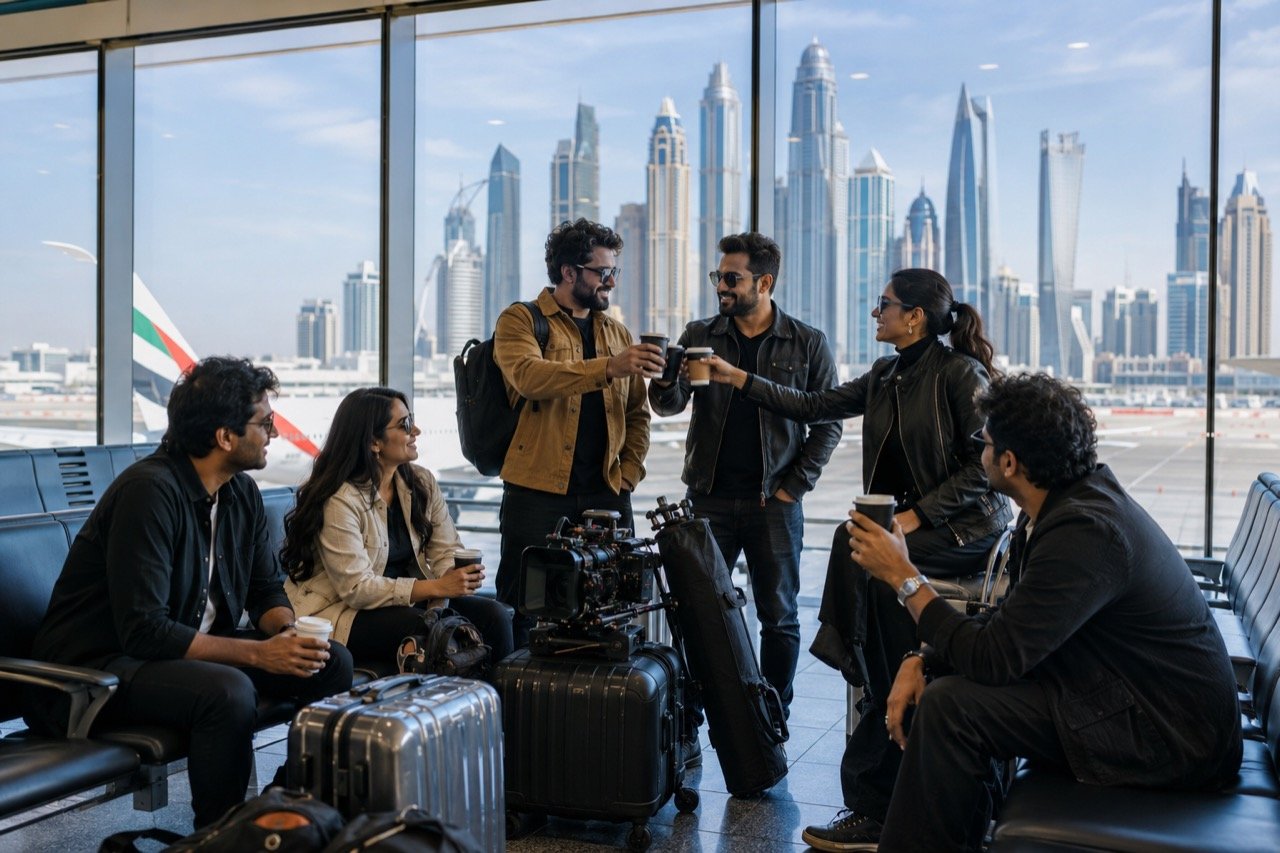
Farah Khan's SRK Dubai Story Rekindles Happy New Year Nostalgia
Farah Khan's recollection that Shah Rukh Khan personally paid to fly around fifty cast and crew members to Dubai for the Happy New Year premiere has revived warm interest in the film's behind-the-scenes history.
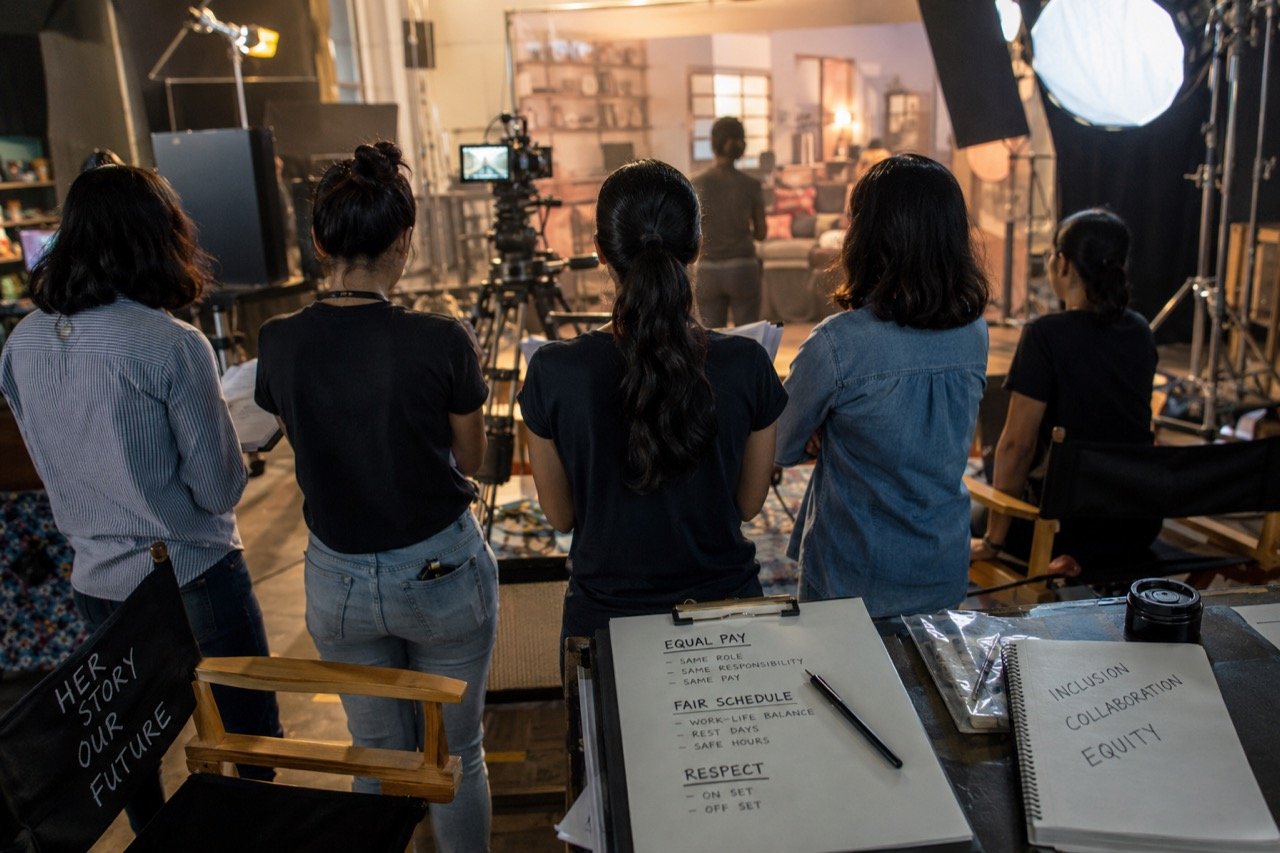
Kriti Sanon's Set Remarks Put Bollywood Gender Equity Back in Focus
Kriti Sanon's comments about female actors being taken for granted on film sets have revived a long-running conversation about pay parity, respect and decision-making power in mainstream Hindi cinema.
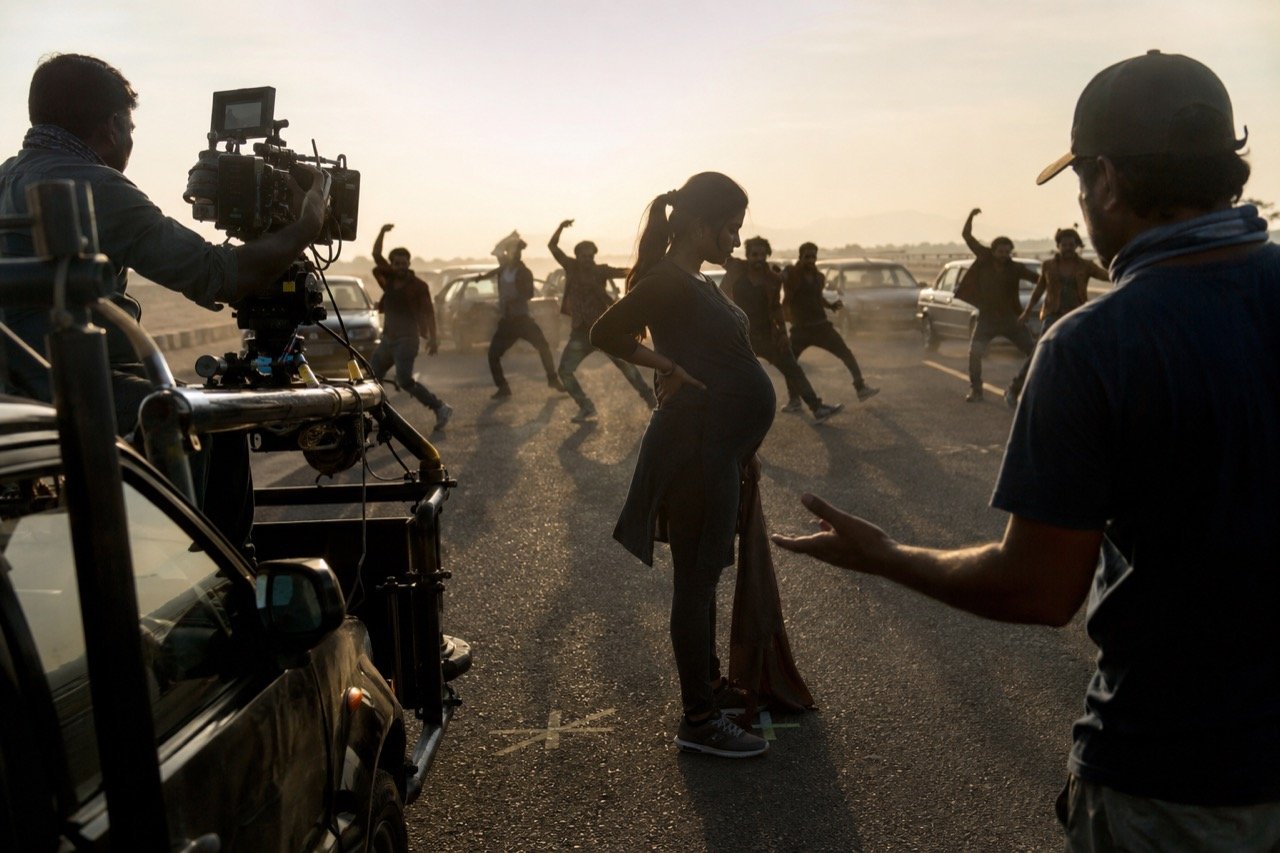
Samantha Shoot Anecdote Puts Film Set Safety Back in Focus
Director Nandini Reddy's account of Samantha Ruth Prabhu filming a song and car-chase sequence during pregnancy has reopened questions about scheduling, safety and support on demanding South Indian film sets.
More from this section
More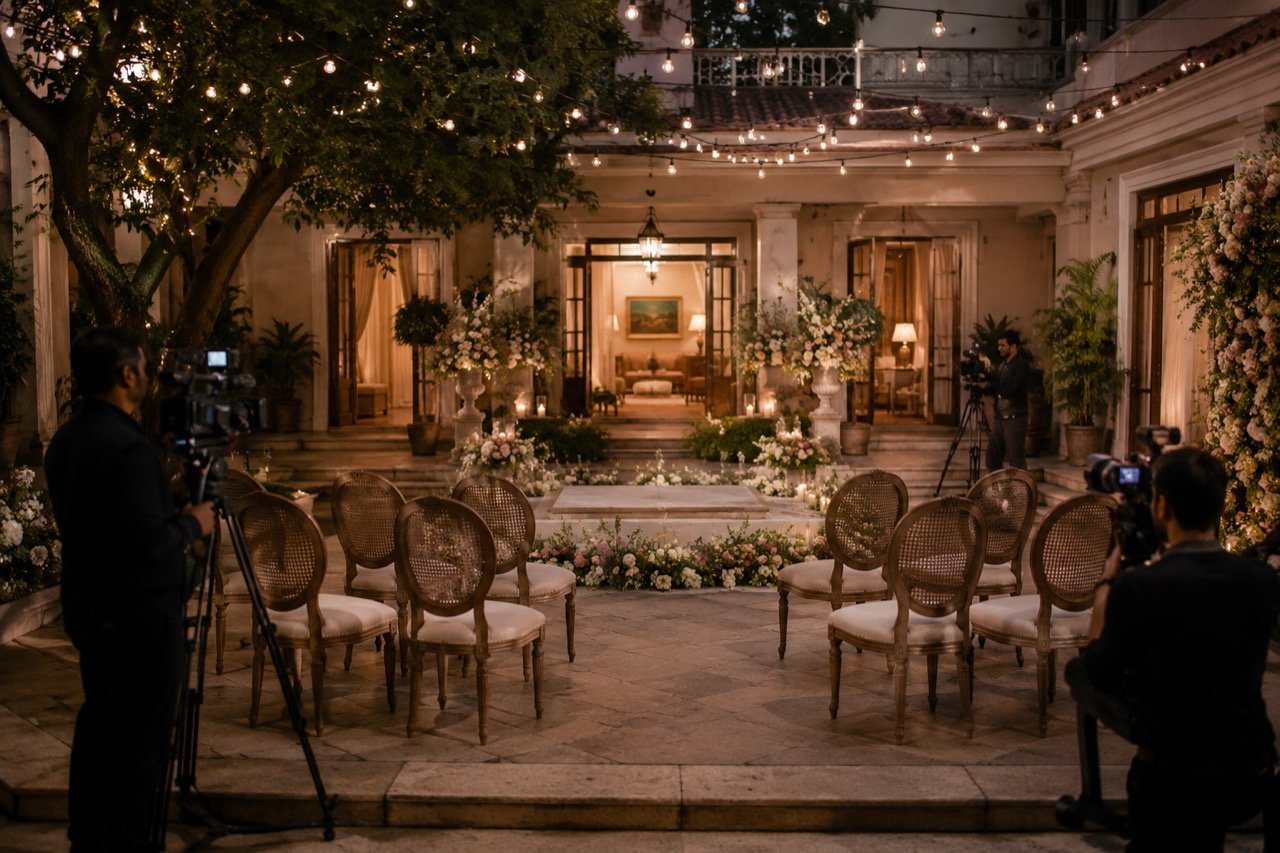
Aamir Khan's quiet July 5 wedding becomes Bollywood's big story
Reports that Aamir Khan has confirmed an intimate July 5 ceremony with Gauri Spratt have captivated Bollywood watchers precisely because the star is choosing privacy over spectacle.
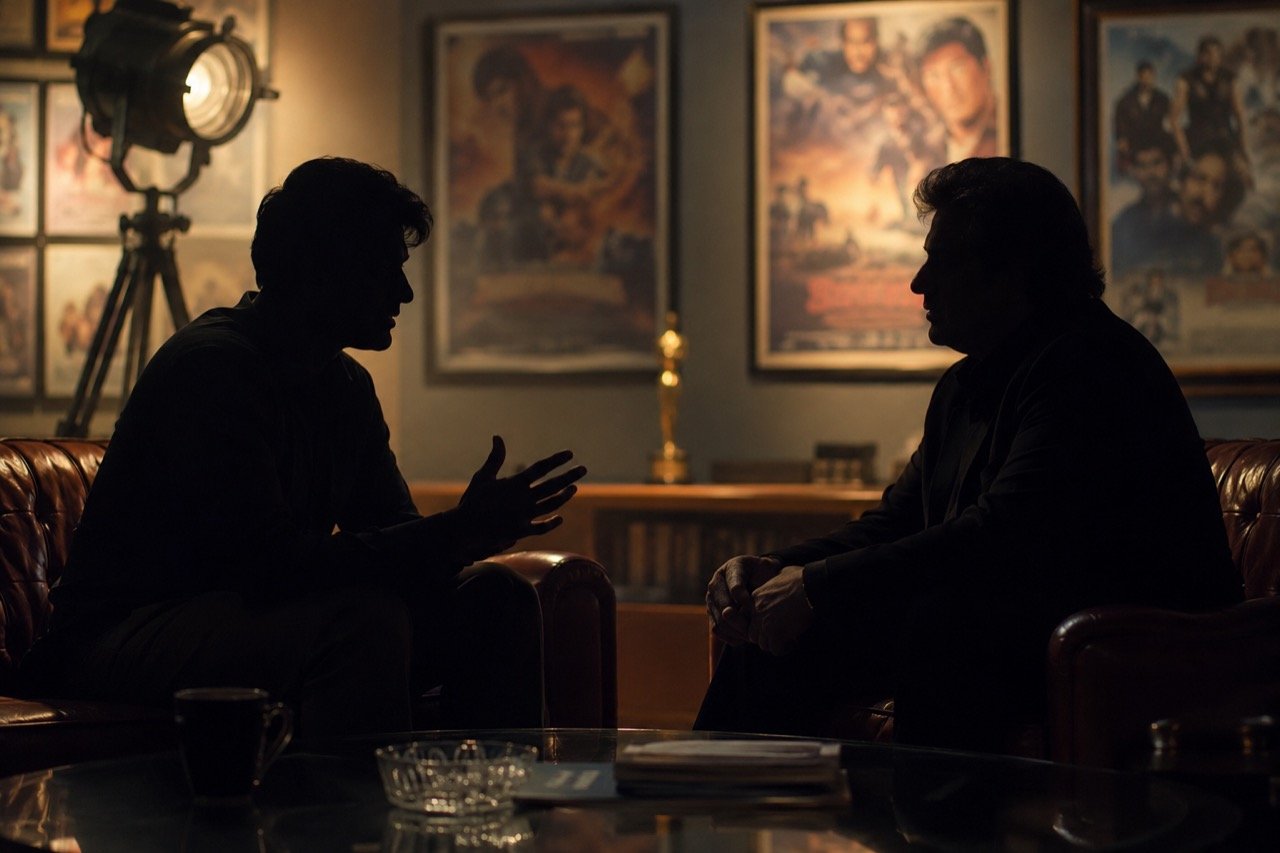
Akshaye Khanna's Nod to Sunny Deol Stirs 90s Bollywood Nostalgia
A warm remark from Akshaye Khanna about Sunny Deol has revived affection for Bollywood's 1990s generation, showing how memory and mutual respect still power Hindi cinema's news cycle between big releases.
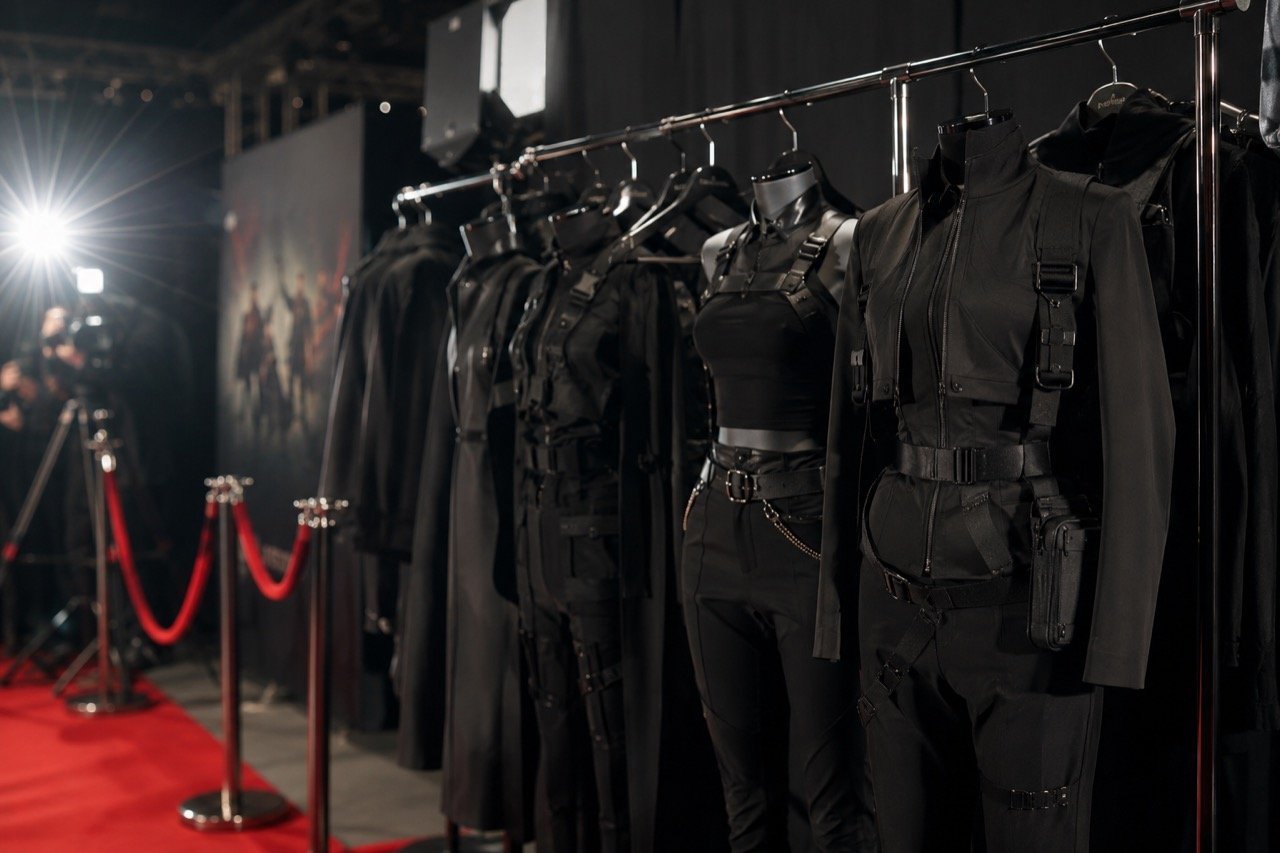
Alia Bhatt's Alpha Wardrobe Makes Spy-Film Promotion a Style Story
From asymmetrical silhouettes to commando-inspired outfits, Alia Bhatt's promotional fashion for Alpha is doing narrative work — signalling toughness and control for Bollywood's female-led action entry.