Akasa Air Inducts 40th Aircraft in Indian Aviation Scale-Up
Akasa Air's 40th aircraft, ferried to Bengaluru via Seattle, Reykjavik and Cairo, marks a fleet milestone for the young carrier and a fresh signal that India's aviation market remains firmly in expansion mode.
The NE Times Business Desk
Commentary & Analysis ·

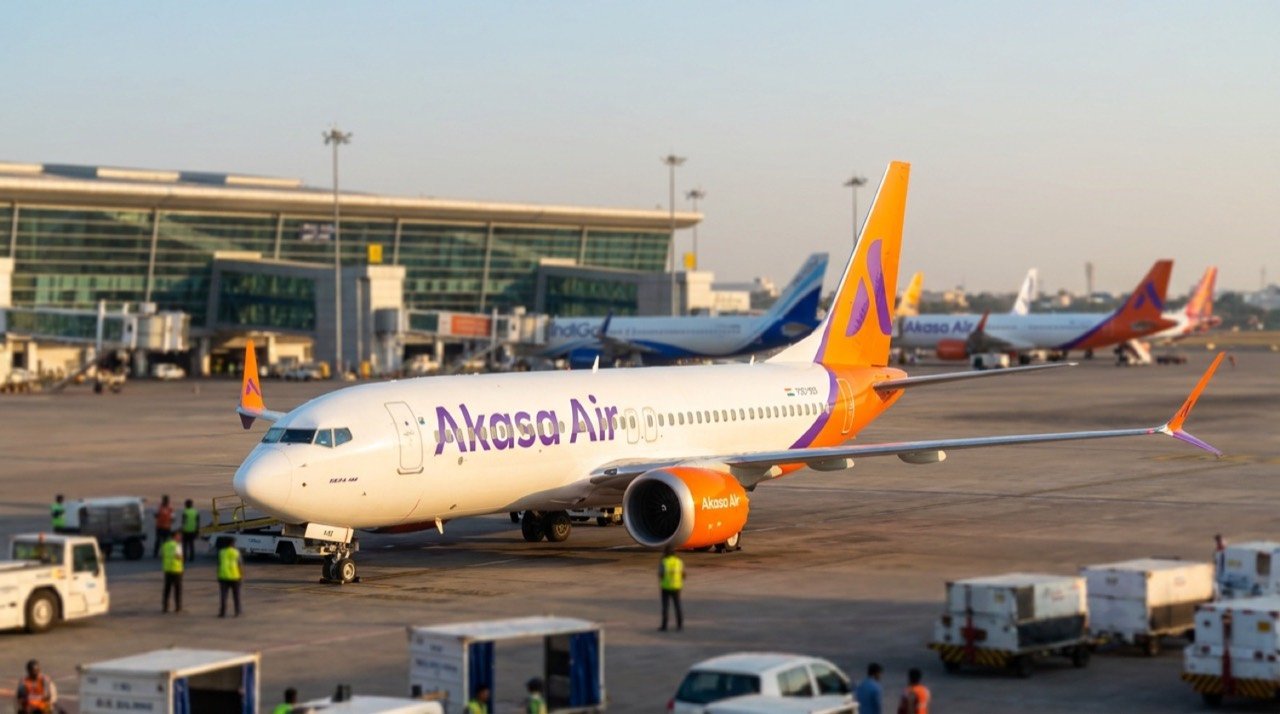
Akasa Air has taken delivery of its 40th aircraft, a milestone for one of India's youngest carriers and another data point in the world's fastest-moving aviation growth story. Mint reported on July 4 that the jet reached Bengaluru after a ferry route through Seattle, Reykjavik and Cairo.
Fleet size drives nearly everything in an airline's business model. Forty aircraft supports higher frequencies, new routes, backup capacity and schedule resilience — and, just as importantly, it signals credibility to airports, lenders, lessors, employees and passengers weighing a newer brand against entrenched rivals.
Growth inside a punishing market
India's aviation sector is intensely competitive. Incumbents hold deep networks, loyalty programmes and international partnerships, leaving younger carriers to earn reliability route by route. A bigger fleet strengthens the schedule but raises execution pressure: every new aircraft needs pilots, engineers, airport slots, maintenance planning and working capital behind it.
The expansion also rides a structural shift. Domestic flying in India has moved from an elite product to mass-market transport, propelled by regional airport development, rising incomes, tourism and business travel — even as high fuel costs, currency swings and global aircraft delivery constraints keep the economics demanding.
What it means for passengers
For travellers, the practical payoff may show up as more flight choices and sharper fares on contested routes, with Bengaluru and other growth markets likely beneficiaries. For the industry, it is evidence that India's skies are not a two-player story: new entrants are still carving out room.
The NE Times View
A 40th aircraft is a genuine achievement, but Indian aviation's graveyard is filled with airlines that confused fleet count with strength. The question that matters is discipline: whether Akasa is adding capacity on routes with durable demand, sweating its aircraft efficiently and pricing sensibly rather than buying market share. If it can pair this growth with on-time performance and financial restraint, India gets what its passengers badly need — a credible third force keeping fares honest. The milestone is worth applauding; the consistency test starts now.
This article is original commentary and analysis by The NE Times. Background facts were referenced from Mint.
You may also like to read
Akasa Air Eyes IPO in Two to Four Years: A Question of When, Not If
Akasa Air CFO Ankur Goel has signalled the young carrier could pursue a stock-market listing within two to four years, framing an IPO as a matter of timing rather than intent.

IndiGo Charts Path To 550-Plus Aircraft And 200 Million Passengers By 2030
At its June analyst day, IndiGo laid out an audacious blueprint to grow its fleet beyond 550 aircraft and nearly double international capacity, aiming to carry 200 million passengers a year by fiscal 2030.

Bengaluru Lamborghini-Auto Swap: Entrepreneur's Gesture Goes Viral
A Bengaluru entrepreneur's spontaneous decision to trade seats with an auto-rickshaw driver, putting the cabbie behind a Lamborghini's wheel, has charmed social media and become the city's feel-good story of the week.

Arrest in Bengaluru Daycare Case Deepens Child Safety Questions
Bengaluru police have arrested a woman connected to the daycare case at a Capgemini campus facility, sharpening scrutiny of caregiver vetting, oversight and accountability at workplace-linked childcare centres.
More from this section
More
Adani Case: US DOJ Pushes for Permanent Dismissal of Charges
The US Department of Justice has urged a judge to permanently dismiss charges against Gautam Adani, calling the case legally flawed — a reversal with consequences for markets, diplomacy and cross-border enforcement.

BARC Ratings Suspension Leaves Indian TV Industry Flying Blind
BARC's pause on television ratings has put India's broadcast measurement system under fresh scrutiny, leaving broadcasters, advertisers and media planners without the weekly audience data that anchors the TV economy.

Bharti Airtel Leads Weekly Market Cap Gains Among Top Six Firms
Six of India's most valuable companies added to their combined market capitalisation this week, with Bharti Airtel leading the wealth gain in a snapshot of where large-cap investor confidence is accumulating.